

Peach Belt competition, career-focused academics and relatively affordable tuition make this an appealing option for recruits.

NCAA Division IIPeach Belt ConferenceGeorgia

Georgia Southwestern State University Baseball
One plan built for Georgia Southwestern State University Baseball, with the roster read, the coach's contact and a dated plan, delivered within 24 hours. An expert checks every plan.
- 33
- Roster
- 16
- Leaving
- 40%
- In-state
- 15%
- Transfers
Overview
Georgia Southwestern State University Baseball Team Details
Key facts about the Georgia Southwestern State University baseball team.
From its campus in Americus, Georgia, Georgia Southwestern State University competes in Division II baseball as a member of the Peach Belt Conference. The most room for the Class of 2027 is among pitchers, with nine leaving after the 2026-27 season, followed by four infielders. Seniors and graduate students make up 48% of the roster, which makes it a veteran team.
NCAA Division IIPeach Belt ConferenceGeorgia
- Head coach
- Josh McDonald
- Home venue
- Hurricane Stadium
- Average roster
- 33
- Two-season win rate
- 54%
Head Baseball Coach / Assistant Director of Athletics for Facilities
players a season
Fit check
Do You Fit at Georgia Southwestern State University?
Pick your position and level, add a test score if you have one, and get an instant read on your chances here. Free, and no account needed.
Coaching staff
Get on This Staff's Radar
Head coach
Josh McDonaldHead Baseball Coach / Assistant Director of Athletics for FacilitiesEmail●●●●●●@●●●●.edu
Phone(●●●) ●●●-●●●●
Roster
Roster Breakdown
The roster by class
5FreshmenFr.
3SophomoresSo.
9JuniorsJr.
12SeniorsSr.
4GraduateGrad
33 players on the latest roster (2027).
Roster openings after 2026-27
16players in their final year, 49% of the roster
Pitcher 9 · Catcher 1 · Infielder 4 · Outfielder 2
After the 2026-27 season, nine pitchers will leave, the largest group of departures by position, followed by four infielders. Departures reach 48% of the roster after that season, 16 players in total, a share in the top 10% among Division II baseball teams, so the Class of 2027 should find real room.
See who you would be replacingExperience runs deep, with 16 of 33 players seniors or graduate students, 48% of the roster. Roster continuity stands out, since 86% of last season's non-seniors returned, ahead of the 72% median among Division II baseball teams. Players who stay tend to build roles, so newcomers may need patience.
Positions
Baseball Roster by Position
How many players a season the program carries at each position, and how tall they are.
Pitcher
16players a season
Average height 6'1"
Catcher
3.3players a season
Average height 6'1"
Infielder
6.7players a season
Average height 6'1"
Outfielder
5.7players a season
Average height 6'0"
Utility/Designated Hitter
1.7players a season
Average height 5'11"
Transfers
Transfers In and Out
5
transfers in for 2026-27
0
transfers out
- Share of the roster
- 15%
- Per 100 freshmen
- 100
- By position
- Pitcher 5
- Came from
- 2 from Division II, 1 from Division III, 2 from NAIA
Footprint
Where This Team Recruits
Where the players are from
100players
In-state40%
Other US states59%
International1%
Counted from players on recent rosters with a known hometown.
Top home states
Florida43%
Georgia40%
Alabama7%
South Carolina3%
North Carolina3%
The program has recruited its newest class closer to home, with 80% from Georgia versus 45% of the roster, and draws more players from Florida, 43% of the roster, than from Georgia, its home state.
Results
Georgia Southwestern State University Baseball Recent Results
Swipe to see every season
Best season
2025
56%29-23overall
16-11conference
Latest
2026
53%28-25overall
18-12conference
Standings
Peach Belt Conference Standings
Where Georgia Southwestern State University stands in the Peach Belt Conference.
Schedule and travel
Baseball Schedule
The season's games, home and away, and how far the team travels.
Recruiting
Recruiting Outlook
Who fits this program
- Competes in NCAA Division II Peach Belt Conference baseball
- Supports balancing moderate academics with sport commitments
- Offers small campus setting in a rural, close-knit community
- Ideal for baseball players seeking steady development and playing time
Program stats
The Program by the Numbers
37
Athletes on the roster
3
Coaches on staff
$3,470
Spent per athlete
Spending and revenue a year
Spending$448,922
Revenue$448,922
Revenue covers everything the program spends.
Source: the federal Equity in Athletics report, 2025.
Feeders
Top Feeder Schools and Clubs
The high schools and clubs that sent the most players to this roster.
1Bloomingdale High School3 players on recent rosters
2Newsome High School2 players on recent rosters
3Perry High School2 players on recent rosters
4Seacrest Country Day School2 players on recent rosters
5Troup County High School2 players on recent rosters
Recent rosters include three players from Bloomingdale High School, the most of any single school or club, ahead of Newsome High School with two. At least two players apiece have come from five schools or clubs.
The school
School Environment
Georgia Southwestern State University combines professional programs in business, computing, education and health sciences with a balanced academic challenge, making major choice and degree planning important parts of your recruiting decision.
Georgia Southwestern State UniversityAmericus, GeorgiaSee the full profile 75%
Acceptance rate
41%
Graduation rate
- Undergraduates
- 3,024
- Net price a year
- $12,019
- Earnings after ten years
- $48,757
Official links
Official Georgia Southwestern State University Baseball Links
Similar programs
Similar Baseball Teams
Programs at a similar level, with similar academics, worth adding to your recruiting list.


Specialized academics, accessible admissions and in-state value give athletes practical reasons to consider this developing athletic program.


Competitive athletics, professional programs and relatively affordable costs attract recruits who want a balanced college experience.


Accessible admissions, career-focused academics and a close-knit rural setting give athletes practical reasons to consider competing here.


Reachable faculty, hands-on academics and a rural campus give athletes a personal setting for college competition.


Career-focused majors, a close-knit community and competitive athletics give recruits practical reasons to consider this suburban campus.
Teams in Georgia
More Baseball Teams in Georgia
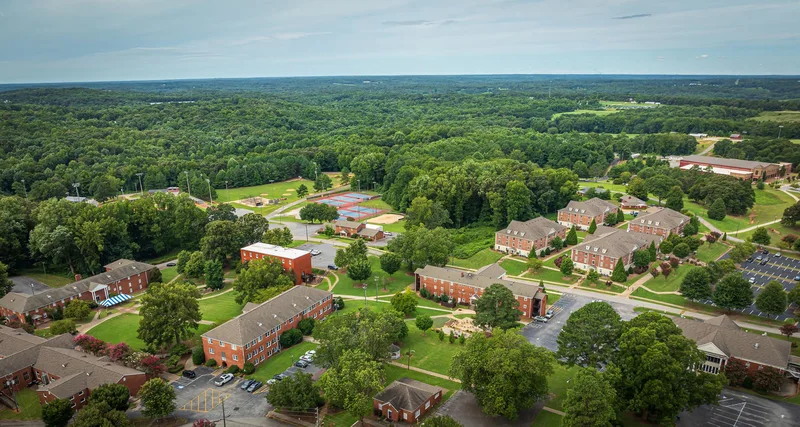

Emmanuel University
Franklin Springs, GA
Competitive athletics, reachable faculty and a close-knit rural community give recruits several reasons to consider studying here.
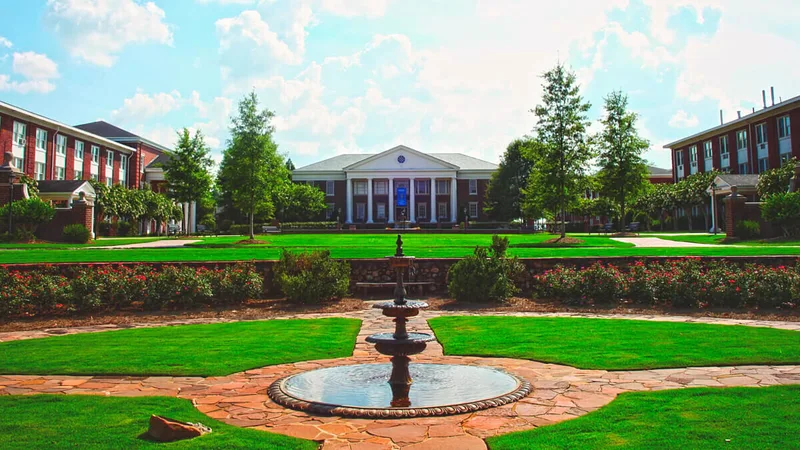

Shorter University
Rome, GA
A faith-centered community and approachable faculty give athletes a personal setting for pursuing academics and competitive sports.
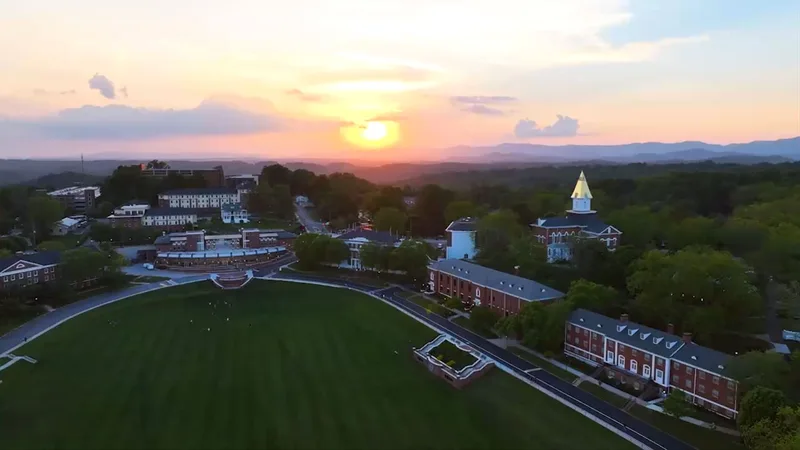

University of North Georgia
Dahlonega, GA
Affordable tuition, competitive athletics and a leadership-focused campus give recruits practical reasons to consider this university.


Young Harris College
Young Harris, GA
Personal faculty attention, mountain surroundings and Division II competition appeal to athletes seeking a close-knit college.


Albany State University
Albany, GA
Athletes choose an HBCU community that combines competitive athletics, career-focused study and an affordable college experience.


Augusta University
Augusta, GA
Health-professional pathways, Peach Belt competition and in-state tuition give athletes practical reasons to consider studying here.
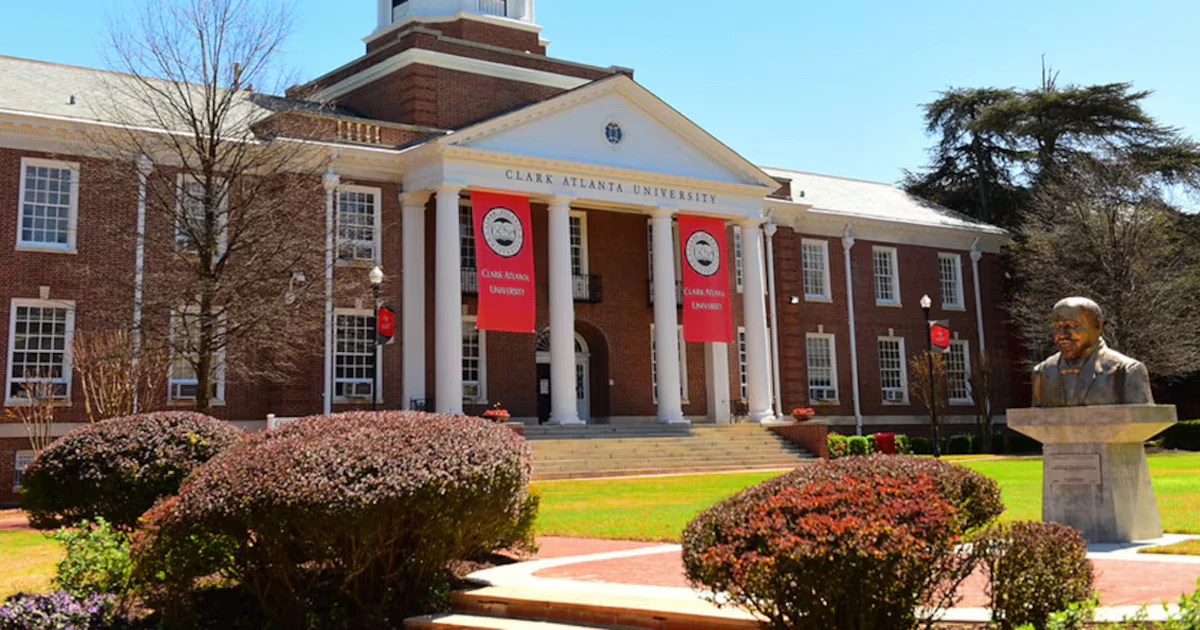

Clark Atlanta University
Atlanta, GA
Athletes can combine conference competition with an HBCU community, shared academic resources and life in Atlanta.
Columbus State University
Columbus, GA
Peach Belt competition, career-focused academics and relatively affordable tuition make this an appealing option for recruits.


Georgia College & State University
Milledgeville, GA
A residential liberal arts experience and Peach Belt competition appeal to athletes seeking academic and athletic balance.
Middle Georgia State University
Macon, GA
Specialized academics, accessible admissions and in-state value give athletes practical reasons to consider this developing athletic program.


Morehouse College
Atlanta, GA
Athletes choose a small liberal arts community, competitive athletics and Atlanta's academic and networking opportunities.


Savannah State University
Savannah, GA
Coastal research opportunities, HBCU community and affordable tuition give athletes reasons to look closely here.
Roster openings · 2026-27
Which D2 Baseball programs have the most roster spots opening up?
Every program ranked by players in their final year, with the positions they are losing.
11.6players leaving per program, on average
See the programs Three ways to start
Where are you in the search?
Pick the option that matches where you are, and we will show you the plan that fits.
Recruiting Plan
Your 20 to 25 best-fit schools, picked for you.



- Starter: the list, fit reads, real costs and a dated timeline
- Complete: adds roster reads and coach emails for every school
$99 or $249Starter or Complete, one time
Build my plan
Roster Report
The roster at your position, at the schools you pick.


- Who is graduating at your position, class year by class year
- Where spots are likely to open, in plain words
From $193, 8 or 15 schools
Choose my schools
School Plan
One school, covered end to end.
- Your honest odds, the roster and the verified coach
- Intro email, three follow-ups, admissions steps and timeline
$49One school, one time
Pick my school Resources