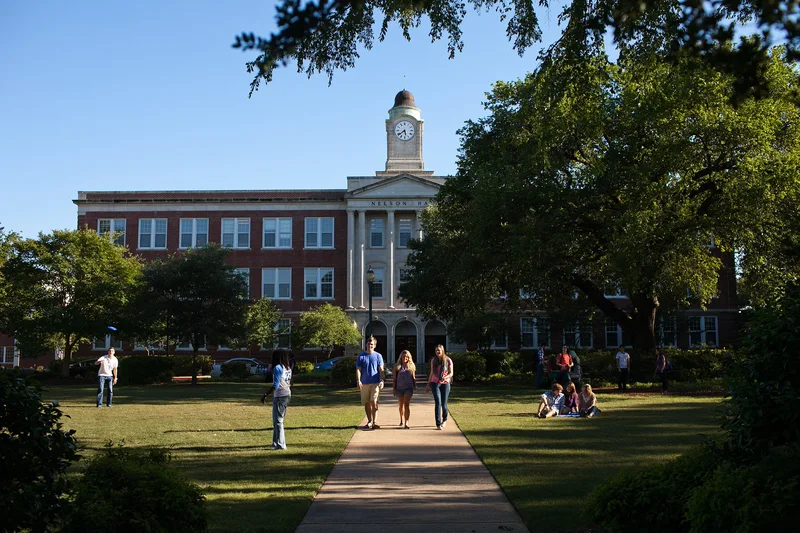
A faith-centered community and Nashville opportunities give athletes ways to grow beyond their sport.
- 3,195
- Students
- 69%
- Admit rate
- $16,813
- Net price
Browse programs
College directoryEvery program, filtered by what fits Sport directoryMen's and women's, every division State directoryPrograms in the states you would play inGo deeper
Major directoryYour major and your sport in one list Camp directoryID camps and showcases at college programs Conference directoryEvery conference and its member collegesOverview
Mission and culture
Morehouse College is a historically Black men's liberal arts college in Atlanta, combining a small academic community with NCAA Division II athletics. Its mission centers on educating Black men, with strengths in business and STEM and a strong record of graduates pursuing advanced degrees.
Why athletes choose Morehouse College
Athletes choose a small liberal arts community, competitive athletics and Atlanta's academic and networking opportunities.
Fit check
Pick a sport, your position and level, add a test score if you have one, and get an instant read on your chances here. Free, and no account needed.
Academics
Morehouse College combines a liberal arts foundation with strengths in business and STEM, making academic demands, faculty access and preparation for careers or graduate study important considerations for recruits.
Academic strength
A composite of graduation rate, earnings after college, how selective admissions are and how hard the coursework is.
Acceptance rate
More selectiveMore accessible
Admissions are moderately selective, so solid classroom preparation matters alongside your athletic ability and interest in the mission.
Six-year graduation rate
0%100%
Finishing a degree offers a reasonable path, but athletes should maintain steady academic focus and seek support.
Academic difficulty
Rated 4 out of 5
Demanding coursework requires disciplined study habits and careful planning around practices and competition.
Student to faculty ratio
students for every faculty member
Faculty should be reachable in this personal academic environment, giving athletes opportunities to build useful connections.
Median earnings
per year, ten years after starting college
Six years after: $38,267Graduate earnings are moderate, making thoughtful major selection and career planning important when weighing value.
Undergraduate enrollment
undergraduate students
The small undergraduate community offers a more familiar daily environment while Atlanta provides opportunities beyond the college itself.
SAT and ACT scores
Testing is optional, and the score profile suggests recruits should weigh whether their results strengthen an application built on solid classroom performance.
Most popular majors
Admissions
Prepare your Morehouse College application by reviewing deadlines by admission plan, testing policy, application fees and recommendation requirements alongside the academic record you will submit.
Binding. If admitted, you commit to attend.
Not binding. Hear back early and decide by May 1.
The standard deadline. Not binding.
Majors
28 undergraduate majors across 7 academic areas.
No major matches that search.
Campus life
Daily life combines a small men's liberal arts community with active fraternities, athletics and connections to the Atlanta University Center in an urban setting.
Athletics
Competing in NCAA Division II and the SIAC, athletes enter a competitive conference environment, with cross country and track and field regularly contending for titles.
Cost
At Morehouse College, weigh the published cost against the net price after grants, then consider how available need-based and merit-based aid could affect your family's budget.
Average net price
What families pay on average after grants and scholarships, including tuition, housing and fees.
Published tuition
The sticker price a year, before any aid.
Financial aid
Need-based and merit-based aid availableAthletic scholarships, where a program offers them, are awarded by the coaching staff and come on top of these figures.
NIL
NIL rating
Morehouse College in Atlanta, Georgia offers a solid name, image and likeness (NIL) environment, benefiting from its historic reputation and location in a major metropolitan area. Student-athletes in Morehouse College sports can tap into local visibility, alumni pride, and the broader Atlanta market to explore NIL opportunities.
See the full NIL breakdownStudent fit
The kind of student-athlete who tends to do well at Morehouse College.
Morehouse College fits male athletes who want NCAA Division II competition within a historically Black liberal arts community focused on educating Black men. It suits students with solid academic preparation who are ready for demanding coursework and interested in business, STEM, public service or eventual graduate study. Athletes who prefer a small college but want an urban setting can benefit from Atlanta and the academic and networking opportunities of the Atlanta University Center. Families should weigh affordability carefully, and recruits seeking a coeducational campus or a less demanding academic experience may find a better fit elsewhere.
Who thrives here
Purpose Driven LeadersAmbitious Black MenAccountability SeekersStrong Network BuildersCritical ThinkersQuestions
It is known for strong programs in business, STEM fields, the humanities, and social sciences, with a particular emphasis on leadership, service, and developing men with a global perspective. Its liberal arts core and small class environment create a rigorous, discussion-based academic experience.
Admission is competitive. Successful applicants typically have a solid academic record, challenging high school coursework, and evidence of leadership, service, and personal character. Essays, recommendations, and extracurricular involvement all play a significant role in the holistic review process.
The college looks for intellectually curious men who show leadership potential, community engagement, and a commitment to personal growth. Admissions values academic preparation, integrity, and a desire to contribute positively to campus life and society.
Campus life is active and community-oriented, with student organizations, Greek letter fraternities, honor societies, arts and cultural groups, and service initiatives. Traditions, brotherhood, and collaboration with neighboring institutions in the Atlanta University Center are central to the student experience.
Students have access to academic advising, tutoring, writing support, and undergraduate research opportunities, along with career services that provide internship connections, resume and interview preparation, graduate school advising, and networking with a strong alumni base across many industries.
Popular areas of study include business administration, economics, computer science, biology, political science, English, sociology, and interdisciplinary studies related to leadership and African diaspora studies. Students often combine majors or minors to tailor their academic paths.
The campus is located in Atlanta in the historic Atlanta University Center district. Students benefit from access to a major metropolitan city with internships, cultural institutions, corporate headquarters, and a vibrant arts and music scene, while still having a defined campus community.
Students may be eligible for need-based financial aid, institutional scholarships, and outside awards. The financial aid office uses the FAFSA and other documentation to determine eligibility and works with families to build aid packages that can include grants, loans, and work-study.
Most first-year students live on campus in residence halls that emphasize community, mentorship, and engagement. Upperclassmen may choose from on-campus housing or nearby off-campus options, and residence life staff provide programming focused on academic success and personal development.
The college sponsors a range of men’s varsity sports competing in NCAA Division II, along with club and intramural sports. Student-athletes balance competition with academics and have access to training facilities, strength and conditioning, and academic support tailored to their schedules.
Student-athletes receive academic advising that accommodates practice and travel schedules, as well as access to tutoring, study halls, and mentoring. Coaches and academic support staff work together to help athletes stay on track toward timely graduation while competing at a high level.
Graduates join a well-established and engaged alumni network with members in business, politics, education, science, technology, and the arts. Alumni often support students and recent graduates through mentoring, internships, recruitment, and professional networking events worldwide.
Compare
Other colleges worth comparing with Morehouse College.
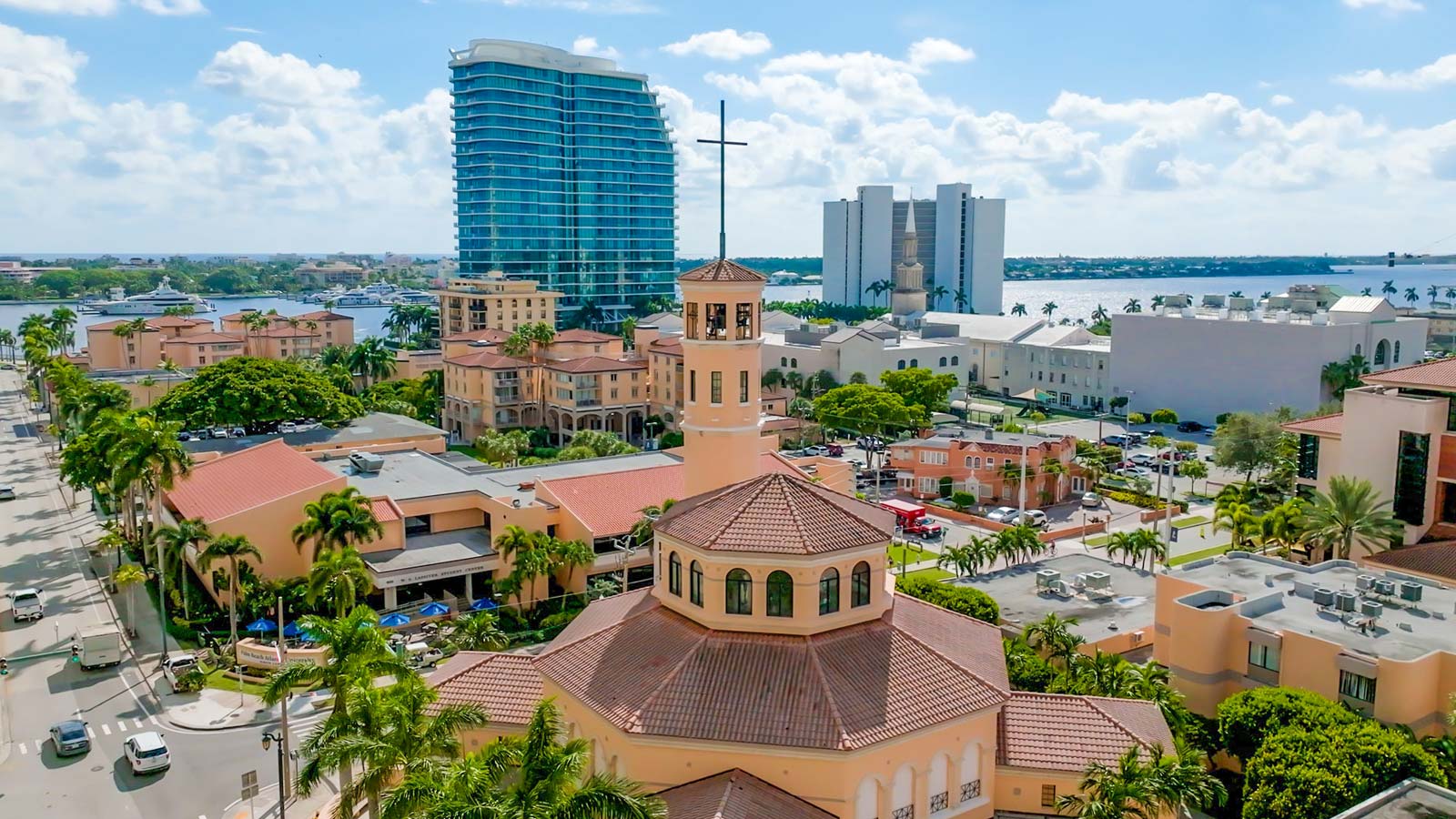
A faith-centered community and Nashville opportunities give athletes ways to grow beyond their sport.
A close-knit HBCU community and hands-on academics appeal to athletes seeking regional competition and career preparation.
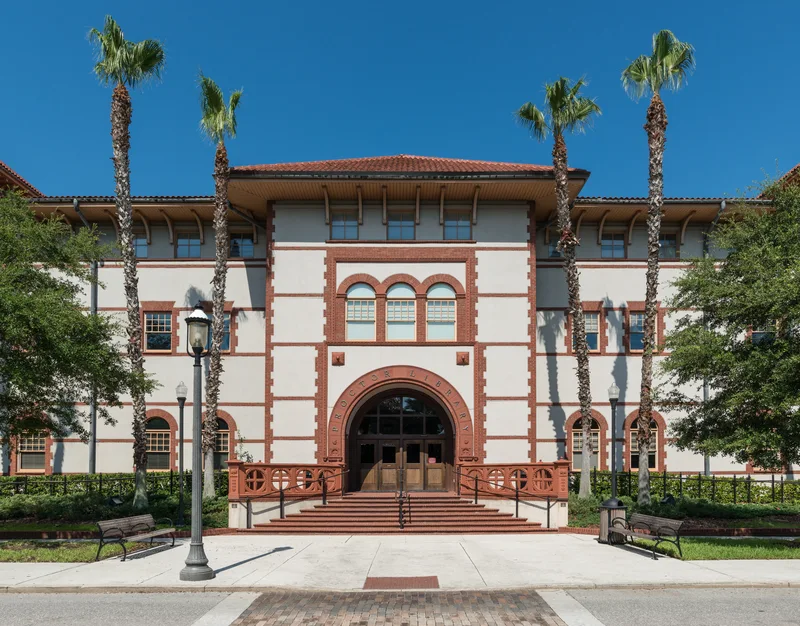
A small campus, experiential academics and competitive athletics give recruits a connected college experience in St. Augustine.
Athletes come for competitive conference play, Christian community, close faculty relationships and career-focused academic programs.
Personal instruction, professional programs and Lone Star Conference competition give athletes several reasons to consider this campus.
Close faculty relationships, professional programs and financial aid make this small Memphis campus worth considering for athletes.
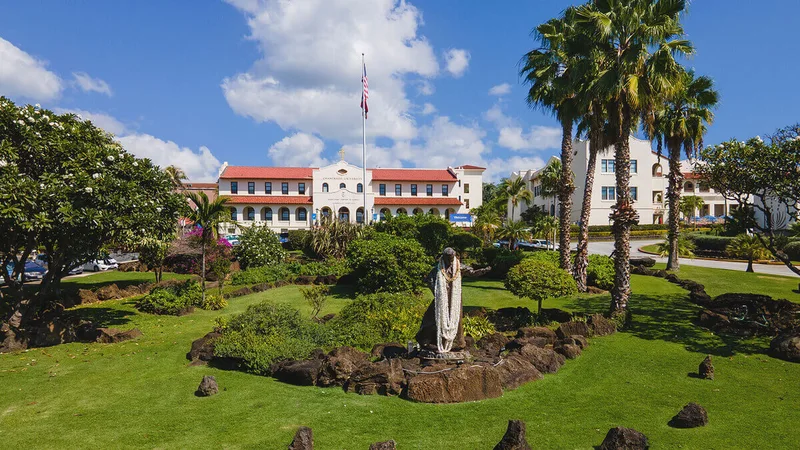
Personal faculty access, service-focused learning and PacWest competition appeal to athletes seeking a small Honolulu campus.
A Christian community, reachable faculty and professional programs appeal to athletes seeking competitive athletics and personal connection.
Career-focused academics, student support and Sunshine State Conference competition give athletes several reasons to consider Lynn.
A faith-centered community and approachable faculty give athletes a personal setting for pursuing academics and competitive sports.
Athletes choose a faith-centered community, career-focused academics and Lone Star Conference competition with Oklahoma City opportunities nearby.
Competitive athletics, approachable faculty and a Christian campus community give recruits clear reasons to consider this school.
Three ways to start
Pick the option that matches where you are, and we will show you the plan that fits.
Resources