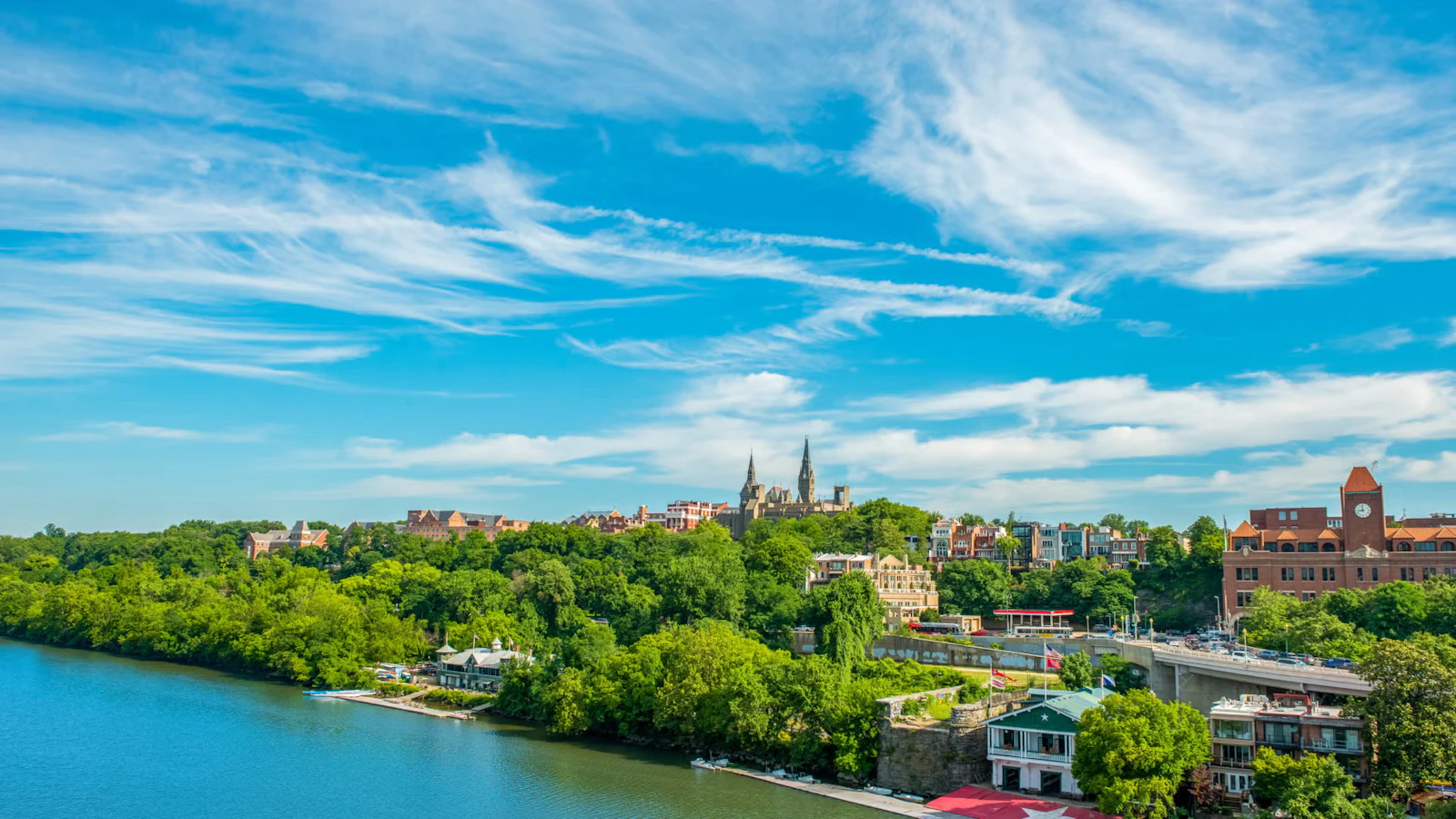
Columbia University in the City of New York
New York, NY
Why it is similar: Same conference and state.Ivy League competition, demanding academics and New York City opportunities appeal to athletes with broad ambitions.
Browse programs
College directoryEvery program, filtered by what fits Sport directoryMen's and women's, every division State directoryPrograms in the states you would play inGo deeper
Major directoryYour major and your sport in one list Camp directoryID camps and showcases at college programs Conference directoryEvery conference and its member colleges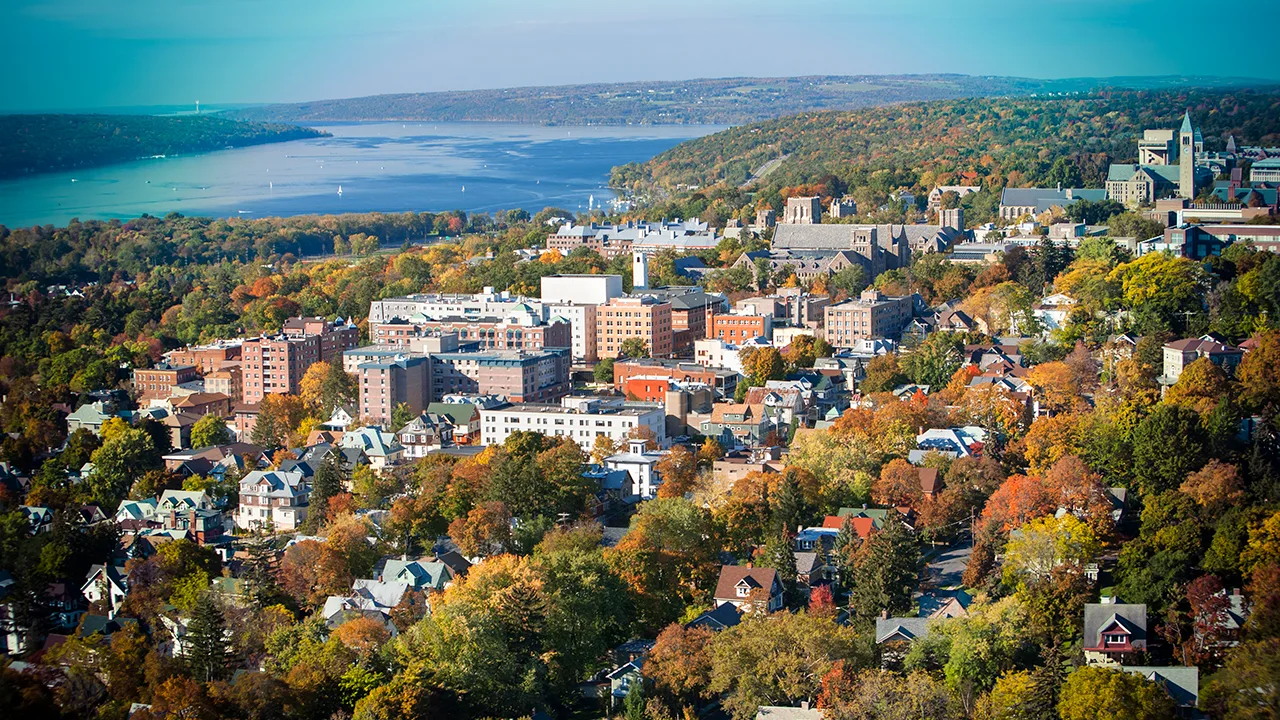

One plan built for Cornell University Softball, with the roster read, the coach's contact and a dated plan, delivered within 24 hours. An expert checks every plan.
Overview
Key facts about the Cornell University softball team.
Cornell University runs a softball team in Ithaca, New York, competing in the Ivy League at the Division I level. Its best record in five seasons, 21-22, came in 2026. Roster continuity is a strength, as 94% of last season's non-seniors are back, above the 81% median among Division I softball teams.
Jan Rock Zubrow '77 Head Coach of Softball
players a season
Fit check
Pick your position and level, add a test score if you have one, and get an instant read on your chances here. Free, and no account needed.
Coaching staff
Head coach
Tara SmithJan Rock Zubrow '77 Head Coach of SoftballRoster
The roster by class
21 players on the latest roster (2027).
Roster openings after 2026-27
Pitcher 1 · Catcher 1 · Infielder 1 · Outfielder 1 · Utility/Designated Hitter 1
See who you would be replacingContinuity is a strength, with 94% of last season's non-seniors back, ahead of the 81% median among Division I softball teams. Players who stay tend to build roles, so newcomers may need patience.
Positions
How many players a season the program carries at each position, and how tall they are.
Average height 5'10"
Average height 5'6"
Average height 5'6"
Average height 5'7"
Average height 5'7"
This squad carries more utility players and designated hitters than most Division I softball teams, 22% of the roster compared with 10%, and carries fewer infielders than most teams, 19% of the roster compared with 29%.
Transfers
transfers in for 2026-27
transfers out
Footprint
Where the players are from
Counted from players on recent rosters with a known hometown.
Top home states
The staff draws more players from California, 41% of the roster, than from New York, its home state, and has drawn three of its five newest players from California.
Results
Swipe to see every season
2022
43%17-23overall
7-14conference
2023
38%16-26overall
9-12conference
2024
22%8-29overall
5-16conference
2025
42%16-22overall
6-15conference
2026
49%21-22overall
8-13conference
Of the last five seasons, 2026 ranks first by win rate, a 21-22 finish. At the same time, not one of the last five seasons has finished above .500, and the win rate over that run is 39%.
Standings
Where Cornell University stands in the The Ivy League.
Schedule and travel
The season's games, home and away, and how far the team travels.
Recruiting
Cornell softball is a competitive NCAA Division I program in the Ivy League with an established conference-title history and a 2026 roster that includes athletes from multiple strong softball regions. The program is competitive for roster opportunities, while its Ivy League academic standards mean recruits must be prepared to meet both athletic and academic expectations.
Recruiting difficulty
Cornell offers a competitive Ivy League Division I environment where most roster opportunities require strong recruiting credentials, position fit, and academic preparation.
What coaches value
How to get recruited here
Build a complete recruiting profile with verified athletic metrics, competitive game film, and recent offensive, defensive, or pitching data. Contact the staff with a concise introduction, academic information, schedule, and position fit, while showing that Cornell's academic standards and Ivy League environment are a strong match.
How hard is it to make the team
Making Cornell's softball team is difficult because it is an NCAA Division I program competing in the Ivy League, with a roster built across several recruiting classes and specialized positions. Athletes typically need Division I-level tools, dependable performance against strong competition, and the academic profile to succeed at Cornell.
Who fits this program
Videos
Program stats
Athletes on the roster
Coaches on staff
Spent per athlete
Spending and revenue a year
Revenue covers everything the program spends.
Source: the federal Equity in Athletics report, 2025.
The school
Cornell University pairs demanding research-oriented academics with broad professional options, making academic preparation, major selection and the balance between coursework and athletic commitments central to evaluating your fit here.
Cornell UniversityIthaca, New YorkSee the full profile Acceptance rate
Graduation rate
Official links
Similar programs
Programs at a similar level, with similar academics, worth adding to your recruiting list.
New York, NY
Why it is similar: Same conference and state.Ivy League competition, demanding academics and New York City opportunities appeal to athletes with broad ambitions.
Demanding academics, Ivy League competition and residential college communities give athletes reasons to pursue Yale.
Rigorous liberal arts study, close faculty relationships and competitive athletics appeal to recruits seeking a demanding college experience.
Competitive athletics, Washington internships and a Jesuit educational tradition attract athletes with strong academic ambitions.
Strong academics, research opportunities and an active residential campus give athletes reasons to look beyond their sport.
Competitive athletics, business-focused academics and New York City career access give recruits distinct reasons to consider Fordham.
Teams in New York
Vestal, NY
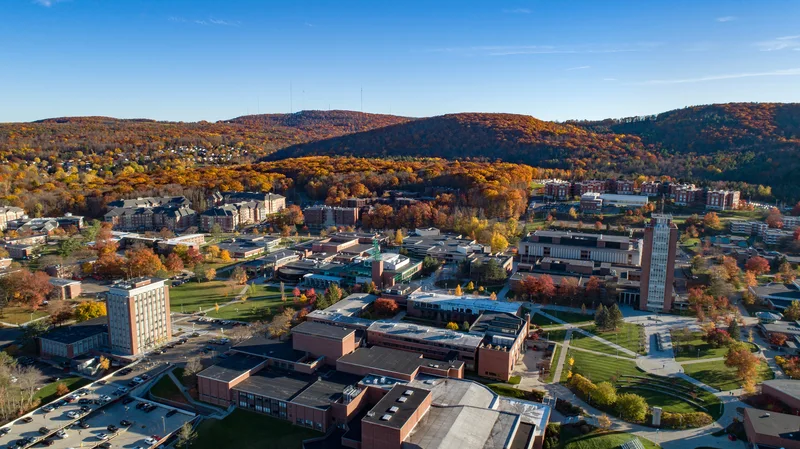
Strong academics, research opportunities and an active residential campus give athletes reasons to look beyond their sport.
Buffalo, NY
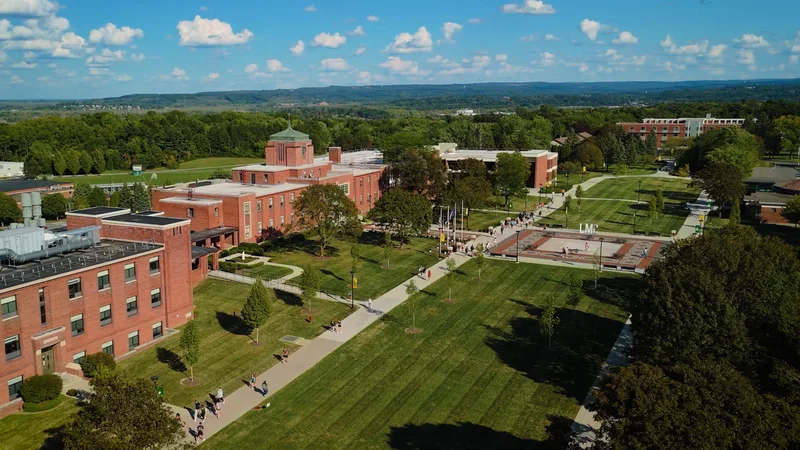
Close faculty access and career-focused academics give athletes a personal foundation for balancing Division I competition.
Hamilton, NY
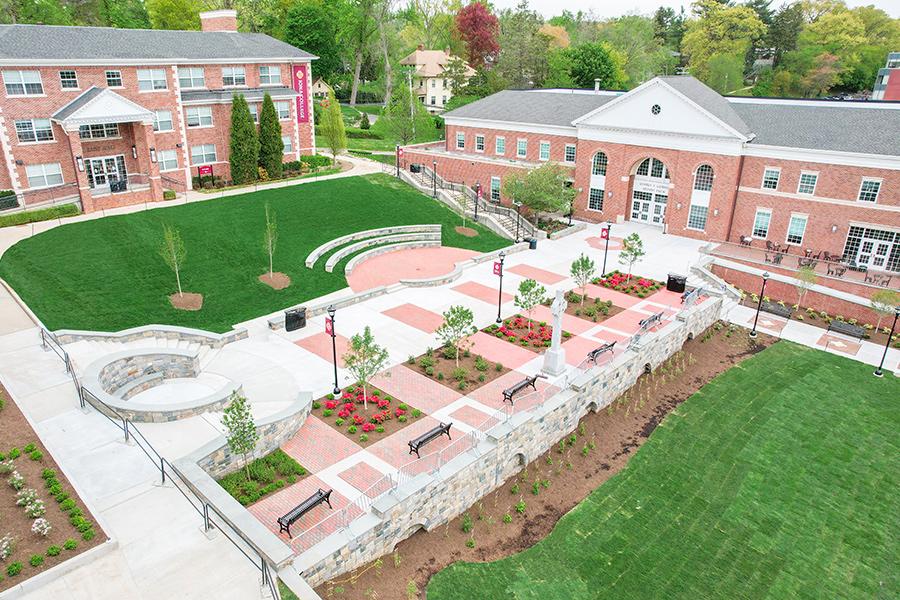
Rigorous liberal arts study, close faculty relationships and competitive athletics appeal to recruits seeking a demanding college experience.
New York, NY
Ivy League competition, demanding academics and New York City opportunities appeal to athletes with broad ambitions.
New York, NY
Competitive athletics, business-focused academics and New York City career access give recruits distinct reasons to consider Fordham.
Hempstead, NY
Competitive athletics, professional programs and nearby New York City give recruits several reasons to consider this campus.
New Rochelle, NY
Athletes come for competitive athletics, a close-knit community and career preparation connected to nearby New York City.
Syracuse, NY
A small college community, accessible admissions and career-focused academics complement the demands of Division I competition.
Brooklyn, NY
Career-focused study, accessible admissions and New York professional connections complement the demands of Division I competition.
Riverdale, NY
Athletes choose a small-campus community that pairs competitive athletics with career-focused study and New York City opportunities.
Poughkeepsie, NY
Competitive athletics, career-focused academics and a residential Hudson River setting give recruits distinct reasons to consider studying here.
Lewiston, NY
A close-knit campus and career-focused learning give athletes a personal setting for pursuing demanding competition.
Roster openings · 2026-27
Every program ranked by players in their final year, with the positions they are losing.
Three ways to start
Pick the option that matches where you are, and we will show you the plan that fits.
Resources