

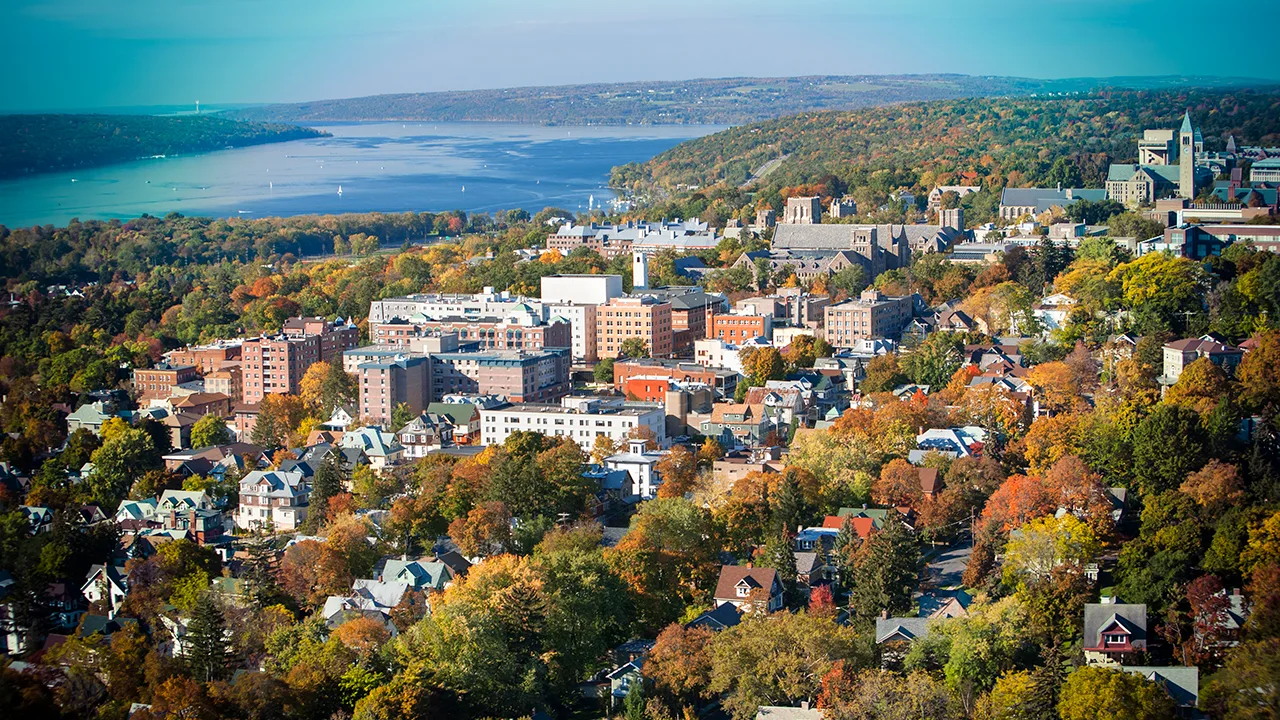
Close faculty relationships and a tight-knit community appeal to athletes balancing demanding academics with Ivy League competition.
NCAA Division IThe Ivy LeagueNew York

Cornell University Baseball
One plan built for Cornell University Baseball, with the roster read, the coach's contact and a dated plan, delivered within 24 hours. An expert checks every plan.
- 37
- Roster
- 18%
- In-state
Overview
Cornell University Baseball Team Details
Key facts about the Cornell University baseball team.
From its campus in Ithaca, New York, Cornell University competes in Division I baseball as a member of the Ivy League. Roster continuity is a strength, as 97% of last season's non-seniors are back, above the 61% median among Division I baseball teams. Over five seasons it has a 33% winning percentage, in the bottom 10% among Division I baseball teams.
NCAA Division IThe Ivy LeagueNew York
- Head coach
- Dan Pepicelli
- Home venue
- Booth Field
- Average roster
- 37
- Five-year win rate
- 33%
Ted Thoren Head Coach of Baseball
players a season
Fit check
Do You Fit at Cornell University?
Pick your position and level, add a test score if you have one, and get an instant read on your chances here. Free, and no account needed.
Coaching staff
Get on This Staff's Radar
Head coach
Dan PepicelliTed Thoren Head Coach of BaseballEmail●●●●●●@●●●●.edu
Phone(●●●) ●●●-●●●●
Roster
Roster Breakdown
The roster by class
9FreshmenFr.
11SophomoresSo.
9JuniorsJr.
11SeniorsSr.
40 players on the latest roster (2026).
Roster continuity stands out, since 97% of last season's non-seniors returned, ahead of the 61% median among Division I baseball teams. Few players transfer in, with 3% of the roster coming from another college, versus a median of 35% among Division I baseball teams. A recruit should expect returning players to hold an edge for playing time.
Positions
Baseball Roster by Position
How many players a season the program carries at each position, and how tall they are.
Pitcher
19.3players a season
Average height 6'2"
Catcher
4players a season
Average height 5'11"
Infielder
8.3players a season
Average height 6'1"
Outfielder
5.7players a season
Average height 6'1"
Footprint
Where This Team Recruits
Where the players are from
112players
In-state17.9%
Other US states82.1%
International0%
Counted from players on recent rosters with a known hometown.
Top home states
New York18%
Virginia13%
Massachusetts11%
California10%
New Jersey9%
Recruiting reaches far past New York, which accounts for just 18% of the roster versus 40% for the median team among Division I baseball teams.
Results
Cornell University Baseball Recent Results
Swipe to see every season
2022
31%11-25overall
5-16conference
2023
26%9-26overall
8-13conference
Best season
2024
45%17-21overall
11-10conference
2025
35%12-22overall
7-14conference
Latest
2026
30%11-26overall
8-13conference
A winning percentage of 33% over the last five seasons ranks in the bottom 10% among Division I baseball teams, behind the 49% median.
Standings
The Ivy League Standings
Where Cornell University stands in the The Ivy League.
Schedule and travel
Baseball Schedule
The season's games, home and away, and how far the team travels.
Recruiting
Recruiting Outlook
Cornell baseball is a competitive NCAA Division I program in the Ivy League, where roster spots generally go to players with strong academic profiles and proven performance against advanced competition. The program has won multiple Ivy League championships and made two NCAA Tournament appearances, including an Ivy League Tournament appearance in 2024, but it is not consistently positioned as a national elite program.
Ivy League Division I competitionTwo NCAA Tournament appearancesRecent Ivy League Tournament experience
Recruiting difficulty
60/ 100Hard
OpenCompetitiveSelectiveElite
Cornell is a competitive Ivy League program with limited roster opportunities, but its current profile leaves room for well-rounded recruits who can contribute in specific roles.
What coaches value
- Reliable defensive execution, especially at shortstop, catcher, and center-field positions
- Pitchers with command, repeatable mechanics, and the ability to handle college workloads
- Competitive at-bats, strike-zone control, and situational hitting
- Academic preparation and maturity to manage Ivy League demands alongside baseball
How to get recruited here
Build a complete recruiting profile that includes verified academic information, a concise skills video, measurable data, and full-game footage. Contact the staff early, explain why Cornell fits your academic and baseball goals, and compete regularly against strong travel-ball or high school competition so your performance can be evaluated in context.
How hard is it to make the team
Making Cornell baseball is difficult because it is an Ivy League Division I program with a large pool of academically qualified recruits and limited playing opportunities. A realistic candidate typically needs college-level defensive ability, reliable pitching or offensive tools, and the academic credentials to meet Cornell's admission standards.
Who fits this program
- Baseball players seeking competitive Division I Ivy League play
- Athletes prepared to balance demanding academics with team commitments
- Students preferring a large rural campus in Ithaca
- Players bringing proven performance against advanced competition
Videos
Cornell University Baseball Videos
Program stats
The Program by the Numbers
37
Athletes on the roster
5
Coaches on staff
$4,968
Spent per athlete
Spending and revenue a year
Spending$810,915
Revenue$810,915
Revenue covers everything the program spends.
With 37 athletes and five coaches in the 2025 EADA report, the staff works out to roughly seven athletes per coach, against a median of 10 among Division I baseball teams. The program puts roughly $6,000 per athlete into operations in the same report, about 41% below the Division I median.
Source: the federal Equity in Athletics report, 2025.
Feeders
Top Feeder Schools and Clubs
The high schools and clubs that sent the most players to this roster.
1Bethesda-Chevy Chase High2 players on recent rosters
2Deerfield Academy2 players on recent rosters
3East Ridge High School2 players on recent rosters4Lake Braddock Secondary2 players on recent rostersSeveral pipelines feed this roster, with four sources each placing at least two players, Bethesda-Chevy Chase High among them.
The school
School Environment
Cornell University pairs demanding research-oriented academics with broad professional options, making academic preparation, major selection and the balance between coursework and athletic commitments central to evaluating your fit here.
Cornell UniversityIthaca, New YorkSee the full profile 9%
Acceptance rate
95%
Graduation rate
- Undergraduates
- 16,128
- Net price a year
- $28,690
- Earnings after ten years
- $104,043
Official links
Official Cornell University Baseball Links
Similar programs
Similar Baseball Teams
Programs at a similar level, with similar academics, worth adding to your recruiting list.


Academic flexibility, close faculty access and Ivy League competition draw athletes who want substantial challenges beyond their sport.
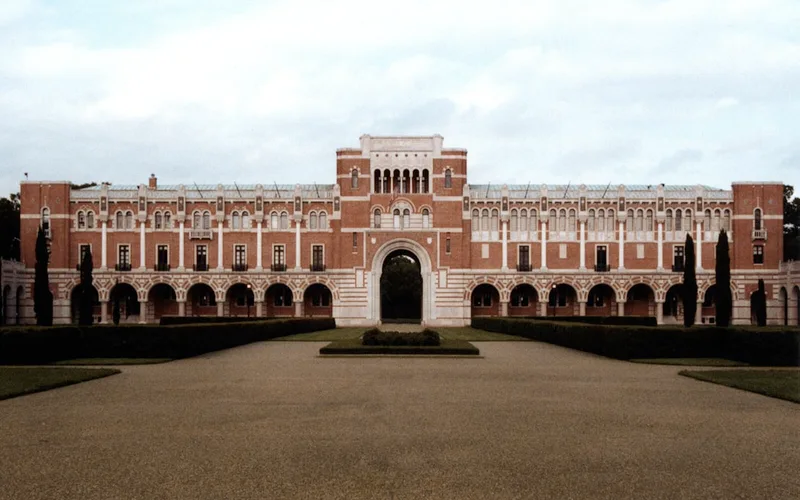

Challenging academics, close faculty connections and a residential college community complement the demands of Division I competition.


Big Ten competition, demanding academics and access to Chicago appeal to athletes with ambitious goals beyond sports.


Competitive athletics, business-focused academics and New York City career access give recruits distinct reasons to consider Fordham.
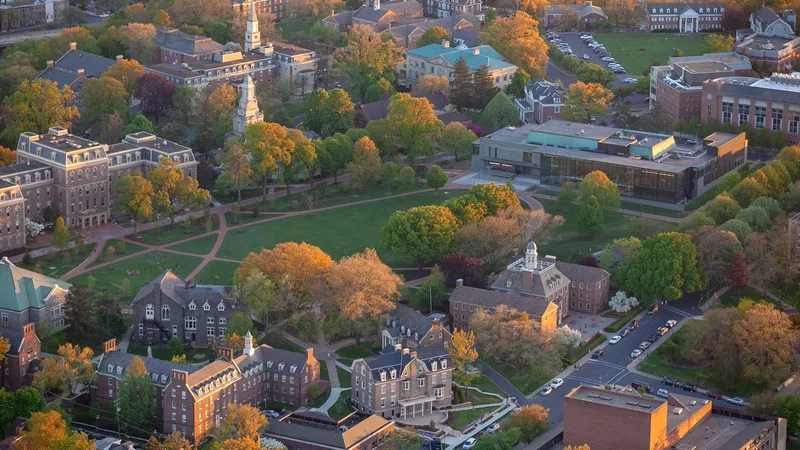

Close faculty relationships and residential community complement strong academics and competitive Patriot League athletics.
Teams in New York
More Baseball Teams in New York

Binghamton University
Vestal, NY
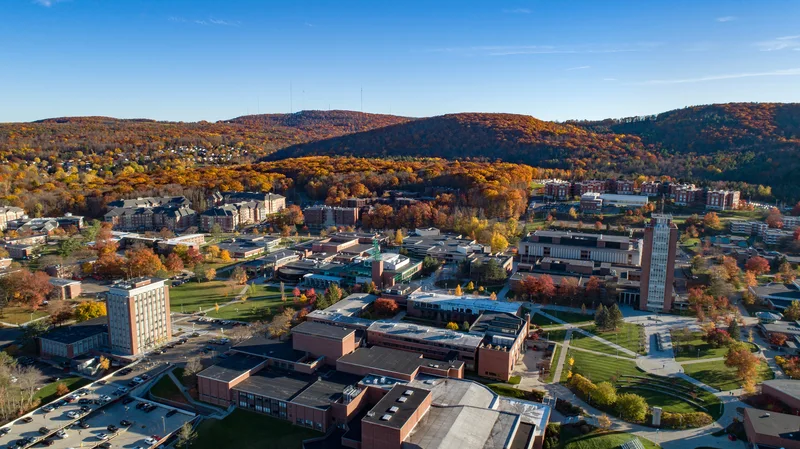
Strong academics, research opportunities and an active residential campus give athletes reasons to look beyond their sport.


Canisius University
Buffalo, NY
Close faculty access and career-focused academics give athletes a personal foundation for balancing Division I competition.


Columbia University in the City of New York
New York, NY
Ivy League competition, demanding academics and New York City opportunities appeal to athletes with broad ambitions.
Fordham University
New York, NY
Competitive athletics, business-focused academics and New York City career access give recruits distinct reasons to consider Fordham.


Hofstra University
Hempstead, NY
Competitive athletics, professional programs and nearby New York City give recruits several reasons to consider this campus.
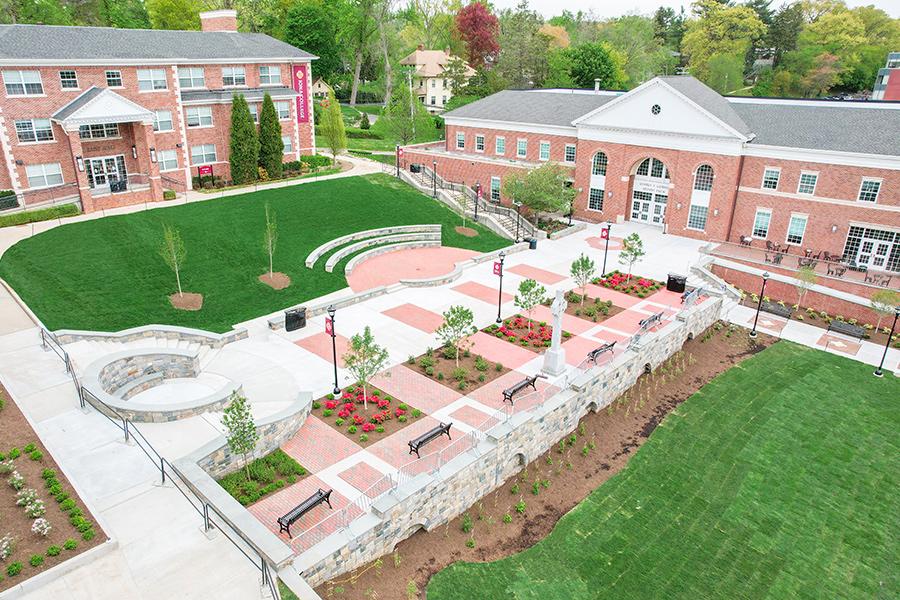

Iona University
New Rochelle, NY
Athletes come for competitive athletics, a close-knit community and career preparation connected to nearby New York City.
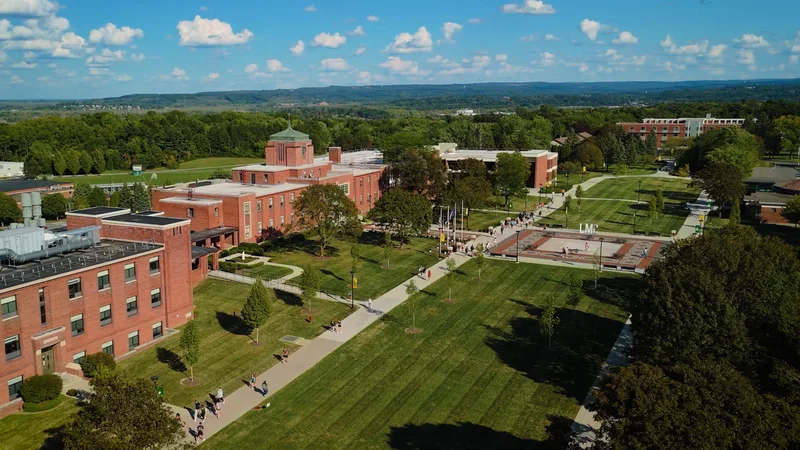

Le Moyne College
Syracuse, NY
A small college community, accessible admissions and career-focused academics complement the demands of Division I competition.


Long Island University
Brooklyn, NY
Career-focused study, accessible admissions and New York professional connections complement the demands of Division I competition.


Manhattan University
Riverdale, NY
Athletes choose a small-campus community that pairs competitive athletics with career-focused study and New York City opportunities.


Marist University
Poughkeepsie, NY
Competitive athletics, career-focused academics and a residential Hudson River setting give recruits distinct reasons to consider studying here.


Niagara University
Lewiston, NY
A close-knit campus and career-focused learning give athletes a personal setting for pursuing demanding competition.


Siena University
Loudonville, NY
A close-knit residential community and strong business programs complement competitive athletics and access to Albany's career opportunities.
Roster openings
Which D1 Baseball programs have the most roster spots opening up?
Every program ranked by players in their final year, with the positions they are losing.
10.2players leaving per program, on average
See the programs Three ways to start
Where are you in the search?
Pick the option that matches where you are, and we will show you the plan that fits.
Recruiting Plan
Your 20 to 25 best-fit schools, picked for you.



- Starter: the list, fit reads, real costs and a dated timeline
- Complete: adds roster reads and coach emails for every school
$99 or $249Starter or Complete, one time
Build my plan
Roster Report
The roster at your position, at the schools you pick.


- Who is graduating at your position, class year by class year
- Where spots are likely to open, in plain words
From $193, 8 or 15 schools
Choose my schools
School Plan
One school, covered end to end.
- Your honest odds, the roster and the verified coach
- Intro email, three follow-ups, admissions steps and timeline
$49One school, one time
Pick my school Resources