Winter ID Camp
- Mar 29, 2026
- Baker Athletics Complex — Inside Rocco B. Commisso Soccer Stadium Bubble, 533 W 218th St, New York, NY 10034
- $200
One-day ID camp for high school players featuring training sessions and college discussions.
Browse programs
College directoryEvery program, filtered by what fits Sport directoryMen's and women's, every division State directoryPrograms in the states you would play inGo deeper
Major directoryYour major and your sport in one list Camp directoryID camps and showcases at college programs Conference directoryEvery conference and its member collegesOne plan built for Columbia University in the City of New York Men's Soccer, with the roster read, the coach's contact and a dated plan, delivered within 24 hours. An expert checks every plan.
Overview
Key facts about the Columbia University in the City of New York men's soccer team.
In New York, New York, Columbia University in the City of New York competes in Division I men's soccer through the Ivy League. The most room for the Class of 2027 is among defenders, with three leaving after the 2026-27 season, followed by two midfielders. It climbed from 1-12-1 in 2024 to 3-8-4 in 2025.
Head Coach
players a season
Fit check
Pick your position and level, add a test score if you have one, and get an instant read on your chances here. Free, and no account needed.
Coaching staff
Head coach
Michael CasperHead CoachRoster
The roster by class
26 players on the latest roster (2026).
Roster openings after 2026-27
Defender 3 · Midfielder 2
After the 2026-27 season, three defenders will leave, the largest group of departures by position, followed by two midfielders. Players at those positions have the clearest chance to step into new roles.
See who you would be replacingRoster continuity stands out, since 86% of last season's non-seniors returned, ahead of the 69% median among Division I men's soccer teams. Stable rosters tend to reward players already in the program, which matters for a newcomer's path to minutes.
Positions
How many players a season the program carries at each position, and how tall they are.
Average height 6'2"
Average height 6'0"
Average height 5'11"
Average height 6'1"
Midfielders are a larger part of this roster than usual, at 45% versus 34% for the average Division I men's soccer team.
Transfers
transfers in for 2026-27
transfers out
Footprint
Where the players are from
Counted from players on recent rosters with a known hometown.
Top home states
Recruiting reaches far past New York, which accounts for just 12% of the roster versus 23% for the median team among Division I men's soccer teams.
Results
Swipe to see every season
2021
22%1-10-5overall
0-4-3conference
2022
25%1-9-6overall
0-3-4conference
2023
29%2-8-4overall
0-5-2conference
2024
11%1-12-1overall
1-5-1conference
2025
33%3-8-4overall
1-5-1conference
Against a median of 51% among Division I men's soccer teams, this team has a 24% winning percentage over five seasons. From 1-12-1 in 2024 to 3-8-4 in 2025, the results improved by 23 points of winning percentage.
Standings
Where Columbia University in the City of New York stands in the The Ivy League.
Schedule and travel
The season's games, home and away, and how far the team travels.
Recruiting
Columbia men's soccer competes in NCAA Division I within the Ivy League, a strong conference with demanding academic and athletic standards. The program's recent season was challenging, so it is not currently best described as an elite national contender, but earning a roster place still requires a high-level technical profile, strong tactical understanding, and a realistic fit with Columbia's admissions requirements.
Recruiting difficulty
Columbia is competitive and academically selective, with recruited players likely making up most roster places even though recent results suggest a more attainable profile than an elite national contender.
What coaches value
How to get recruited here
Build a concise recruiting profile with full-match film, position-specific highlights, academic information, and a competitive schedule. Contact the men's soccer staff early, explain your Columbia academic fit, and share measurable development in technical skill, tactical role, athletic testing, and high-level club or academy competition.
How hard is it to make the team
Making Columbia's men's soccer team is difficult because it is an NCAA Division I Ivy League program with limited roster opportunities and demanding admissions standards. The recent competitive context may make the program more approachable than a current national contender, but athletes should still expect to compete at a strong club or academy level and demonstrate clear value in a specific position.
Who fits this program
Videos
Program stats
Athletes on the roster
Coaches on staff
Spent per athlete
Spending and revenue a year
Revenue covers everything the program spends.
Staffing is deeper per athlete than usual, as 29 athletes share four coaches in the 2025 EADA report, around seven athletes per coach versus a median of nine among Division I men's soccer teams. Operating spending per athlete runs low, at about $3,300 in the same report, about 41% below the Division I median.
Source: the federal Equity in Athletics report, 2025.
Feeders
The high schools and clubs that sent the most players to this roster.
The Shipley School is the one clear pipeline, with three players across recent rosters and no other source close.
The school
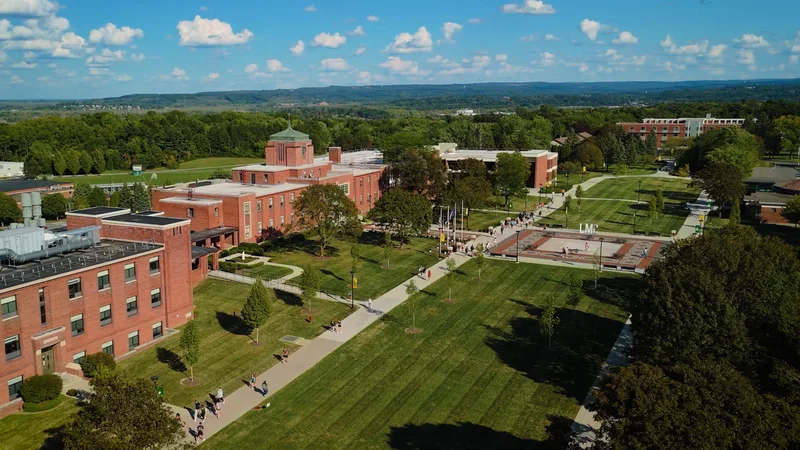
At Columbia University in the City of New York, strengths in economics, engineering and the sciences shape an academic experience defined by demanding coursework, close faculty access and strong graduate outcomes.
Acceptance rate
Graduation rate
Camps
New camp dates are not posted yet. These ran last season.
One-day ID camp for high school players featuring training sessions and college discussions.
Two-day summer ID camp for high school and transfer players (showcase + training).
Official links
Similar programs
Programs at a similar level, with similar academics, worth adding to your recruiting list.
Close faculty relationships and a tight-knit community appeal to athletes balancing demanding academics with Ivy League competition.
Academic flexibility, close faculty access and Ivy League competition draw athletes who want substantial challenges beyond their sport.
Rigorous liberal arts study, close faculty relationships and competitive athletics appeal to recruits seeking a demanding college experience.
Strong career outcomes and a residential community appeal to athletes ready for demanding academics and Division I competition.
Athletes choose this historic university for demanding academics, Division I competition and a close campus community.
Co-op experience, demanding academics and Boston opportunities appeal to athletes with clear competitive and career goals.

Teams in New York
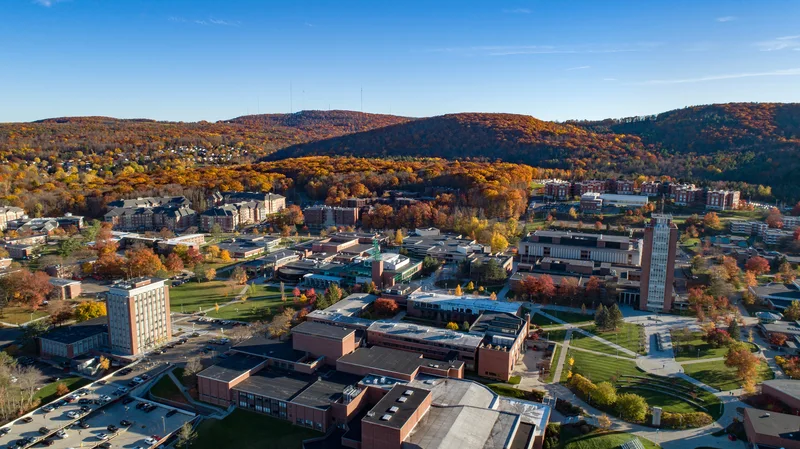
Vestal, NY
Strong academics, research opportunities and an active residential campus give athletes reasons to look beyond their sport.
Buffalo, NY
Close faculty access and career-focused academics give athletes a personal foundation for balancing Division I competition.
Hamilton, NY
Rigorous liberal arts study, close faculty relationships and competitive athletics appeal to recruits seeking a demanding college experience.
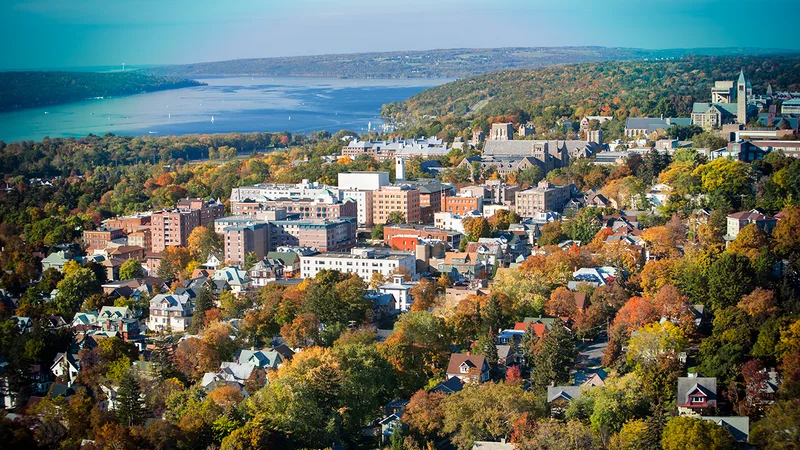
Ithaca, NY
Ivy League competition, research opportunities and a residential campus appeal to athletes seeking an academically demanding experience.
New York, NY
Competitive athletics, business-focused academics and New York City career access give recruits distinct reasons to consider Fordham.
Hempstead, NY
Competitive athletics, professional programs and nearby New York City give recruits several reasons to consider this campus.
New Rochelle, NY
Athletes come for competitive athletics, a close-knit community and career preparation connected to nearby New York City.
Syracuse, NY
A small college community, accessible admissions and career-focused academics complement the demands of Division I competition.
Brooklyn, NY
Career-focused study, accessible admissions and New York professional connections complement the demands of Division I competition.
Riverdale, NY
Athletes choose a small-campus community that pairs competitive athletics with career-focused study and New York City opportunities.
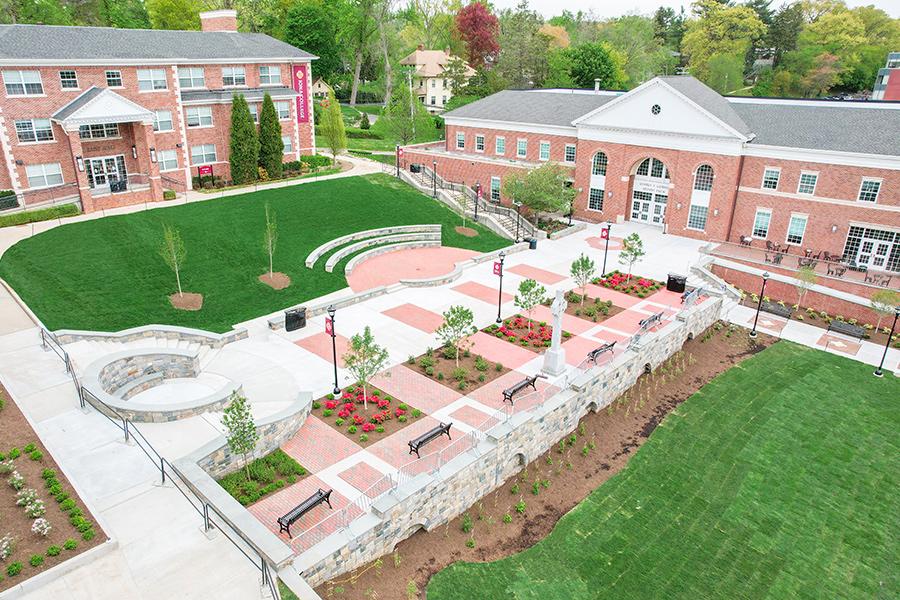
Poughkeepsie, NY
Competitive athletics, career-focused academics and a residential Hudson River setting give recruits distinct reasons to consider studying here.
Lewiston, NY
A close-knit campus and career-focused learning give athletes a personal setting for pursuing demanding competition.
Roster openings · 2026-27
Every program ranked by players in their final year, with the positions they are losing.
Three ways to start
Pick the option that matches where you are, and we will show you the plan that fits.
Resources