

Peach Belt competition, career-focused academics and relatively affordable tuition make this an appealing option for recruits.
NCAA Division IIPeach Belt ConferenceGeorgia

Clayton State University Women's Track & Field
One plan built for Clayton State University Women's Track & Field, with the roster read, the coach's contact and a dated plan, delivered within 24 hours. An expert checks every plan.
- 23
- Roster
- 79%
- In-state
Overview
Clayton State University Women's Track & Field Team Details
Key facts about the Clayton State University women's track & field team.
In Morrow, Georgia, Clayton State University competes in Division II women's track and field through the Peach Belt Conference. Only 55% of last season's non-seniors returned, which marks high turnover among Division II women's track and field teams. It spends around $300 per athlete on operations in the 2025 EADA report, about a third of the Division II median.
NCAA Division IIPeach Belt ConferenceGeorgia
- Head coach
- Chris Brown, OLY
- Home venue
- Athletics Center
- Average roster
- 23
Head Track & Field Coach
players a season
Fit check
Do You Fit at Clayton State University?
Pick your position and level, add a test score if you have one, and get an instant read on your chances here. Free, and no account needed.
Coaching staff
Get on This Staff's Radar
Head coach
Chris Brown, OLYHead Track & Field CoachEmail●●●●●●@●●●●.edu
Phone(●●●) ●●●-●●●●
Roster
Roster Breakdown
The roster by class
9FreshmenFr.
4SophomoresSo.
7JuniorsJr.
6SeniorsSr.
26 players on the latest roster (2025-26).
Just 55% of last year's freshmen, sophomores and juniors are back on the roster, below the 75% median among Division II women's track and field teams.
Positions
Women's Track & Field Roster by Position
How many players a season the program carries at each position, and how tall they are.
Sprints
12.7players a season
Distance
6.3players a season
Jumps
3.3players a season
Throws
1players a season
At 4% of the roster, throwers trail what the typical Division II women's track and field team carries, which is 16%.
Footprint
Where This Team Recruits
Where the players are from
70players
In-state78.6%
Other US states17.1%
International4.3%
Counted from players on recent rosters with a known hometown.
Top home states
Georgia79%
Arizona4%
Florida3%
Indiana3%
Louisiana3%
Schedule and travel
Women's Track & Field Schedule
The season's games, home and away, and how far the team travels.
Recruiting
Recruiting Outlook
Who fits this program
- Competes in a competitive NCAA Division II Peach Belt Conference
- Supports balancing academics with training and local work opportunities
- Located on a medium-sized suburban campus near Atlanta
- Designed for self-driven track athletes focused on skill growth and career prep
Program stats
The Program by the Numbers
29
Athletes on the roster
2
Coaches on staff
$248
Spent per athlete
Spending and revenue a year
Spending$52,385
Revenue$79,737
Revenue covers everything the program spends.
The program puts around $300 per athlete into operations in the 2025 EADA report, about a third of the Division II median. By the same report, the program reports about $80,000 in revenue compared with $52,000 in expenses, with revenue running 52% above spending.
Source: the federal Equity in Athletics report, 2025.
Feeders
Top Feeder Schools and Clubs
The high schools and clubs that sent the most players to this roster.
1Charles Drew HS2 players on recent rosters
2North Clayton High School2 players on recent rosters
3Opelousas Senior High School2 players on recent rosters
4West Laurens High School2 players on recent rosters
Several pipelines feed this roster, with four sources each placing at least two athletes, and that group includes Charles Drew High School.
The school
School Environment
Clayton State University pairs an accredited business college with professional programs in health and education, giving athletes practical academic options to weigh alongside course demands, faculty access and graduation outcomes.
Clayton State UniversityMorrow, GeorgiaSee the full profile 68%
Acceptance rate
40%
Graduation rate
- Undergraduates
- 5,551
- Net price a year
- $8,365
- Earnings after ten years
- $49,179
Official links
Official Clayton State University Women's Track & Field Links
Similar programs
Similar Track & Field Teams
Programs at a similar level, with similar academics, worth adding to your recruiting list.


Health-professional pathways, Peach Belt competition and in-state tuition give athletes practical reasons to consider studying here.


Accessible admissions, career-focused programs and affordability give athletes practical reasons to consider this small campus community.


Athletes choose a close-knit campus where land-grant academics, affordable tuition and conference competition shape the college experience.


Accessible admissions, career-focused academics and a close-knit rural setting give athletes practical reasons to consider competing here.


Accessible admissions, health-focused academics and a supportive campus give athletes practical reasons to consider competing here.
Teams in Georgia
More Track & Field Teams in Georgia

Emmanuel University
Franklin Springs, GA
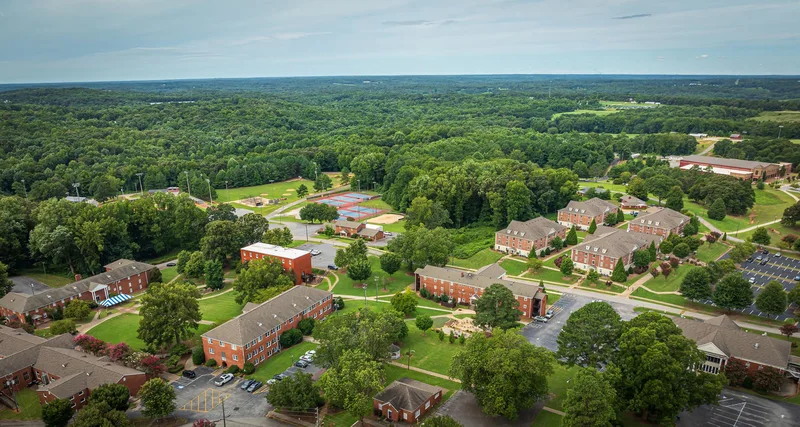
Competitive athletics, reachable faculty and a close-knit rural community give recruits several reasons to consider studying here.


Shorter University
Rome, GA
A faith-centered community and approachable faculty give athletes a personal setting for pursuing academics and competitive sports.


University of North Georgia
Dahlonega, GA
Affordable tuition, competitive athletics and a leadership-focused campus give recruits practical reasons to consider this university.


Young Harris College
Young Harris, GA
Personal faculty attention, mountain surroundings and Division II competition appeal to athletes seeking a close-knit college.


Albany State University
Albany, GA
Athletes choose an HBCU community that combines competitive athletics, career-focused study and an affordable college experience.
Augusta University
Augusta, GA
Health-professional pathways, Peach Belt competition and in-state tuition give athletes practical reasons to consider studying here.

Clark Atlanta University
Atlanta, GA
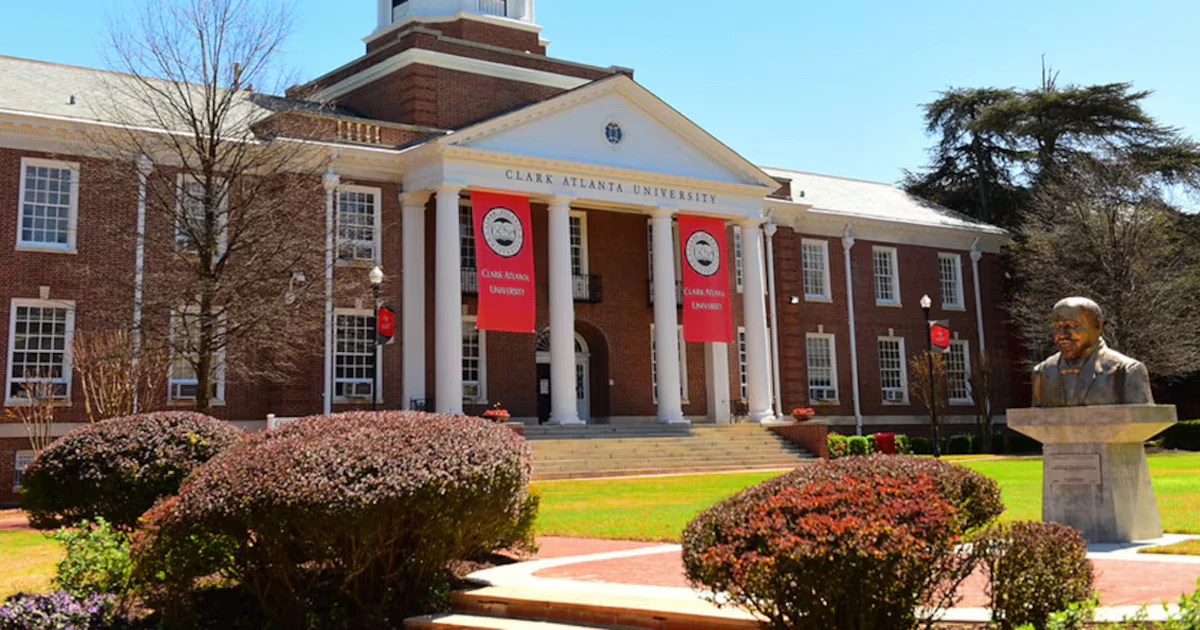
Athletes can combine conference competition with an HBCU community, shared academic resources and life in Atlanta.
Columbus State University
Columbus, GA
Peach Belt competition, career-focused academics and relatively affordable tuition make this an appealing option for recruits.
Fort Valley State University
Fort Valley, GA
Athletes choose a close-knit campus where land-grant academics, affordable tuition and conference competition shape the college experience.
Roster openings
Which D2 Women's Track & Field programs have the most roster spots opening up?
Every program ranked by players in their final year, with the positions they are losing.
6.8players leaving per program, on average
See the programs Three ways to start
Where are you in the search?
Pick the option that matches where you are, and we will show you the plan that fits.
Recruiting Plan
Your 20 to 25 best-fit schools, picked for you.



- Starter: the list, fit reads, real costs and a dated timeline
- Complete: adds roster reads and coach emails for every school
$99 or $249Starter or Complete, one time
Build my plan
Roster Report
The roster at your position, at the schools you pick.


- Who is graduating at your position, class year by class year
- Where spots are likely to open, in plain words
From $193, 8 or 15 schools
Choose my schools
School Plan
One school, covered end to end.
- Your honest odds, the roster and the verified coach
- Intro email, three follow-ups, admissions steps and timeline
$49One school, one time
Pick my school Resources
Additional Resources
Pathley Track & Field hubRankings, divisions and programsTrack & Field recruiting timelineWhat to do each year of high schoolHow coaches evaluate college track & fieldWhat coaches look for at this levelThe track & field recruiting guideContact rules, emails and costsEvery D2 Women's Track & Field programThe full list, with filters