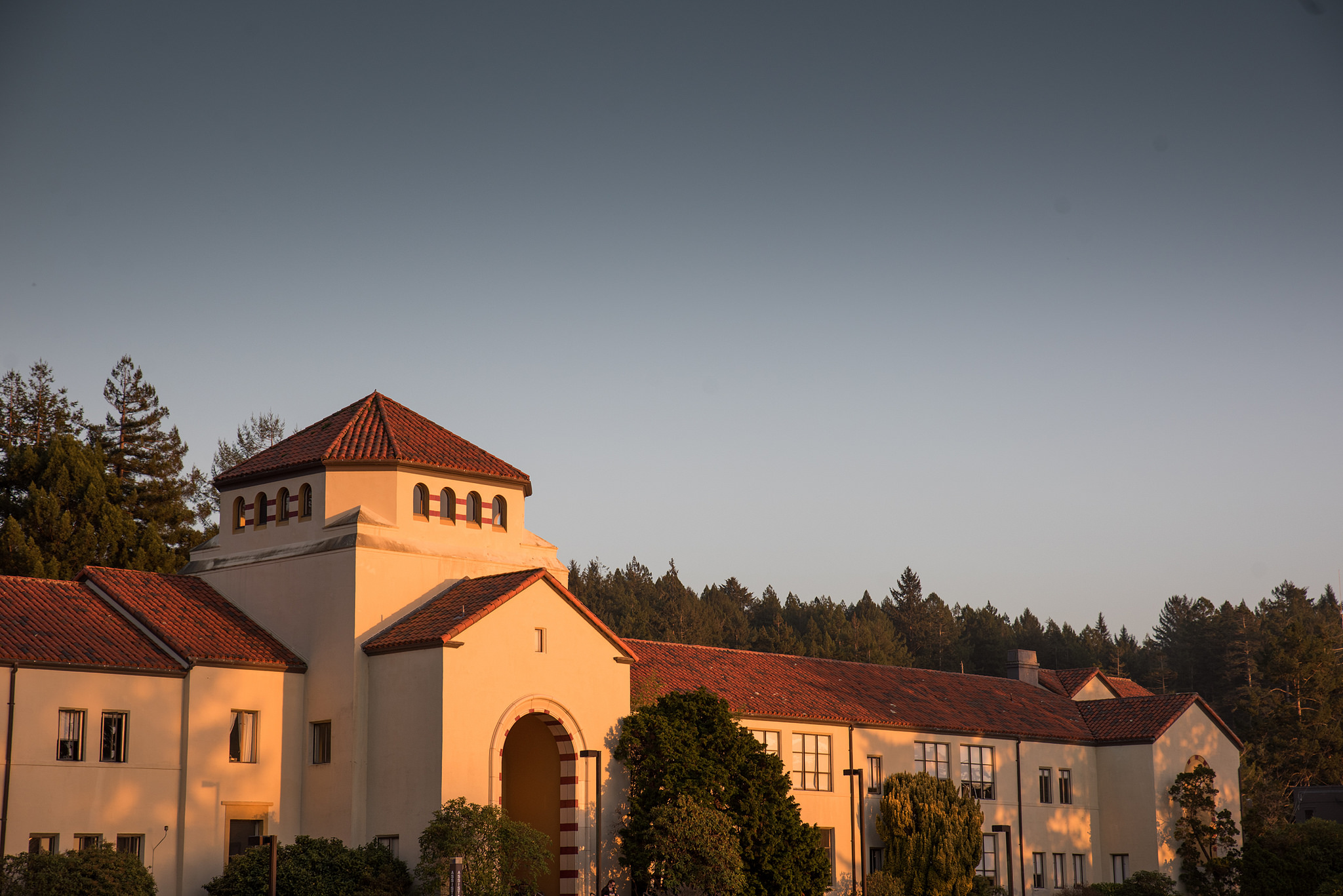
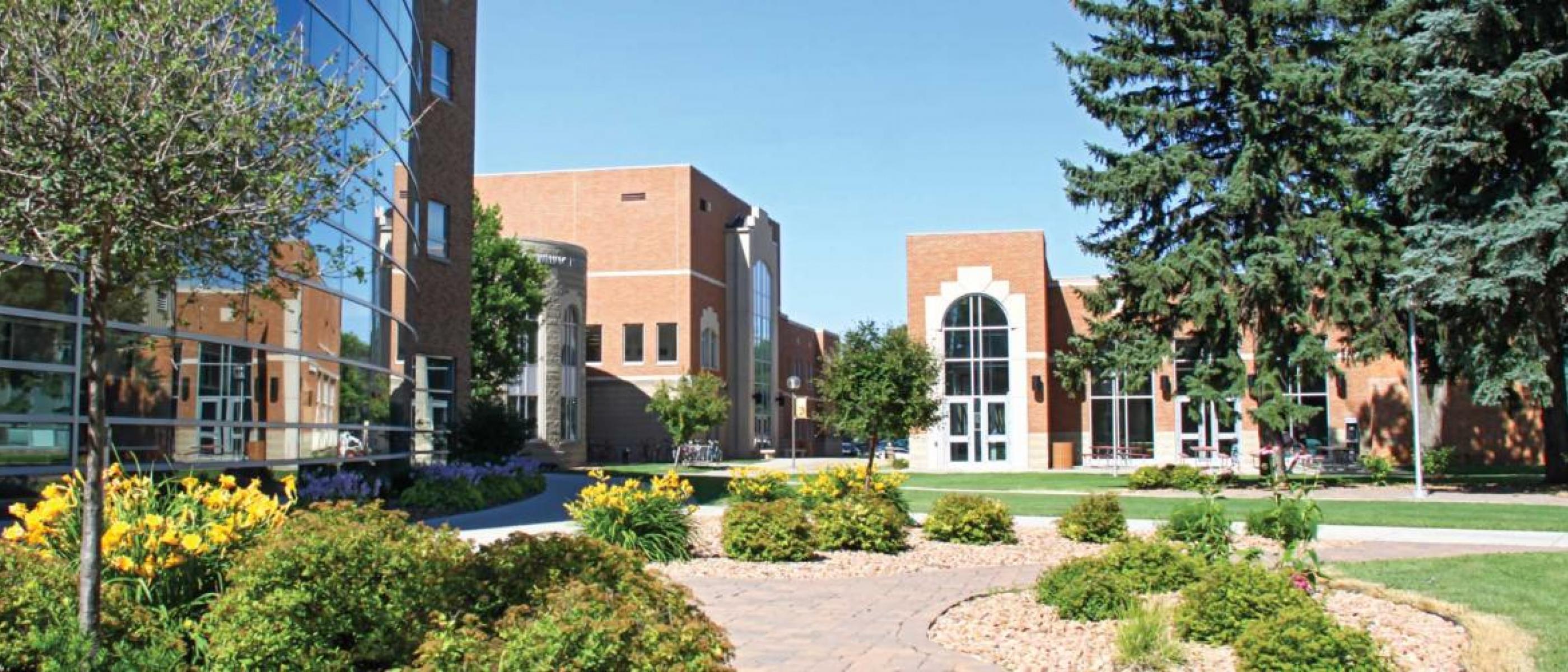
Fairmont State University
Fairmont · West Virginia · Town: Distant
Practical majors, close faculty support and relatively low costs give athletes reasons to consider this smaller campus.
- Net price after aid
- $9,032
- Total cost
- $20,018
Browse programs
College directoryEvery program, filtered by what fits Sport directoryMen's and women's, every division State directoryPrograms in the states you would play inGo deeper
Major directoryYour major and your sport in one list Camp directoryID camps and showcases at college programs Conference directoryEvery conference and its member collegesExplore the most affordable NCAA Division II men’s wrestling programs, ranked for low cost and overall value. This list helps student-athletes find competitive college wrestling opportunities that can fit their academic goals and budget.
Top of the list
25 programs ranked by Most Affordable
 Fairmont State UniversityFairmont, West Virginia$9,032Net price2

 Colorado State University PuebloPueblo, Colorado$10,051Net price3

 University of North Carolina at PembrokePembroke, North Carolina$10,260Net price
By the numbers
Every figure below is worked out from the 25 schools on this list.
The ranking
Below are NCAA Division II Men's Wrestling programs that consistently offer a lower net cost for recruits. You will see schools where financial aid, scholarships, and overall expenses line up better with budget-conscious families. Use this list to find cost-smart options that still keep you on the D2 mat.
Ranked by net price, what families pay on average after grants and scholarships, lowest first.
Fairmont · West Virginia · Town: Distant
Practical majors, close faculty support and relatively low costs give athletes reasons to consider this smaller campus.
Pueblo · Colorado · Urban
Accessible admissions, career-focused academics and affordable costs give athletes practical reasons to consider competing here.
Pembroke · North Carolina · Rural
Affordable study, faculty access and competitive Division II athletics appeal to recruits who value a close-knit community.

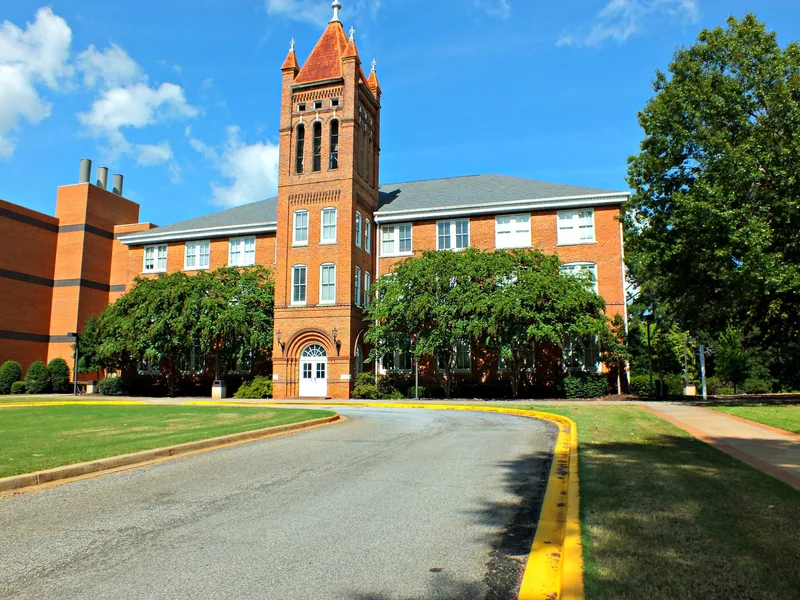
Columbia · South Carolina · Urban
A close-knit campus, historically Black identity and conference competition give athletes clear reasons to consider Allen.

Kenosha · Wisconsin · Suburban
Competitive athletics, applied learning and public university value give recruits practical reasons to consider this campus.

San Francisco · California · Urban
Athletes can combine competitive athletics with accessible admissions, in-state tuition value and San Francisco career opportunities.

Salem · West Virginia · Rural
Flexible study options and a small rural campus appeal to athletes seeking a practical college path.

Chadron · Nebraska · Rural
Affordable tuition, approachable faculty and competitive athletics draw recruits who prefer a small campus with outdoor access.

Hays · Kansas · Rural
Career-focused academics, affordable tuition and a supportive smaller community give athletes practical reasons to consider competing here.

Minot · North Dakota · Rural
A small campus, career-oriented academics and affordable tuition give athletes practical reasons to consider competing here.

Tahlequah · Oklahoma · Rural
Accessible admissions, professional pathways and affordable tuition give athletes practical reasons to pursue a place here.

Alamosa · Colorado · Rural
Accessible admissions, personal academic support and competitive athletics make this rural campus worth considering for recruits.

Arcata · California · Rural
Field-based academics, accessible admissions and outdoor recreation give athletes reasons to look beyond the playing field.

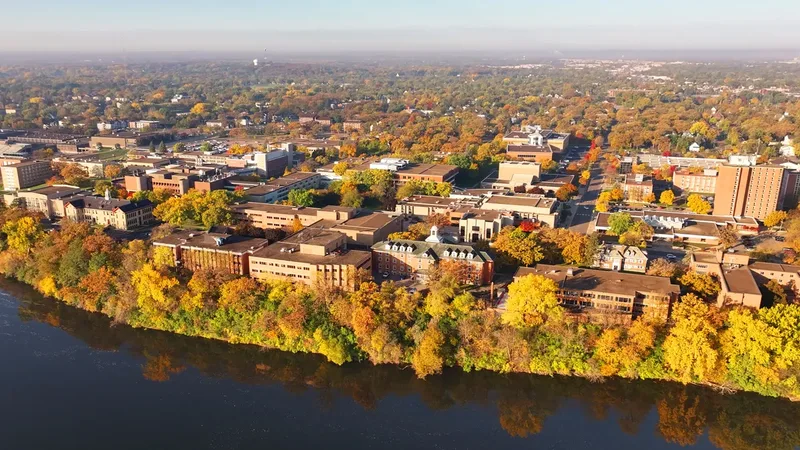
St. Cloud · Minnesota · Urban
Career-focused programs, accessible admissions and relatively affordable tuition give athletes practical reasons to consider competing here.

Bluefield · West Virginia · Rural
Career-focused programs, accessible admissions and a small campus community give athletes practical reasons to consider competing here.

Glenville · West Virginia · Rural
A small campus, career-focused academics and Mountain East competition give athletes clear reasons to consider Glenville.

Warrensburg · Missouri · Rural
Career-focused academics, competitive athletics and relatively affordable public tuition draw athletes to this residential campus.

Las Vegas · New Mexico · Suburban
Personal faculty attention, comparatively low tuition and regional competition appeal to athletes seeking a close-knit college experience.

Grand Junction · Colorado · Urban
Career-focused programs, accessible admissions and outdoor recreation give athletes practical reasons to consider competing here.

Marshall · Minnesota · Rural
Practical academics, regional affordability and a small campus appeal to athletes seeking competitive athletics in a rural community.

Greenwood · South Carolina · Town
A close-knit campus, career-focused academics and Peach Belt competition give athletes a balanced college experience.

West Liberty · West Virginia · Rural
A small campus, accessible admissions and Mountain East competition give athletes clear reasons to consider this university.

Aberdeen · South Dakota · Suburban
A small campus, scholarship opportunities and Northern Sun competition give athletes practical reasons to consider Northern State.

Kearney · Nebraska · Rural
A smaller campus, practical academics and MIAA competition give athletes a clear balance of education and sport.

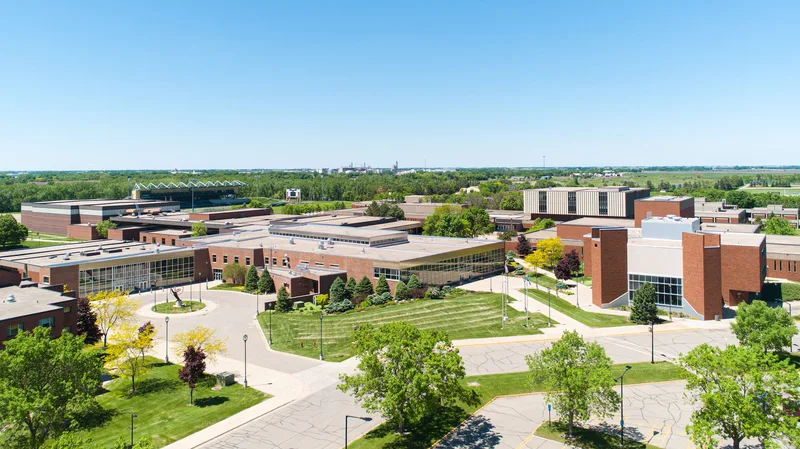
Allendale · Michigan · Suburban
Competitive athletics, career-focused majors and West Michigan internship opportunities give recruits practical reasons to consider this campus.
No school on this list is in that state.
Three ways to start
Pick the option that matches where you are, and we will show you the plan that fits.
Questions
25 programs are ranked here, from 15 states. Fairmont State University is ranked first.
West Virginia (5), Colorado (3), South Carolina (2).
The average acceptance rate across the list is 86%. Admission for recruited athletes still depends on the coach's support and on meeting each school's academic standards.
The average net price, which is what families pay after grants and scholarships, is $13,335 a year. Athletic aid varies by program and division, so ask each coach what is available.
Resources
More rankings
Programs and roster openings
Sport hub
The Men's Wrestling hub brings every division together: how D1, D2, D3 and NAIA compare, the strongest programs in each state, camps, and the recruiting guides for each level.