How D3 Women's Water Polo Coaches Evaluate Players
What D3 water polo coaches actually look for, how they weigh it, and where you need to stand out to earn a roster spot.
What D3 coaches weigh, in order
- 1Positional value
A dependable goalkeeper, center or center defender fills a specific pool need that another perimeter scorer may not.
- 2Game performance
After role fit, coaches need to see sound possessions against resistance.
- 3Academic match
Academic match follows evidence that a player can contribute in the pool, but it can narrow the realistic college list.
Reviewed Sep 2026
What should I do next?Overview
How D3 Women's Water Polo Coaches Evaluate Recruits
Division III women's water polo coaches use game film and live play to judge whether a prospect can execute her role against organized defenses. Swim speed matters, but decisions under pressure, defensive positioning and ball skills show how that speed translates to the pool. Compared with Division I, Division III coaches may consider a broader range of competitive backgrounds. Division III has no athletic aid, so academic match and overall college cost also matter when families weigh a program.
- Division
- NCAA Division III
- Sport
- Women's Water Polo
- Last reviewed
- Sep 2026
What matters
Coach Priorities
Most important
Positional value
A dependable goalkeeper, center or center defender fills a specific pool need that another perimeter scorer may not. At this level, proving you can stay in that role can outweigh a larger goal total.
Then
Game performance
After role fit, coaches need to see sound possessions against resistance. Entry passes, defensive stops and shot decisions carry more weight than isolated swim speed or an open-water shooting clip.
And then
Academic match
Academic match follows evidence that a player can contribute in the pool, but it can narrow the realistic college list. A strong transcript alone does not establish water polo fit.
Evaluation
Key Evaluation Factors
What coaches weigh when sizing up a recruit.
Game impact by role
center touches, entry denial, saves and productive perimeter possessions.
Competitive context
how those actions hold up against strong club or high school opponents.
Water polo technique
eggbeater height, passing under pressure and body position in contact.
Swimming and transition
sprint speed, recovery speed and counterattack involvement.
Academic match
classroom performance in relation to the college's academic demands.
Focus
What Coaches Watch at Each Position
Goalkeeper
Coaches watch a goalie's set position, lateral movement and reads on cross-cage shots, skips and lobs. They also assess communication in a drop defense, rebound control and the accuracy of outlet passes that start the counterattack.
Center
A center needs to establish inside water, seal a defender and give perimeter players a reliable entry target. Coaches look at turns, backhands, exclusions drawn and whether she can finish without forcing an offensive foul.
Center Defender
Coaches evaluate whether a center defender can front the entry pass, hold position through contact and recover when the ball moves. Exclusions conceded, help timing and the ability to turn a stop into a clean outlet all matter.
Perimeter Attacker
A perimeter attacker is evaluated on shot selection, quick releases, skip shots and passes into center. Coaches also watch how she handles a press and moves the ball during a power play rather than settling for a covered shot.
Driver
A driver creates separation with changes of speed, timed cuts and movement across the face of a defender. Coaches look for inside water on the drive, clean catches near the cage and useful counterattack runs.
Where to be seen
Where Coaches Watch
Club tournament play during the competitive season and complete game film give Division III women's water polo coaches the clearest view of roles and opposition. High school games can add context when the competition is strong. Send a concise introduction with your position, academic information, club schedule and film, then identify where a coach can watch you live.
- Club tournament weekends with deep regional and national fields
- High school postseason games in established water polo areas
- College camps and clinics with in-water training sessions
- Full-game film shared directly through your recruiting profile
Level check
Signs You Are a D3 Level Recruit
- Holds a defined role against organized club or high school opposition.
- Reaches shooting or passing position after contact instead of losing the ball.
- Recovers defensively after a turnover and finds the open attacker.
- Shows swim sprint times and game transition speed that support her role.
- Produces useful possessions against stronger opponents, not only weaker teams.
Stand out
What Helps and What Hurts
What helps
Habits that move you up coaches' boards
- Full-game film shows possessions before and after a goal or save.
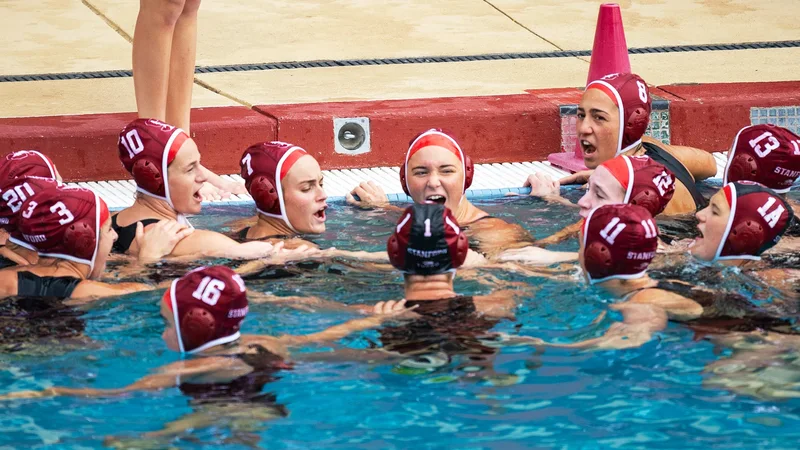
- An identified cap color and cap number make a player easy to track on film.
- Verified swim times and a clear playing schedule support what appears on video.
- Clips against strong opponents show defensive work as well as scoring.
What hurts
Mistakes that quietly cost opportunities
- The perimeter tweener takes outside shots but cannot create a drive, feed center or guard a defined matchup.
- A center repeatedly loses position before the entry pass arrives.
- A goalie blocks initial shots but gives up uncontrolled rebounds into scoring areas.
- A fast swimmer fades when pressed, contacted or forced to pass on the move.
Avoid these
Common Mistakes
- Sending only a scoring highlight reel instead of footage with defensive possessions.
- Assuming high school goal totals tell the whole story in water polo recruiting.
- Treating a swim time as proof of water polo speed.
- Contacting programs without identifying the athlete's cap number and position.
Action plan
What to Do This Month
- Ask a coach for your clearest current role and gather full-game footage from that position.
- Record your cap number, club schedule, swim times and academic information in one brief profile.
- Review film for entries, stops, transitions and mistakes against strong opposition.
- Use Pathley at pathley.ai to compare Division III women's water polo programs with your academics and playing profile.
- Use Pathley to refine a position-specific introduction, then send coaches your profile, film and upcoming schedule.
College fit finder
Find the Colleges Where You Fit
Now that you know what coaches look for, see which schools to aim it at. Pick your position and level, and we score every college program in your sport on roster openings at your position, athletic level and academics.
FAQ
Frequently Asked Questions
Do D3 women’s water polo coaches care more about academics than athletic ability?
They care about both, but academic fit is a major filter because many D3 schools are selective. A coach may like your game, but admissions support is much easier when your grades and courses align with the institution.
What kind of video should I send first?
Start with a short clip that identifies you clearly and shows your main role, then include at least one full game. Coaches need to see your decisions, defensive habits, movement away from the ball, and effort across all phases.
Is club water polo important for D3 recruiting?
Yes. Club competition often gives coaches a better read on pace, physicality, and your performance against deeper opponents. It also provides tournament settings where they can evaluate you more than once.
Can a versatile player get recruited without a fixed position?
Yes, but versatility works best when coaches can still identify a clear strength. If you can guard multiple spots, counter, and contribute in special situations, make sure your film shows where you are most dependable.
When should I start reaching out to D3 coaches?
Earlier is better once you have solid film, academic info, and a tournament schedule. Consistent updates over time are more useful than one late message sent after your main recruiting events are over.
Three ways to start
Where are you in the search?
Pick the option that matches where you are, and we will show you the plan that fits.
Your 20 to 25 best-fit schools, picked for you.



- Starter: the list, fit reads, real costs and a dated timeline
- Complete: adds roster reads and coach emails for every school
The roster at your position, at the schools you pick.

- Who is graduating at your position, class year by class year
- Where spots are likely to open, in plain words
One school, covered end to end.
- Your honest odds, the roster and the verified coach
- Intro email, three follow-ups, admissions steps and timeline
News and guides
Water Polo: The Latest from Pathley


Resources
Keep exploring
Sport hub
Everything for Women's Water Polo recruiting
The Women's Water Polo hub brings every division together: how D1, D2, D3 and NAIA compare, the strongest programs in each state, camps, and the recruiting guides for each level.
How this page was built. This guidance reflects general NCAA Division III information and Pathley analysis of water polo evaluation. Updated Sep 2026.