What is the University of Puerto Rico at Bayamón known for academically?
It is known for strong programs in science, technology, engineering, mathematics, business, and teacher education, as well as a solid foundation in liberal arts. Students benefit from rigorous coursework, research opportunities, and faculty who emphasize both theory and practical application.
Is it hard to get admitted to the University of Puerto Rico at Bayamón?
Admission is competitive, especially for high-demand programs in STEM and business. Applicants are generally expected to have a strong high school academic record, solid standardized test scores, and meet the admissions criteria set by the University of Puerto Rico system.
What language are classes taught in at the University of Puerto Rico at Bayamón?
Most classes are taught in Spanish, which is the primary language of instruction. However, some courses, particularly in English, business, and certain technical fields, may be offered in English or include bilingual components.
Does the University of Puerto Rico at Bayamón offer engineering and technology programs?
Yes, it offers a variety of engineering-related and technology programs, including options in computer science, information systems, applied sciences, and engineering technologies that prepare students for careers in industry or further graduate study.
What type of campus environment does the University of Puerto Rico at Bayamón have?
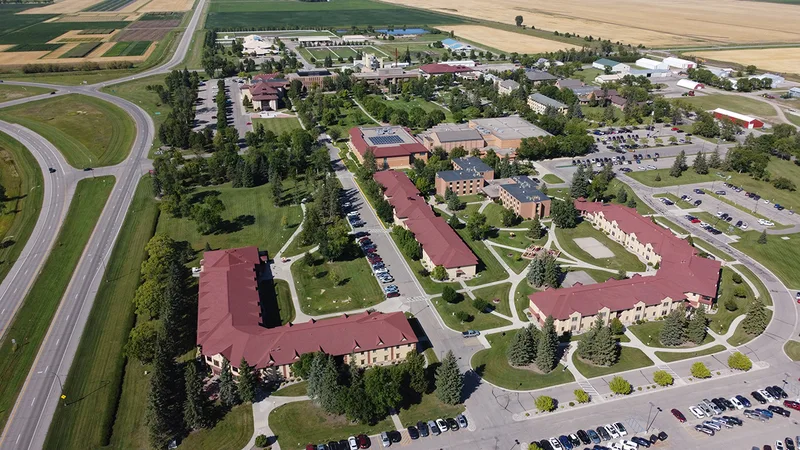
The campus has a commuter-friendly environment with a strong sense of community, where students often balance academics, work, and family. Facilities typically include classrooms, labs, sports areas, a library, and student support offices within an urban setting in Bayamón.
Are there research opportunities for undergraduates at the University of Puerto Rico at Bayamón?
Undergraduates can participate in research projects, particularly in science, technology, and mathematics. Students may work with faculty on funded projects, lab-based research, or applied community and industry collaborations.
What student support services are available at the University of Puerto Rico at Bayamón?
Students have access to academic advising, tutoring, counseling, career guidance, library services, and support for students with disabilities. There are also offices focused on financial aid information, student life, and co-curricular activities.
Can students get financial aid to study at the University of Puerto Rico at Bayamón?
Eligible students may apply for need-based financial aid, federal aid programs, and institutional or external scholarships. Requirements and available aid can vary, so students should complete the necessary federal and local applications and consult the financial aid office.
What is student life like at the University of Puerto Rico at Bayamón?
Student life includes academic clubs, honor societies, cultural and artistic groups, student government, and opportunities for community service. Many students commute, so activities are often scheduled around class times to accommodate varied schedules.
Does the University of Puerto Rico at Bayamón have athletic programs and facilities?
The campus participates in intercollegiate and intramural sports common in the region, with opportunities in sports such as basketball, volleyball, baseball, track and field, and others. Facilities typically include courts, fields, and fitness areas used by student-athletes and the general student body.
Can student-athletes balance sports and academics at the University of Puerto Rico at Bayamón?
Student-athletes are expected to maintain good academic standing while participating in sports. Academic advising, faculty office hours, and structured practice schedules help them manage time effectively so they can meet both athletic and academic commitments.
Is the University of Puerto Rico at Bayamón a good choice for transfer or returning students?
It can be a strong option for transfer and returning students, especially those seeking rigorous but accessible programs in STEM, business, and education. Transfer credit evaluations and advising help students understand how previous coursework applies toward degree requirements.