
Recruiting campBaseball · Men's
4-1 HS Hitting Camp (#2606)
- Jan 7 to 28, 2026
- Alex Gordon Training Complex, Lincoln, NE
- $150
Four-week hitting series for high school players meeting weekly at the Alex Gordon Training Complex.
Browse programs
College directoryEvery program, filtered by what fits Sport directoryMen's and women's, every division State directoryPrograms in the states you would play inGo deeper
Major directoryYour major and your sport in one list Camp directoryID camps and showcases at college programs Conference directoryEvery conference and its member collegesOverview
Mission and culture
The University of Nebraska-Lincoln is a public land-grant research university in Nebraska's capital, pairing NCAA Division I athletics with strengths in agriculture and engineering. Its Big Ten setting, broad academic options and connections to the state's industries make it worth considering for athletes seeking a large university experience.
Why athletes choose University of Nebraska–Lincoln
Big Ten competition, hands-on research and in-state value appeal to athletes seeking a broad university experience.
Fit check
Pick a sport, your position and level, add a test score if you have one, and get an instant read on your chances here. Free, and no account needed.
Academics
The University of Nebraska-Lincoln combines land-grant research strengths in agriculture and engineering with broad academic options, giving recruits several paths to connect classroom interests with career preparation and athletic commitments.
Academic strength
A composite of graduation rate, earnings after college, how selective admissions are and how hard the coursework is.
Acceptance rate
More selectiveMore accessible
Admissions are highly accessible, so recruits should focus on demonstrating academic readiness rather than navigating an especially selective process.
Six-year graduation rate
0%100%
Students have a solid path to graduation, with steady academic progress important throughout an athletic career.
Academic difficulty
Rated 3 out of 5
Coursework offers a balanced challenge, making consistent study habits important alongside athletic commitments.
Student to faculty ratio
students for every faculty member
Expect a balanced academic environment with some larger classes, where seeking faculty connections can help.
Median earnings
per year, ten years after starting college
Six years after: $47,692Graduate earnings suggest solid outcomes, making major selection and career preparation useful parts of your value assessment.
Undergraduate enrollment
undergraduate students
The large undergraduate community offers varied interests and activities, so finding your own circle can make campus feel more personal.
SAT and ACT scores
Testing is required in some circumstances, so confirm which rules apply; the score profile leaves room for recruits with solid classroom preparation.
Most popular majors
Admissions
Prepare your University of Nebraska-Lincoln application by reviewing deadlines by plan, test policy, the application fee and recommendation requirements alongside your recruiting conversations.
Majors
82 undergraduate majors across 7 academic areas.
No major matches that search.
Campus life
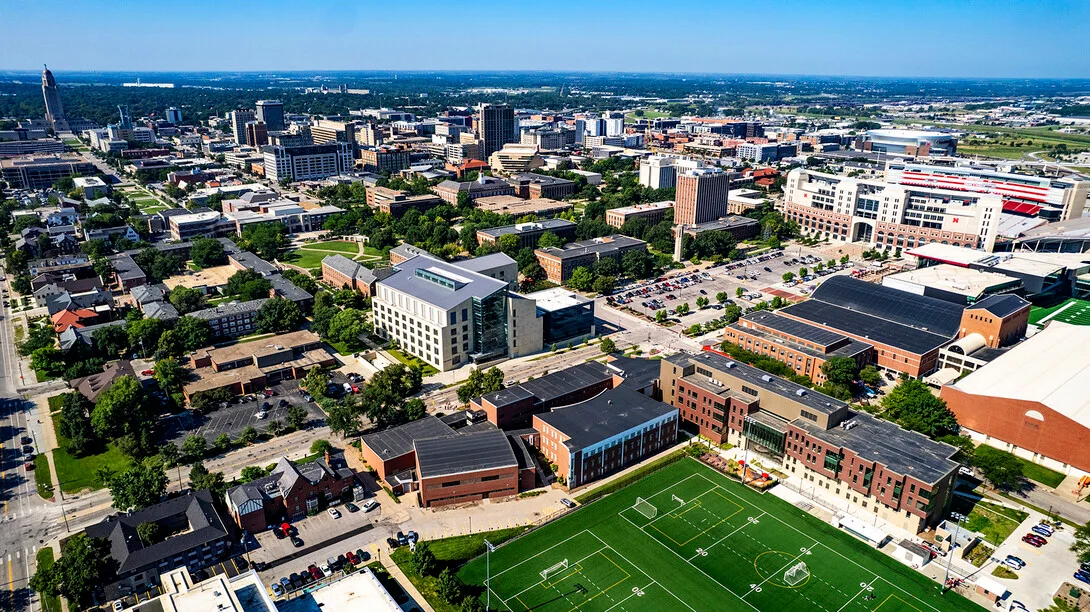
Daily life combines a large campus, active Greek life and varied student organizations with the walkable urban surroundings of Lincoln.
Athletics
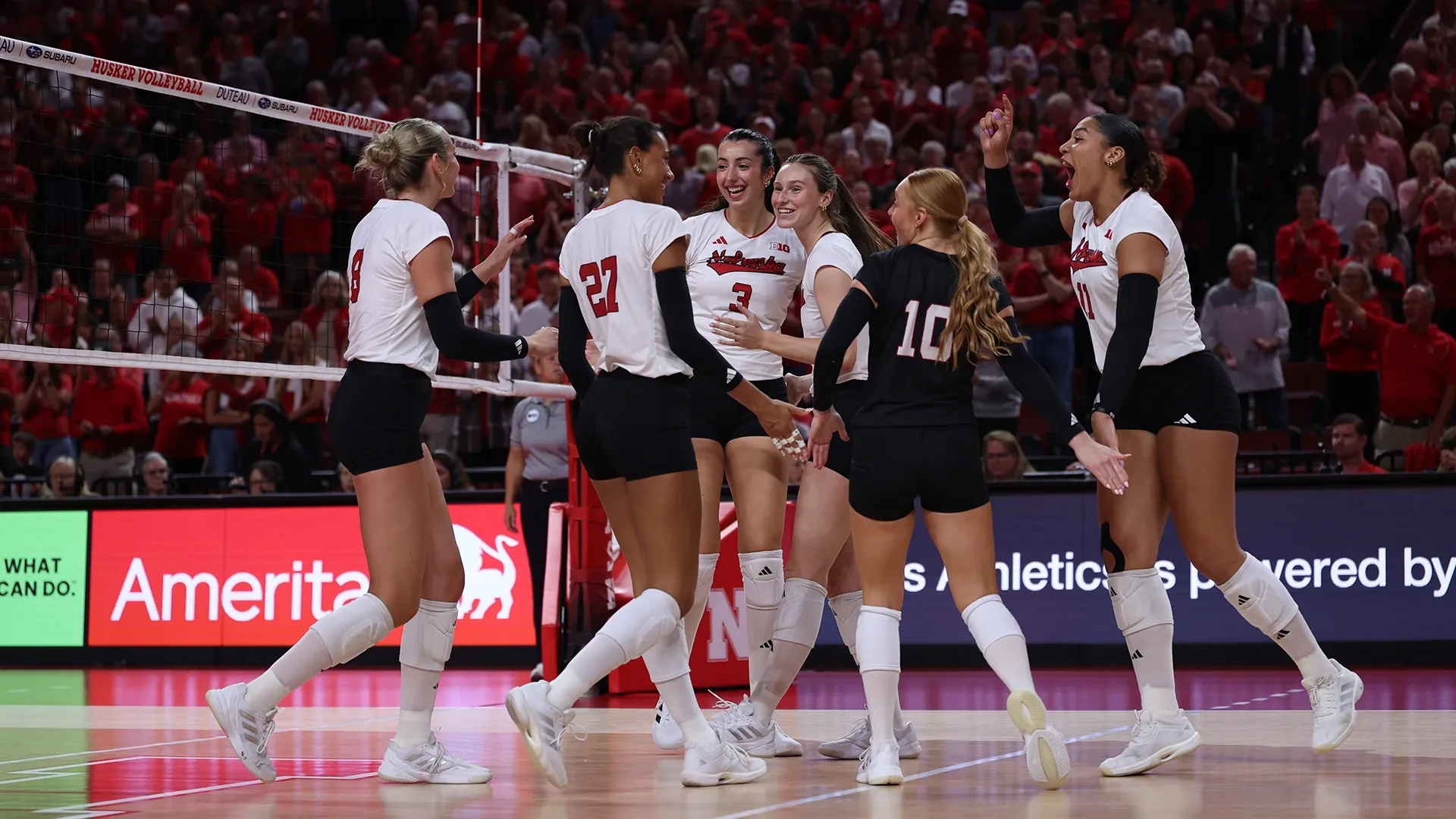
Competing in NCAA Division I and the Big Ten, the Cornhuskers offer a high-level athletic environment, with football, volleyball and wrestling among the recruiting options.
Athletic department
Explore how the University of Nebraska-Lincoln supports its substantial Big Ten athletic department through program investment, recruiting expenditures and athletic aid, including how resources are distributed between men's and women's programs.
Athletes
Athletic aid
Recruiting spend
Source: the federal Equity in Athletics report, 2025.
Cost
At the University of Nebraska-Lincoln, in-state tuition can strengthen the value proposition, while grants and merit-based aid help families evaluate the published cost against their likely net price.
Average net price
What families pay on average after grants and scholarships, including tuition, housing and fees.
Published tuition
The sticker price a year, before any aid.
Financial aid
Need-based and merit-based aid availableAthletic scholarships, where a program offers them, are awarded by the coaching staff and come on top of these figures.
NIL
NIL rating
The University of Nebraska–Lincoln offers a strong NIL (name, image and likeness) environment, supported by a large student body, passionate fan base, and big-time college sports culture in Lincoln, Nebraska. Student-athletes here can benefit from statewide interest in Nebraska athletics and consistent media exposure across multiple sports.
See the full NIL breakdownStudent fit
The kind of student-athlete who tends to do well at University of Nebraska–Lincoln.
The University of Nebraska-Lincoln fits athletes pursuing NCAA Division I competition who also want broad academic choices, particularly in agriculture, engineering or business. It suits recruits ready to balance moderately challenging coursework with Big Ten athletic demands and take advantage of hands-on research and career connections across Nebraska. You should be comfortable finding your community within a large university, whether through athletics, student organizations or Greek life, while building faculty relationships in an environment that includes some larger classes. Families seeking in-state value may find it especially appealing, while athletes wanting a small, highly individualized campus experience may prefer another setting.
Who thrives here
Big Crowd EnergyTradition Driven CultureSelf Driven CompetitorsPractical Career FocusComfort With VisibilityCamps
University of Nebraska–Lincoln has not posted new camp dates yet. These ran last season.
Four-week hitting series for high school players meeting weekly at the Alex Gordon Training Complex.
One-day prospect evaluation and instruction for high school players led by Nebraska baseball staff.
Single-day hitting instruction for high school players at the Alex Gordon Training Complex.
Questions
It is known for strong programs in agriculture and natural resources, engineering, business, journalism and mass communications, and education, along with a major research focus as a flagship public university in the region.
Yes. The engineering college is well regarded, offering multiple engineering majors, hands-on project opportunities, undergraduate research, and ties to industry in areas like manufacturing, construction, energy, and technology.
Admission is considered moderately selective. Applicants with solid grades, a strong college-prep curriculum, and supporting materials such as test scores if submitted generally have a good chance of being admitted.
Student life is active, with a traditional campus feel, residence halls, many student clubs and organizations, Greek life, service opportunities, and a strong sense of school spirit centered around academics, athletics, and community events.
Yes. It is a major public research university with faculty and students involved in research across agriculture, engineering, sciences, social sciences, and the humanities, offering undergraduates access to labs and research projects.
The campus is integrated into the city of Lincoln, offering a blend of college-town atmosphere and urban amenities, with walkable access to downtown, internship options, cultural events, and outdoor activities nearby.
Yes. The business college is well established, offering majors such as accounting, finance, marketing, management, and supply chain, with career services, internships, and opportunities for experiential learning.
Students can choose from traditional residence halls, suite-style living, and apartment-style options, along with themed learning communities that group students by academic or personal interests.
Students benefit from the state capital location and a growing regional economy, with opportunities for internships and jobs in government, agribusiness, engineering, health care, education, technology, and the nonprofit sector.
Its varsity teams compete at the NCAA Division I level as part of a major athletic conference, with football, volleyball, basketball, and several other sports playing a central role in campus spirit and traditions.
Sports culture is very strong, with high attendance at home games, dedicated fan support, and long-standing traditions that make athletic events a key part of student life and alumni engagement.
Yes. Students have access to academic advising, tutoring, writing and math help centers, first-year experience programs, and career counseling designed to support retention, graduation, and post-graduate success.
Compare
Other colleges worth comparing with University of Nebraska–Lincoln.
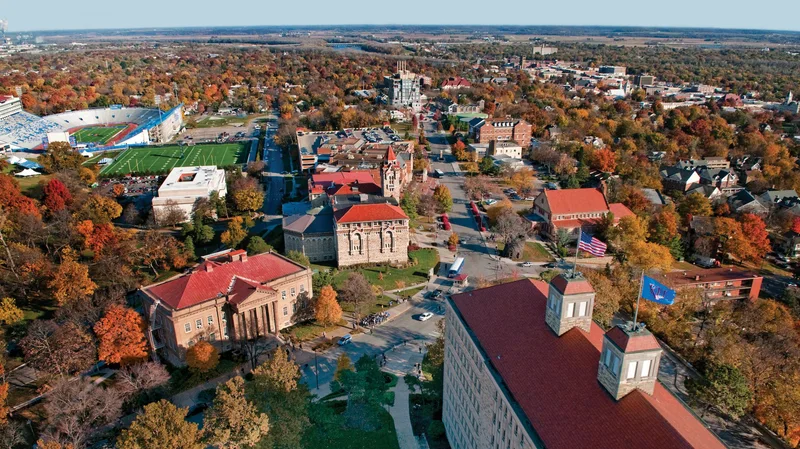
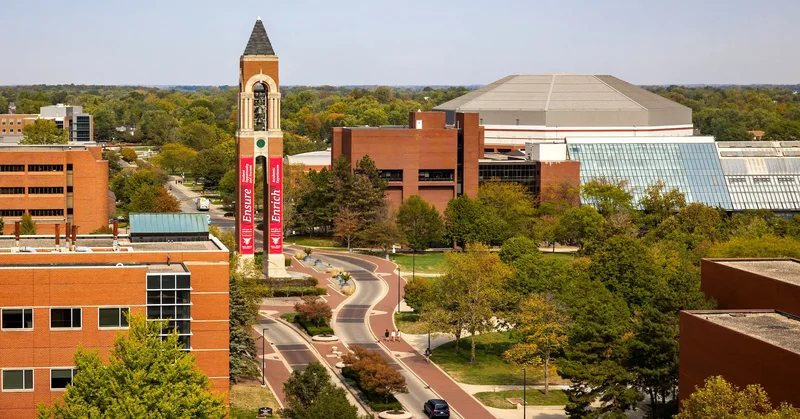
Big 12 competition, broad academic choices and active college-town life give athletes distinct reasons to consider Kansas.
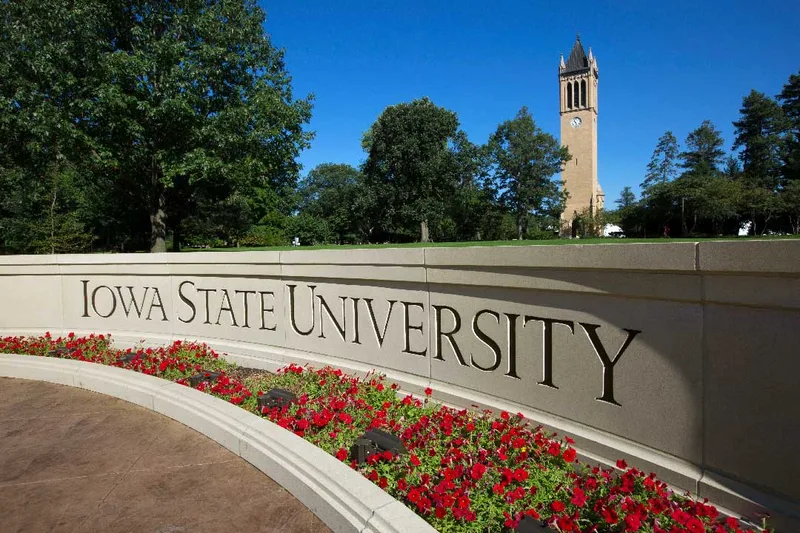
Ames, IA
Why it is similar: Similar academics and size.Big 12 competition, applied academics and a collaborative campus attract athletes who want room to grow.
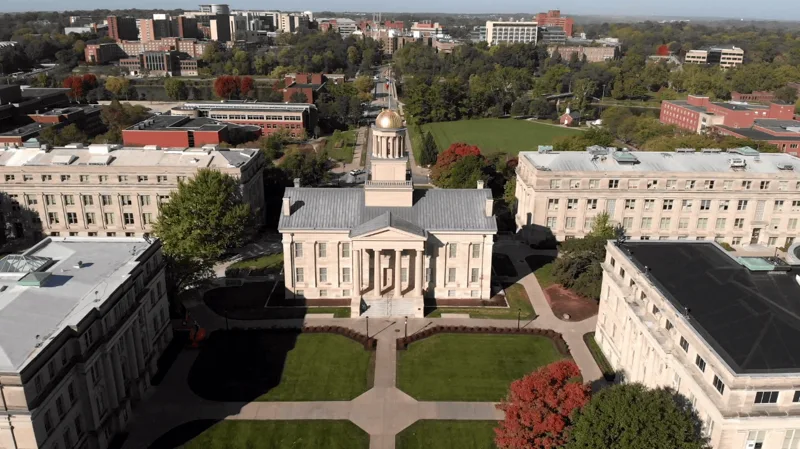
Big Ten competition, broad academic choices and Iowa City's writing culture give athletes distinct reasons to consider Iowa.
Research opportunities, professional programs and urban campus life complement the demands of competing at the Division I level.
Competitive athletics, specialized academic programs and in-state value give recruits several practical reasons to consider enrolling.
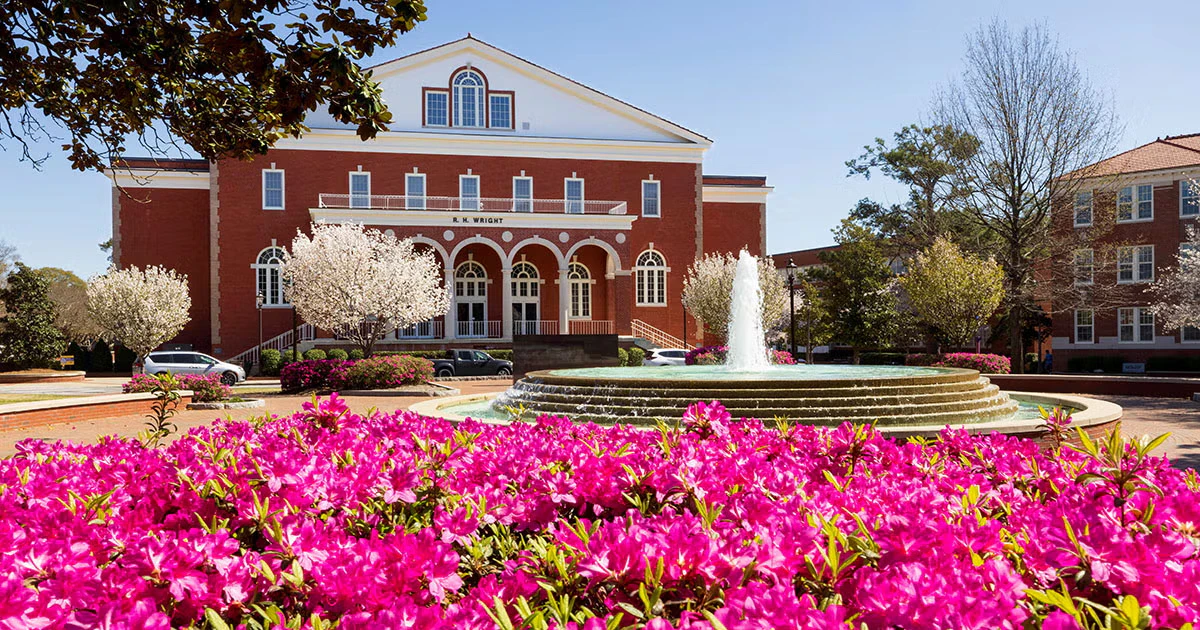
Competitive athletics, healthcare-focused academics and in-state affordability give recruits practical reasons to consider this Greenville campus.
Competitive athletics, applied academic strengths and an outdoor-oriented campus give recruits several reasons to consider Utah State.
Competitive athletics, applied academics and a residential college-town environment give recruits distinct reasons to consider this campus.
Competitive athletics, broad academic options and relatively affordable tuition give recruits several reasons to consider this campus.
A residential college town, communication strengths and conference competition give athletes clear reasons to consider studying here.
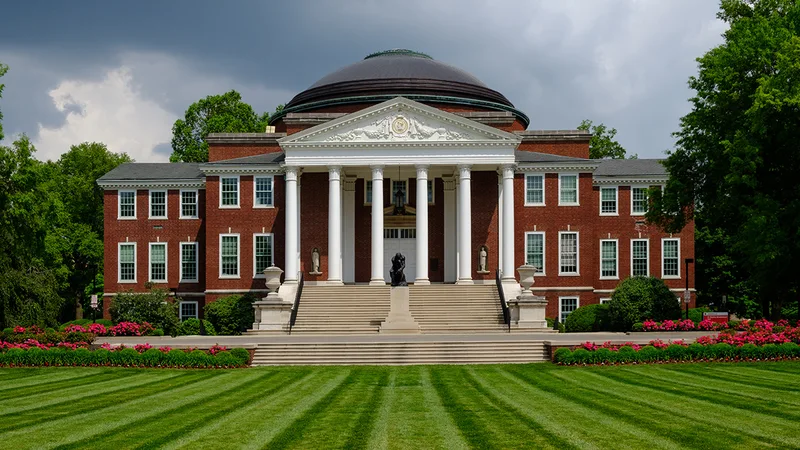
ACC competition, health-focused academics and an urban setting give athletes distinct reasons to consider Louisville.
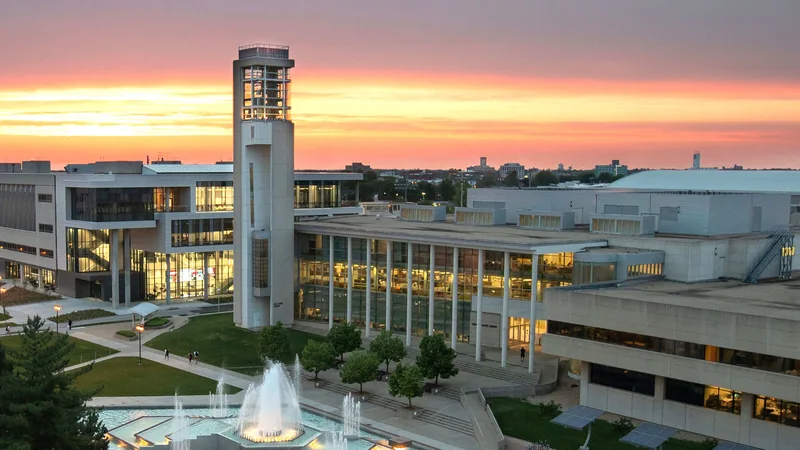
Division I competition, career-focused academics and Kansas City connections give athletes several reasons to consider studying here.
Three ways to start
Pick the option that matches where you are, and we will show you the plan that fits.
News
Resources