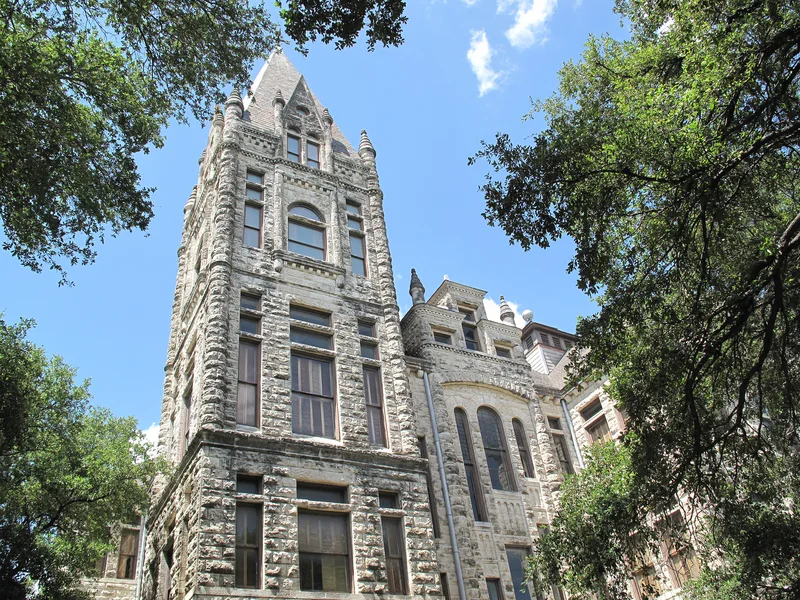
Close faculty relationships and applied learning complement regional athletic competition within a small residential college community.
- 1,217
- Students
- 48%
- Admit rate
- $21,107
- Net price
Browse programs
College directoryEvery program, filtered by what fits Sport directoryMen's and women's, every division State directoryPrograms in the states you would play inGo deeper
Major directoryYour major and your sport in one list Camp directoryID camps and showcases at college programs Conference directoryEvery conference and its member collegesOverview
Mission and culture
University of Dallas is a Catholic liberal arts university in suburban Irving, Texas, where athletes compete in NCAA Division III and share a demanding Core Curriculum. Its Great Books approach, close faculty mentoring and distinctive Rome study-abroad program shape a small, intellectually focused campus community.
Why athletes choose University of Dallas
Close mentoring, a shared intellectual foundation and competitive athletics appeal to students who value learning alongside sport.
Fit check
Pick a sport, your position and level, add a test score if you have one, and get an instant read on your chances here. Free, and no account needed.
Academics
The University of Dallas grounds its academic experience in a rigorous Catholic liberal arts tradition, with a shared Core Curriculum shaping the coursework, faculty relationships and career preparation athletes can expect.
Academic strength
A composite of graduation rate, earnings after college, how selective admissions are and how hard the coursework is.
Acceptance rate
More selectiveMore accessible
Admissions are moderately selective, so solid classroom preparation matters alongside your athletic ability and interest in the curriculum.
Six-year graduation rate
0%100%
Students have a solid path to graduation, with consistent academic attention helping athletes keep their degree plans moving.
Academic difficulty
Rated 4 out of 5
Demanding coursework requires disciplined study habits and careful planning around practices and competition.
Student to faculty ratio
students for every faculty member
Faculty are generally reachable, creating opportunities for personal guidance when you seek help balancing coursework and athletics.
Median earnings
per year, ten years after starting college
Six years after: $45,950Graduate earnings suggest solid career outcomes, giving families a useful starting point for weighing cost against opportunity.
Undergraduate enrollment
undergraduate students
The small undergraduate community offers a close-knit daily experience, especially for students drawn to shared coursework and personal connections.
SAT and ACT scores
Required test scores make exam preparation part of your recruiting plan, while the academic profile calls for solid classroom performance and readiness for challenging coursework.
Most popular majors
Admissions
Prepare your University of Dallas application by reviewing deadlines by plan, test policy, the application fee and recommendation requirements alongside your recruiting conversations.
Not binding. Hear back early and decide by May 1.
The standard deadline. Not binding.
Majors
22 undergraduate majors across 5 academic areas.
No major matches that search.
Campus life
A tight-knit residential community in suburban Irving combines Catholic campus life with shared intellectual interests and access to the Rome study-abroad program.
Athletics
Competition in NCAA Division III and the Southern Collegiate Athletic Conference places athletics alongside academics, with opportunities in programs such as basketball, soccer and volleyball.
Athletic department
Explore how the University of Dallas supports its small NCAA Division III athletic department through operating resources, recruiting expenditures and the allocation of athletic aid across men's and women's programs.
Athletes
Recruiting spend
Source: the federal Equity in Athletics report, 2025.
Cost
At the University of Dallas, compare the published cost with the net price after grants, then consider how need-based and merit-based aid could affect your family's budget.
Average net price
What families pay on average after grants and scholarships, including tuition, housing and fees.
Published tuition
The sticker price a year, before any aid.
Financial aid
Need-based and merit-based aid availableAthletic scholarships, where a program offers them, are awarded by the coaching staff and come on top of these figures.
NIL
NIL rating
The University of Dallas in Irving, Texas offers a growing name, image and likeness (NIL) environment where student‑athletes in Division III college sports can build personal brands on a smaller, close‑knit campus. Proximity to the Dallas–Fort Worth metro area gives athletes added visibility and access to regional NIL opportunities compared with many other small Division III schools.
See the full NIL breakdownStudent fit
The kind of student-athlete who tends to do well at University of Dallas.
University of Dallas fits athletes who want NCAA Division III competition within a small Catholic liberal arts community and are ready for demanding academic work. It particularly suits students who enjoy reading, discussion and an integrated Core Curriculum, rather than treating general education as something to rush through around practice. Close faculty mentoring, a residential community and the Rome study-abroad program appeal to athletes seeking relationships and experiences beyond their sport, though travel plans deserve discussion with coaches. Families should be comfortable weighing need-based and merit-based aid without athletic scholarships, and students seeking a less intensive curriculum may find a better fit elsewhere.
Who thrives here
Serious Student AthletesCatholic Campus FitSeminar Discussion LearnersStructured Self DisciplinedCore Curriculum DrivenQuestions
The University of Dallas is best known for its strong liberal arts core curriculum, classical education focus, and rigorous programs in the humanities, philosophy, theology, business, and the sciences. It emphasizes critical thinking, writing, and an integrated study of Western civilization.
Admission is competitive, especially for students seeking merit scholarships or applying to more selective majors. Applicants with solid grades, a challenging high school curriculum, and strong writing samples have the best chance of admission.
Students who thrive are typically intellectually curious, enjoy reading and discussion-based classes, and value a close-knit, faith-informed campus community. Many students are attracted to the strong liberal arts foundation and a campus culture that encourages serious study and reflection.
Yes, every undergraduate student completes a substantial core curriculum that includes philosophy, theology, literature, history, languages, and science. This shared academic foundation is designed to provide a broad, classical education regardless of major.
Campus life is community-oriented, with small classes, active student organizations, faith-based activities, and campus traditions. Students often describe the environment as intellectually engaged, close-knit, and supportive, with many living and socializing on or near campus.
The small size means students get to know professors and classmates well, enjoy small discussion-based classes, and can participate more easily in campus activities and leadership roles. It creates a personal atmosphere where individual students are noticed and supported.
The university has a strong Catholic identity and integrates faith with intellectual life, while welcoming students from a range of Christian and other backgrounds. Many students choose it for its commitment to Catholic teaching, campus ministry, and theology and philosophy offerings.
The university is known for its flagship study abroad program in Rome, where many undergraduates spend a semester as part of the core curriculum. Additional international programs and short-term study experiences are available in various disciplines.
Most first-year students live in on-campus residence halls, which helps build a strong sense of community. Housing options typically include traditional dorms for newer students and apartment-style living for upperclassmen, all within walking distance of academic buildings.
The university competes in NCAA Division III, which emphasizes a balance between academics and athletics. Student-athletes often participate in multiple campus activities while competing at a high level in their sport.
Student-athletes balance demanding academic work with regular practices, competitions, and travel. Because of the Division III model, they compete without athletic scholarships, focusing on academic success, team culture, and personal development on and off the field.
Yes, many students use the strong liberal arts foundation to prepare for law school, medical school, graduate study, and careers in business. The emphasis on critical thinking, writing, and ethics, along with faculty advising and internships, supports a wide range of professional goals.
Compare
Other colleges worth comparing with University of Dallas.
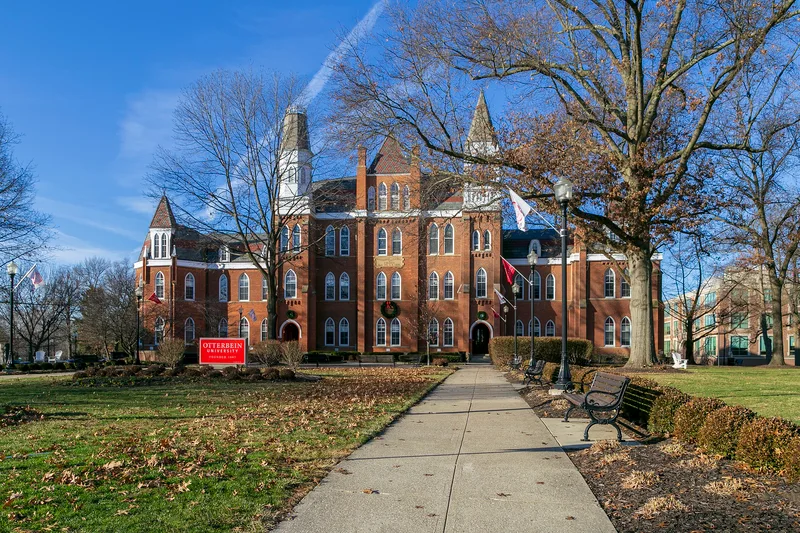
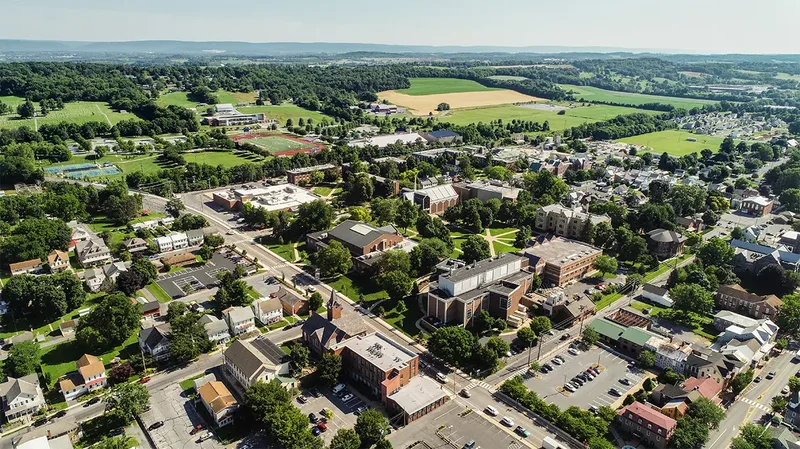
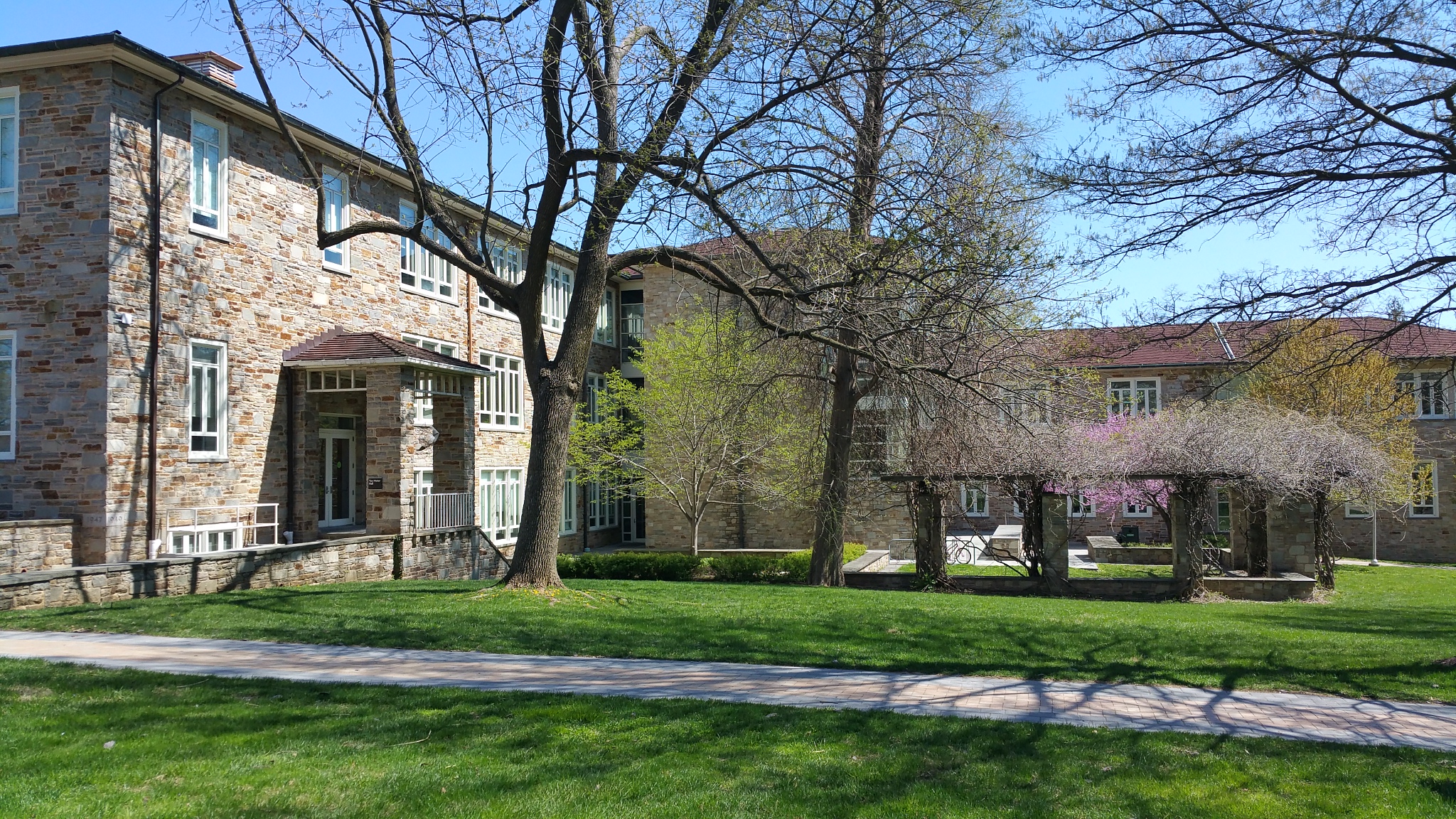
Close faculty relationships and applied learning complement regional athletic competition within a small residential college community.
Athletes choose Drew for close faculty relationships, Division III competition and learning opportunities connected to New York City.
Interdisciplinary learning, a small campus and Division III competition appeal to athletes seeking a connected college experience.
Close faculty relationships, career-focused study and Ohio Athletic Conference competition give athletes a balanced college experience.
Accessible admissions, faculty mentoring and Northwest Conference competition give athletes practical reasons to consider this Spokane campus.
Personalized instruction, professional programs and a close-knit campus make it easier to connect athletics with broader goals.
Personal faculty attention, research opportunities and competitive conference play appeal to athletes seeking a residential college experience.
A small campus, Atlanta career access and Division III competition give athletes room to build a well-rounded college experience.
Athletes choose a close-knit residential community where hands-on academics and Landmark Conference competition shape daily life.
Required study abroad, close faculty connections and Landmark Conference competition give athletes a distinctive liberal arts experience.
Competitive athletics, hands-on work experience and a supportive campus community give recruits distinct reasons to consider Berry.
Competitive athletics, approachable faculty and a residential campus near Chicago give recruits several reasons to consider enrolling.
Three ways to start
Pick the option that matches where you are, and we will show you the plan that fits.
Resources