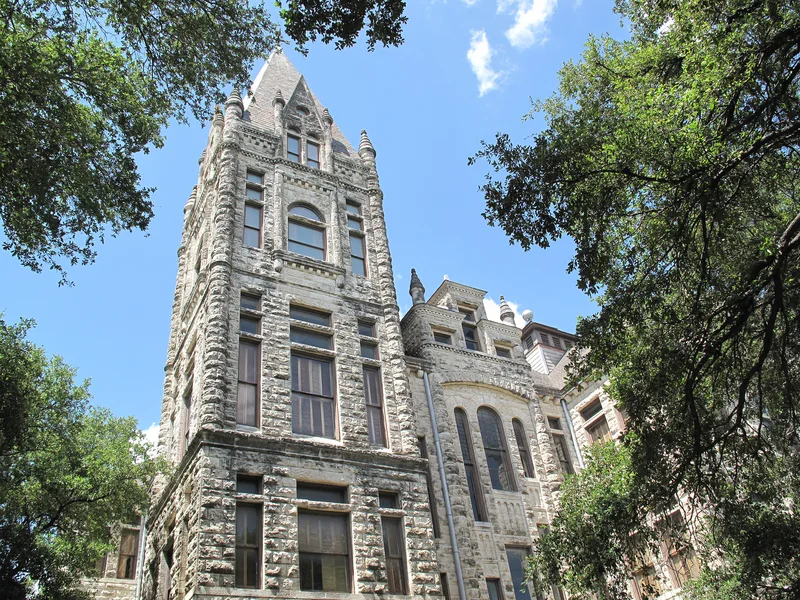
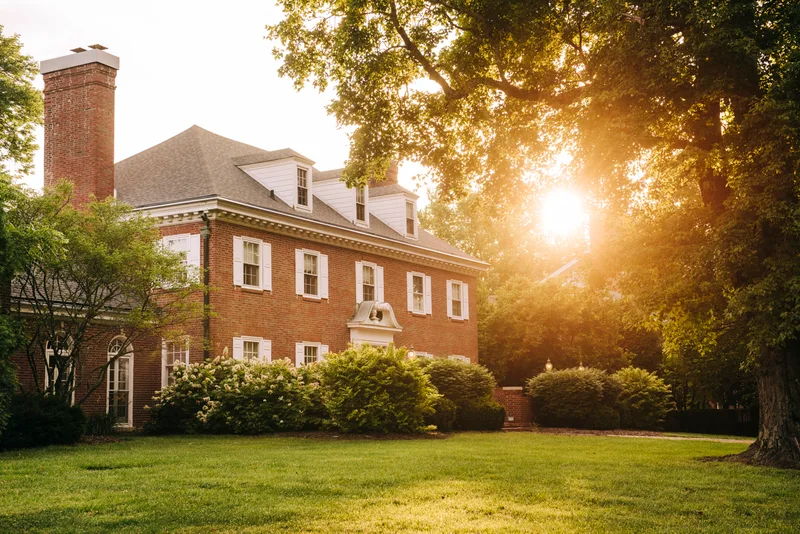
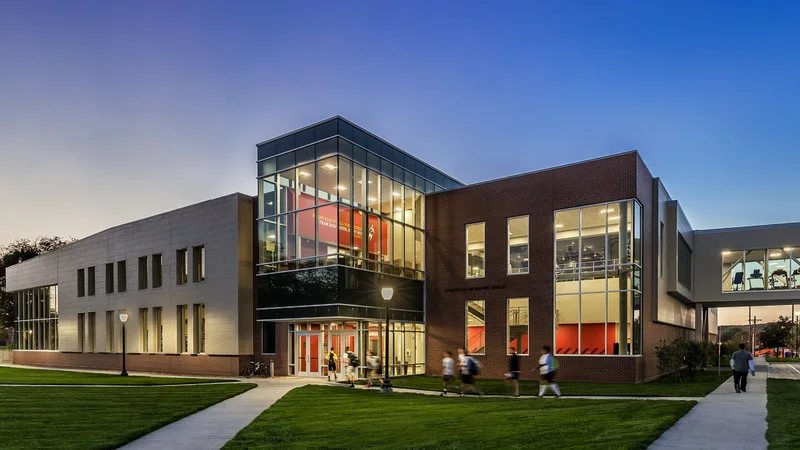
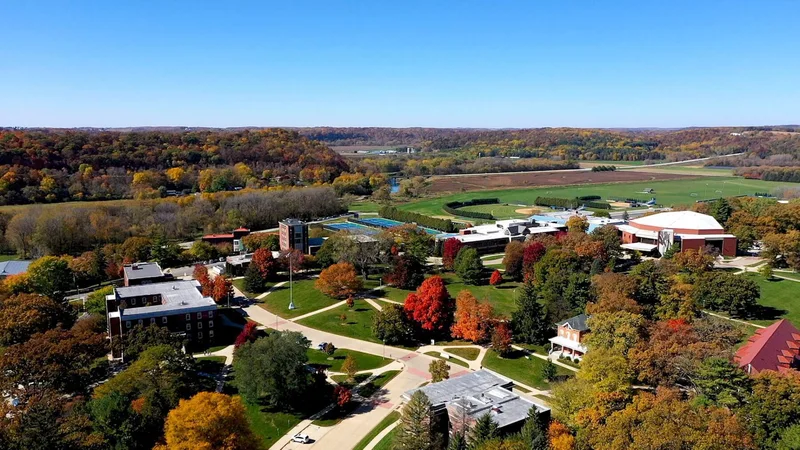
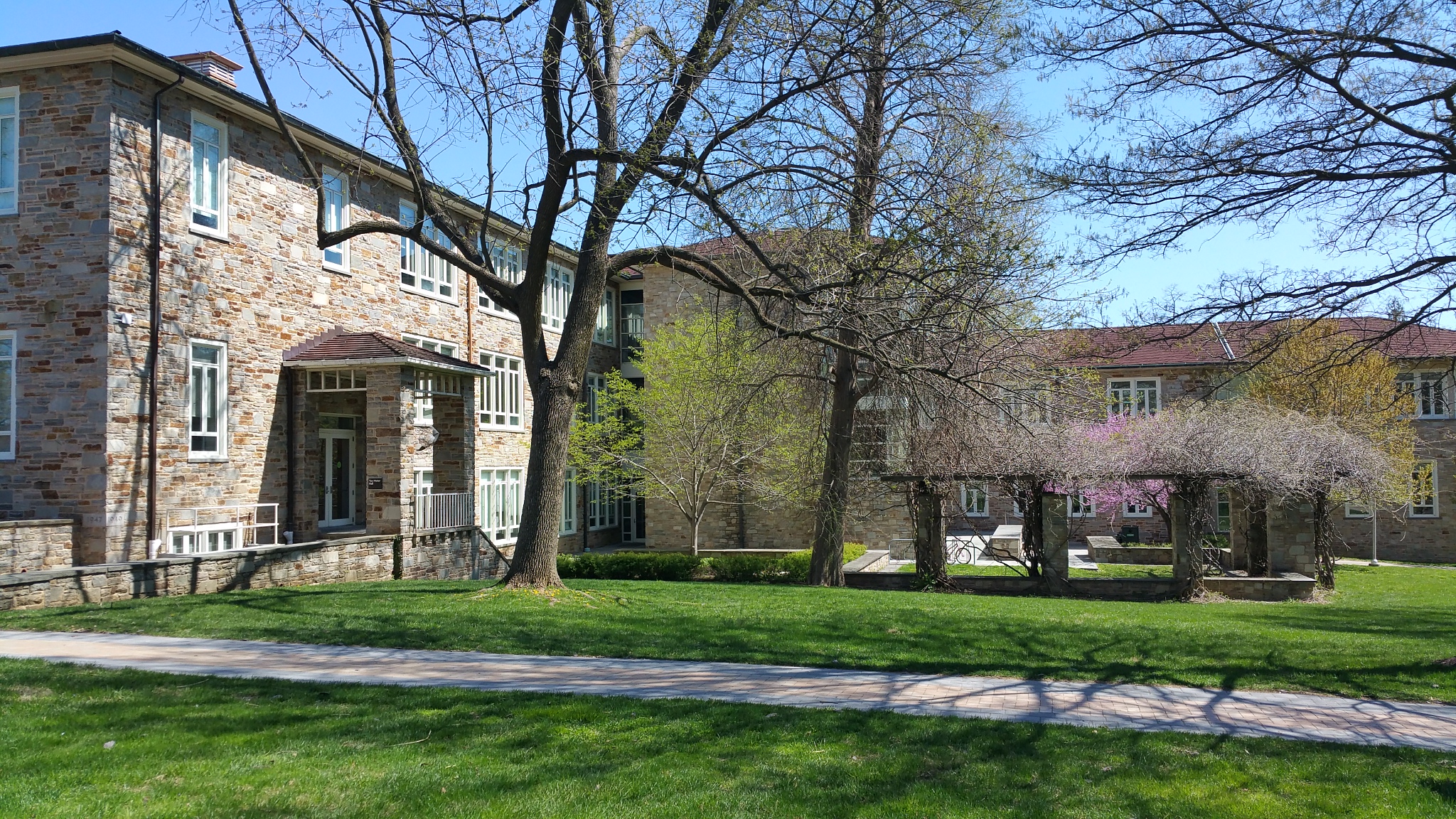
Close mentoring, a shared intellectual foundation and competitive athletics appeal to students who value learning alongside sport.
- 2,078
- Students
- 53%
- Admit rate
- $22,610
- Net price
Browse programs
College directoryEvery program, filtered by what fits Sport directoryMen's and women's, every division State directoryPrograms in the states you would play inGo deeper
Major directoryYour major and your sport in one list Camp directoryID camps and showcases at college programs Conference directoryEvery conference and its member collegesOverview
Mission and culture
Austin College is a residential liberal arts college in Sherman, Texas, where athletes compete in NCAA Division III, primarily in the Southern Collegiate Athletic Conference. Close faculty interaction, undergraduate research and JanTerm study abroad give students ways to build an academic identity alongside their sport.
Why athletes choose Austin College
Close faculty relationships and applied learning complement regional athletic competition within a small residential college community.
Fit check
Pick a sport, your position and level, add a test score if you have one, and get an instant read on your chances here. Free, and no account needed.
Academics
Austin College pairs a broad liberal arts education with research and applied learning, making academic fit about both classroom preparation and the opportunities you want to pursue beyond your sport.
Academic strength
A composite of graduation rate, earnings after college, how selective admissions are and how hard the coursework is.
Acceptance rate
More selectiveMore accessible
Admissions are moderately selective, so recruits should bring solid classroom preparation and treat academic fit as seriously as athletic fit.
Six-year graduation rate
0%100%
Students have a solid path to graduation, with steady academic planning important throughout an athletic career.
Academic difficulty
Rated 4 out of 5
Coursework is demanding, making consistent study habits important alongside practices, travel and competition.
Student to faculty ratio
students for every faculty member
Faculty are generally reachable, giving athletes opportunities to build relationships and discuss coursework around athletic commitments.
Median earnings
per year, ten years after starting college
Six years after: $45,242Graduate earnings suggest solid outcomes, giving families a useful reason to weigh career preparation alongside cost.
Undergraduate enrollment
undergraduate students
The small undergraduate community supports a familiar daily routine and connections with classmates beyond your own athletic program.
SAT and ACT scores
Testing is optional, and the score profile suggests recruits should weigh whether their results strengthen an application built on solid classroom performance.
Most popular majors
Admissions
Applying to Austin College means planning around admissions deadlines, test policy, the application fee and recommendation requirements while keeping recruiting conversations on a separate track.
Not binding. Hear back early and decide by May 1.
The standard deadline. Not binding.
Majors
26 undergraduate majors across 5 academic areas.
No major matches that search.
Campus life
A small residential community in suburban Sherman brings close faculty interaction, service opportunities and undergraduate research into daily life beyond athletics.
Athletics
Competition takes place at the NCAA Division III level, primarily in the Southern Collegiate Athletic Conference, with an emphasis on student-athlete participation and regional competitiveness.
Athletic department
The athletic department at Austin College supports NCAA Division III competition, with this section showing athlete participation, revenue, recruiting investment and how athletic aid and recruiting spending break down by gender.
Athletes
Recruiting spend
Source: the federal Equity in Athletics report, 2025.
Cost
At Austin College, need-based and merit-based aid make the cost after grants an important comparison with the published price when your family evaluates affordability.
Average net price
What families pay on average after grants and scholarships, including tuition, housing and fees.
Published tuition
The sticker price a year, before any aid.
Financial aid
Need-based and merit-based aid availableAthletic scholarships, where a program offers them, are awarded by the coaching staff and come on top of these figures.
NIL
NIL rating
Austin College in Sherman, Texas offers a developing name, image, and likeness (NIL) environment where motivated student-athletes in Division III college sports can build personal brands on a smaller campus. While not a major media market, Austin College athletes can still use NIL to connect with the campus community and local region.
See the full NIL breakdownStudent fit
The kind of student-athlete who tends to do well at Austin College.
Austin College fits athletes who want NCAA Division III competition within a small residential liberal arts community and are ready for demanding coursework. It suits students who value reachable faculty, want to explore research or internships, and see JanTerm study abroad as part of their college experience rather than focusing only on athletics. A recruit comfortable with suburban Sherman and interested in fields such as Business Administration, Psychology or Biology has clear academic options to explore. Families should evaluate need-based and merit-based aid carefully, while athletes seeking a large campus environment may prefer a different setting.
Who thrives here
Residential Liberal Arts FansSmall Class LearnersOrganized Student AthletesOutcome Focused PlannersTight Knit Community SeekersQuestions
It is known for strong liberal arts and sciences programs, a rigorous honors curriculum, close faculty mentorship, and a focus on critical thinking, writing, and undergraduate research across many majors.
Admission is competitive, and applicants are evaluated holistically based on high school coursework, grades, test scores if submitted, activities, essays, and recommendations, with an emphasis on academic preparation and engagement.
Students typically experience small, discussion-based classes where professors teach their own courses, know students by name, and are accessible for advising, research collaboration, and mentoring.
Popular areas of study include the natural and social sciences, business-related fields, pre-health and pre-law pathways, education, and humanities disciplines such as history, English, and communication.
Yes, undergraduates can participate in research and creative projects with faculty mentors across many disciplines, often beginning as early as the first or second year and sometimes leading to presentations or publications.
Campus life centers on a residential community with student organizations, service and leadership opportunities, arts events, intramural sports, and traditions that help students build close connections with peers and faculty.
It is located in Sherman, Texas, a small city in North Texas that offers local shops, restaurants, and outdoor recreation, with larger metropolitan areas within driving distance for additional cultural and internship opportunities.
Its varsity teams compete at the NCAA Division III level, emphasizing the balance of academics and athletics without athletic scholarships, while still offering structured training, competition, and team experiences.
Student-athletes are expected to prioritize academics, and the Division III model supports balancing coursework with practices and competitions through faculty support, academic advising, and time-management resources.
Yes, it offers a combination of merit-based scholarships and need-based financial aid, and students are encouraged to submit required financial aid forms and application materials by priority deadlines to be fully considered.
Students have access to study abroad and off-campus study options in various countries, often supported by advising and, in some cases, funding to help integrate global experiences into their academic plans.
Students who thrive are usually intellectually curious, ready for a challenging liberal arts education, interested in close interaction with faculty, and eager to get involved in campus life, service, or leadership activities.
Compare
Other colleges worth comparing with Austin College.
Close mentoring, a shared intellectual foundation and competitive athletics appeal to students who value learning alongside sport.
Interdisciplinary learning, a small campus and Division III competition appeal to athletes seeking a connected college experience.
A small campus, Atlanta career access and Division III competition give athletes room to build a well-rounded college experience.
Close faculty mentorship and a riverside campus appeal to athletes seeking a small-college experience alongside conference competition.
Close faculty relationships and career-focused learning give athletes practical reasons to pursue a small-campus experience here.
Personal faculty attention, research opportunities and competitive conference play appeal to athletes seeking a residential college experience.
A close-knit residential community and reachable faculty help athletes stay connected to college life beyond competition.
Close faculty connections and career-focused experiences give athletes reasons to look beyond the playing field.
Close faculty mentoring, competitive athletics and a residential community help athletes build a balanced college experience.
Required study abroad, close faculty connections and Landmark Conference competition give athletes a distinctive liberal arts experience.
Close faculty relationships, a women's college community and Division III competition make Hollins worth considering for balanced athletes.
Close faculty relationships, a women's college community and Raleigh internship access make Meredith worth considering for balanced athletes.
Three ways to start
Pick the option that matches where you are, and we will show you the plan that fits.
Resources