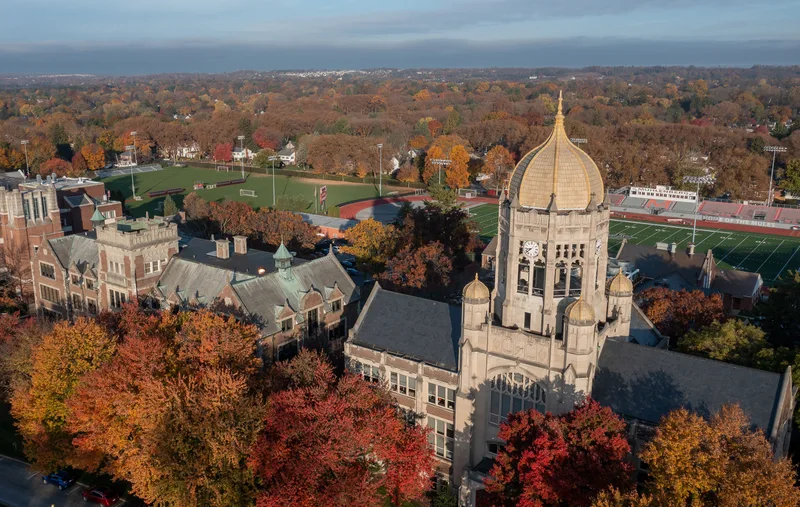

Conservatory arts programs, Division III competition and access to New York City give athletes distinct reasons to consider Purchase.
- 3,333
- Students
- 74%
- Admit rate
- $18,913
- Net price
Browse programs
College directoryEvery program, filtered by what fits Sport directoryMen's and women's, every division State directoryPrograms in the states you would play inGo deeper
Major directoryYour major and your sport in one list Camp directoryID camps and showcases at college programs Conference directoryEvery conference and its member colleges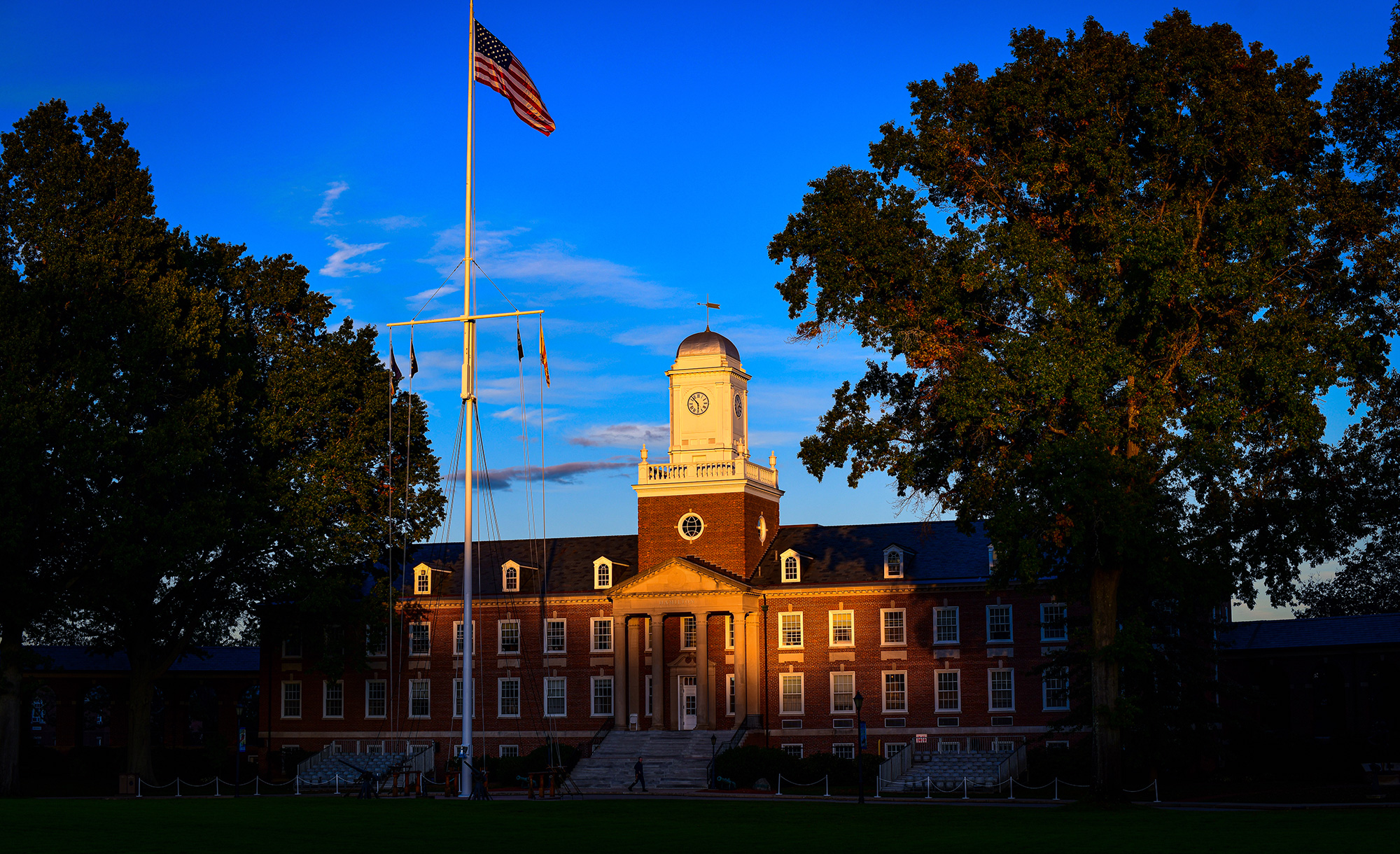

New London, ConnecticutNew England Women's and Men's Athletic Conference
Overview
Mission and culture
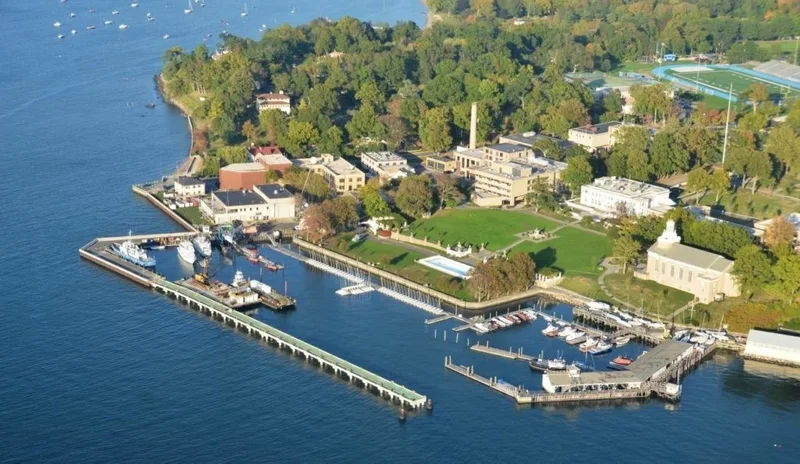
The United States Coast Guard Academy is a federal service academy in New London, Connecticut, combining rigorous STEM education, military leadership training and NCAA Division III athletics. Its fully funded, residential cadet experience leads to a commission as a Coast Guard officer after graduation.
Why athletes choose United States Coast Guard Academy
Athletes choose a fully funded education that pairs competitive sports with leadership training and a defined service career.
Fit check
Pick a sport, your position and level, add a test score if you have one, and get an instant read on your chances here. Free, and no account needed.
Academics
At the United States Coast Guard Academy, academic strength centers on demanding STEM coursework and officer preparation, with close faculty access shaping how cadets balance classroom expectations and athletic commitments.
Academic strength
A composite of graduation rate, earnings after college, how selective admissions are and how hard the coursework is.
Acceptance rate
More selectiveMore accessible
Admissions are selective, so recruits need strong academic preparation alongside the athletic ability they bring to the academy.
Six-year graduation rate
0%100%
Graduation outcomes suggest an excellent chance of finishing on time while meeting academic and cadet responsibilities.
Academic difficulty
Rated 5 out of 5
Coursework is very demanding and time intensive, requiring disciplined planning around practices and military responsibilities.
Student to faculty ratio
students for every faculty member
Close faculty access creates opportunities for personal guidance as you navigate demanding coursework and athletic commitments.
Undergraduate enrollment
undergraduate students
The small undergraduate community supports a close-knit daily experience, with cadets sharing a structured residential environment and military responsibilities.
SAT and ACT scores
Testing is optional, but the strong score profile suggests recruits should weigh whether their results reinforce an already strong academic application.
Most popular majors
Admissions
Applying to the United States Coast Guard Academy means planning around application deadlines, test policy, application fee details and recommendation requirements alongside your recruiting conversations.
Majors
9 undergraduate majors across 4 academic areas.
No major matches that search.
Campus life
Daily life follows a regimented military routine on the Thames River, with all cadets living on-site in a small, structured community.
Athletics
The Bears compete primarily in NCAA Division III and the NEWMAC, while sailing participates in associations including NEISA. Athletic commitments sit alongside rigorous academics and military training.
NIL
NIL rating
The name, image and likeness (NIL) environment at the United States Coast Guard Academy in New London, Connecticut reflects its unique federal service academy mission and small NCAA Division III setting. Student-athletes in Coast Guard Academy college sports may see selective, compliant NIL opportunities that align with military standards and institutional policies.
See the full NIL breakdownStudent fit
The kind of student-athlete who tends to do well at United States Coast Guard Academy.
The United States Coast Guard Academy fits athletes who want NCAA Division III competition and are genuinely committed to becoming Coast Guard officers. Strong students drawn to engineering, management or government should be ready for very demanding coursework, military responsibilities and practices within a tightly structured residential schedule. The small campus and close faculty access suit recruits who value personal guidance, shared expectations and a community centered on service rather than a conventional college lifestyle. Athletes seeking greater day-to-day independence or a college experience without military training would find this environment less aligned with their goals.
Who thrives here
Service Oriented LeadersStructure Driven StudentsTeam First CompetitorsMentally Tough And CoachableSTEM Problem SolversQuestions
It is known for educating and commissioning officers for the U.S. Coast Guard through a rigorous combination of academics, military training, seamanship, and leadership development in a small, highly selective environment.
It is located in New London, Connecticut, on a waterfront campus along the Thames River, providing direct access to coastal and maritime training facilities.
Admission is highly selective, with a competitive review of academic performance, physical fitness, leadership potential, character, and motivation to serve as a commissioned officer.
No, it does not require a congressional nomination; candidates apply directly and are evaluated through the academy’s own admissions process.
Cadets can choose from a focused range of STEM and professional majors, such as engineering, government, management, and marine and environmental sciences, all designed to support Coast Guard missions.
Student life is structured and regimented, combining a military lifestyle with small classes, close faculty interaction, mandatory formations, physical training, and opportunities in clubs, music, and athletics.
Graduates receive a commission as officers in the U.S. Coast Guard and incur an active-duty service commitment that begins immediately after graduation.
Cadets do not pay traditional tuition; education, room, and board are covered in exchange for their service commitment as commissioned officers after graduation.
Its varsity teams compete at the NCAA Division III level, offering a full intercollegiate athletics program alongside required physical fitness and military training.
Student-athletes balance sports, challenging coursework, and military duties through structured schedules, academic support, and an institutional emphasis on time management and accountability.
Class sizes are generally small, allowing for close interaction with faculty, hands-on learning, and a collaborative academic environment.
Cadets receive practical training through summer assignments, shipboard experience, leadership roles within the Corps of Cadets, and exercises that simulate real Coast Guard missions.
Compare
Other colleges worth comparing with United States Coast Guard Academy.
Conservatory arts programs, Division III competition and access to New York City give athletes distinct reasons to consider Purchase.
Close faculty relationships and a strong residential community help athletes connect their sport with broader academic interests.
Close faculty connections and a small campus help athletes build an academic identity alongside their sport.
Maritime career preparation, close faculty access and competitive athletics appeal to recruits who welcome a structured academy lifestyle.
A smaller campus, accessible admissions and broader university connections give athletes room to build their college path.
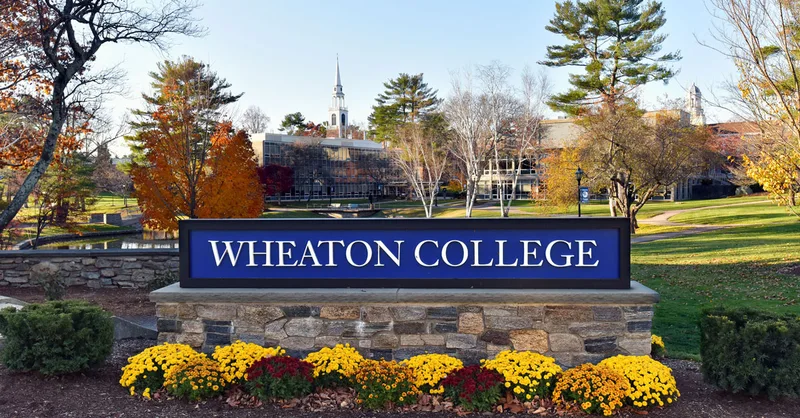
A flexible liberal arts curriculum, NEWMAC competition and access to Boston and Providence give athletes strong reasons to consider Wheaton.
Close faculty relationships and hands-on learning appeal to athletes seeking a small campus and Midwest Conference competition.
Close faculty relationships and a residential mountain setting appeal to athletes seeking connection beyond their sport.
Close faculty relationships and Chicago internship access help athletes connect their college experience with career goals.
Honors academics, personal faculty access and waterfront campus life appeal to athletes seeking a close-knit college experience.
Close faculty relationships and hands-on learning give athletes room to grow alongside competitive Centennial Conference athletics.
Close faculty mentoring and experiential learning appeal to athletes seeking a small campus with competitive athletics.
Three ways to start
Pick the option that matches where you are, and we will show you the plan that fits.
Resources