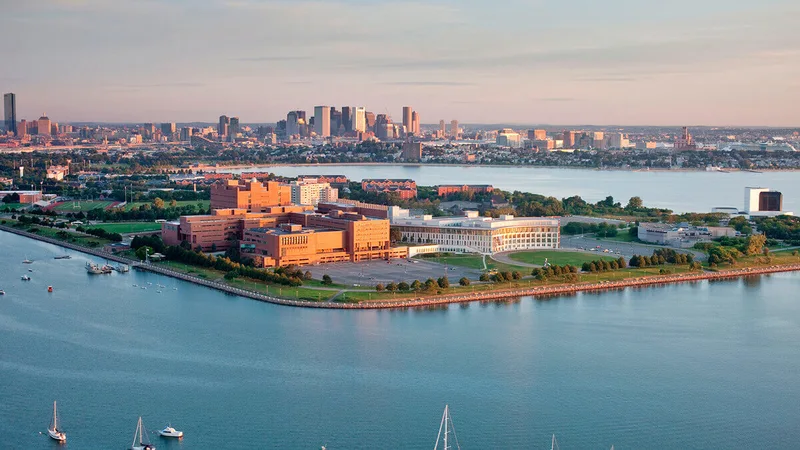
Business-focused academics, Manhattan opportunities and affordable costs give athletes practical reasons to pursue a place here.
- 20,081
- Students
- 48%
- Admit rate
- $3,033
- Net price
Browse programs
College directoryEvery program, filtered by what fits Sport directoryMen's and women's, every division State directoryPrograms in the states you would play inGo deeper
Major directoryYour major and your sport in one list Camp directoryID camps and showcases at college programs Conference directoryEvery conference and its member colleges

New York, New YorkCity University of New York Athletic Conference
Overview
Mission and culture
The City College of New York is a public CUNY college in Harlem, Manhattan, with NCAA Division III athletics and a commuter campus. Its Grove School of Engineering, architecture programs and research opportunities make it worth considering if you want career-focused academics in an urban setting.
Why athletes choose The City College of New York
Career-focused programs, affordable tuition and city access appeal to athletes seeking a commuter campus with competitive athletics.
Fit check
Pick a sport, your position and level, add a test score if you have one, and get an instant read on your chances here. Free, and no account needed.
Academics
The City College of New York pairs demanding coursework with strengths in engineering, architecture and research, making academic fit and the balance between classes and competition important parts of your decision.
Academic strength
A composite of graduation rate, earnings after college, how selective admissions are and how hard the coursework is.
Acceptance rate
More selectiveMore accessible
Admissions are moderately selective, so solid classroom preparation matters alongside your athletic ability and interest in the college.
Six-year graduation rate
0%100%
There is a reasonable path to graduation, but steady academic focus and consistent use of support matter.
Academic difficulty
Rated 4 out of 5
Expect demanding coursework that requires careful planning around practices, competition and independent study.
Student to faculty ratio
students for every faculty member
Faculty should be reasonably reachable, making it worthwhile to build relationships when coursework and athletic commitments overlap.
Median earnings
per year, ten years after starting college
Six years after: $46,435Graduate earnings suggest solid career outcomes, giving families a useful reason to consider long-term educational value.
Undergraduate enrollment
undergraduate students
The medium-sized undergraduate community offers variety, while clubs and athletics can help you build connections on a commuter campus.
SAT and ACT scores
Testing is optional, and the broad score profile gives recruits room to weigh whether scores strengthen an application built on solid classroom performance.
Most popular majors
Admissions
To plan your application to The City College of New York, review deadlines by admission plan, test policy, application fees and recommendation requirements alongside your recruiting conversations.
Majors
41 undergraduate majors across 6 academic areas.
No major matches that search.
Campus life
Daily life centers on an urban commuter campus in Harlem, with a diverse student body, active clubs and strong arts and STEM communities.
Athletics
Competing in NCAA Division III, primarily within the CUNY Athletic Conference, means pursuing college athletics while managing demanding academics and the routines of a commuter campus.
Athletic department
The City College of New York's compact NCAA Division III athletic department provides a useful setting for examining participation, department finances, recruiting spending and the distribution of athletic aid by gender.
Athletes
Source: the federal Equity in Athletics report, 2025.
Cost
At The City College of New York, comparatively affordable public tuition and available need-based and merit-based aid deserve consideration alongside the added expense of living in New York City.
Average net price
What families pay on average after grants and scholarships, including tuition, housing and fees.
Published tuition
The sticker price a year, before any aid.
Financial aid
Need-based and merit-based aid availableAthletic scholarships, where a program offers them, are awarded by the coaching staff and come on top of these figures.
NIL
NIL rating
The City College of New York offers a unique name, image and likeness (NIL) environment in the heart of New York, NY, where college athletes can tap into the visibility and energy of one of the world’s largest markets. While not a major national sports powerhouse, CCNY student‑athletes can still find targeted NIL opportunities connected to campus life, local communities, and the broader New York City sports culture.
See the full NIL breakdownStudent fit
The kind of student-athlete who tends to do well at The City College of New York.
The City College of New York fits athletes who want NCAA Division III competition alongside demanding academics, especially those interested in engineering, architecture or computer science. You should be comfortable managing your own schedule and building a community through athletics and clubs rather than relying on a residential campus experience. Families focused on affordability have good reasons to consider its public tuition and financial aid, while still planning carefully for New York City living costs. It is less suited to someone seeking a quiet college town or lighter coursework, and finishing a degree calls for steady focus and use of academic support.
Who thrives here
Independent Self StarterUrban Campus FitTime Management StrongCareer And Internship FocusResilient CompetitorQuestions
It is known for strong programs in engineering, architecture, the sciences, the humanities, and the arts, as well as a historic commitment to access, research, and social mobility for diverse, high-achieving students.
Admission is considered competitive, with emphasis on a solid academic record, rigorous coursework, and overall preparedness for college-level study, especially for selective majors like engineering and architecture.
The campus offers a traditional collegiate setting with Gothic-style architecture on a hilltop in Manhattan, combined with the energy of an urban environment, drawing a diverse, commuter-friendly student body alongside residential students.
Yes, there is on-campus housing available in residence halls, primarily for full-time students, providing easy access to classes, campus resources, and student activities in an urban setting.
Popular majors include various branches of engineering, architecture, computer science, psychology, biology, business-related fields, and majors in the liberal arts and fine arts.
The engineering programs are well-regarded, with an accredited curriculum, robust math and science requirements, research opportunities, and strong ties to industry and public agencies in New York City.
Students typically experience a mix of larger introductory lectures and smaller upper-level classes and labs, allowing for more interaction with faculty as they advance in their major.
Undergraduates can participate in research across disciplines, often through faculty-led projects, specialized institutes and centers, honors programs, and funded research experiences on campus and within the city.
Support includes academic advising, tutoring and writing centers, career services, internship guidance, counseling services, accessibility support, and programs for first-generation and honors students.
It is a popular destination for transfer students, offering credit evaluation, transfer advising, and pathways from community colleges, especially within related public college systems.
Students can participate in varsity athletics that compete in NCAA Division III, as well as club sports and intramural programs that offer additional recreational and competitive options.
The campus is well-served by New York City subway and bus lines, making it accessible from all boroughs and many surrounding areas, which is convenient for both commuters and resident students.
Compare
Other colleges worth comparing with The City College of New York.
Business-focused academics, Manhattan opportunities and affordable costs give athletes practical reasons to pursue a place here.
Affordable public tuition, Manhattan opportunities and challenging academics give athletes reasons to pursue a place here.
Affordable study, broad academic choices and city career access give athletes practical reasons to pursue this campus.
Research opportunities, waterfront city life and public tuition value complement a competitive Division III athletic experience.
Undergraduate-focused teaching and NJAC competition appeal to athletes seeking a demanding education within a residential community.
Health-focused academics, established athletic traditions and a residential riverfront setting give recruits distinct reasons to consider enrolling.
Athletes can pair competitive college sports with career-focused academics and access to Newark's urban opportunities.
Competitive athletics, undergraduate research and a riverside campus give recruits reasons to look beyond their sport.
Applied academics, accessible admissions and suburban New Jersey life give athletes several reasons to consider competing here.
Competitive athletics, practical majors and in-state value appeal to recruits seeking a balanced college experience.
Accessible admissions, career-focused programs and public tuition give athletes practical reasons to consider competing here.
Career-focused programs, accessible admissions and regional Division III competition give athletes practical reasons to consider this campus.
Three ways to start
Pick the option that matches where you are, and we will show you the plan that fits.
Resources