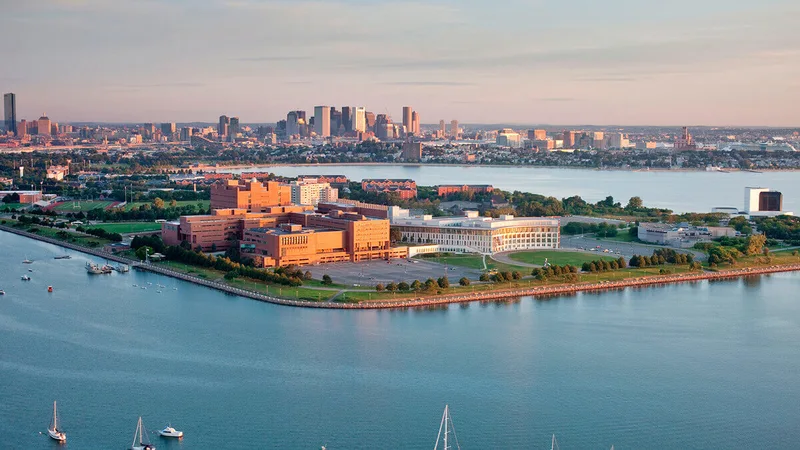
A smaller campus, reachable faculty and nearby Philadelphia opportunities help athletes build a life beyond competition.
- 5,675
- Students
- 66%
- Admit rate
- $18,745
- Net price
Browse programs
College directoryEvery program, filtered by what fits Sport directoryMen's and women's, every division State directoryPrograms in the states you would play inGo deeper
Major directoryYour major and your sport in one list Camp directoryID camps and showcases at college programs Conference directoryEvery conference and its member colleges

Newark, New JerseyNew Jersey Athletic Conference
Overview
Mission and culture
Rutgers University-Newark is a public research campus in Newark, New Jersey, with NCAA Division III athletics and strengths in criminal justice and public affairs. Its urban setting, diverse community and proximity to New York City connect college life with internships and civic engagement.
Why athletes choose Rutgers University–Newark
Athletes can pair competitive college sports with career-focused academics and access to Newark's urban opportunities.
Fit check
Pick a sport, your position and level, add a test score if you have one, and get an instant read on your chances here. Free, and no account needed.
Academics
Rutgers University-Newark combines research and urban-focused learning with strengths in business, criminal justice and public affairs, making academic demands, faculty access and career outcomes important considerations alongside your sport.
Academic strength
A composite of graduation rate, earnings after college, how selective admissions are and how hard the coursework is.
Acceptance rate
More selectiveMore accessible
Admissions are accessible, so solid classroom preparation can help you pursue this campus while developing your recruiting options.
Six-year graduation rate
0%100%
Students have a solid path to finishing, with consistent academic planning helping athletes keep degree progress on track.
Academic difficulty
Rated 4 out of 5
Coursework is demanding, making consistent study habits important alongside practice and competition.
Student to faculty ratio
students for every faculty member
Faculty should be reasonably reachable, giving you opportunities to build academic connections while managing athletic commitments.
Median earnings
per year, ten years after starting college
Six years after: $61,263Graduate earnings suggest solid outcomes, giving families a useful reason to consider career preparation alongside cost.
Undergraduate enrollment
undergraduate students
The medium-sized undergraduate community offers variety without an overwhelming scale, with student organizations and athletics providing ways to connect.
SAT and ACT scores
Testing is optional, and the score profile suggests recruits should weigh whether submitting results strengthens an application grounded in classroom performance.
Most popular majors
Admissions
Prepare your application to Rutgers University-Newark by reviewing deadlines by plan, test policy, application fees and recommendation requirements alongside your conversations with coaches.
Majors
35 undergraduate majors across 5 academic areas.
No major matches that search.
Campus life
Daily life centers on a diverse urban campus in downtown Newark, where residence halls, student organizations and cultural activity offer ways to connect.
Athletics
The Scarlet Raiders compete in NCAA Division III, primarily in the New Jersey Athletic Conference, with men's volleyball competing in the Continental Volleyball Conference.
Athletic department
Explore how Rutgers University-Newark supports its NCAA Division III athletic department through program spending and recruiting investment, alongside athlete participation and the gender breakdown of recruiting budgets and aid.
Athletes
Recruiting spend
Source: the federal Equity in Athletics report, 2025.
Cost
For Rutgers University-Newark, compare the published cost with your price after grants, paying attention to residency, need-based and merit-based aid, and the absence of athletic scholarships.
Average net price
What families pay on average after grants and scholarships, including tuition, housing and fees.
Published tuition
The sticker price a year, before any aid.
Financial aid
Need-based and merit-based aid availableAthletic scholarships, where a program offers them, are awarded by the coaching staff and come on top of these figures.
NIL
NIL rating
Rutgers University–Newark offers a growing name, image and likeness (NIL) environment supported by its large urban campus and strong academic reputation. Located in Newark, New Jersey, student-athletes in a range of college sports can tap into local and regional exposure for thoughtful NIL activities.
See the full NIL breakdownStudent fit
The kind of student-athlete who tends to do well at Rutgers University–Newark.
Rutgers University-Newark fits athletes who want NCAA Division III competition alongside demanding academics and an urban research campus with strengths in business, criminal justice and public affairs. It suits students who value a diverse community and want to explore internships, civic engagement and career possibilities in Newark and nearby New York City. You should be ready to organize study time around your sport and build relationships with faculty in a medium-sized undergraduate community. Families seeking athletic scholarships or a quieter campus setting may find a different fit elsewhere, while those considering need-based and merit-based aid have options to explore.
Who thrives here
City Oriented Self StartersCareer Focused AthletesDiversity Driven StudentsIndependent Commuter MindsetPublic Service BuildersQuestions
Rutgers University–Newark is known for strong programs in business, criminal justice, public affairs, arts and sciences, and global and urban studies. It has a reputation for research, civic engagement, and offering students extensive opportunities to work with faculty on real-world projects, especially related to urban issues and social justice.
Admission is competitive but accessible to well-prepared students. Applicants with solid grades in a college-prep curriculum, a strong academic trend, and evidence of involvement or leadership in activities are most likely to be admitted. The admissions review is holistic and considers rigor of coursework, performance, and personal achievements.
The campus offers an urban, diverse environment with a compact layout in the heart of downtown Newark. Students experience a mix of traditional campus facilities and city life, with access to cultural institutions, internships, public transportation, and community engagement opportunities all within walking distance.
Yes, there are residence halls and apartment-style options for undergraduates and some graduate students. Housing is designed to support a living-learning environment, and many students choose to live on or near campus to take advantage of co-curricular activities, academic support, and quick access to classes and city resources.
Students may qualify for a combination of need-based aid, merit scholarships, grants, loans, and work-study. Aid eligibility is determined through the FAFSA and, for some awards, institutional applications. High-achieving and high-need students may be considered for special scholarship programs that help reduce overall tuition costs.
Graduates benefit from proximity to major employers in the New York–New Jersey region, robust internship pipelines, and an active alumni network. Many students secure internships during the academic year, which often lead to full-time roles in fields such as business, finance, public service, law, technology, arts, and nonprofit work.
Student life is shaped by a highly diverse population, commuter and residential options, and a wide range of clubs, cultural organizations, and service groups. Students participate in arts events, lectures, community service, and social programs on campus, as well as enjoying nearby restaurants, entertainment venues, and cultural sites in Newark and New York City.
Students complete a core curriculum in writing, quantitative reasoning, humanities, social sciences, and natural sciences, alongside their major. Academic support includes tutoring, writing centers, advising, success coaching, and research opportunities, helping students progress on time to graduation and prepare for graduate study or careers.
It is a popular option for transfer students from community colleges and other universities. Many credits can be evaluated for transfer, and there are established pathways and advising support to help students transition, understand degree requirements, and make the most of prior coursework.
As an NCAA Division III institution, the focus is on balancing academics with competitive athletics. Varsity teams compete in a structured conference environment, and student-athletes do not receive athletic scholarships, which emphasizes academic priorities. There are also club and intramural sports for students who want a less intense commitment.
Student-athletes have access to training facilities, academic advising, and support services tailored to balancing coursework and competition. The Division III model allows athletes to pursue rigorous majors, study abroad, internships, and campus involvement while still competing at a high level in their sport.
The campus is highly accessible by train, light rail, and bus, with nearby stations connecting to New York City and the broader New Jersey region. Many students commute using public transit, and the convenient location makes it easy to reach internships, jobs, and cultural attractions without needing a car.
Compare
Other colleges worth comparing with Rutgers University–Newark.
A smaller campus, reachable faculty and nearby Philadelphia opportunities help athletes build a life beyond competition.
Health-focused academics, established athletic traditions and a residential riverfront setting give recruits distinct reasons to consider enrolling.
New Paltz, NY
Why it is similar: Similar academics and size.Athletes choose New Paltz for demanding academics, competitive athletics, in-state value and an active Hudson Valley community.
Division III competition, career-focused academics and a suburban campus give athletes several reasons to consider this college.
Accessible admissions, environmental science strengths and distinctive campus settings give athletes practical reasons to consider Stockton.
Accessible admissions, public tuition and community-connected learning give athletes practical reasons to consider competing here.
Affordable study, broad academic choices and city career access give athletes practical reasons to pursue this campus.
Competitive athletics, undergraduate research and a riverside campus give recruits reasons to look beyond their sport.
Research opportunities, waterfront city life and public tuition value complement a competitive Division III athletic experience.
Competitive athletics, research opportunities and a forest-and-coast setting appeal to athletes who want a strong academic experience.
Career-focused programs, accessible admissions and regional Division III competition give athletes practical reasons to consider this campus.
Accessible admissions, career-focused programs and public tuition give athletes practical reasons to consider competing here.
Three ways to start
Pick the option that matches where you are, and we will show you the plan that fits.
Resources