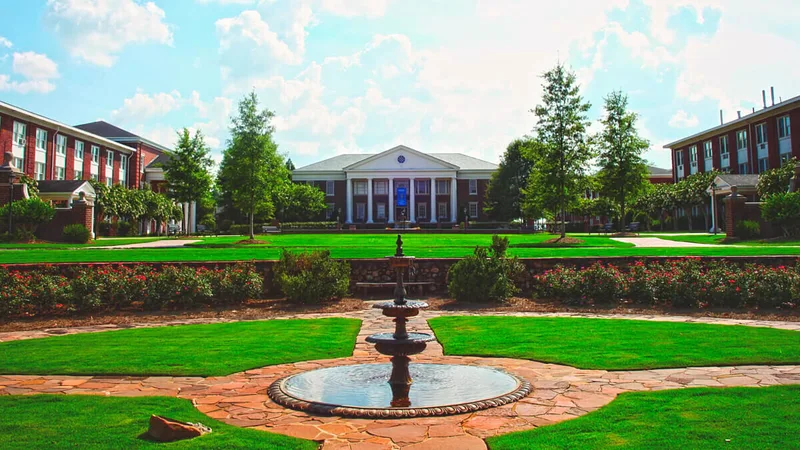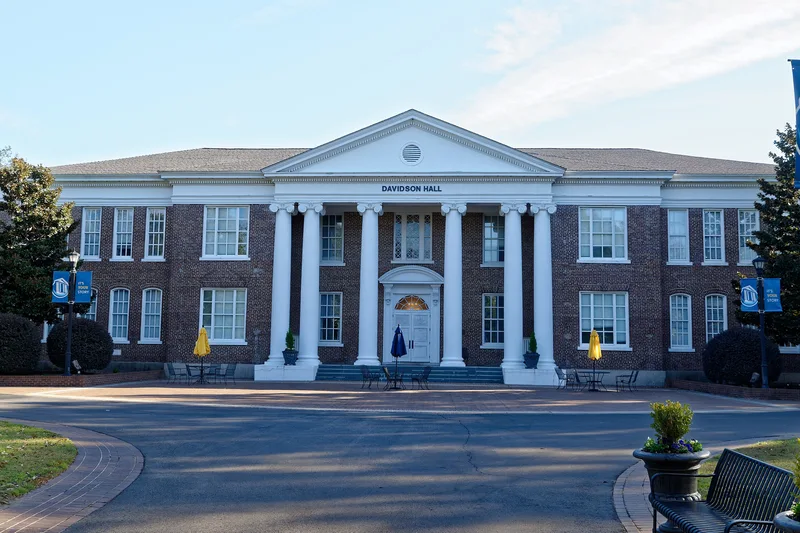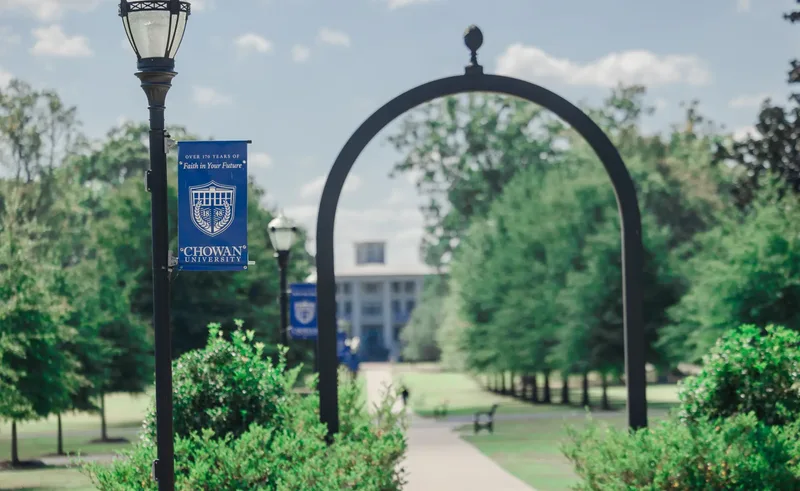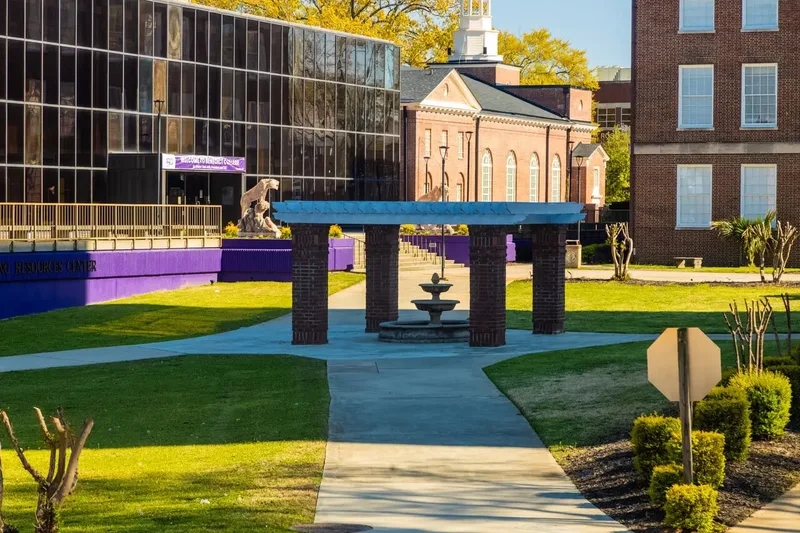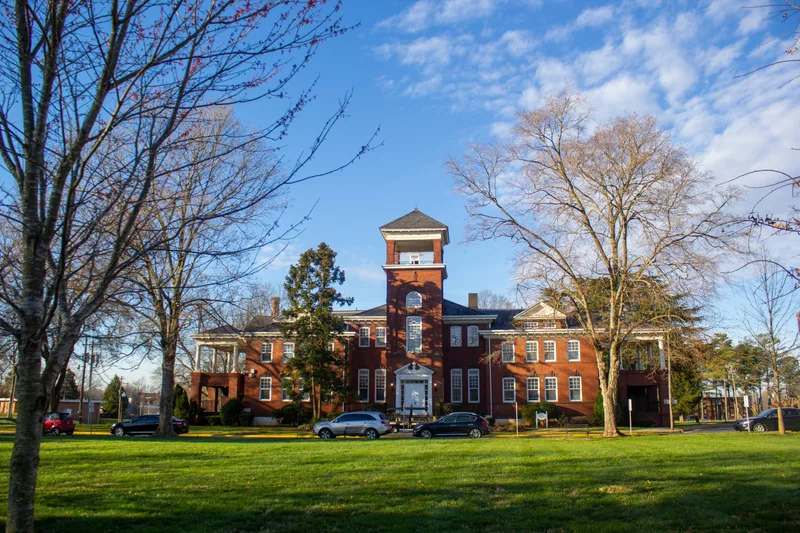

A close-knit HBCU community, academic support and CIAA competition give athletes reasons to consider this campus.
- 936
- Students
- 59%
- Admit rate
- $13,479
- Net price
Browse programs
College directoryEvery program, filtered by what fits Sport directoryMen's and women's, every division State directoryPrograms in the states you would play inGo deeper
Major directoryYour major and your sport in one list Camp directoryID camps and showcases at college programs Conference directoryEvery conference and its member colleges

Fairfield, AlabamaSouthern Intercollegiate Athletic Conference
Overview
Mission and culture
Miles College is a historically Black college in Fairfield, Alabama, offering liberal arts programs and NCAA Division II athletics in the Southern Intercollegiate Athletic Conference. Its small, close-knit community in the Birmingham metro area emphasizes leadership development and support for students balancing academics with competition.
Why athletes choose Miles College
A close-knit HBCU community and Division II competition appeal to athletes seeking connection alongside their sport.
Fit check
Pick a sport, your position and level, add a test score if you have one, and get an instant read on your chances here. Free, and no account needed.
Academics
Miles College offers a liberal arts foundation with career-oriented options in business, education and criminal justice, making academic fit, faculty access and degree completion important considerations for recruits.
Academic strength
A composite of graduation rate, earnings after college, how selective admissions are and how hard the coursework is.
Acceptance rate
More selectiveMore accessible
Admissions are highly accessible, so recruits can focus on classroom readiness and finding the right academic and athletic fit.
Six-year graduation rate
0%100%
Finishing a degree takes real self-direction, making consistent advising and use of support services especially important.
Academic difficulty
Rated 2 out of 5
Coursework should be manageable with steady effort and consistent study habits around athletics.
Student to faculty ratio
students for every faculty member
Faculty should be reachable, giving you opportunities to ask questions and build helpful academic relationships.
Median earnings
per year, ten years after starting college
Six years after: $25,822Graduate earnings are modest, so keeping costs manageable and building career experience deserve particular attention.
Undergraduate enrollment
undergraduate students
The small undergraduate community offers a close-knit environment where building relationships can help you feel connected beyond your sport.
Most popular majors
Admissions
Prepare your application to Miles College by reviewing deadlines, testing expectations, application fees and recommendation requirements, while keeping your recruiting conversations moving alongside the admissions process.
Majors
18 undergraduate majors across 5 academic areas.
No major matches that search.
Campus life
Daily life centers on a small, close-knit HBCU community in suburban Fairfield, with most freshmen living on campus near the Birmingham metro area.
Athletics
Competing in NCAA Division II and the Southern Intercollegiate Athletic Conference, the Golden Bears offer athletes a competitive setting with programs including football, basketball and volleyball.
Athletic department
Explore how Miles College supports its NCAA Division II athletic department through program spending, recruiting investment and athletic aid, including how resources are distributed across men's and women's programs.
Athletes
Athletic aid
Recruiting spend
Source: the federal Equity in Athletics report, 2025.
Cost
At Miles College, compare the published cost with the price after grants, then explore how need-based and merit-based aid could shape your family's college budget.
Average net price
What families pay on average after grants and scholarships, including tuition, housing and fees.
Published tuition
The sticker price a year, before any aid.
Financial aid
Need-based and merit-based aid availableAthletic scholarships, where a program offers them, are awarded by the coaching staff and come on top of these figures.
NIL
NIL rating
Miles College in Fairfield, Alabama offers a developing name, image and likeness (NIL) environment where college athletes can build their personal brands, especially within the tight-knit campus and local community. Student-athletes in prominent college sports have opportunities to connect with local supporters and regional audiences across Alabama.
See the full NIL breakdownStudent fit
The kind of student-athlete who tends to do well at Miles College.
Miles College fits athletes who want NCAA Division II competition within a small, historically Black college community and a suburban setting near Birmingham. It suits recruits who value accessible admissions, reachable faculty and career-oriented study in areas such as business, criminal justice or education while taking responsibility for their own progress. Athletes interested in football, basketball or volleyball can explore program fit while asking how academic support works around practices and travel. Families should weigh affordability and career preparation carefully, and students seeking a large campus or a highly selective academic environment may prefer a different setting.
Who thrives here
HBCU Community SeekersFirst Gen StudentsAccountability Driven AthletesSupport Services UsersLeadership BuildersQuestions
It is known as a private, historically Black liberal arts college with a strong focus on community engagement, faith-based values, and providing accessible higher education, especially for first-generation and underrepresented students.
It is located in Fairfield, Alabama, just outside Birmingham. The campus environment is close-knit and community oriented, with a traditional college feel and easy access to the cultural, internship, and job opportunities of the greater Birmingham area.
It offers undergraduate programs in areas such as business, education, social and behavioral sciences, natural sciences and mathematics, humanities, and criminal justice, with an emphasis on liberal arts and professional preparation.
The academic experience is generally considered accessible and supportive rather than highly competitive, with small classes, personal attention from faculty, and resources designed to help students build skills and succeed over time.
It is often a strong option for first-generation and nontraditional students because of its supportive campus culture, approachable faculty, and student services that focus on academic assistance, mentoring, and overall personal development.
Student life includes active Greek organizations, student clubs, religious and service groups, marching band and performing arts, and frequent campus events, all within a relatively small, close-knit community where it is easy to get involved.
Yes, it offers on-campus housing in residence halls that give students the chance to live close to classes and campus activities, with options typically geared toward both new and returning undergraduates.
Students can participate in intercollegiate athletics as well as intramural and recreational sports. Varsity teams compete against other historically Black colleges and regional opponents, and athletics are a visible part of campus life and school spirit.
The marching band is a central part of campus culture and game-day traditions, contributing to a lively atmosphere at football games and other events, and helping create a strong sense of pride among students, alumni, and the local community.
Students have access to academic advising, tutoring, career services, counseling, and spiritual life programs, along with mentoring and student success initiatives aimed at helping them adjust to college and progress toward graduation.
It holds regional accreditation, and its degrees are generally recognized by employers, licensing agencies, and graduate and professional schools, especially within the region and among institutions familiar with historically Black colleges and universities.
Campus culture reflects the heritage of a historically Black college, with a strong emphasis on cultural pride, tradition, faith, and community service, while welcoming students from diverse backgrounds who value a supportive and inclusive environment.
Compare
Other colleges worth comparing with Miles College.
A close-knit HBCU community, academic support and CIAA competition give athletes reasons to consider this campus.
A close-knit campus, historically Black identity and Jacksonville setting give athletes distinct reasons to consider competing here.
A faith-centered community and approachable faculty give athletes a personal setting for pursuing academics and competitive sports.
Personal attention, accessible admissions and Conference Carolinas competition give athletes a practical starting point for college planning.
Flexible study options and a small rural campus appeal to athletes seeking a practical college path.
Personal faculty access and a close-knit campus appeal to athletes seeking competitive athletics alongside discussion-based learning.
A supportive community and reachable faculty help athletes pursue career-focused study alongside competitive Division II sports.
Reachable faculty, hands-on academics and a rural campus give athletes a personal setting for college competition.
A nurturing HBCU community, reachable faculty and regional Division II competition give athletes reasons to consider Lane.
Athletes come for competitive CIAA programs, a close-knit community, accessible admissions and Richmond's urban setting.
Close faculty connections and career-focused academics appeal to athletes seeking competitive sports within a small campus community.
A supportive HBCU community, accessible admissions and Division II competition give athletes several reasons to consider Benedict.
Three ways to start
Pick the option that matches where you are, and we will show you the plan that fits.
Resources