Youth campBaseball
Winter Program - Pitching & Catching (Saturdays 2-3pm)
- Jan 10 to 31, 2026
- Marymount University, Arlington, VA
- $280
Four-week winter clinic for Little League players focused on pitching, arm care, and catching mechanics.
Browse programs
College directoryEvery program, filtered by what fits Sport directoryMen's and women's, every division State directoryPrograms in the states you would play inGo deeper
Major directoryYour major and your sport in one list Camp directoryID camps and showcases at college programs Conference directoryEvery conference and its member colleges

Arlington, VirginiaAtlantic East Conference
Overview
Mission and culture
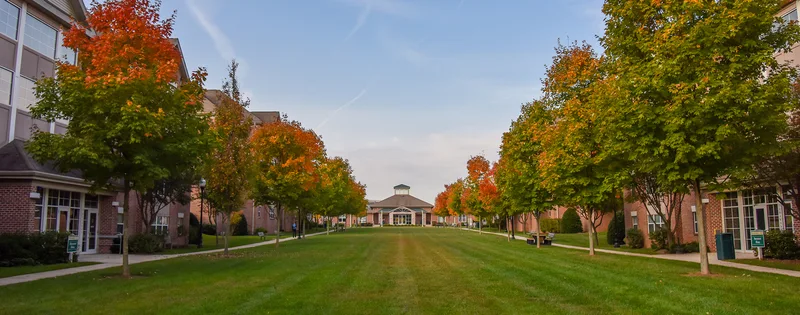
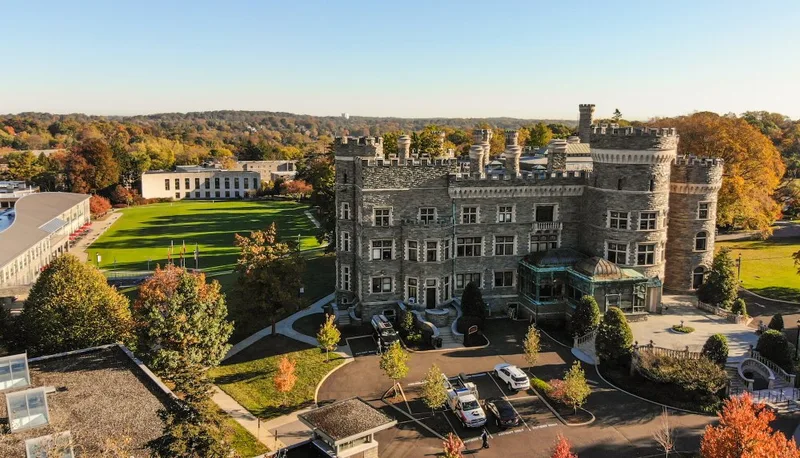
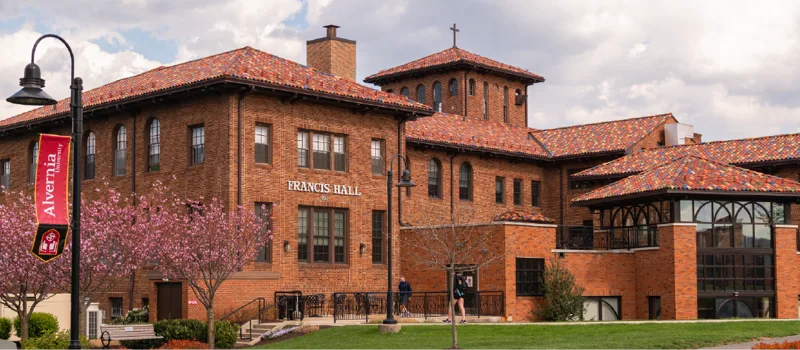
Marymount University is a Catholic university in Arlington, Virginia, with NCAA Division III athletics and a small-campus environment near Washington, D.C. Its nursing and cybersecurity programs, approachable faculty and access to regional internships make it worth considering if you want career-focused academics alongside competitive athletics.
Why athletes choose Marymount University
Personal faculty access and nearby career opportunities give athletes reasons to look beyond their sport.
Fit check
Pick a sport, your position and level, add a test score if you have one, and get an instant read on your chances here. Free, and no account needed.
Academics
Marymount University's career-focused academic offerings, particularly in nursing, business and cybersecurity, provide context for evaluating admissions, coursework, faculty access and the degree outcomes that matter alongside your athletic goals.
Academic strength
A composite of graduation rate, earnings after college, how selective admissions are and how hard the coursework is.
Acceptance rate
More selectiveMore accessible
Admissions are highly accessible, making academic readiness and finding the right program more important than navigating intense selectivity.
Six-year graduation rate
0%100%
Finishing a degree is a reasonable goal, but steady academic focus and consistent support remain important.
Academic difficulty
Rated 3 out of 5
Coursework presents a balanced challenge, making steady study habits important alongside athletic commitments.
Student to faculty ratio
students for every faculty member
Faculty should be reachable, creating opportunities to discuss coursework and maintain communication around your athletic schedule.
Median earnings
per year, ten years after starting college
Six years after: $57,801Graduate earnings suggest solid outcomes, giving families a useful starting point for weighing cost against career goals.
Undergraduate enrollment
undergraduate students
The small undergraduate community offers a more personal setting, suited to athletes who prefer familiarity over a sprawling campus.
SAT and ACT scores
Testing is required in some circumstances, so confirm what applies to you; the score profile suggests room for recruits with varied academic backgrounds.
Most popular majors
Admissions
Prepare for Marymount University's rolling admissions process by reviewing application deadlines, testing expectations, the application fee and recommendation requirements alongside your conversations with athletic coaches.
Majors
26 undergraduate majors across 7 academic areas.
No major matches that search.
Campus life
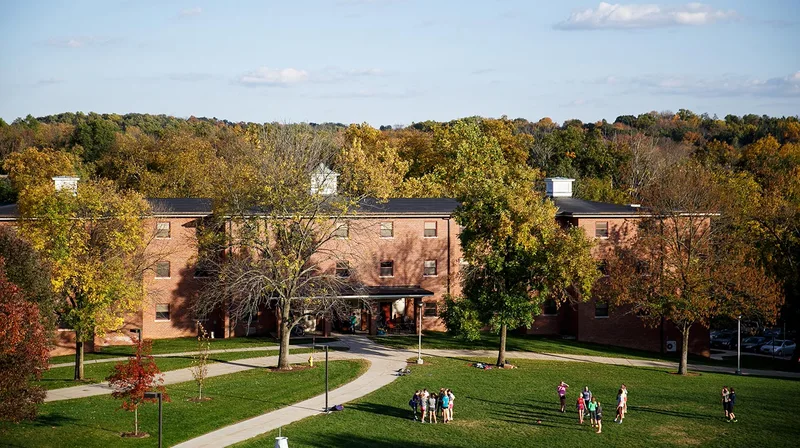
Daily life combines a small, diverse campus community with suburban Arlington surroundings and access to Washington, D.C. for cultural experiences and internships.
Athletics
The Saints compete in NCAA Division III within the Atlantic East Conference, with recent conference championships across several programs and repeated conference-wide athletics honors.
Athletic department
Explore how Marymount University's NCAA Division III athletic department allocates resources across its programs, from overall revenue and athlete participation to recruiting expenditures and athletic aid by gender.
Athletes
Recruiting spend
Source: the federal Equity in Athletics report, 2025.
Cost
At Marymount University, compare the published cost with the price after grants, then examine available need-based and merit-based assistance, since athletic aid is not part of the funding picture.
Average net price
What families pay on average after grants and scholarships, including tuition, housing and fees.
Published tuition
The sticker price a year, before any aid.
Financial aid
Need-based and merit-based aid availableAthletic scholarships, where a program offers them, are awarded by the coaching staff and come on top of these figures.
NIL
NIL rating
Marymount University in Arlington, Virginia offers a growing name, image and likeness (NIL) environment that fits a private NCAA Division III school in a major metropolitan area. Student-athletes in a range of Saints college sports can tap into targeted, community-based NIL opportunities while focusing on academics and competition.
See the full NIL breakdownStudent fit
The kind of student-athlete who tends to do well at Marymount University.
Marymount University fits athletes seeking NCAA Division III competition, accessible admissions and career-focused study in a small Catholic university near Washington, D.C. It particularly suits students interested in nursing, business or cybersecurity who want reachable faculty and are prepared to maintain steady academic habits around practices and competition. You should be comfortable with a suburban setting and interested in using nearby internship and career opportunities rather than expecting a sprawling campus experience. Families should also weigh the cost after grants carefully and look to need-based or merit-based assistance rather than athletic aid when building an affordable plan.
Who thrives here
Tight Knit CommunityCareer Focused AthletesTime Management StrengthDC Internship SeekersValues Minded StudentsCamps
Marymount University has not posted new camp dates yet. These ran last season.
Four-week winter clinic for Little League players focused on pitching, arm care, and catching mechanics.
Four-week winter clinic for middle & high school players focused on infield/outfield work and throwing mechanics.
Four-week winter clinic for Little League players focused on infield/outfield work and throwing mechanics.
Questions
It is best known for its strong programs in nursing, health sciences, business, design, and the liberal arts, as well as its student-focused environment and proximity to Washington, D.C. for internships and career opportunities.
It is located in Arlington, Virginia, just outside Washington, D.C. The campus offers a small, close-knit community with a suburban feel while providing easy access to major urban, cultural, and professional resources in the region.
Admission is considered moderately selective. Applicants with solid grades, a strong college-prep curriculum, and a well-rounded application that highlights involvement and potential for academic success have a good chance of being admitted.
Popular programs include nursing, health sciences, business administration, cybersecurity, psychology, education, interior design, and fashion merchandising, reflecting a balance of professional preparation and liberal arts foundations.
Classes are generally small, allowing students to know their professors and classmates well. The learning environment emphasizes personal attention, discussion-based courses, and hands-on learning experiences like projects, labs, and internships.
Students benefit from extensive internship and career opportunities due to the university’s location near Washington, D.C. Many programs intentionally integrate internships, clinical placements, or field experiences with employers, nonprofits, and government agencies in the region.
Student life combines a small-campus community with access to a major metropolitan area. Students join clubs, service organizations, honor societies, and cultural groups on campus while also taking advantage of nearby museums, events, and professional networks.
It is a strong option for nursing and health-related fields, offering well-regarded clinical and pre-professional programs, access to regional hospitals and health systems, and a curriculum that prepares students for licensure exams and entry-level professional roles.
It competes in NCAA Division III, which emphasizes a balance between academics and athletics. Student-athletes train and compete at a high level while prioritizing their coursework, without athletic scholarships shaping the recruitment process.
Student-athletes participate in a competitive yet supportive environment, with access to coaching, training facilities, and academic support. The Division III model encourages involvement in campus life beyond sports, including clubs, internships, and leadership roles.
First-year students receive structured support through orientation programs, academic advising, first-year seminars, and access to tutoring and counseling services designed to help them transition to college-level work and campus life.
It is a strong fit for students who want the advantages of a small, personal campus paired with the opportunities of a major city. Students enjoy close faculty interaction and a tight-knit community while leveraging the internships, culture, and careers available in the Washington, D.C. area.
Compare
Other colleges worth comparing with Marymount University.
Career-oriented study, a small campus community and competitive athletics give recruits practical reasons to consider Stevenson.
Personal faculty attention and distinctive academic programs appeal to athletes seeking a small university with competitive athletics.
Close faculty connections and global learning opportunities appeal to athletes seeking a broad college experience.
Athletes are drawn to competitive athletics, a Christian community, approachable faculty and opportunities to learn through experience.
Competitive athletics, performing arts and nearby Cleveland opportunities appeal to athletes seeking a small-campus experience.
Personal faculty attention, research opportunities and competitive conference play appeal to athletes seeking a residential college experience.
A small academic community and suburban Chicago location complement competitive athletics and career-focused study.
Career-focused programs, a close-knit community and Division III competition give athletes clear reasons to consider this campus.
Close faculty mentoring and competitive athletics give recruits a small-college setting with practical career preparation.
A close-knit campus, merit scholarships and Centennial Conference competition appeal to athletes seeking balance and personal attention.
A Christian community, professional majors and competitive athletics appeal to recruits seeking a small-campus experience.
A supportive community and health-focused academics appeal to athletes seeking personal connections alongside competitive college sports.
Three ways to start
Pick the option that matches where you are, and we will show you the plan that fits.
Resources