What Pop Time Do NAIA Women's Softball Coaches Look For?
The Pop Time (Catchers) range NAIA Softball coaches typically see in the recruits they sign, how they use it, and what moves the needle.
The typical Pop Time (Catchers) range
Typically about 1.90 to 2.10 seconds for recruited NAIA women's softball catchers, with stronger programs often favoring times closer to 1.90 to 2.00
- Benchmark
- Pop Time (Catchers)
- Last reviewed
- May 2026
Overview
What the Pop Time (Catchers) Range Means for NAIA Softball Recruits
For NAIA women's softball catchers, pop times around 1.90 to 2.10 seconds are commonly competitive in recruiting conversations. Coaches usually look at that number alongside exchange speed, throwing accuracy, receiving, blocking, game management, and the overall level of competition, so the target can vary by program, conference, and roster needs.
Pop time is only one part of a catcher evaluation, and expectations vary by program, conference, and defensive role.
- Division
- NAIA
- Sport
- Softball
- Benchmark
- Pop Time (Catchers)
- Last reviewed
- May 2026
How coaches use it
How Coaches Evaluate Pop Time (Catchers)
Coaches use pop time to estimate how quickly a catcher can control the running game, but they do not evaluate it by itself. They also look closely at transfer mechanics, footwork, arm strength, throw accuracy, and whether the catcher can repeat those actions in game conditions. Receiving, blocking, pitch presentation, communication, toughness, and leadership matter a great deal at the NAIA level. Offensive production, softball IQ, academic fit, and the athlete's overall schedule and competition level also influence recruiting decisions.
Stand out
What Helps and What Hurts
What helps
Habits that move you up coaches' boards
- Clean footwork and a quick, repeatable exchange
- Accurate throws that stay on the bag in game situations
- Video and verified times showing multiple reps, not just one best throw
- Strong receiving, blocking, and pitcher management to go with arm skill
What hurts
Mistakes that quietly cost opportunities
- Sharing only a personal best time without context or verification
- Slow exchange mechanics even when raw arm strength is solid
- Inconsistent accuracy that leads to missed tags or pulls fielders off the base
- Assuming pop time alone will outweigh weak catching fundamentals or limited game impact
More benchmarks
Other NAIA Softball Benchmarks
Typically about 60 to 72 mph for recruited NAIA women's softball players, with higher end offensive recruits often...
See the benchmark Fastpitch Velocity (mph)Typically about 56 to 63 mph for recruited NAIA women's softball pitchers, with some variation by program level and role
See the benchmark GPATypically around 2.8 to 3.6 GPA for many NAIA women's softball recruits, with some programs recruiting above or below...
See the benchmark Home-to-First TimeTypically about 2.9 to 3.3 seconds from the right side for recruited NAIA women's softball athletes, with many...
See the benchmark SAT/ACT ScoreCoaches evaluate this contextually rather than against a fixed range
See the benchmarkNext step
See where you fit as a catcher
Compare your pop time and overall profile with realistic college options. Then build a target list based on your skills, academics, and level of play.
College fit finder
Find the Colleges Where You Fit
Now that you know where your numbers stand, see which schools to aim it at. Pick your position and level, and we score every college program in your sport on roster openings at your position, athletic level and academics.
Explore programs
Search top NAIA Softball colleges
Four ways to rank the programs in this division, from the strongest overall to the easiest to get into.
FAQ
Frequently Asked Questions
Is a 2.0 pop time good for NAIA women's softball recruiting?
A 2.0 pop time is generally in a competitive range for many NAIA softball programs. Coaches will still want to see whether that time comes with consistent accuracy, clean mechanics, and strong overall catching skills.
Do NAIA softball coaches care more about pop time or arm strength?
Most coaches care about the full result, not just raw arm strength by itself. A strong arm helps, but quick feet, a fast release, accuracy, and the ability to repeat throws in games usually matter more.
How should a catcher report pop time to NAIA coaches?
It helps to share video along with clearly timed reps so coaches can see mechanics and consistency. Listing whether the time was from glove to middle infielder at the bag also gives useful context.
Can a catcher with a slower pop time still be recruited at the NAIA level?
Yes, that can happen if the catcher brings value in other areas such as receiving, blocking, leadership, game calling, and offensive production. Coaches build rosters based on overall fit, not one metric alone.
Do game throws matter more than showcase pop times in NAIA softball recruiting?
Both matter, but game throws often carry more weight because they show how skills hold up under pressure. Coaches like showcase times for comparison, then use game video to judge decision making, accuracy, and consistency.
Three ways to start
Where are you in the search?
Pick the option that matches where you are, and we will show you the plan that fits.
Your 20 to 25 best-fit schools, picked for you.



- Starter: the list, fit reads, real costs and a dated timeline
- Complete: adds roster reads and coach emails for every school
The roster at your position, at the schools you pick.

- Who is graduating at your position, class year by class year
- Where spots are likely to open, in plain words
One school, covered end to end.
- Your honest odds, the roster and the verified coach
- Intro email, three follow-ups, admissions steps and timeline
News and guides
Softball: The Latest from Pathley
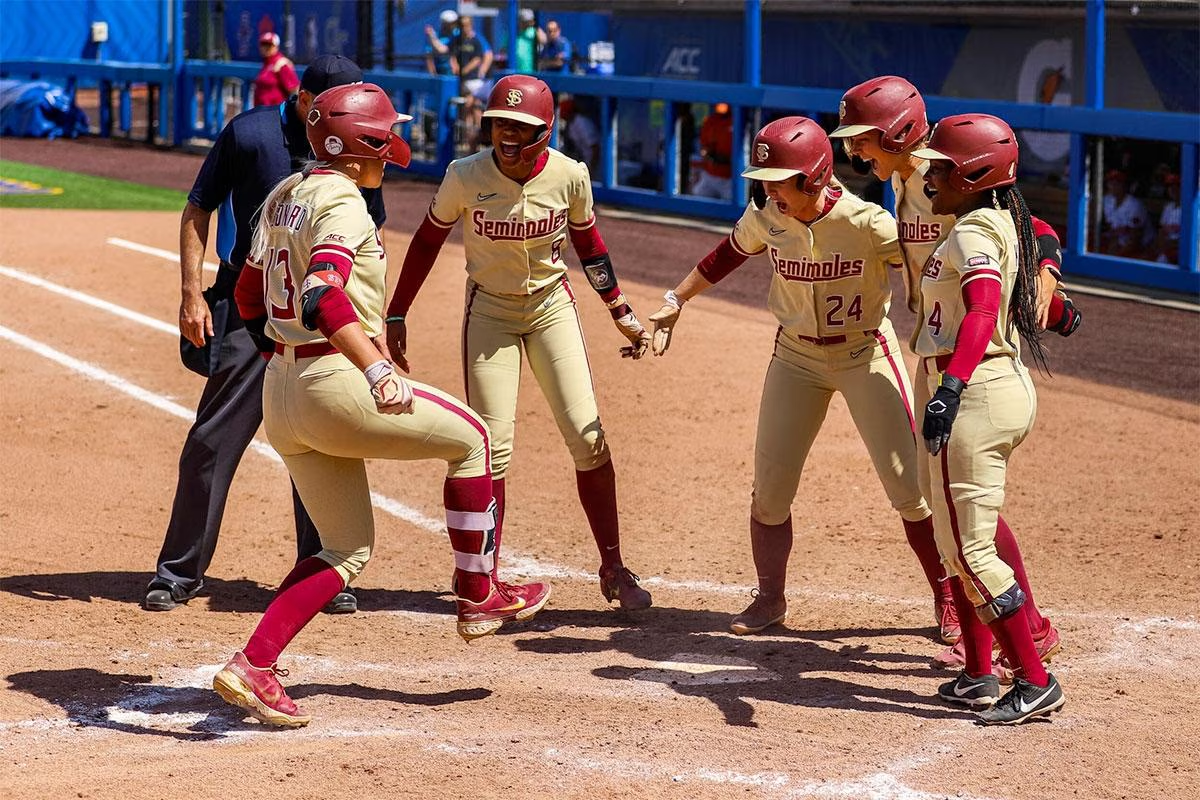


Resources
Keep exploring
Sport hub
Everything for Softball recruiting
The Softball hub brings every division together: how D1, D2, D3 and NAIA compare, the strongest programs in each state, camps, and the recruiting guides for each level.
How this page was built. Compiled from college recruiting guidance, coach input, club softball standards, and publicly available recruiting benchmarks Updated May 2026.