Youth campBaseball · Men's
UTSA Pitching/Catching Camp
- Jan 2 to 3, 2026
- Roadrunner Field, San Antonio, TX
- $135
Position-specific instruction for pitchers and catchers covering mechanics, arm care, receiving, blocking and footwork.
Browse programs
College directoryEvery program, filtered by what fits Sport directoryMen's and women's, every division State directoryPrograms in the states you would play inGo deeper
Major directoryYour major and your sport in one list Camp directoryID camps and showcases at college programs Conference directoryEvery conference and its member colleges

One plan built for University of Texas at San Antonio Baseball, with the roster read, the coach's contact and a dated plan, delivered within 24 hours. An expert checks every plan.
Overview
Key facts about the University of Texas at San Antonio baseball team.
University of Texas at San Antonio runs a baseball team in San Antonio, Texas, competing in the American Conference at the Division I level. Four straight winning seasons run through 2025. It is a young group, with eight of 18 players in their first year.
Head Coach
players a season
Fit check
Pick your position and level, add a test score if you have one, and get an instant read on your chances here. Free, and no account needed.
Coaching staff
Head coach
Pat HallmarkHead CoachRoster
The roster by class
18 players on the latest roster (2027).
Roster openings after 2026-27
The roster now has 18 players, down from a three-season average of 32, a drop of 44%. On the current roster, eight of 18 players are freshmen, a 44% share that points to a young group. That means newcomers share the field with many classmates and a deep underclass group.
Positions
How many players a season the program carries at each position, and how tall they are.
Average height 6'2"
Average height 6'0"
Average height 6'0"
Average height 5'11"
Average height 6'0"
Roster spots lean toward utility players and designated hitters: 10% of the roster, against 4% on the average Division I baseball team.
Transfers
transfers in for 2026-27
transfers out
Footprint
Where the players are from
Counted from players on recent rosters with a known hometown.
Top home states
Recruiting is largely local here, with 82% of players from Texas, against a median of 40% among Division I baseball teams. For players in Texas, that is a reason to get on the coaches' radar early.
Results
Swipe to see every season
2021
46%22-26overall
14-17conference
2022
66%38-20overall
19-11conference
2023
67%38-19overall
21-8conference
2024
57%32-24overall
17-10conference
2025
76%47-15overall
23-4conference
Results peaked in the 2025 season, when the team went 47-15 for its highest winning percentage in five seasons. Placing in the top 10% among Division I baseball teams, the team has a 63% winning percentage over five seasons, against a 49% median.
Standings
Where University of Texas at San Antonio stands in the American Conference.
Recruiting
UTSA baseball is a competitive NCAA Division I program in the American Conference with a roster built from high school recruits, junior college players, and transfers. The program has a documented history of NCAA postseason participation and continues to develop players selected in the MLB Draft, so recruiting is competitive and roster opportunities should be approached as earned, position-specific openings rather than guaranteed spots.
Recruiting difficulty
UTSA is a solid Division I program where most roster spots are recruited, but the available evidence does not place it consistently in the extremely selective national-contender tier.
What coaches value
How to get recruited here
Build a complete evaluation package with verified video, measurable data, academic information, and a clear position profile. Contact the baseball staff early, attend credible showcases or camps, and provide updated results against strong competition while highlighting skills that fit a Division I roster need.
How hard is it to make the team
Making the UTSA baseball team is difficult because it is a Division I program competing in a strong conference and recruiting nationally across multiple player pathways. A realistic candidate typically needs demonstrated college-level tools, dependable performance, and a skill set that fills a specific roster need; walk-on opportunities should not be assumed.
Who fits this program
Program stats
Athletes on the roster
Coaches on staff
Spent per athlete
Spending and revenue a year
Revenue covers everything the program spends.
According to the 2025 EADA report, the program spends around $22,000 per athlete on operations, about twice the Division I median.
Source: the federal Equity in Athletics report, 2025.
Feeders
The high schools and clubs that sent the most players to this roster.
If there is one pipeline to know, it is Episcopal High School, which has sent three players onto recent rosters. Repeat pipelines are common here, with A&M Consolidated, Clark High School, and Elgin High School also each showing up with at least two players.
The school
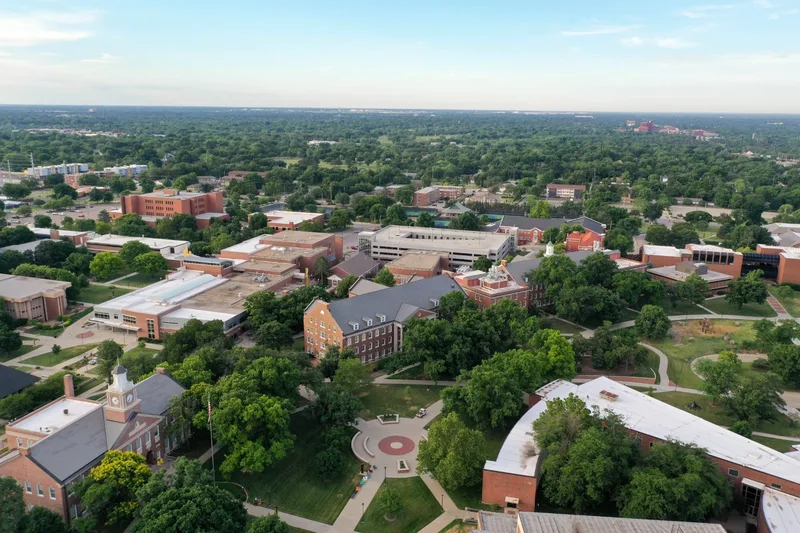
Explore how the University of Texas at San Antonio combines research-oriented programs in technology and business with an academic environment where athletes need to balance coursework, competition and career preparation.
University of Texas at San AntonioSan Antonio, TexasSee the full profile Acceptance rate
Graduation rate
Camps
New camp dates are not posted yet. These ran last season.
Position-specific instruction for pitchers and catchers covering mechanics, arm care, receiving, blocking and footwork.
Focused hitting instruction and drills for high school-age players and younger youth sessions.
Hitting instruction aimed at youth players (elementary/middle school age) with group stations and drills.
Official links
Similar programs
Programs at a similar level, with similar academics, worth adding to your recruiting list.
Research opportunities, South Florida internships and competitive athletics give recruits reasons to look beyond the coastal setting.
Applied learning, urban opportunities and competitive athletics give recruits practical reasons to consider studying and competing here.
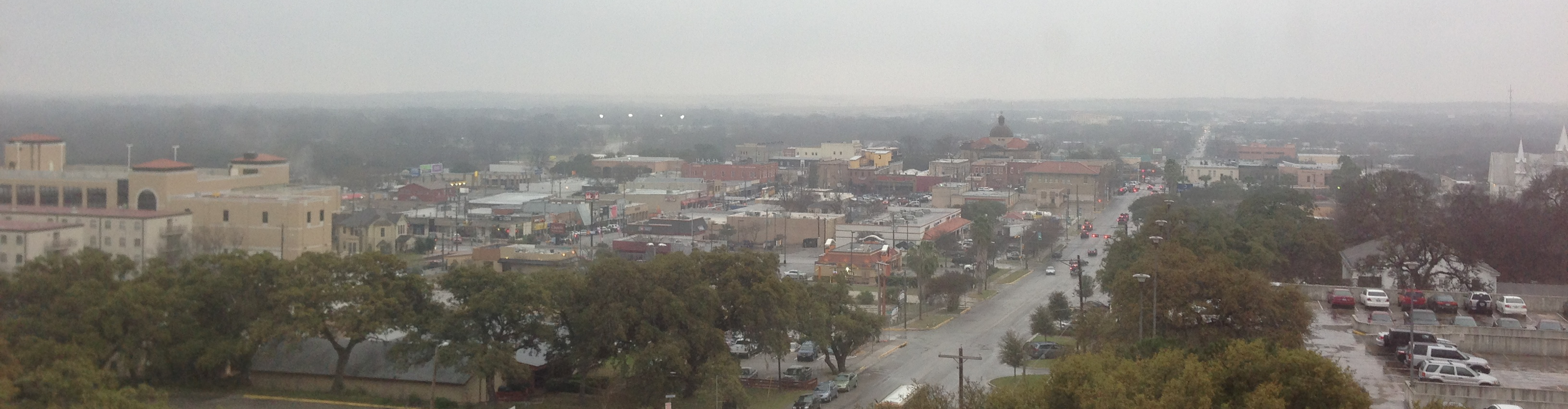
Division I competition, career-focused academics and Central Texas connections give athletes several reasons to consider this campus.
Competitive athletics, affordable degree options and hands-on academics give recruits several reasons to consider this Beaumont campus.
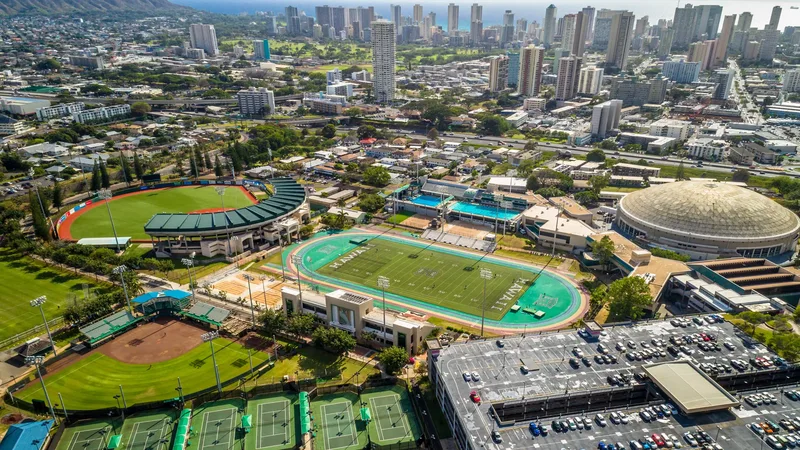
Research opportunities, Division I competition and Honolulu's cultural setting give athletes distinct reasons to pursue a place here.
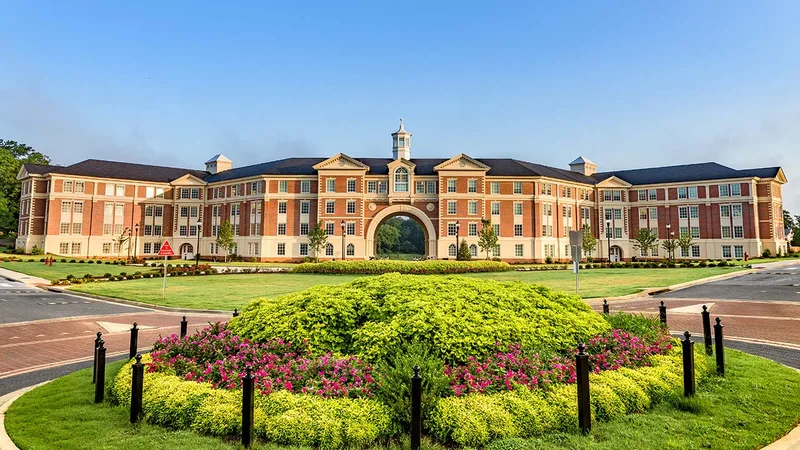
Sun Belt competition, accessible admissions and career-oriented academics give recruits practical reasons to consider studying here.
Teams in Texas
Houston, TX
A small Christian community and Houston career connections give athletes reasons to look beyond the competition schedule.
San Antonio, TX
Health-profession pathways, reachable faculty and Southland Conference competition appeal to athletes seeking career preparation alongside their sport.
Abilene, TX
Christian community, reachable faculty and Division I competition appeal to athletes seeking connection beyond their sport.
Waco, TX
Competitive athletics, challenging academics and a Christian campus community give recruits distinct reasons to consider Baylor.
Beaumont, TX
Competitive athletics, affordable degree options and hands-on academics give recruits several reasons to consider this Beaumont campus.
Prairie View, TX
Engineering programs, an HBCU community and SWAC competition give athletes clear reasons to consider studying and competing here.
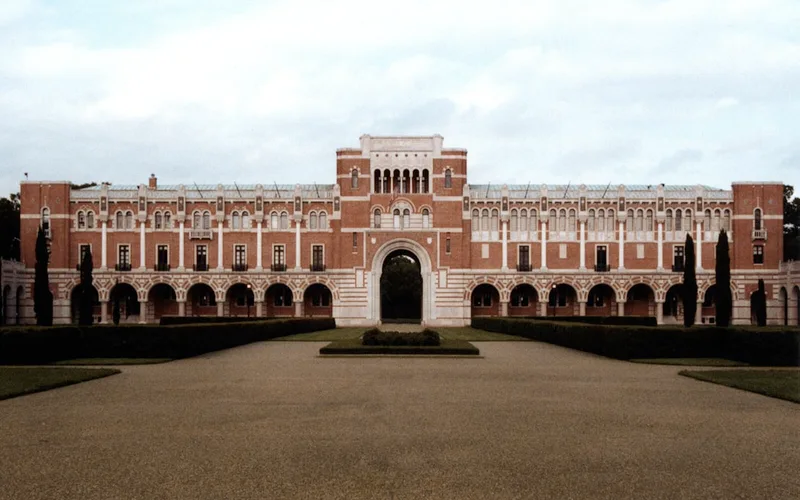
Houston, TX
Challenging academics, close faculty connections and a residential college community complement the demands of Division I competition.
Huntsville, TX
Career-focused programs, Conference USA competition and a traditional campus give athletes clear reasons to consider studying here.
Nacogdoches, TX
Specialized academics, Division I competition and small-town campus life give athletes distinct reasons to consider enrolling.
Stephenville, TX
Career-focused programs, accessible admissions and a community-oriented setting give athletes practical reasons to consider competing here.
Roster openings · 2026-27
Every program ranked by players in their final year, with the positions they are losing.
Three ways to start
Pick the option that matches where you are, and we will show you the plan that fits.
Resources