National Girls and Women in Sports Day Clinic
- Jan 31, 2026
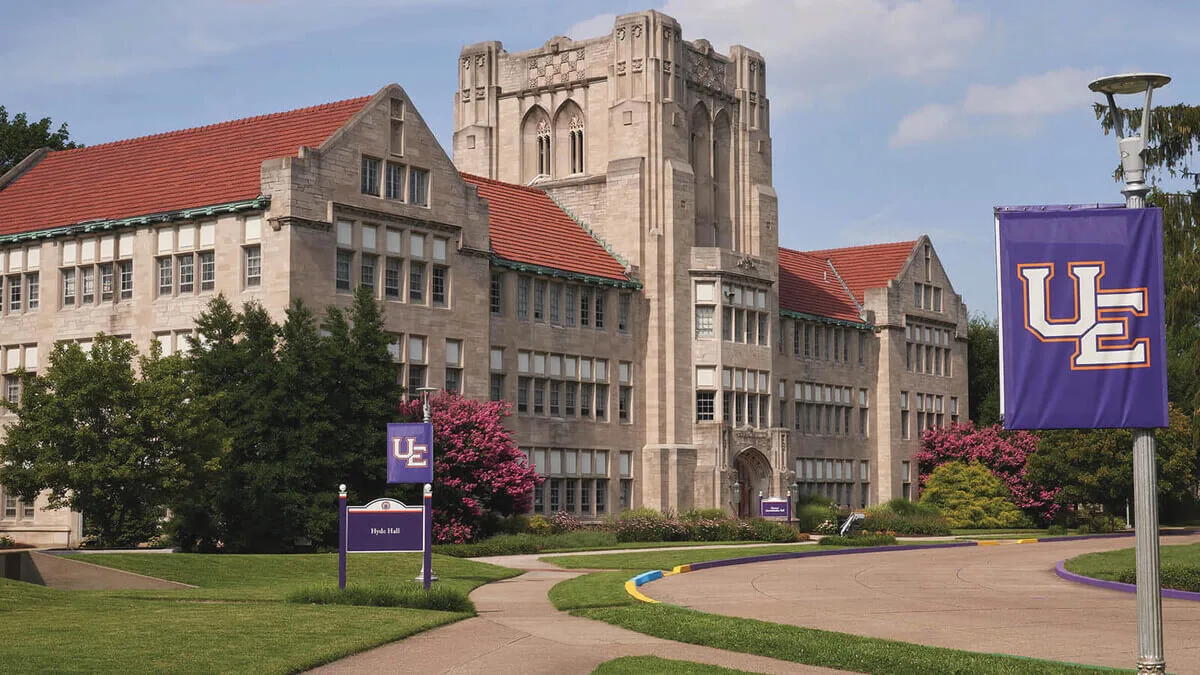
- University of Evansville campus
- $0
Free multi-sport clinic (K-8) led by UE student-athletes and coaches; includes sport-specific drills, free T-shirt and voucher for a home women's event.
Browse programs
College directoryEvery program, filtered by what fits Sport directoryMen's and women's, every division State directoryPrograms in the states you would play inGo deeper
Major directoryYour major and your sport in one list Camp directoryID camps and showcases at college programs Conference directoryEvery conference and its member colleges
One plan built for University of Evansville Women's Track & Field, with the roster read, the coach's contact and a dated plan, delivered within 24 hours. An expert checks every plan.
Overview
Key facts about the University of Evansville women's track & field team.
University of Evansville plays Division I women's track and field in the Missouri Valley Conference from its campus in Evansville, Indiana. It is a young group, with 11 of 24 athletes in their first year. Jumpers make up just 2% of the roster, below the 16% average among Division I women's track and field teams.
Head Track and Field/Cross Country Coach
players a season
Fit check
Pick your position and level, add a test score if you have one, and get an instant read on your chances here. Free, and no account needed.
Coaching staff
Head coach
Matt LoganHead Track and Field/Cross Country CoachRoster
The roster by class
24 players on the latest roster (2025-26).
A young group: 46% of the roster is in its first year, with 67% made up of freshmen and sophomores together. That means newcomers share the field with many classmates and a deep underclass group.
Positions
How many players a season the program carries at each position, and how tall they are.
Roster spots lean away from jumpers, which fill 2% of the roster compared with 16% on the average Division I women's track and field team. The throwers group fills 25% of the roster, around four a season, above the 13% average among Division I women's track and field teams.
Footprint
Where the players are from
Counted from players on recent rosters with a known hometown.
Top home states
Recruiting
Who fits this program
Program stats
Athletes on the roster
Coaches on staff
Spent per athlete
Spending and revenue a year
Revenue covers everything the program spends.
At around $800 per athlete in the 2025 EADA report, operating spending runs about half of the Division I median.
Source: the federal Equity in Athletics report, 2025.
The school
The University of Evansville combines liberal arts foundations with professional preparation, making faculty access, demanding coursework, undergraduate research and career direction important parts of your academic fit as an athlete.

Acceptance rate
Graduation rate
Camps
New camp dates are not posted yet. These ran last season.
Free multi-sport clinic (K-8) led by UE student-athletes and coaches; includes sport-specific drills, free T-shirt and voucher for a home women's event.
Official links
Similar programs
Programs at a similar level, with similar academics, worth adding to your recruiting list.
Accessible admissions, practical academics and affordable costs make a residential Division I experience worth considering here.
Athletes can pursue Division I competition while staying connected to faculty in a small university community.
Health sciences, downtown professional opportunities and Horizon League competition give athletes distinct reasons to pursue this campus.
Purdue system academics, approachable faculty and regional career connections complement the demands of Division I competition.
Athletes choose Butler for Big East competition, close faculty connections and professional opportunities in Indianapolis.
Competitive athletics, specialized academic programs and in-state value give recruits several practical reasons to consider enrolling.
Teams in Indiana
Indianapolis, IN
Athletes choose Butler for Big East competition, close faculty connections and professional opportunities in Indianapolis.
Bloomington, IN
Big Ten competition, established academic strengths and an active residential campus draw athletes seeking a full college experience.
Indianapolis, IN
Health sciences, downtown professional opportunities and Horizon League competition give athletes distinct reasons to pursue this campus.
Fort Wayne, IN
Purdue system academics, approachable faculty and regional career connections complement the demands of Division I competition.
Muncie, IN
Competitive athletics, specialized academic programs and in-state value give recruits several practical reasons to consider enrolling.
Terre Haute, IN
Accessible admissions, practical academics and affordable costs make a residential Division I experience worth considering here.
West Lafayette, IN
Big Ten competition, strong technical academics and a residential college-town experience give athletes distinct reasons to consider Purdue.
Evansville, IN
Accessible admissions, teaching-focused faculty and relatively affordable costs give athletes practical reasons to consider competing here.
Valparaiso, IN
Athletes can pursue Division I competition while staying connected to faculty in a small university community.
Roster openings
Every program ranked by players in their final year, with the positions they are losing.
Three ways to start
Pick the option that matches where you are, and we will show you the plan that fits.
Resources