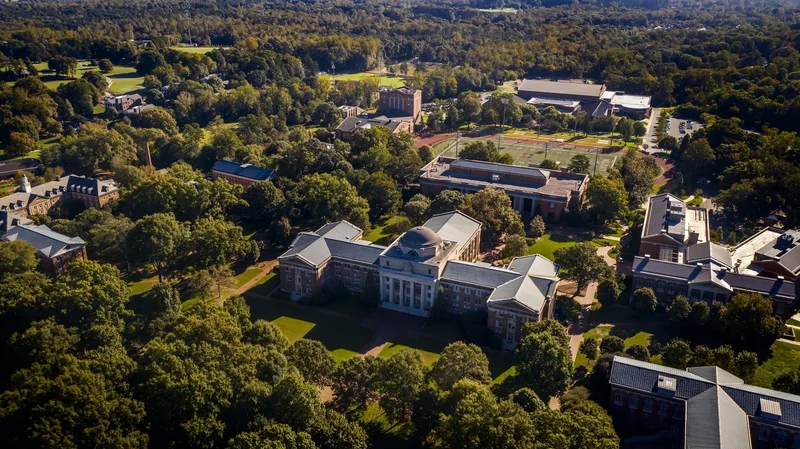

Athletes choose a close-knit residential community where demanding academics, faculty mentorship and Division I competition come together.

NCAA Division IAmerican ConferenceLouisiana

Tulane University Baseball
One plan built for Tulane University Baseball, with the roster read, the coach's contact and a dated plan, delivered within 24 hours. An expert checks every plan.
- 34
- Roster
- 6
- Leaving
- 12%
- In-state
- 12%
- Transfers
Overview
Tulane University Baseball Team Details
Key facts about the Tulane University baseball team.
From its campus in New Orleans, Louisiana, Tulane University competes in Division I baseball as a member of the American Conference. The most room for the Class of 2027 is among pitchers, with five leaving after the 2026-27 season. Only 12% of its players are from Louisiana, a low in-state share among Division I baseball teams.
NCAA Division IAmerican ConferenceLouisiana
- Head coach
- Jay Uhlman
- Home venue
- Greer Field at Turchin Stadium
- Average roster
- 45
- Five-year win rate
- 49%
Head Coach
players a season
Fit check
Do You Fit at Tulane University?
Pick your position and level, add a test score if you have one, and get an instant read on your chances here. Free, and no account needed.
Coaching staff
Get on This Staff's Radar
Head coach
Jay UhlmanHead CoachEmail●●●●●●@●●●●.edu
Phone(●●●) ●●●-●●●●
Roster
Roster Breakdown
The roster by class
5FreshmenFr.
8SophomoresSo.
15JuniorsJr.
4SeniorsSr.
2GraduateGrad
34 players on the latest roster (2027).
Roster openings after 2026-27
6players in their final year, 18% of the roster
Pitcher 5 · Infielder 1
Position by position, pitchers lead the departures, with five leaving after the 2026-27 season. For the Class of 2027, the numbers are tougher, since only 18% of the roster, six players, is set to leave after that season and the median among Division I baseball teams is 26%.
See who you would be replacingPositions
Baseball Roster by Position
How many players a season the program carries at each position, and how tall they are.
Pitcher
18.7players a season
Average height 6'4"
Catcher
2.7players a season
Average height 6'1"
Infielder
8players a season
Average height 6'2"
Outfielder
6.3players a season
Average height 6'1"
Utility/Designated Hitter
0.7players a season
Average height 6'2"
Among Division I baseball teams, few teams lean harder on outfielders, which fill 22% of the roster versus an average of 17%.
Transfers
Transfers In and Out
4
transfers in for 2026-27
4
transfers out
- Share of the roster
- 12%
- Per 100 freshmen
- 80
- By position
- Pitcher 3 · Infielder 1
- Came from
- 3 from Division I, 1 from Division III
Footprint
Where This Team Recruits
Where the players are from
109players
In-state11.9%
Other US states86.2%
International1.8%
Counted from players on recent rosters with a known hometown.
Top home states
California17%
Louisiana12%
Florida10%
Pennsylvania6%
Arizona5%
Out-of-state recruits dominate, since only 12% of the roster comes from Louisiana, versus 40% for the median team among Division I baseball teams.
Results
Tulane University Baseball Recent Results
Swipe to see every season
2022
56%33-26-1overall
11-13conference
2023
31%19-42overall
8-16conference
Best season
2024
58%36-26overall
15-12conference
2025
57%33-25overall
13-14conference
Latest
2026
45%25-31overall
10-17conference
Standings
American Conference Standings
Where Tulane University stands in the American Conference.
Schedule and travel
Baseball Schedule
The season's games, home and away, and how far the team travels.
Recruiting
Recruiting Outlook
Tulane is a competitive NCAA Division I program in The American with a history of conference success and recent NCAA Regional-level results. The roster includes high school recruits, junior college players, and transfers from other Division I programs, so recruits generally need a clear position fit, strong measurable tools, and evidence they can contribute against high-level competition.
NCAA Division I program in The AmericanRecent conference championship and NCAA Regional appearanceRoster built through high school, junior college, and transfer recruiting
Recruiting difficulty
80/ 100Hard
OpenCompetitiveSelectiveElite
Tulane operates at a highly competitive Division I level where most roster opportunities require proven performance, but multiple recruiting pathways exist for players with a strong positional fit.
What coaches value
- Reliable position-specific tools, including bat speed, defensive range, arm strength, or pitching command
- Physical development and measurable athleticism that can hold up across a Division I schedule
- Competitive production against strong high school, junior college, or college-level opponents
- Versatility, baseball IQ, academic readiness, and a consistent team-first approach
How to get recruited here
Build a complete recruiting profile with verified measurables, current statistics, academic information, and quality video. Send coaches concise updates tied to your position, summer or high school schedule, and development, then pursue trusted evaluation events where Division I staff can see you compete.
How hard is it to make the team
Making Tulane's baseball team is difficult because it is a Division I program competing in a strong conference, with roster spots filled by recruited high school players, junior college athletes, and transfers. A realistic candidate usually needs a standout tool or skill set, demonstrated performance against quality competition, and enough versatility or projection to justify development within a competitive roster.
Who fits this program
- Baseball players seeking a highly competitive NCAA Division I opportunity.
- Athletes prepared to balance demanding coursework with intensive team commitments.
- An urban New Orleans campus suits students who value active city life.
- Recruiting backgrounds may include high school, junior college, and Division I transfers.
Program stats
The Program by the Numbers
44
Athletes on the roster
4
Coaches on staff
$26,071
Spent per athlete
Spending and revenue a year
Spending$3,423,961
Revenue$4,061,197
Revenue covers everything the program spends.
At around $28,000 per athlete in the 2025 EADA report, operating spending runs about three times the Division I median. Revenue of about $4.1 million in the same report tops expenses of $3.4 million by 19%.
Source: the federal Equity in Athletics report, 2025.
The school
School Environment
Tulane University combines research strengths in public health, architecture and science with personal teaching, making academic preparation, faculty access and long-term outcomes important parts of evaluating your fit.
Tulane UniversityNew Orleans, LouisianaSee the full profile 14%
Acceptance rate
86%
Graduation rate
- Undergraduates
- 8,192
- Net price a year
- $39,949
- Earnings after ten years
- $63,268
Official links
Official Tulane University Baseball Links
Similar programs
Similar Baseball Teams
Programs at a similar level, with similar academics, worth adding to your recruiting list.
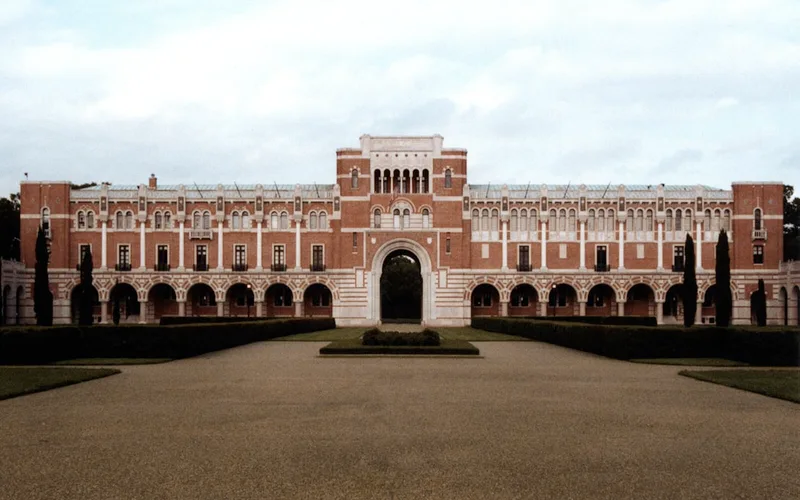

Challenging academics, close faculty connections and a residential college community complement the demands of Division I competition.


Athletes choose this historic university for demanding academics, Division I competition and a close campus community.


Strong career outcomes and a residential community appeal to athletes ready for demanding academics and Division I competition.


Big Ten competition, strong academics and in-state value attract athletes who want a challenging college experience.


Competitive athletics, policy-focused academics and access to Washington internships connect your sport with longer-term career goals.
Teams in Louisiana
More Baseball Teams in Louisiana


Grambling State University
Grambling, LA
Athletes come for Division I competition, a small campus community and Grambling's historically Black university traditions.


Louisiana State University
Baton Rouge, LA
Southeastern Conference competition, research opportunities and Baton Rouge employer connections give athletes distinct reasons to consider LSU.


Louisiana Tech University
Ruston, LA
Technical academics, accessible admissions and a residential Ruston setting complement the demands of Division I competition.


McNeese State University
Lake Charles, LA
Competitive athletics, applied academics and relatively affordable tuition give recruits practical reasons to consider studying here.
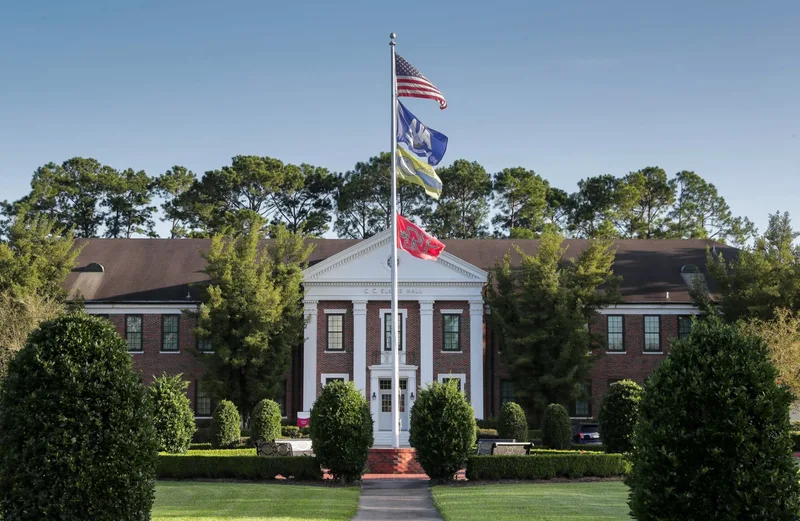

Nicholls State University
Thibodaux, LA
Southland competition, career-focused programs and regional affordability give athletes practical reasons to consider this Bayou Region campus.


Northwestern State University of Louisiana
Natchitoches, LA
Southland Conference competition, nursing programs and in-state value give recruits practical reasons to consider this campus.
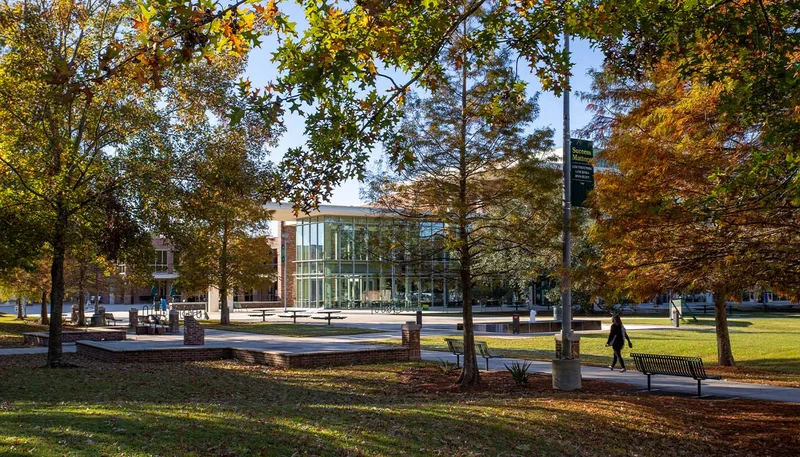

Southeastern Louisiana University
Hammond, LA
Southland Conference competition, career-oriented study and relatively affordable tuition give athletes practical reasons to consider this Hammond campus.


Southern University and A&M College
Baton Rouge, LA
Athletes are drawn to Division I competition, a supportive HBCU community and opportunities in professional fields.


University of Louisiana at Lafayette
Lafayette, LA
Sun Belt competition, practical academic strengths and Lafayette's cultural ties give athletes several reasons to consider competing here.
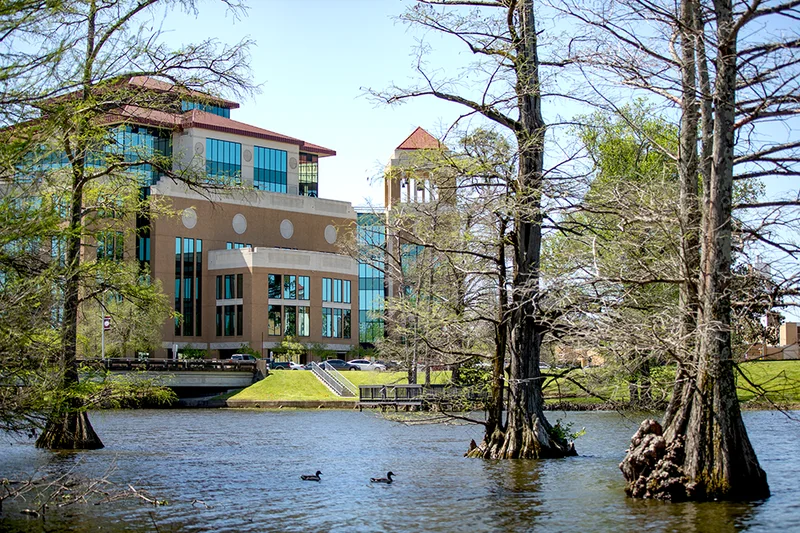

University of Louisiana at Monroe
Monroe, LA
Sun Belt competition, career-focused programs and regional accessibility give athletes practical reasons to consider studying here.
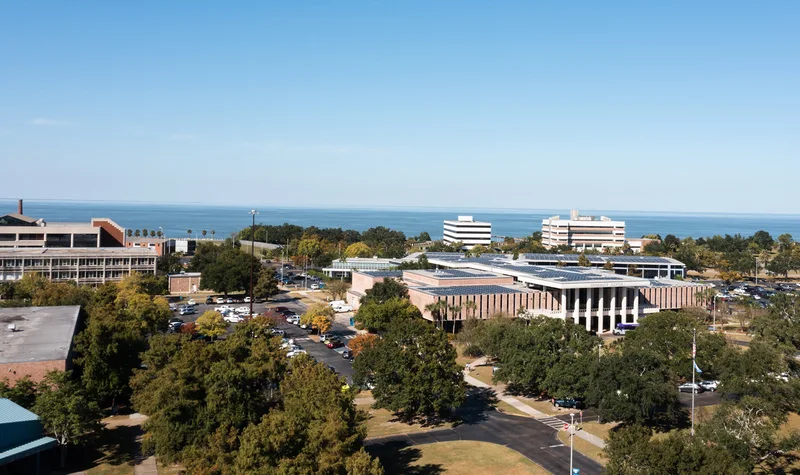

University of New Orleans
New Orleans, LA
Accessible admissions, regional athletic competition and city-based career opportunities give recruits several practical reasons to consider studying here.
Roster openings · 2026-27
Which D1 Baseball programs have the most roster spots opening up?
Every program ranked by players in their final year, with the positions they are losing.
10.2players leaving per program, on average
See the programs Three ways to start
Where are you in the search?
Pick the option that matches where you are, and we will show you the plan that fits.
Recruiting Plan
Your 20 to 25 best-fit schools, picked for you.



- Starter: the list, fit reads, real costs and a dated timeline
- Complete: adds roster reads and coach emails for every school
$99 or $249Starter or Complete, one time
Build my plan
Roster Report
The roster at your position, at the schools you pick.


- Who is graduating at your position, class year by class year
- Where spots are likely to open, in plain words
From $193, 8 or 15 schools
Choose my schools
School Plan
One school, covered end to end.
- Your honest odds, the roster and the verified coach
- Intro email, three follow-ups, admissions steps and timeline
$49One school, one time
Pick my school Resources