Skills campIce Hockey · Women's
Blaine Super Rinks Pop Up Camp (Group 1)
- Jun 4, 2026
- Blaine Super Rinks
Browse programs
College directoryEvery program, filtered by what fits Sport directoryMen's and women's, every division State directoryPrograms in the states you would play inGo deeper
Major directoryYour major and your sport in one list Camp directoryID camps and showcases at college programs Conference directoryEvery conference and its member colleges

One plan built for St. Cloud State University Women's Ice Hockey, with the roster read, the coach's contact and a dated plan, delivered within 24 hours. An expert checks every plan.
Overview
Key facts about the St. Cloud State University women's ice hockey team.
St. Cloud State University runs a women's ice hockey team in St. Cloud, Minnesota, competing in the Western Collegiate Hockey Assn at the Division I level. The most room for the Class of 2027 is among forwards, with four leaving after the 2026-27 season, followed by two defensemen. Roseau Secondary is its one clear pipeline, with three players across recent rosters.
Women's Hockey Head Coach
players a season
Fit check
Pick your position and level, add a test score if you have one, and get an instant read on your chances here. Free, and no account needed.
Coaching staff
Head coach
Mira JalosuoWomen's Hockey Head CoachRoster
The roster by class
25 players on the latest roster (2026-27).
Roster openings after 2026-27
Forward 4 · Defense 2 · Goalie 1
After the 2026-27 season, four forwards will leave, the largest group of departures by position, followed by two defensemen. More spots open up than at most programs: seven players are set to leave after that season, or 28% of the roster versus a median of 21% among Division I women's ice hockey teams, and the Class of 2027 stands to gain.
See who you would be replacingRoster churn is a theme here, with 70% of last season's freshmen, sophomores and juniors returning against an 89% median among Division I women's ice hockey teams.
Positions
How many players a season the program carries at each position, and how tall they are.
Average height 5'6"
Average height 5'8"
Average height 5'7"
Transfers
transfers in for 2026-27
transfers out
Footprint
Where the players are from
Counted from players on recent rosters with a known hometown.
Top home states
Home-state talent carries this roster: 27% of players are from Minnesota, versus 7% for the median team among Division I women's ice hockey teams.
Results
Swipe to see every season
2021-22
30%9-23-3overall
4-20-3conference
2022-23
50%18-18-1overall
11-16-1conference
2023-24
50%17-17-2overall
12-14-2conference
2024-25
50%15-15-6overall
10-13-5conference
2025-26
35%12-23-2overall
7-19-2conference
Standings
Where St. Cloud State University stands in the Western Collegiate Hockey Assn.
Schedule and travel
The season's games, home and away, and how far the team travels.
Recruiting
Who fits this program
Program stats
Athletes on the roster
Coaches on staff
Spent per athlete
Spending and revenue a year
Revenue covers everything the program spends.
The program puts roughly $18,000 per athlete into operations in the 2025 EADA report, about 42% above the Division I median.
Source: the federal Equity in Athletics report, 2025.
Feeders
The high schools and clubs that sent the most players to this roster.
One pipeline stands out: Roseau Secondary, with three players across recent rosters and no other source close. That pipeline matters for recruits in its region.
The school
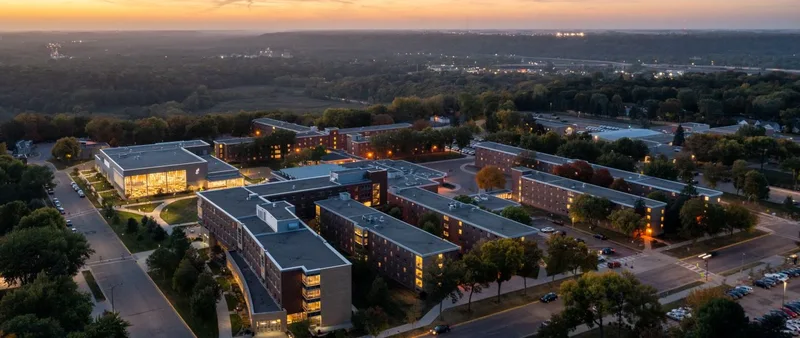
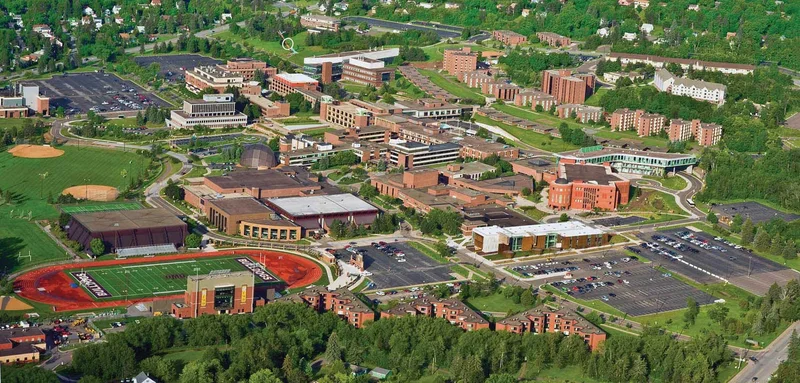
St. Cloud State University emphasizes professional preparation through business, education, science and engineering, making academic fit a matter of choosing coursework that connects your athletic schedule with longer-term career goals.
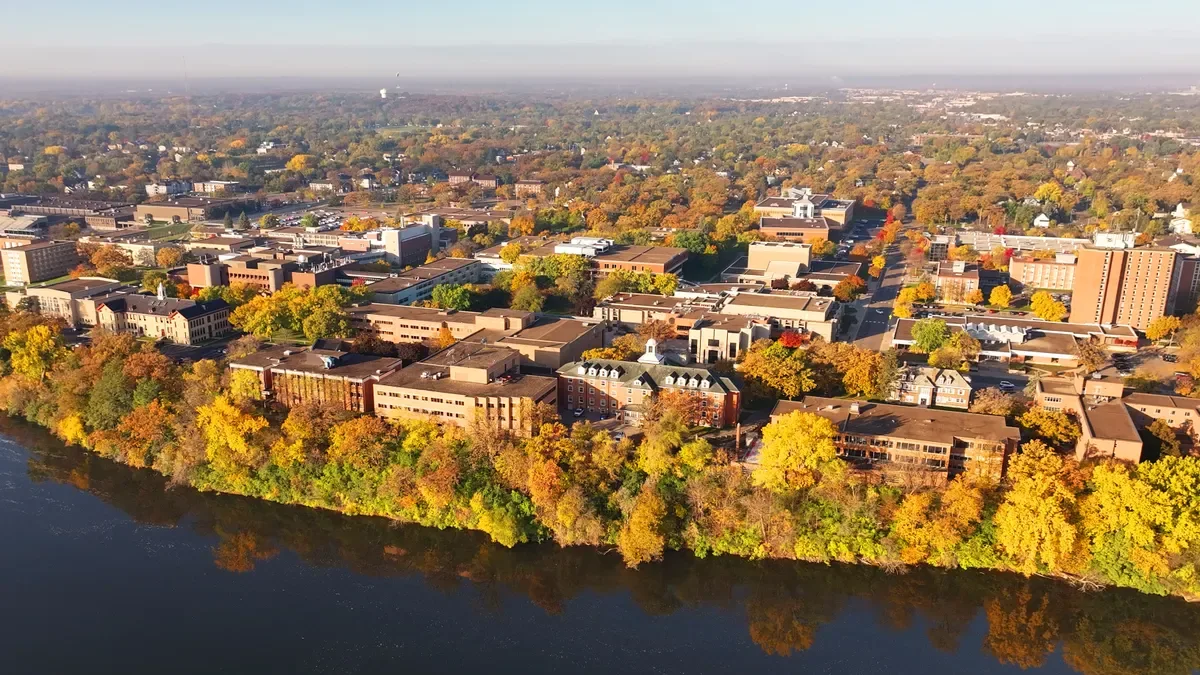 St. Cloud State UniversitySt. Cloud, MinnesotaSee the full profile
Acceptance rate
Graduation rate
Camps
New camp dates are not posted yet. These ran last season.
Official links
Similar programs
Programs at a similar level, with similar academics, worth adding to your recruiting list.
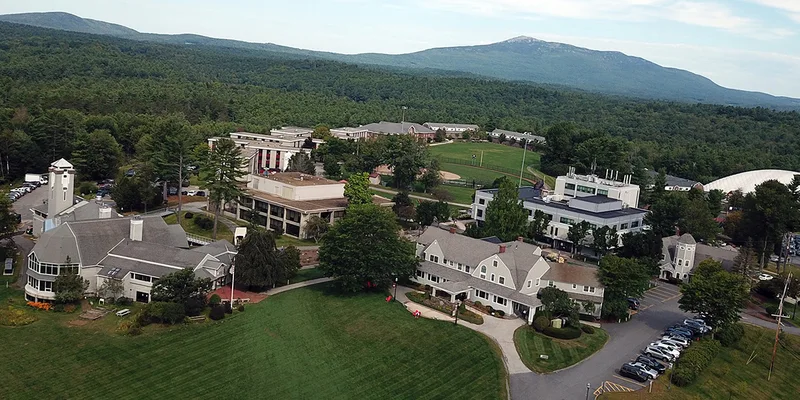
Applied academics, accessible admissions and competitive athletics give recruits practical reasons to consider this southern Minnesota campus.
A lakeside community, practical majors and varied competitive pathways give athletes clear reasons to consider studying here.
Competitive athletics, approachable faculty and a close-knit rural community help athletes build connections beyond their sport.
Career-focused study, accessible admissions and New York professional connections complement the demands of Division I competition.
Athletes choose this campus for its engineering strengths, competitive athletics, public university value and lakeside setting.
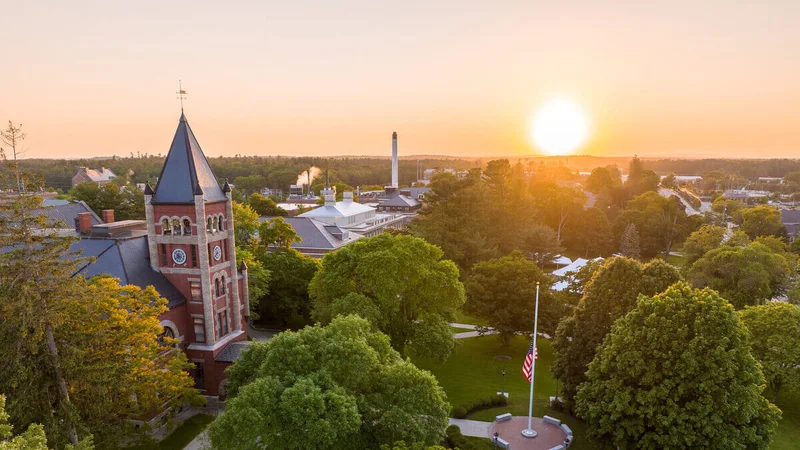
Division I competition, research opportunities and a residential New England setting appeal to athletes seeking a balanced college experience.
Roster openings · 2026-27
Every program ranked by players in their final year, with the positions they are losing.
Three ways to start
Pick the option that matches where you are, and we will show you the plan that fits.
Resources