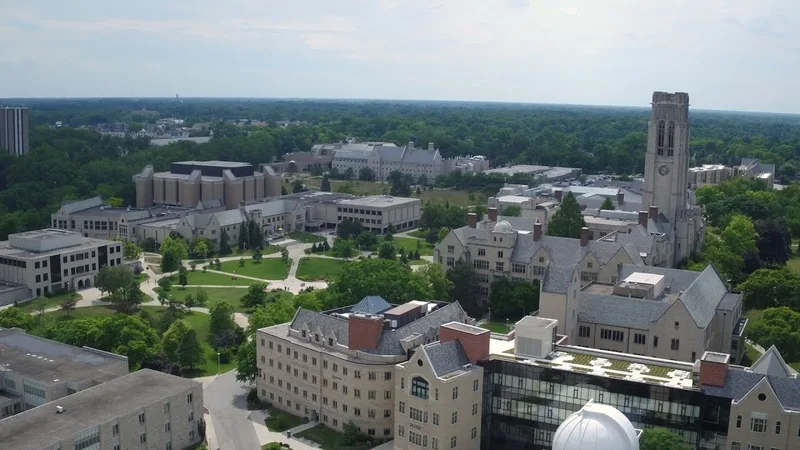

Conference competition, career-focused academics and available scholarships give athletes practical reasons to consider studying and competing here.

NCAA Division IMid-American ConferenceOhio

Miami University Baseball
One plan built for Miami University Baseball, with the roster read, the coach's contact and a dated plan, delivered within 24 hours. An expert checks every plan.
- 39
- Roster
- 13
- Leaving
- 25%
- In-state
- 10%
- Transfers
Overview
Miami University Baseball Team Details
Key facts about the Miami University baseball team.
Miami University plays Division I baseball in the Mid-American Conference from its campus in Oxford, Ohio. After the 2026-27 season, it loses seven pitchers, the most of any position group, followed by three outfielders. Its 35-23 finish in the 2025 season was the best of the last five seasons.
NCAA Division IMid-American ConferenceOhio
- Head coach
- Brian Smiley
- Home venue
- McKie Field at Hayden Park
- Average roster
- 44
- Five-year win rate
- 47%
Head Coach
players a season
Fit check
Do You Fit at Miami University?
Pick your position and level, add a test score if you have one, and get an instant read on your chances here. Free, and no account needed.
Coaching staff
Get on This Staff's Radar
Head coach
Brian SmileyHead CoachEmail●●●●●●@●●●●.edu
Phone(●●●) ●●●-●●●●
Roster
Roster Breakdown
The roster by class
3FreshmenFr.
7SophomoresSo.
16JuniorsJr.
11SeniorsSr.
2GraduateGrad
39 players on the latest roster (2027).
Roster openings after 2026-27
13players in their final year, 33% of the roster
Pitcher 7 · Catcher 1 · Infielder 1 · Outfielder 3 · Utility/Designated Hitter 1
Looking at the Class of 2027, departures cluster among pitchers, with seven finishing up after the 2026-27 season, followed by three outfielders. A recruit at those positions would arrive just as the roster turns over.
See who you would be replacingContinuity is a strength, with 87% of last season's non-seniors back, ahead of the 61% median among Division I baseball teams. Players who stay tend to build roles, so newcomers may need patience.
Positions
Baseball Roster by Position
How many players a season the program carries at each position, and how tall they are.
Pitcher
21players a season
Average height 6'2"
Catcher
2.7players a season
Average height 5'11"
Infielder
7.7players a season
Average height 6'1"
Outfielder
6.3players a season
Average height 6'1"
Utility/Designated Hitter
1.3players a season
Average height 6'0"
Transfers
Transfers In and Out
4
transfers in for 2026-27
2
transfers out
- Share of the roster
- 10%
- Per 100 freshmen
- 133
- By position
- Pitcher 2 · Catcher 1 · Outfielder 1
- Came from
- 2 from Division I, 2 from Division II
Footprint
Where This Team Recruits
Where the players are from
114players
In-state24.6%
Other US states71.1%
International4.4%
Counted from players on recent rosters with a known hometown.
Top home states
Ohio25%
Illinois12%
Michigan10%
Wisconsin6%
Kansas5%
Five states each send at least 5% of the roster, and even so the top five combine for only 58%, compared with a 78% median among Division I baseball teams. Coaches here recruit well beyond one region, so location is less of a barrier for recruits.
Results
Miami University Baseball Recent Results
Swipe to see every season
2021
45%25-31overall
18-22conference
2022
41%23-33overall
18-22conference
2023
38%21-35overall
13-17conference
2024
50%27-27overall
17-13conference
Best season
2025
60%35-23overall
23-7conference
The highest win rate of the last five seasons, 60%, came in 2025 at 35-23. Conference results were the bright spot in 2025: 23-7 in Mid-American Conference play compared with 35-23 overall.
Standings
Mid-American Conference Standings
Where Miami University stands in the Mid-American Conference.
Schedule and travel
Baseball Schedule
The season's games, home and away, and how far the team travels.
Recruiting
Recruiting Outlook
Miami plays NCAA Division I baseball in the Mid-American Conference and has recently operated as one of the league's strongest programs. The RedHawks won the 2025 MAC regular-season and tournament titles, returned to the NCAA Tournament, and followed with another strong 2026 regular season that included a second consecutive MAC regular-season championship. Recruits should expect a competitive evaluation process with limited opportunities for players who are not ready to contribute at the Division I level.
Back-to-back MAC regular-season championshipsRecent NCAA Tournament qualificationDivision I roster with high-school, junior-college, and transfer athletes
Recruiting difficulty
80/ 100Hard
OpenCompetitiveSelectiveElite
Miami is a highly competitive MAC program near the national tournament level, so most roster opportunities are likely to favor recruited players with proven Division I tools.
What coaches value
- Pitchers with command, repeatable mechanics, and the ability to execute multiple pitches in the strike zone
- Hitters who control the strike zone, reach base consistently, and handle quality velocity
- Defenders with reliable fundamentals, positional versatility, and baseball awareness
- Competitive athletes who show durability, coachability, academic readiness, and steady development
How to get recruited here
Build a complete recruiting profile with verified athletic measurements, current game video, academic information, and a clear position fit. Use the recruiting questionnaire and camp opportunities, then contact the baseball staff with updated results from high school, travel ball, junior college, or another college program. Emphasize measurable progress, competition level, and how your skills could translate to MAC baseball.
How hard is it to make the team
Making Miami's baseball team is difficult because it is a Division I program with recent conference championships and NCAA Tournament experience. The roster includes a mix of recruited high-school players, junior-college athletes, and transfers, so candidates typically need legitimate Division I tools, strong performance against quality competition, and the ability to compete for playing time immediately or develop toward that level.
Who fits this program
- Baseball players seeking a highly competitive Division I evaluation process
- Players prepared to balance Division I baseball with college coursework
- Athletes seeking a large public university in a rural setting
- Athletes comfortable competing for roster opportunities across varied entry pathways
Program stats
The Program by the Numbers
48
Athletes on the roster
5
Coaches on staff
$9,203
Spent per athlete
Spending and revenue a year
Spending$1,764,386
Revenue$1,764,386
Revenue covers everything the program spends.
Source: the federal Equity in Athletics report, 2025.
Feeders
Top Feeder Schools and Clubs
The high schools and clubs that sent the most players to this roster.
1IMG Academy4 players on recent rosters2Blessed Trinity Catholic High School2 players on recent rosters3Cherry Creek High School2 players on recent rosters4St Edward High School2 players on recent rosters
5Union Grove High2 players on recent rosters
IMG Academy stands well apart, with four players against two from Blessed Trinity Catholic High School, the next closest. Beyond one-off arrivals, five sources keep sending players, with at least two apiece.
The school
School Environment
Miami University's undergraduate teaching focus and strengths in business, engineering and liberal arts provide context for evaluating admissions, coursework, popular majors, faculty access and outcomes alongside your athletic goals.
 Miami UniversityOxford, OhioSee the full profile
75%
Acceptance rate
80%
Graduation rate
- Undergraduates
- 16,816
- Net price a year
- $28,384
- Earnings after ten years
- $55,076
Official links
Official Miami University Baseball Links
Similar programs
Similar Baseball Teams
Programs at a similar level, with similar academics, worth adding to your recruiting list.


A residential college town, communication strengths and conference competition give athletes clear reasons to consider studying here.
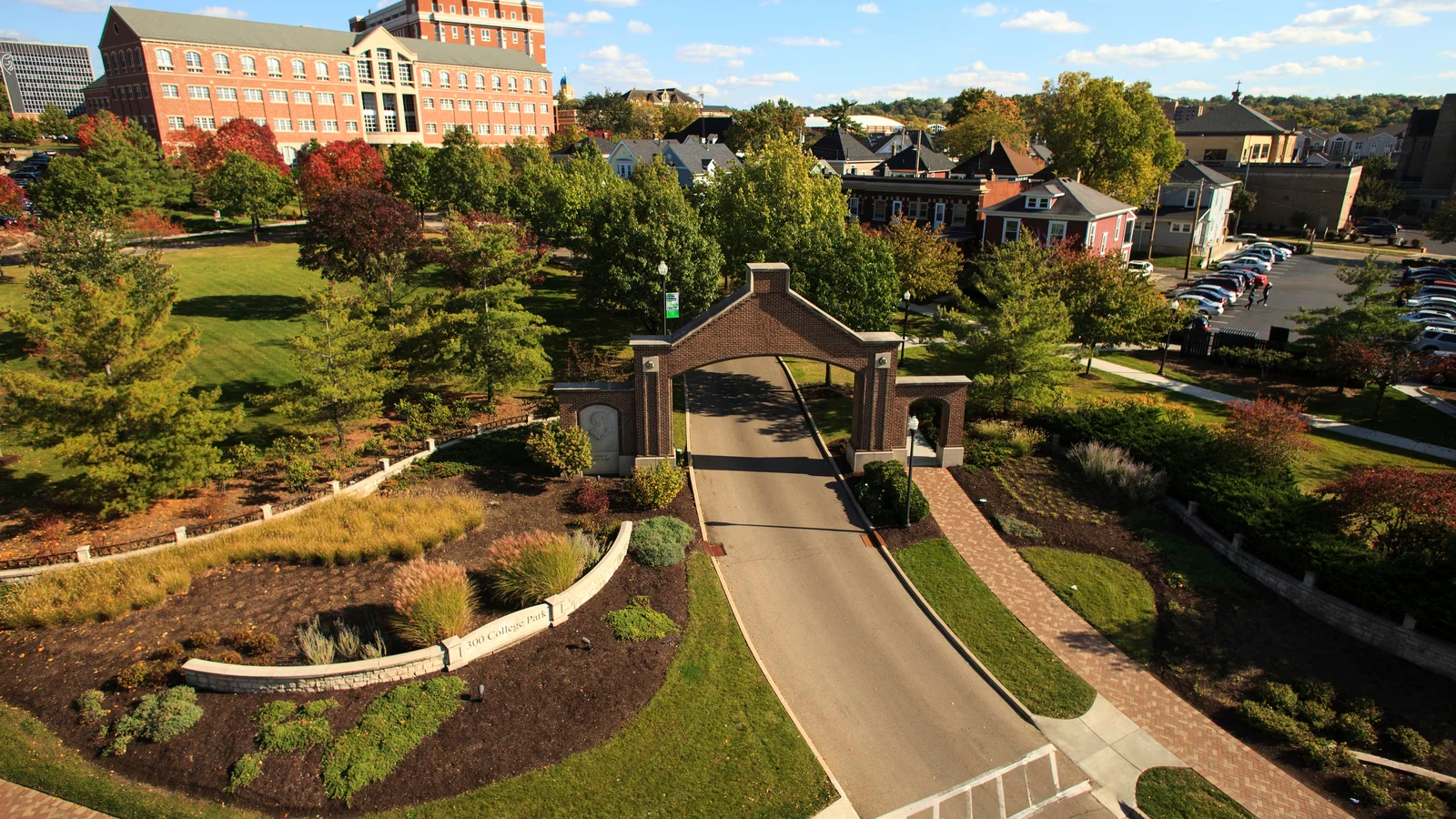

Competitive athletics, career-focused academics and a residential community give recruits reasons to look closely at Dayton.
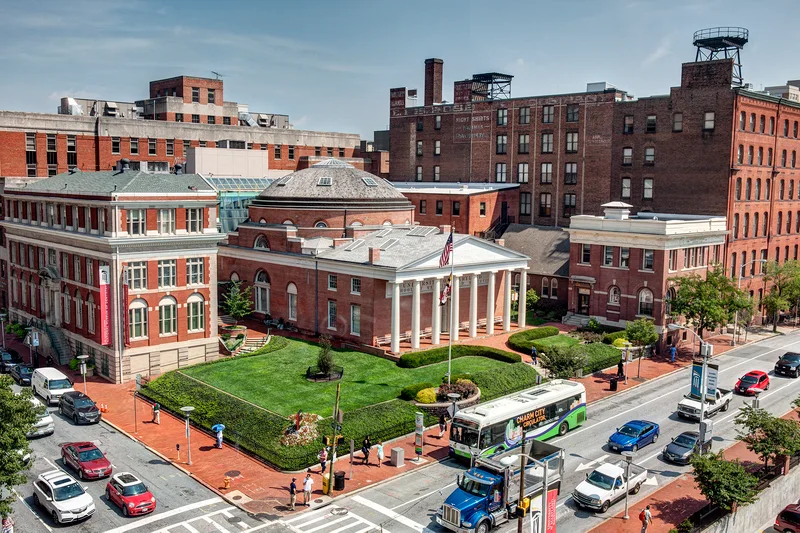

University of Maryland, Baltimore County
Baltimore, MD
Why it is similar: Similar level and academics.Strong STEM academics, research opportunities and access to nearby employers complement the demands of Division I competition.


Big East competition, career-focused academics and nearby internship opportunities appeal to athletes planning beyond their playing careers.


A fully funded education and officer career path give athletic competition a clear purpose beyond college.
Teams in Ohio
More Baseball Teams in Ohio
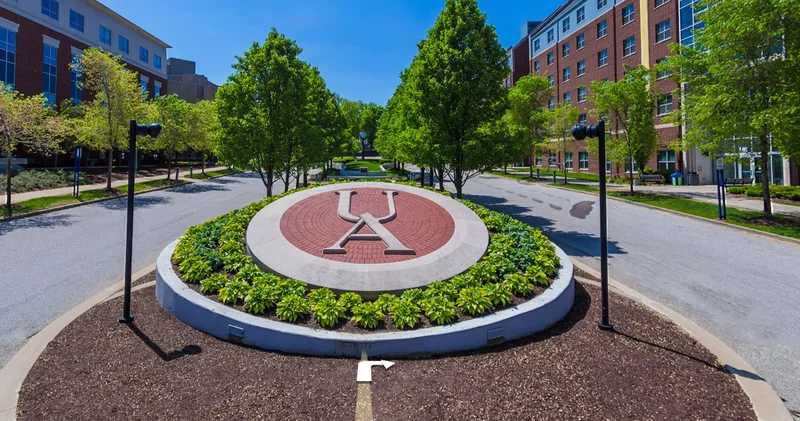

The University of Akron
Akron, OH
Career-focused academics, regional industry connections and competitive athletics give recruits practical reasons to consider an urban campus.

Bowling Green State University
Bowling Green, OH
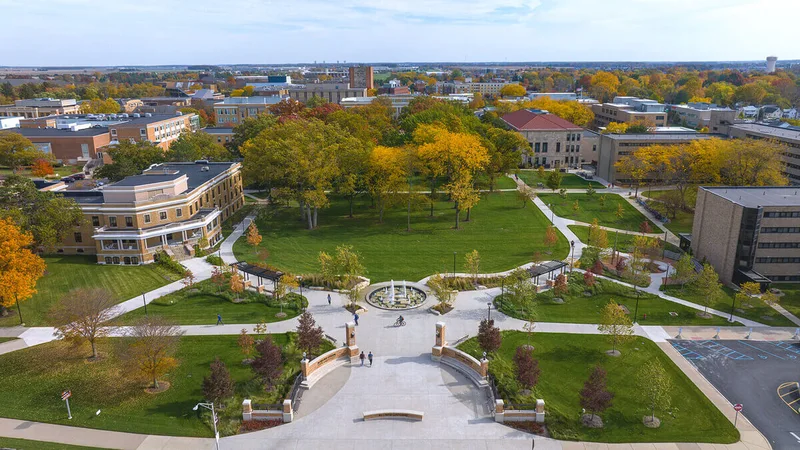
Division I competition, broad academic choices and a residential college-town setting give athletes several reasons to consider enrolling.
University of Dayton
Dayton, OH
Competitive athletics, career-focused academics and a residential community give recruits reasons to look closely at Dayton.

The Ohio State University
Columbus, OH
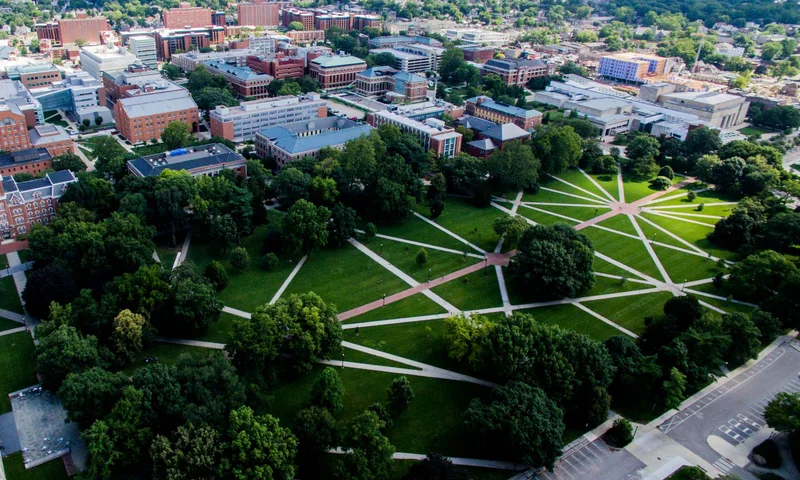
Big Ten competition, broad academic choices and research opportunities appeal to athletes seeking a large university experience.


Wright State University
Fairborn, OH
Accessible admissions, applied academics and regional career connections give athletes practical reasons to pursue Division I competition here.


Xavier University
Cincinnati, OH
Close faculty relationships, Cincinnati employer connections and Big East competition give athletes compelling reasons to consider Xavier.


Kent State University
Kent, OH
Competitive athletics, broad academic choices and a residential college-town setting give recruits several reasons to consider Kent State.
Ohio University
Athens, OH
A residential college town, communication strengths and conference competition give athletes clear reasons to consider studying here.

University of Cincinnati
Cincinnati, OH
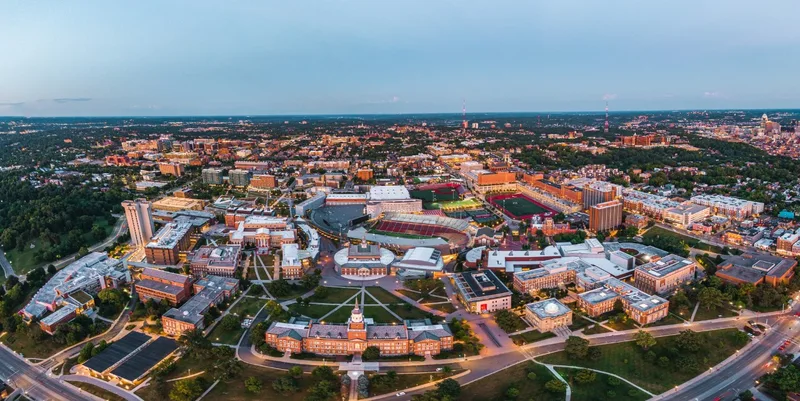
Competitive athletics, paid co-op opportunities and city life give recruits compelling reasons to consider studying here.
The University of Toledo
Toledo, OH
Conference competition, career-focused academics and available scholarships give athletes practical reasons to consider studying and competing here.

Youngstown State University
Youngstown, OH
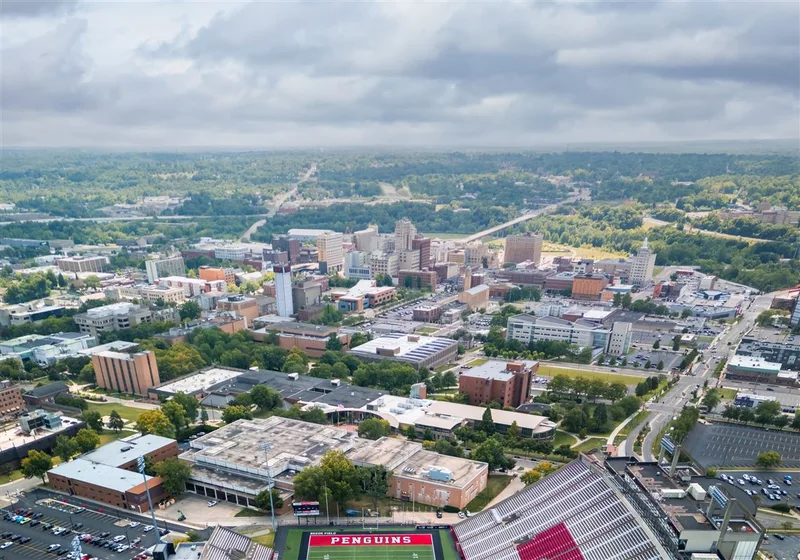
Career-focused programs, affordable tuition and an urban campus give athletes practical reasons to pursue Division I competition here.
Roster openings · 2026-27
Which D1 Baseball programs have the most roster spots opening up?
Every program ranked by players in their final year, with the positions they are losing.
10.2players leaving per program, on average
See the programs Three ways to start
Where are you in the search?
Pick the option that matches where you are, and we will show you the plan that fits.
Recruiting Plan
Your 20 to 25 best-fit schools, picked for you.



- Starter: the list, fit reads, real costs and a dated timeline
- Complete: adds roster reads and coach emails for every school
$99 or $249Starter or Complete, one time
Build my plan
Roster Report
The roster at your position, at the schools you pick.


- Who is graduating at your position, class year by class year
- Where spots are likely to open, in plain words
From $193, 8 or 15 schools
Choose my schools
School Plan
One school, covered end to end.
- Your honest odds, the roster and the verified coach
- Intro email, three follow-ups, admissions steps and timeline
$49One school, one time
Pick my school Resources