One plan built for Drury University Men's Soccer, with the roster read, the coach's contact and a dated plan, delivered within 24 hours. An expert checks every plan.
Key facts about the Drury University men's soccer team.
In Springfield, Missouri, Drury University competes in Division II men's soccer through the Great Lakes Valley Conference. Freshmen make up 50% of the roster, which makes it a young team. Only five players leave after the 2026-27 season, and 25 freshmen are already on the roster, which keeps room tight for the Class of 2027.
NCAA Division IIGreat Lakes Valley ConferenceMissouri
Head coach
Ben Taylor
Head Coach, Men's Soccer
Home venue
Lake Country Soccer Field
Average roster
48
players a season
Five-year win rate
53%
Fit check
Do You Fit at Drury University?
Pick your position and level, add a test score if you have one, and get an instant read on your chances here. Free, and no account needed.
With 25 freshmen on the roster and only five players leaving after the 2026-27 season, spots for the Class of 2027 are likely to be scarce. Watch defenders for that class, since two leave after that season.
Roughly 50% of the roster is in its first year, 25 of 50, which leaves much of the lineup still developing. The current roster has 50 players, 52% larger than the 33-player median among Division II men's soccer teams. Recruits should expect plenty of competition for playing time.
Positions
Men's Soccer Roster by Position
How many players a season the program carries at each position, and how tall they are.
Goalkeeper
5players a season
Average height 6'0"
Defender
13.3players a season
Average height 6'0"
Midfielder
22players a season
Average height 5'10"
Forward
7players a season
Average height 5'11"
At 47% of the roster, midfielders outnumber what the average Division II men's soccer team carries, which is 35%. Few spots go to forwards, about seven per season, 15% of the roster and below the 23% average among Division II men's soccer teams.
Transfers
Transfers In and Out
3
transfers in for 2026-27
5
transfers out
Share of the roster
6%
Per 100 freshmen
12
By position
Defender 1 · Midfielder 1 · Forward 1
Came from
2 from Division I, 1 from Division II
Footprint
Where This Team Recruits
Where the players are from
142players
In-state48.6%
Other US states22.5%
International28.9%
Counted from players on recent rosters with a known hometown.
Top home states
Missouri49%
Oklahoma7%
Kansas5%
Texas3%
Arkansas2%
Results
Drury University Men's Soccer Recent Results
Swipe to see every season
2021
53%
8-7-4overall
7-3-4conference
Best season
2022
62%
7-3-7overall
5-1-6conference
2023
36%
4-9-5overall
4-6-3conference
2024
56%
8-6-4overall
6-5-3conference
Latest
2025
58%
8-5-5overall
7-4-3conference
Standings
Great Lakes Valley Conference Standings
Where Drury University stands in the Great Lakes Valley Conference.
Schedule and travel
Men's Soccer Schedule
The season's games, home and away, and how far the team travels.
Recruiting
Recruiting Outlook
Who fits this program
Competes in NCAA Division II Great Lakes Valley Conference
Requires balancing competitive soccer with a rigorous academic load
Small urban campus fosters close team and academic support
Ideal for soccer players motivated by detailed development and team legacy
Program stats
The Program by the Numbers
50
Athletes on the roster
2
Coaches on staff
$2,731
Spent per athlete
Spending and revenue a year
Spending$643,462
Revenue$643,462
Revenue covers everything the program spends.
Coaching time is shared widely, at about 25 athletes per coach in the 2025 EADA report, above the median of 13 among Division II men's soccer teams.
Source: the federal Equity in Athletics report, 2025.
Feeders
Top Feeder Schools and Clubs
The high schools and clubs that sent the most players to this roster.
Look to Glendale High for the clearest pipeline: six players have come from there recently, ahead of Republic High with five. Beyond one-off arrivals, five sources keep sending players, with at least two apiece.
The school
School Environment
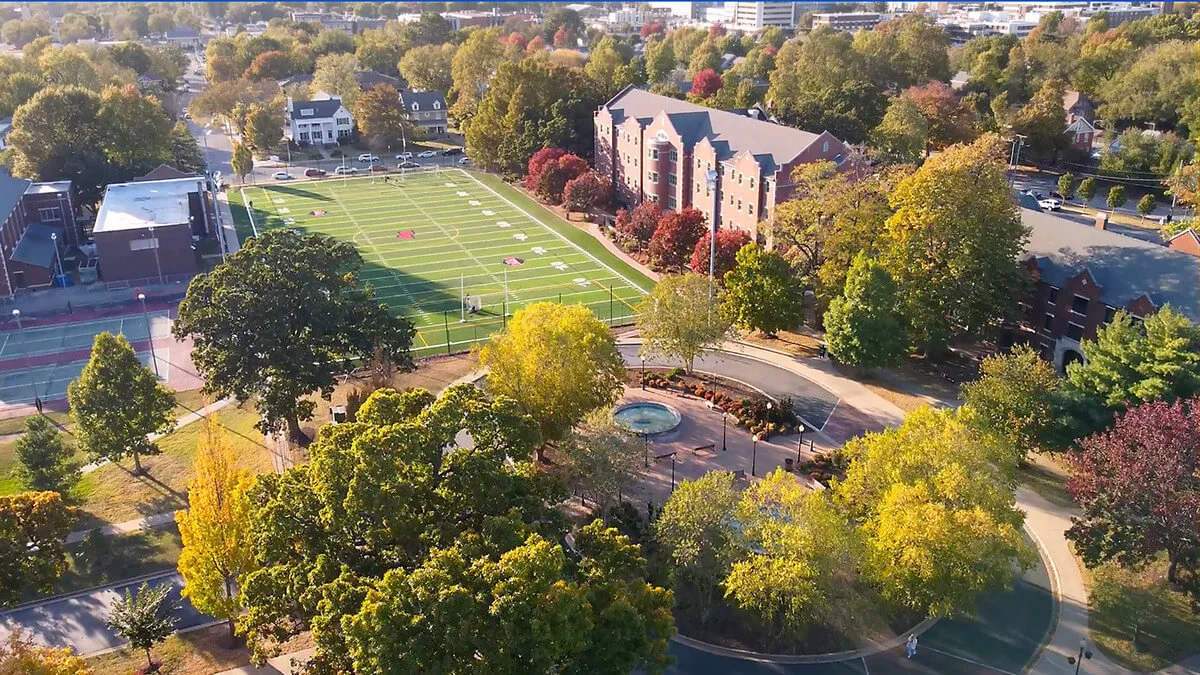
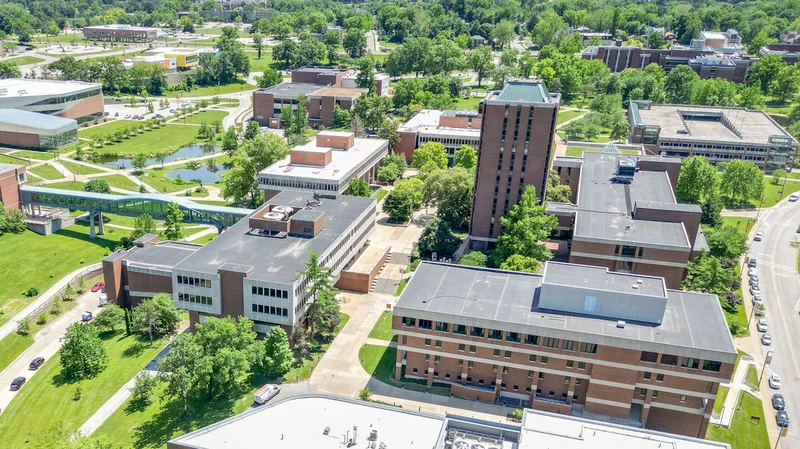
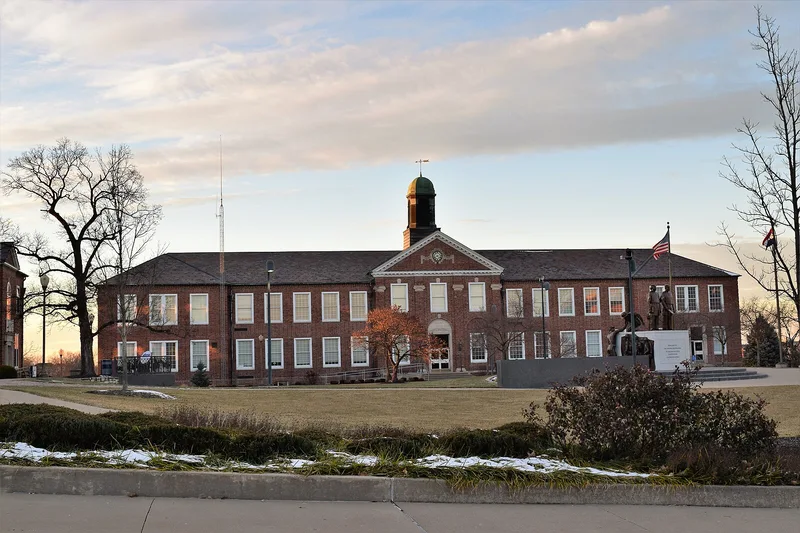
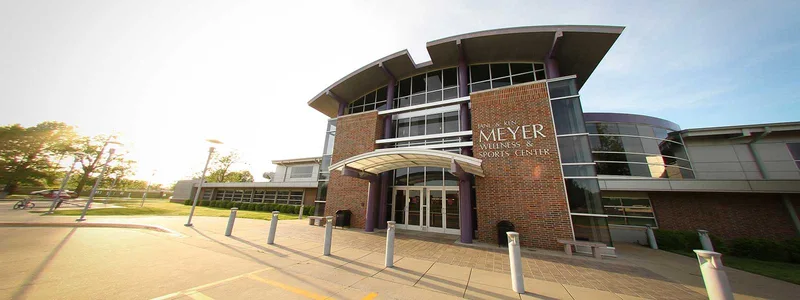
Drury University blends liberal arts study with professional pathways in architecture, education and pre-health, giving recruits a useful starting point for weighing academic demands, faculty access and career direction.