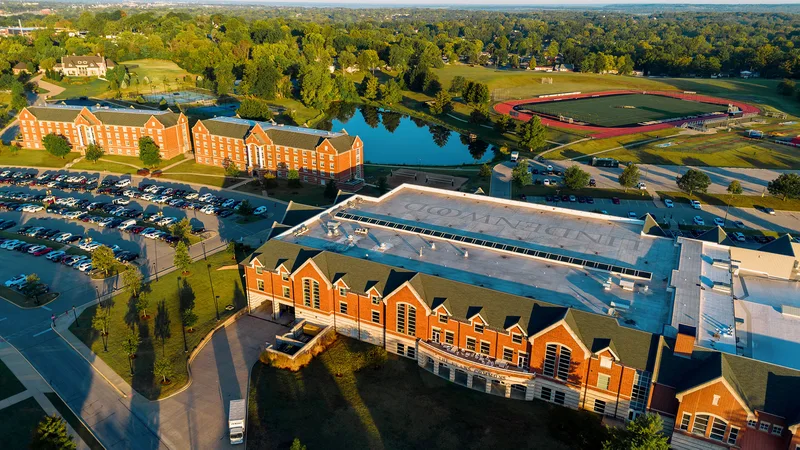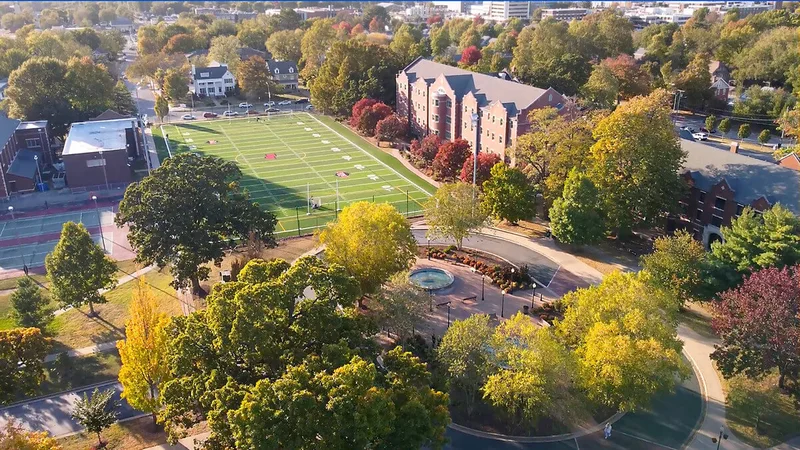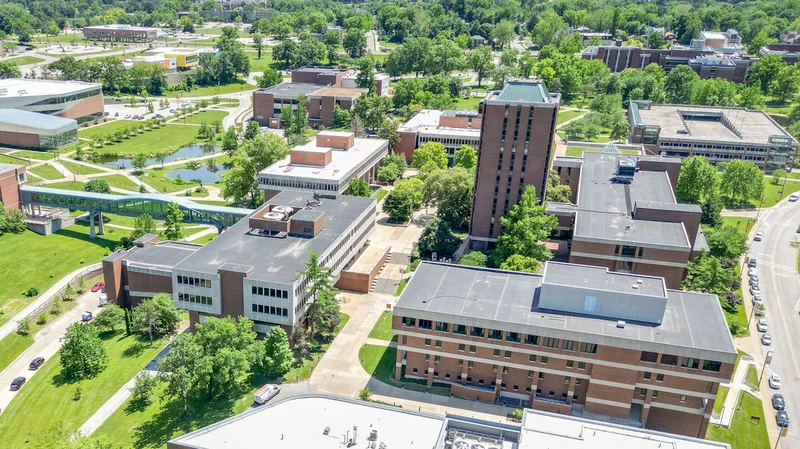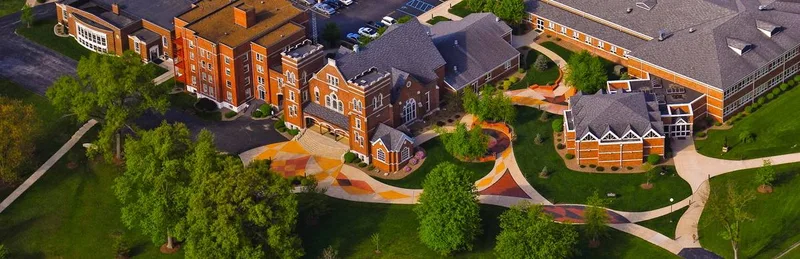

University of Missouri
Columbia, MO
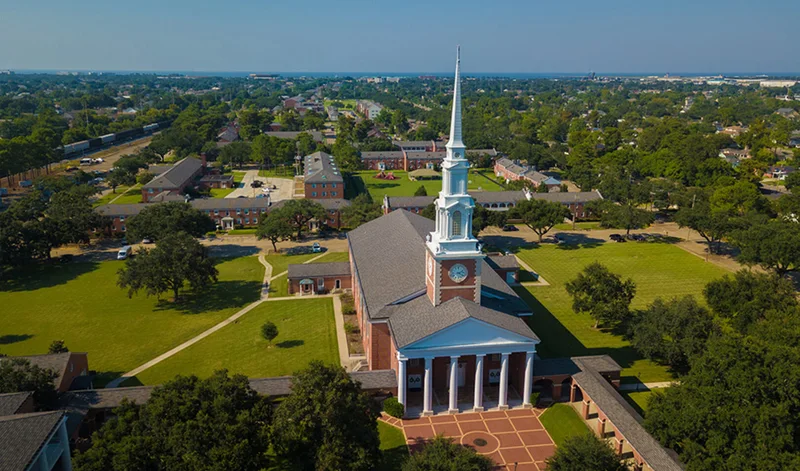
SEC competition, recognized academic strengths and a lively residential campus give athletes several reasons to consider Missouri.
Browse programs
College directoryEvery program, filtered by what fits Sport directoryMen's and women's, every division State directoryPrograms in the states you would play inGo deeper
Major directoryYour major and your sport in one list Camp directoryID camps and showcases at college programs Conference directoryEvery conference and its member colleges
Missouri offers a solid set of women’s tennis options, with especially strong coverage at the scholarship-eligible levels. Use this page to compare divisions, roster pathways, and school fit across the state.
18 of 21 play in divisions that allow athletic scholarships
At a glance
21 women's tennis programs in Missouri. Tap a level to jump to its schools.
Division II has the most options here, with 9 of 21 programs (43%).
NCAA Division I
Missouri’s Division I women’s tennis programs are a competitive option for athletes targeting the highest NCAA level. Expect a recruiting process that rewards proven match results, strong training habits, and proactive outreach.
Strongest programs first, by Pathley's program strength score.
Columbia, MO
SEC competition, recognized academic strengths and a lively residential campus give athletes several reasons to consider Missouri.
Cape Girardeau, MO
Division I competition, practical academics and relatively affordable tuition appeal to athletes seeking a residential college experience.
Springfield, MO
Competitive athletics, broad academic options and relatively affordable tuition give recruits several reasons to consider this campus.
St. Charles, MO
Career-oriented study, scholarship opportunities and access to St. Louis complement the demands of Division I competition.
Kansas City, MO
Division I competition, career-focused academics and Kansas City connections give athletes several reasons to consider studying here.
NCAA Division II
Division II is a major strength for women’s tennis in Missouri, giving recruits more ways to find both playing time and athletic-aid opportunities. It is a practical level to target if you want competitive tennis with a more flexible range of school profiles.
Strongest programs first, by Pathley's program strength score.
St. Joseph, MO
Applied learning, accessible admissions and affordable options give recruits practical reasons to consider this small campus.
Maryville, MO
Championship-level athletics, applied learning and a supportive small-town campus give recruits clear reasons to consider this university.
Springfield, MO
Personalized academics and competitive conference play appeal to athletes who want a close-knit campus with professional pathways.
Kansas City, MO
Athletes choose the close-knit community, professional preparation and competitive athletics while staying connected to Kansas City opportunities.
St. Louis, MO
Career-focused programs, urban opportunities and financial aid give athletes practical reasons to consider competing here.
Kirksville, MO
Close faculty connections, undergraduate research and affordable tuition appeal to athletes seeking a small-campus experience.
Town and Country, MO
Career-focused programs, reachable faculty and competitive athletics give recruits reasons to consider Maryville beyond their sport.
Bolivar, MO
Faith-centered campus life and personal faculty attention give athletes a close-knit setting for study and competition.
Liberty, MO
Close faculty relationships, challenging academics and scholarship opportunities give athletes practical reasons to consider this small campus.
NCAA Division III
Missouri has limited Division III women’s tennis options, so your in-state choices at this level may be narrower than in many states. If D3 is your priority, consider pairing Missouri schools with nearby-state searches to expand fit and roster opportunities.
Strongest programs first, by Pathley's program strength score.
St. Louis, MO
Strong academics, close faculty relationships and competitive athletics draw recruits who want substantial challenges beyond their sport.
Webster Groves, MO
Global academic options and a small undergraduate community give athletes room to build interests beyond competition.
Fulton, MO
Very small classes, a historic campus and Division III competition give athletes a personal college experience in Fulton.
NAIA
Missouri stands out for NAIA women’s tennis availability, which can open additional roster and scholarship-eligible pathways. NAIA recruiting often moves on the coach’s timeline, so early communication and a clear athletic resume matter.
Strongest programs first, by Pathley's program strength score.
Fulton, MO
Specialized academic programs and a small-campus community give athletes reasons to look beyond the playing field.
Creve Coeur, MO
NAIA competition, professional programs and a Baptist community attract athletes who want faith woven into college life.
Springfield, MO
Accessible admissions, personal faculty connections and professional majors give athletes practical reasons to consider competing here.
Kansas City, MO
Athletes choose Avila for competitive small-college athletics, career-focused study and a close-knit Catholic campus community.
Free school matcher
Pick your position and level, and we score every women's tennis program on roster openings at your position, athletic level and academics.
Conferences
Every women's tennis conference with at least one program in Missouri, across every division.
Scorecard
This scorecard summarizes program availability, division coverage, scholarship pathways, and overall college-fit dynamics for women’s tennis recruits considering Missouri.
Overall opportunity score
StrongMissouri is a strong state for women’s tennis recruiting thanks to above-typical scholarship-eligible options and solid multi-division coverage.
Missouri’s overall number of women’s tennis programs is close to what you would expect in a typical state for this sport.
With programs across NCAA Division I, II, III, and NAIA, Missouri gives recruits multiple division pathways without leaving the state.
Missouri offers more scholarship-eligible women’s tennis options than the average state, creating more chances to pursue athletic aid.
The listed Missouri schools tend to be more affordable than typical for this sport and generally accessible, though the overall menu of options is not especially large.
Recruiting snapshot
Who it suits, what the landscape looks like, where the money is and what gives this state an edge.
Recruits who want a strong in-state mix of scholarship-eligible programs, especially at Division II and NAIA.
The in-state landscape is balanced overall, with particularly deep coverage outside D1 and fewer D3 choices than many states.
Most athletic scholarship opportunities are tied to D1, D2, and NAIA programs, while D3 recruiting is typically more academic, fit-driven, and supported through non-athletic aid.
Missouri’s central location can make regional match play and campus visits manageable, which helps recruits stay active in the process and compare multiple schools efficiently.
Key metrics
How women's tennis programs in Missouri compare with the average state on program count, tuition, enrollment and admissions.
Three ways to start
Pick the option that matches where you are, and we will show you the plan that fits.
News
Resources
National rankings
Sport hub
The Women's Tennis hub brings every division together: how D1, D2, D3 and NAIA compare, the strongest programs in each state, camps, and the recruiting guides for each level.