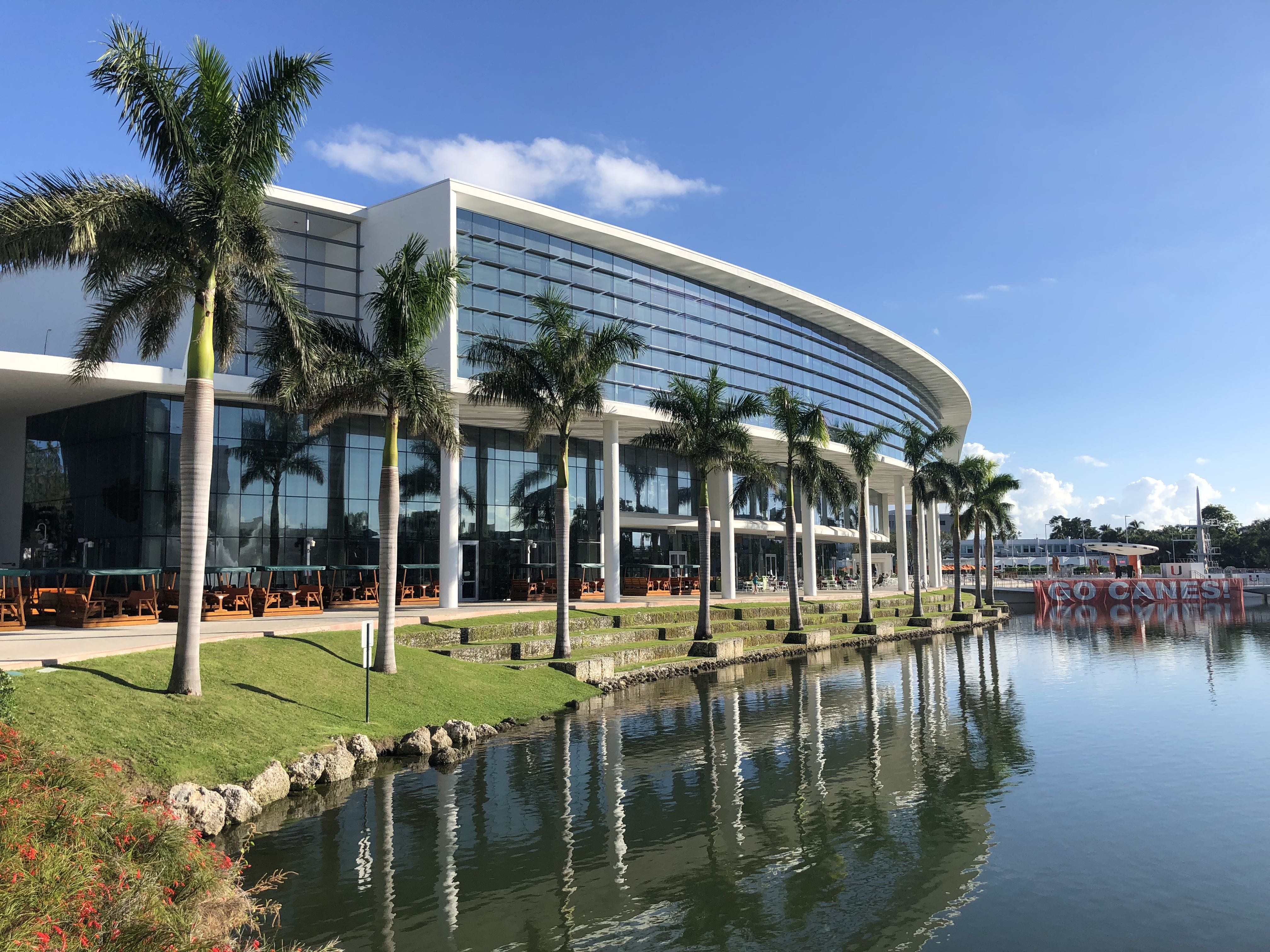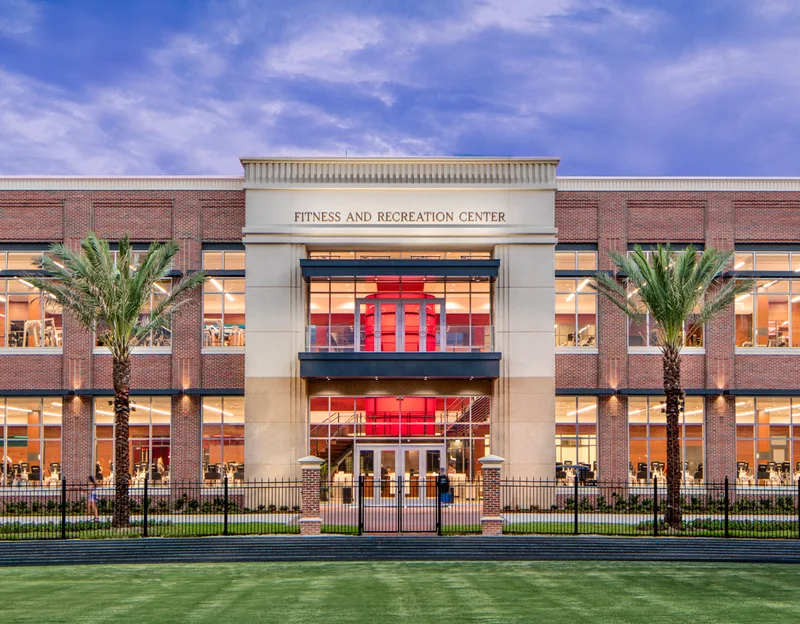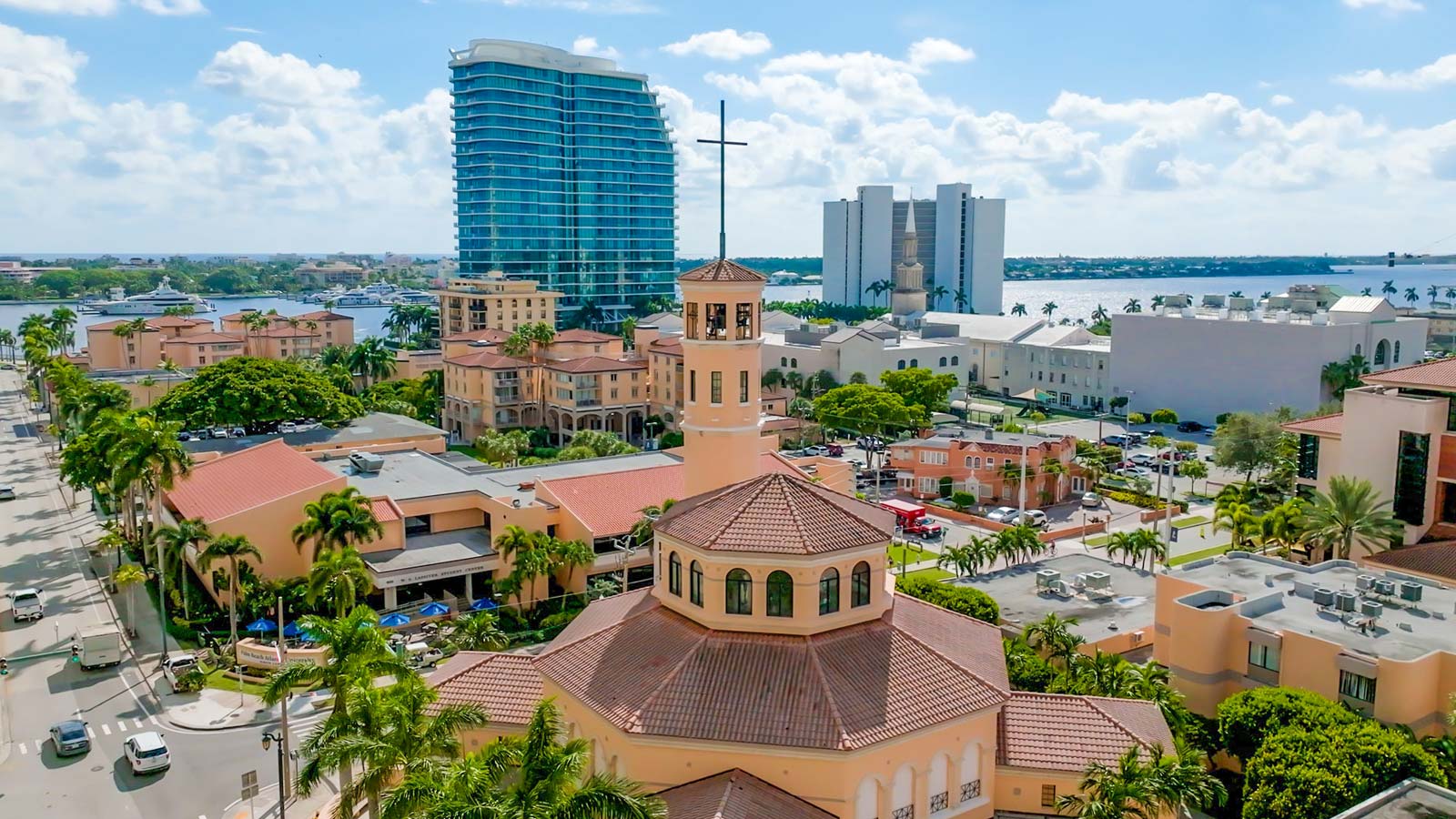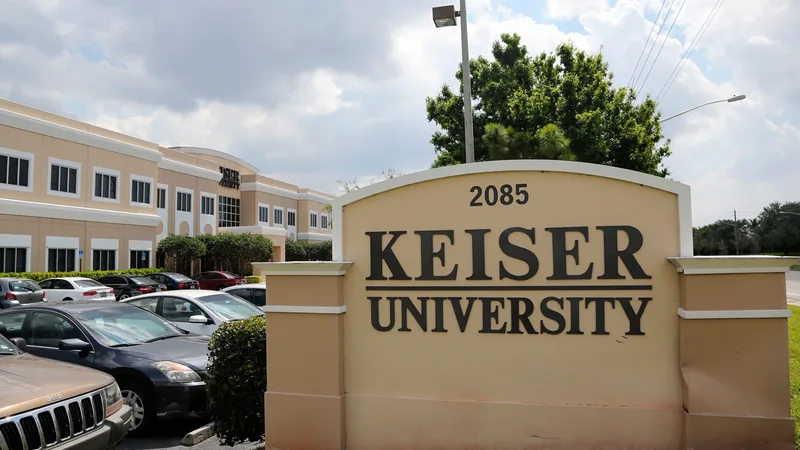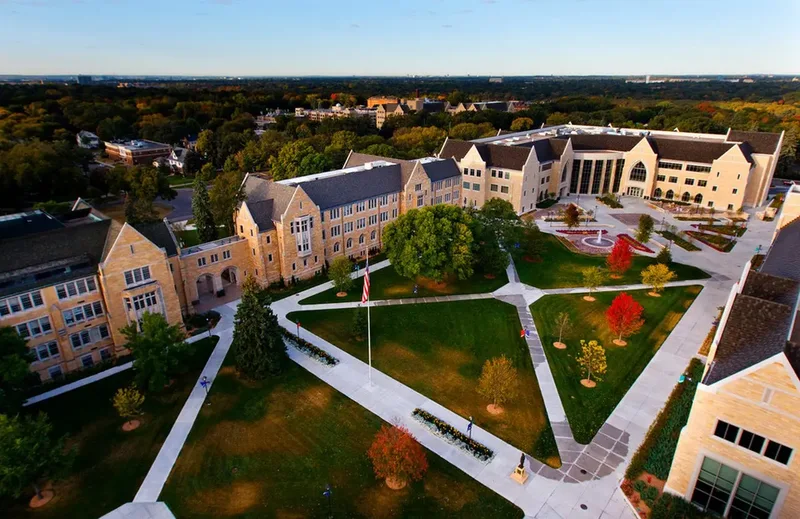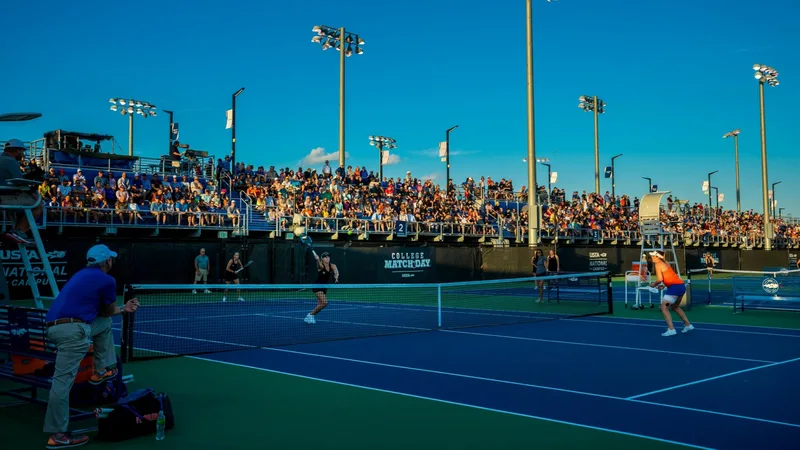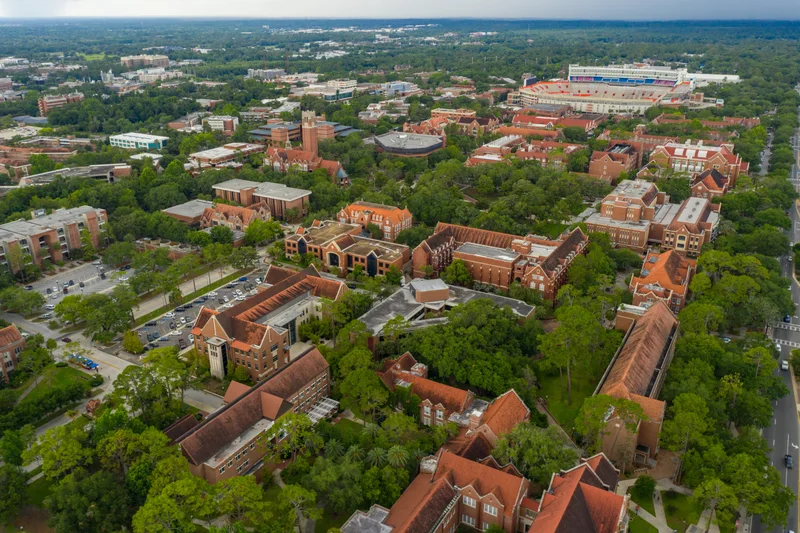

University of Florida
Gainesville, FL
Strong research academics, SEC competition and in-state value attract athletes who want an active campus experience.
Browse programs
College directoryEvery program, filtered by what fits Sport directoryMen's and women's, every division State directoryPrograms in the states you would play inGo deeper
Major directoryYour major and your sport in one list Camp directoryID camps and showcases at college programs Conference directoryEvery conference and its member colleges
Florida is one of the deeper states for women’s college tennis, with a wide range of program levels and roster needs. Use this page to compare in-state options and build a realistic target list.
31 of 31 play in divisions that allow athletic scholarships
At a glance
31 women's tennis programs in Florida. Tap a level to jump to its schools.
Division I has the most options here, with 13 of 31 programs (42%).
NCAA Division I
Florida offers a strong set of Division I women’s tennis opportunities, with competitive recruiting and clear performance expectations. Focus on match results, national and sectional ranking context, and evidence you can contribute to a deep lineup.
Strongest programs first, by Pathley's program strength score.
Gainesville, FL
Strong research academics, SEC competition and in-state value attract athletes who want an active campus experience.
Tallahassee, FL
Strong academics, prominent athletics and in-state affordability give recruits compelling reasons to consider this spirited campus.
Miami, FL
Competitive athletics, career connections and affordable tuition attract recruits who want a large university experience in Miami.
Coral Gables, FL
Major-conference competition, research opportunities and access to Miami employers give athletes reasons to look closely.
DeLand, FL
Personal faculty connections and Division I competition give athletes a small-campus experience without stepping away from competitive sports.
Boca Raton, FL
Research opportunities, South Florida internships and competitive athletics give recruits reasons to look beyond the coastal setting.
Jacksonville, FL
Competitive athletics, career-focused academics and a nature-focused Jacksonville campus give recruits distinct reasons to consider this school.
Fort Myers, FL
Competitive athletics, professional programs and public tuition value give recruits practical reasons to consider this Southwest Florida campus.
Pensacola, FL
Career-focused programs, Gulf Coast surroundings and relatively affordable tuition give athletes practical reasons to consider studying here.
Tampa, FL
Research opportunities, competitive athletics and relatively low tuition give recruits several practical reasons to consider this campus.
Orlando, FL
Major conference competition, broad academic choices, and Orlando career opportunities give athletes several reasons to consider studying here.
Tallahassee, FL
Athletes choose FAMU for Division I competition, a supportive HBCU community and career-focused academic options.
Daytona Beach, FL
Accessible admissions, a close-knit HBCU community and Division I competition give athletes distinct reasons to consider this campus.
NCAA Division II
Division II is a major part of the women’s tennis landscape in Florida, often combining high-level tennis with more flexible fit. It can be a smart lane for athletes seeking scholarship-eligible options while prioritizing academics, location, and playing time.
Strongest programs first, by Pathley's program strength score.
Miami Shores, FL
Professional programs, personal faculty access and competitive athletics give recruits distinct reasons to consider this Miami Shores campus.
Fort Lauderdale, FL
Health-focused academics, Sunshine State Conference competition and available financial aid give recruits several reasons to explore this campus.
Daytona Beach, FL
Specialized academics, flight training opportunities and competitive athletics appeal to recruits with clear aviation or engineering goals.
Boca Raton, FL
Career-focused academics, student support and Sunshine State Conference competition give athletes several reasons to consider Lynn.
St. Augustine, FL
A small campus, experiential academics and competitive athletics give recruits a connected college experience in St. Augustine.
Lakeland, FL
Competitive athletics, hands-on academics and a small campus community give recruits several reasons to consider enrolling.
Tampa, FL
Championship athletics, business-focused academics and downtown internship access make this an appealing option for ambitious recruits.
St. Leo, FL
Conference competition, a lakeside setting and values-based academics give recruits distinct reasons to consider this campus.
Winter Park, FL
Close faculty relationships and competitive athletics appeal to recruits who also value Orlando internships and lakeside living.
St. Petersburg, FL
A waterfront setting and mentoring-focused academics give athletes a close-knit home for competitive college sport.
West Palm Beach, FL
Athletes come for competitive conference play, Christian community, close faculty relationships and career-focused academic programs.
Jacksonville, FL
A close-knit campus, historically Black identity and Jacksonville setting give athletes distinct reasons to consider competing here.
NAIA
Florida’s NAIA programs add meaningful in-state depth for women’s tennis and can be a practical path to scholarship-eligible recruiting. NAIA coaches often value rapid communication, clear video, and a defined academic plan that supports eligibility and transfer flexibility.
Strongest programs first, by Pathley's program strength score.
Fort Lauderdale, FL
Career-oriented study, flexible scheduling and successful NAIA programs appeal to athletes planning for life beyond competition.
Lakeland, FL
Competitive NAIA athletics, career-oriented majors and a residential Lakeland campus give recruits several reasons to consider attending.
Miami Gardens, FL
Accessible admissions, professional programs and a diverse Miami-area community give athletes several reasons to consider enrolling.
Hialeah, FL
Career-focused programs, flexible scheduling and NAIA competition offer athletes a practical college path in the Miami area.
Ave Maria, FL
A Catholic academic foundation, residential community and Sun Conference competition appeal to athletes seeking faith-centered college life.
Sarasota, FL
Athletes can pair Sun Conference competition with individualized honors study, close mentoring and affordable in-state tuition.
Free school matcher
Pick your position and level, and we score every women's tennis program on roster openings at your position, athletic level and academics.
Conferences
Every women's tennis conference with at least one program in Florida, across every division.
Scorecard
These scores summarize in-state opportunity for women’s tennis in Florida based on program availability, division coverage, scholarship-eligible pathways, and overall college-fit signals.
Overall opportunity score
StandoutFlorida is a standout state for women’s tennis recruiting thanks to deep program availability and a large set of scholarship-eligible options across divisions.
Florida offers far more women’s tennis programs than a typical state, giving recruits substantial in-state choice.
You get broad access through D1, D2, and NAIA programs, though in-state D3 options are not currently represented here.
Scholarship-eligible women’s tennis options in Florida are plentiful relative to most states, supporting multiple recruiting pathways.
With many roster options and generally more affordable listed schools than typical for this sport, Florida can be a strong state for building a balanced college list.
Recruiting snapshot
Who it suits, what the landscape looks like, where the money is and what gives this state an edge.
Recruits who want a large in-state menu of women’s tennis programs and the ability to compare multiple competition levels without leaving Florida.
The landscape is deep and competitive, with plenty of programs creating varied roster needs across D1, D2, and NAIA, so clear results and timely outreach matter.
Most athletic scholarship opportunities are tied to D1, D2, and NAIA women’s tennis programs, while D3 recruiting is typically more academic and fit-driven without athletic scholarships.
Florida’s dense college footprint and year-round tennis culture can make it easier to attend matches, visit campuses, and stay active in regional recruiting conversations.
Key metrics
How women's tennis programs in Florida compare with the average state on program count, tuition, enrollment and admissions.
Three ways to start
Pick the option that matches where you are, and we will show you the plan that fits.
News
Resources
National rankings
Sport hub
The Women's Tennis hub brings every division together: how D1, D2, D3 and NAIA compare, the strongest programs in each state, camps, and the recruiting guides for each level.