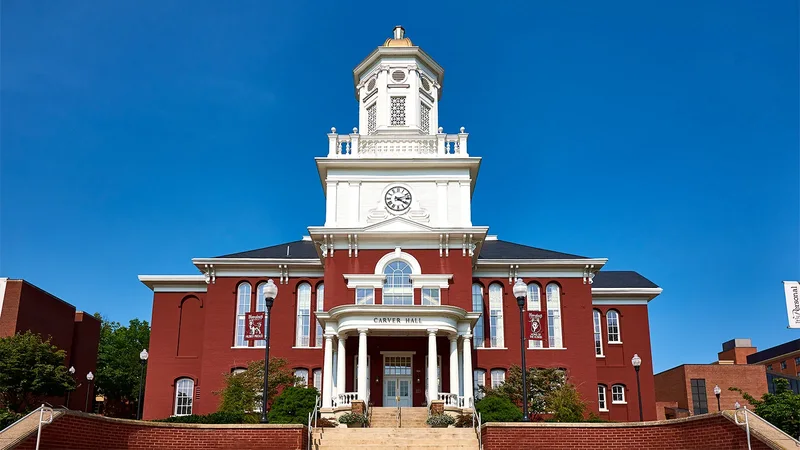
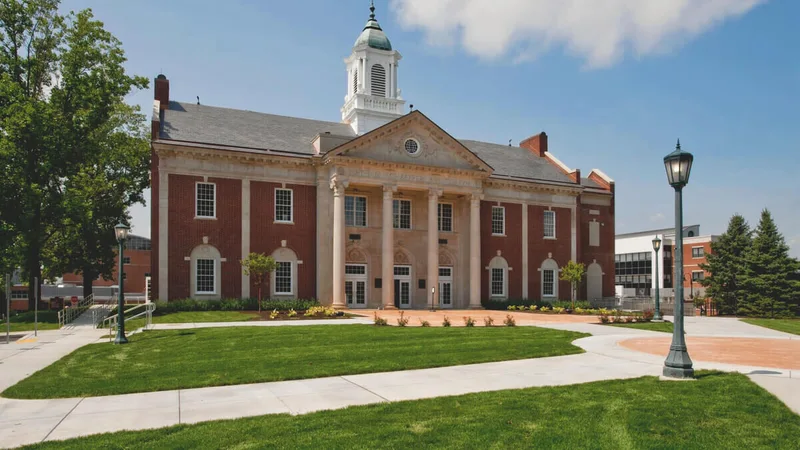
American International College
Springfield · Massachusetts · Urban
Career-focused academics, accessible admissions and a small campus community give athletes practical reasons to consider competing here.
- Acceptance
- 100%
- Students
- 2,037
Browse programs
College directoryEvery program, filtered by what fits Sport directoryMen's and women's, every division State directoryPrograms in the states you would play inGo deeper
Major directoryYour major and your sport in one list Camp directoryID camps and showcases at college programs Conference directoryEvery conference and its member collegesExplore NCAA Division II women’s lacrosse colleges with more accessible admissions standards. This ranking highlights programs that offer a realistic entry point for student-athletes looking to compete at the Division II level.
Top of the list
25 programs ranked by Most Accessible
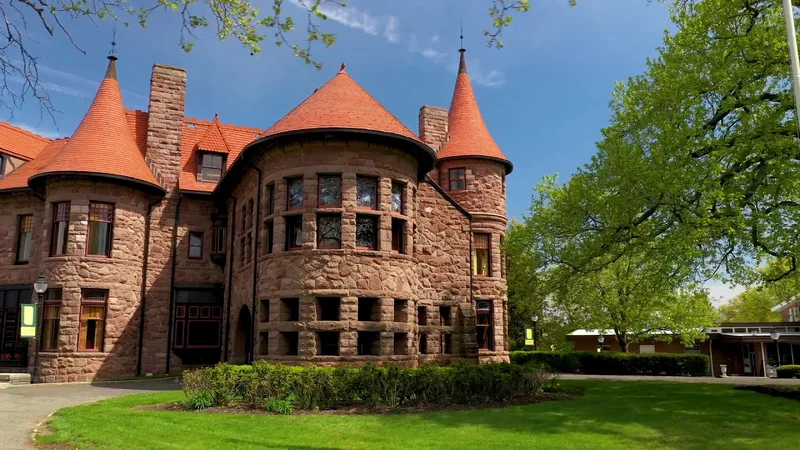
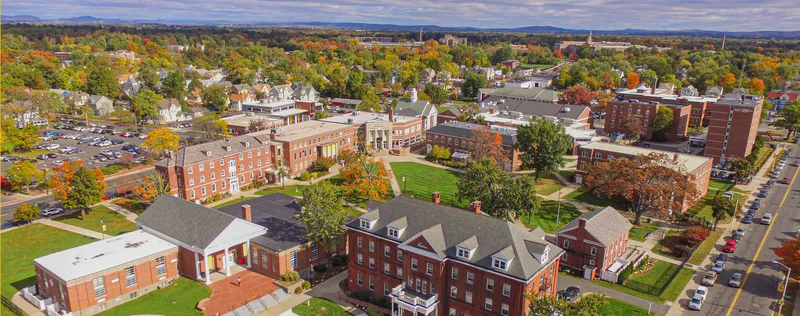 American International CollegeSpringfield, Massachusetts100%Acceptance2

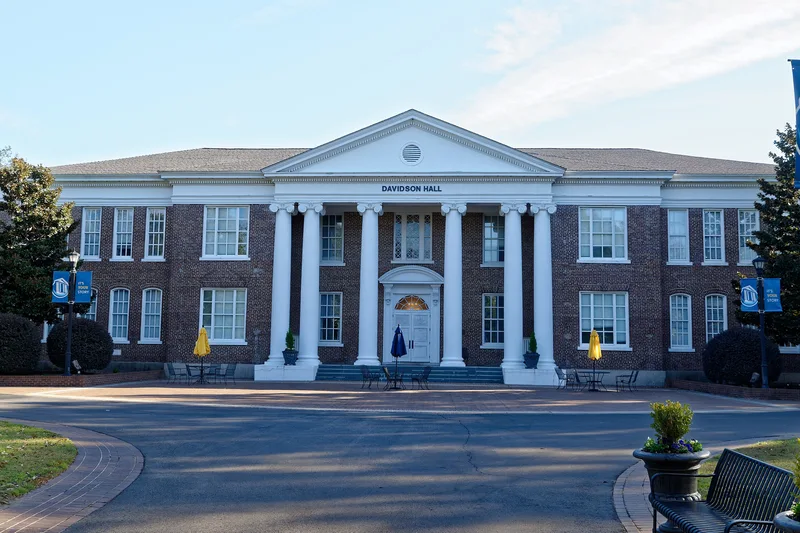
 Southern Wesleyan UniversityCentral, South Carolina100%Acceptance3
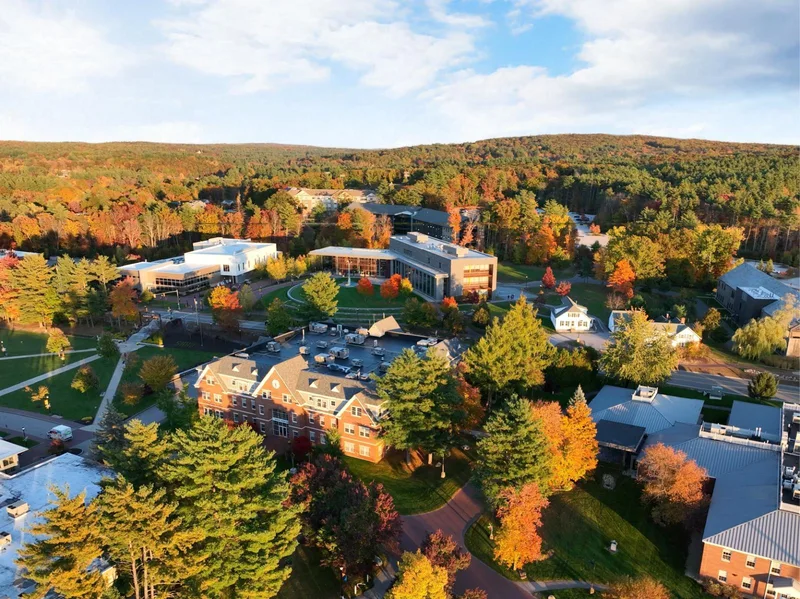
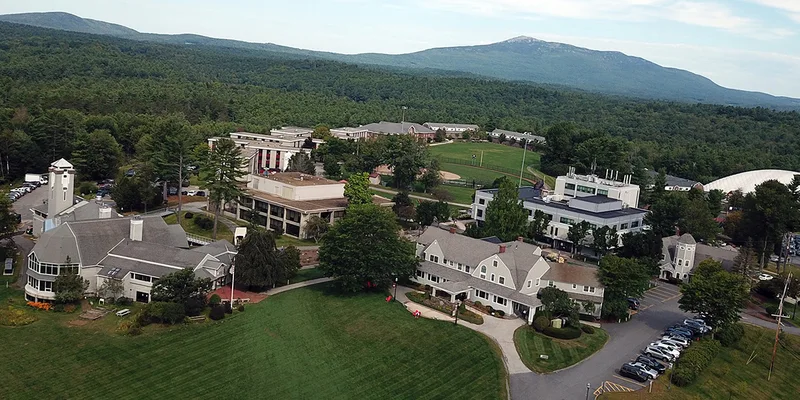
 Southern New Hampshire UniversityManchester, New Hampshire100%Acceptance
By the numbers
Every figure below is worked out from the 25 schools on this list.
The ranking
Below are NCAA Division II Women's Lacrosse programs that are generally easier to get into from an admissions standpoint. You will see schools where the academic bar and acceptance rates are more accessible than highly selective options. They can round out your list alongside reach and safety choices.
Ranked by acceptance rate, highest first. Schools with the same rate are ordered by the strength of the program.
Springfield · Massachusetts · Urban
Career-focused academics, accessible admissions and a small campus community give athletes practical reasons to consider competing here.
Central · South Carolina · Suburban
Personal attention, accessible admissions and Conference Carolinas competition give athletes a practical starting point for college planning.
Manchester · New Hampshire · Suburban
Accessible admissions, career-oriented majors and competitive conference play give athletes several reasons to consider the campus.

Grand Rapids · Michigan · Suburban
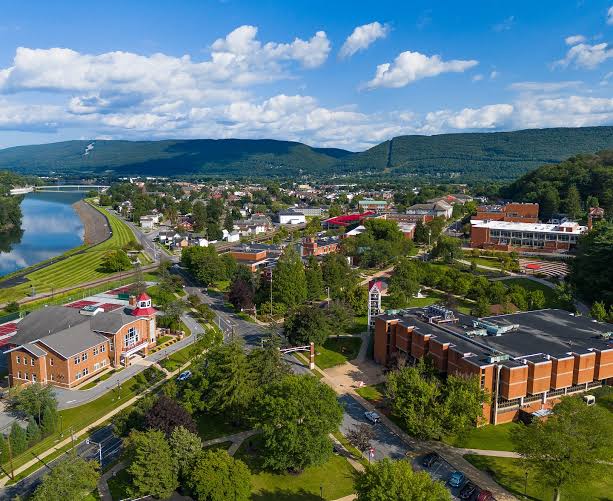
Career-oriented majors, accessible admissions and GLIAC competition appeal to athletes seeking practical preparation alongside their sport.

Colorado Springs · Colorado · Urban
Accessible admissions, reachable faculty and conference competition give athletes practical reasons to consider this Colorado Springs campus.

Pittsburgh · Pennsylvania · Urban
Downtown opportunities, approachable admissions and career-focused learning give athletes reasons to consider this small urban university.

Shepherdstown · West Virginia · Rural
Accessible admissions, affordable costs and a small campus community complement competitive athletics in a rural setting.

Rome · Georgia · Urban
A faith-centered community and approachable faculty give athletes a personal setting for pursuing academics and competitive sports.

Town and Country · Missouri · Suburban
Career-focused programs, reachable faculty and competitive athletics give recruits reasons to consider Maryville beyond their sport.

Pueblo · Colorado · Urban
Accessible admissions, career-focused academics and affordable costs give athletes practical reasons to consider competing here.

Elkins · West Virginia · Rural
Close mentoring, academic support and a scenic rural setting complement competitive athletics and available financial aid.

Edinboro · Pennsylvania · Rural
Accessible admissions, professional programs and a supportive rural campus appeal to athletes seeking a balanced college experience.

Wilson · North Carolina · Suburban
Personal faculty access and career-focused programs give athletes reasons to consider Barton beyond its Division II competition.

Rutherford · New Jersey · Suburban
Personal attention, career-focused programs and competitive athletics appeal to recruits who prefer a smaller campus community.

Hartsville · South Carolina · Rural
Personal faculty access and a close-knit campus appeal to athletes seeking competitive athletics alongside discussion-based learning.

Rindge · New Hampshire · Rural
Competitive athletics, approachable faculty and a close-knit rural community help athletes build connections beyond their sport.

Buckhannon · West Virginia · Rural
Small classes, supportive faculty and a residential community give athletes a personal setting for college competition.

Lock Haven · Pennsylvania · Rural
Accessible admissions, career-oriented academics and a close-knit residential setting give athletes practical reasons to consider this campus.

Bloomsburg · Pennsylvania · Rural
Career-focused majors, regional competition and in-state value appeal to athletes who want a residential college experience.

Sparkill · New York · Suburban
Career-focused majors, a close-knit community and competitive athletics give recruits practical reasons to consider this suburban campus.

East Stroudsburg · Pennsylvania · Suburban
Career-focused programs, accessible admissions and PSAC competition give athletes practical reasons to consider studying and competing here.

New Haven · Connecticut · Urban
Accessible admissions, career-focused programs and commuter-friendly New Haven access give athletes practical reasons to consider competing here.

Wingate · North Carolina · Suburban
Health sciences pathways, approachable faculty and competitive athletics give recruits reasons to consider this small residential campus.

Indiana · Pennsylvania · Suburban
Accessible admissions, career-focused academics and conference competition give athletes practical reasons to consider this residential campus.

Kutztown · Pennsylvania · Rural
Athletes choose a small-town setting, varied academic options and competitive conference play with public university pricing.
No school on this list is in that state.
Three ways to start
Pick the option that matches where you are, and we will show you the plan that fits.
Questions
25 programs are ranked here, from 13 states. American International College is ranked first.
Pennsylvania (7), West Virginia (3), South Carolina (2).
The average acceptance rate across the list is 95%. Admission for recruited athletes still depends on the coach's support and on meeting each school's academic standards.
The average net price, which is what families pay after grants and scholarships, is $20,400 a year. Athletic aid varies by program and division, so ask each coach what is available.
Resources
More rankings
Programs and roster openings
Sport hub
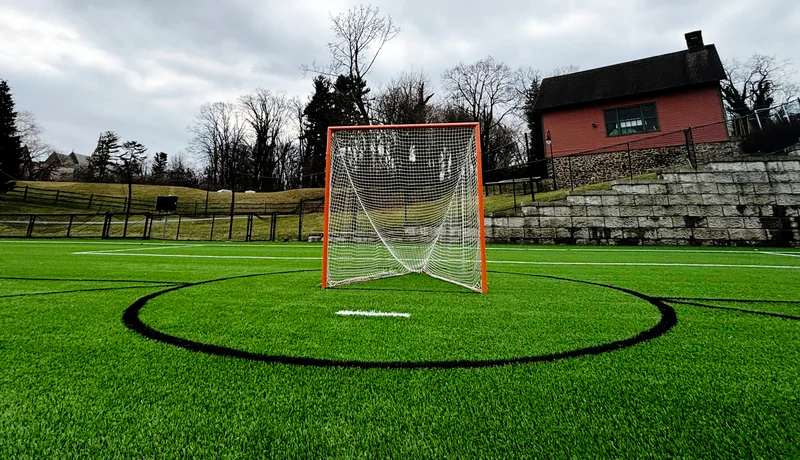
The Women's Lacrosse hub brings every division together: how D1, D2, D3 and NAIA compare, the strongest programs in each state, camps, and the recruiting guides for each level.