How D2 Men's Swimming Coaches Evaluate Players
What D2 swimming coaches actually look for, how they weigh it, and where you need to stand out to earn a roster spot.
What D2 coaches weigh, in order
- 1Verified race speed
Official short-course yards times come first because they provide the clearest comparison with Division II meet results.
- 2Event and relay fit
After race speed, coaches look at where those times could help a meet lineup.
- 3Development trend
Progression matters after current speed and lineup fit are established.
Reviewed Sep 2026
What should I do next?Overview
How D2 Men's Swimming Coaches Evaluate Recruits
NCAA Division II men's swimming evaluation starts with official meet times, especially short-course yards results. Coaches examine event depth, splits and performance against strong fields to see how a swimmer could contribute in individual races and relays. At this level, a fast primary event may open the conversation, while usable secondary events and steady improvement can make a swimmer more valuable across a meet.
- Division
- NCAA Division II
- Sport
- Men's Swimming
- Last reviewed
- Sep 2026
What matters
Coach Priorities
Most important
Verified race speed
Official short-course yards times come first because they provide the clearest comparison with Division II meet results. Strong training sets cannot replace a recorded race.
Then
Event and relay fit
After race speed, coaches look at where those times could help a meet lineup. A swimmer with credible secondary events or relay utility offers more options than a similar swimmer with a narrow profile.
And then
Development trend
Progression matters after current speed and lineup fit are established. A pattern of dropping times across seasons gives more context than an isolated personal best.
Evaluation
Key Evaluation Factors
What coaches weigh when sizing up a recruit.
Verified race times
official short-course yards results carry more weight than practice times or unverified splits.
Event coverage
a strong primary race plus credible secondary swims creates more lineup options.
Meet performance
splits and finishes against strong fields show how speed holds up under pressure.
Relay contribution
freestyle speed and clean takeovers can add value beyond individual races.
Development trend
results across seasons show whether times are progressing or have stalled.
Focus
What Coaches Watch at Each Event
Sprint Freestyle
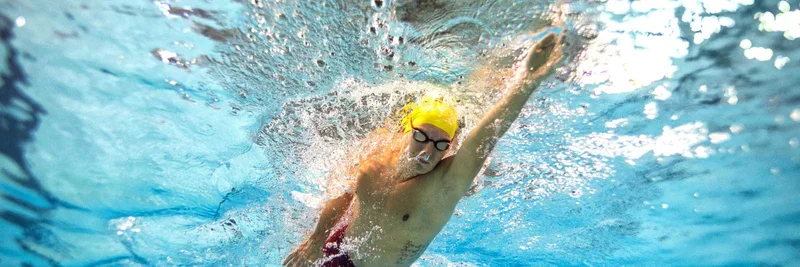
Coaches compare flat-start freestyle times with relay splits and watch the start, breakout and turn speed. They look for a sprinter who can hold tempo through the finish rather than relying on an early lead.
Distance Freestyle
Coaches study length-by-length pacing, turn consistency and whether the closing laps stay controlled. They also look at how a distance swimmer races after earlier events in a meet.
Individual Medley
Coaches identify the stroke that costs the swimmer time, then examine transitions, underwater work and the freestyle finish. A weak breaststroke leg or a butterfly fade can limit an otherwise useful medley swimmer.
Breaststroke
Coaches watch pullout distance, kick timing and speed into and out of each wall. Race video helps distinguish an efficient breaststroker from someone whose time depends mainly on a strong opening length.
Backstroke
Coaches examine underwater dolphin kicks, breakout timing, rotation and turn approaches. They check whether the swimmer holds stroke rate and a straight line when racing close to other lanes.
Where to be seen
Where Coaches Watch
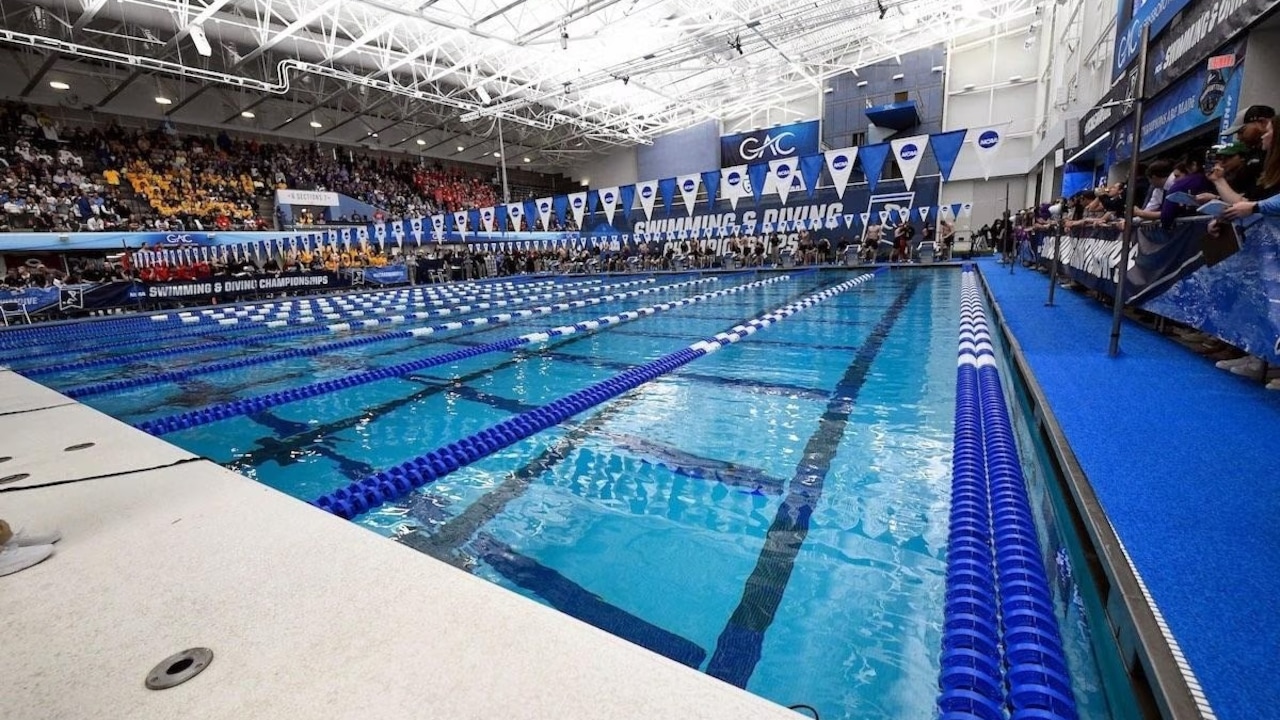
Swim in club or school meets that publish official results, with particular attention to winter championship meets in short-course yards. Send Division II coaches a concise event list, recent times, course labels and links to results. Summer long-course results can add context, but identify the course clearly. Coaches may watch races in person or review video when a result raises interest.
- Sanctioned club meets where times can be verified against official results
- High school championship meets, especially when swimmers race multiple events
- Major invitational and championship result databases, used to track progression
- College-hosted camps and visits, where technique can be seen closely
Level check
Signs You Are a D2 Level Recruit
- Official short-course yards times remain competitive against strong club meet fields.
- A primary event stays effective after prelims or earlier meet races.
- Relay splits help the swimmer's team without depending on an unusually early takeover.
- Secondary event results give a coach usable options outside the swimmer's specialty.
- Recent meet results show progress against stronger opposition, not just faster swims at familiar meets.
Stand out
What Helps and What Hurts
What helps
Habits that move you up coaches' boards
- Meet-result links make each listed time easy to verify.
- Race video shows starts, underwaters, turns and finishes in the swimmer's strongest events.
- Separate flat-start times from relay splits in every event summary.
- Course labels distinguish short-course yards from short-course or long-course meters.
What hurts
Mistakes that quietly cost opportunities
- A one-event wonder with no credible secondary swim gives a Division II lineup fewer uses.
- Big time drops appear only in hand-timed or practice swims, not official results.
- A fast opening split is followed by a pronounced fade at the finish.
- Weak turns and underwaters cost visible distance on each wall.
Avoid these
Common Mistakes
- Families assume a long-course meters best time is directly comparable with a short-course yards result.
- Parents send only a highlight video when official meet results are available.
- Families treat high school team placement as a substitute for comparing actual race times.
- Parents build a target list from school names before checking the team's event needs.
Action plan
What to Do This Month
- Gather official results and label each personal best by event, date and course.
- Review race video to identify what happens on starts, turns and closing lengths.
- Use Pathley to compare Division II men's swimming programs with your events, times and academic interests.
- Draft a short coach email with your verified results and meet links, then use Pathley to refine it.
- Enter a suitable meet this month and send a meaningful result update afterward.
College fit finder
Find the Colleges Where You Fit
Now that you know what coaches look for, see which schools to aim it at. Pick your position and level, and we score every college program in your sport on roster openings at your position, athletic level and academics.
Free recruiting guide
The complete men's swimming recruiting guide
Divisions, contact rules, what coaches look for and what a year really costs, laid out in the order the process happens.
- 01Where you actually fit
- 02The recruiting timeline
- 03What coaches evaluate
- Plus six more sections
Explore programs
Search top D2 Men's Swimming colleges
Four ways to rank the programs in this division, from the strongest overall to the easiest to get into.
FAQ
Frequently Asked Questions
What matters most to D2 men's swimming coaches?
Verified times that project to conference points matter most. After that, coaches look closely at event range, relay usefulness, and whether your progression suggests more improvement in college.
Do coaches care more about one great event or several solid events?
Several usable events often help more at this level because they give the team flexibility. A true standout event still carries weight, but depth across two or three events can make you more recruitable.
How do coaches judge whether my times are good enough?
Most compare your best swims against recent conference championship results, especially B-final and scoring marks. They also look at where you would fit on their current roster and relays.
Is video important in swimming recruiting?
Video usually supports the evaluation rather than leading it. Coaches use it to confirm mechanics, starts, turns, and underwater discipline after your times have already put you on their radar.
When should men's swimming prospects start contacting D2 coaches?
Most should begin reaching out well before major junior-year and senior-year meets, once they have credible times and an academic profile to share. Regular updates after meaningful swims help coaches track progress.
Three ways to start
Where are you in the search?
Pick the option that matches where you are, and we will show you the plan that fits.
Your 20 to 25 best-fit schools, picked for you.



- Starter: the list, fit reads, real costs and a dated timeline
- Complete: adds roster reads and coach emails for every school
The roster at your position, at the schools you pick.

- Who is graduating at your position, class year by class year
- Where spots are likely to open, in plain words
One school, covered end to end.
- Your honest odds, the roster and the verified coach
- Intro email, three follow-ups, admissions steps and timeline
News and guides
Swimming: The Latest from Pathley


Resources
Keep exploring
Sport hub
Everything for Men's Swimming recruiting
The Men's Swimming hub brings every division together: how D1, D2, D3 and NAIA compare, the strongest programs in each state, camps, and the recruiting guides for each level.
How this page was built. General swimming evaluation practices, public meet results and Pathley analysis. Updated Sep 2026.