Skills campBaseball · Men's
Spring Baseball Clinic
- Feb 22 to Mar 8, 2026
- On-campus, Whitewater, WI
- $60
One-day tune-up clinics covering pitching, hitting, fielding, and catching with sessions on Feb 22, Mar 1, and Mar 8, 2026.
Browse programs
College directoryEvery program, filtered by what fits Sport directoryMen's and women's, every division State directoryPrograms in the states you would play inGo deeper
Major directoryYour major and your sport in one list Camp directoryID camps and showcases at college programs Conference directoryEvery conference and its member colleges

Whitewater, WisconsinWisconsin Intercollegiate Athletic Conference
Overview
Mission and culture
University of Wisconsin-Whitewater is a public UW System university in rural Whitewater, Wisconsin, with NCAA Division III athletics and particular strengths in business and teacher education. Its championship athletic tradition, medium-sized campus and relatively affordable tuition appeal to families seeking competitive sports alongside practical academic options.
Why athletes choose University of Wisconsin–Whitewater
Championship athletics, career-focused academics and affordable tuition give recruits compelling reasons to consider this campus.
Fit check
Pick a sport, your position and level, add a test score if you have one, and get an instant read on your chances here. Free, and no account needed.
Academics
University of Wisconsin-Whitewater combines strengths in business and teacher education with accessible admissions, giving athletes a practical academic path to evaluate through coursework expectations, faculty access and graduate outcomes.
Academic strength
A composite of graduation rate, earnings after college, how selective admissions are and how hard the coursework is.
Acceptance rate
More selectiveMore accessible
Admissions are highly accessible, so recruits can focus on classroom readiness and academic fit rather than intense selectivity.
Six-year graduation rate
0%100%
There is a reasonable path to graduation, especially when athletes maintain focus and use academic support.
Academic difficulty
Rated 3 out of 5
Coursework presents a balanced challenge, making steady study habits important alongside athletic commitments.
Student to faculty ratio
students for every faculty member
Expect a larger, less individualized academic environment, where building faculty relationships takes initiative.
Median earnings
per year, ten years after starting college
Six years after: $47,909Graduate earnings suggest solid outcomes, giving families a useful foundation for weighing affordability and career goals.
Undergraduate enrollment
undergraduate students
The medium-sized student body offers variety while giving athletes room to build connections beyond their own programs.
SAT and ACT scores
The test profile suggests accessible admissions, and optional testing lets recruits decide whether scores strengthen an application grounded in classroom performance.
Most popular majors
Admissions
Prepare your University of Wisconsin-Whitewater application by reviewing deadlines by plan, test policy, application fees and recommendation requirements alongside your recruiting conversations.
Majors
47 undergraduate majors across 7 academic areas.
No major matches that search.
Campus life
A medium-sized campus in rural Whitewater combines active student organizations with support for students with disabilities and those who are first-generation college students.
Athletics
The Warhawks compete in NCAA Division III through the WIAC, with a championship tradition in football, baseball and basketball that makes competitive preparation central to the athletic experience.
Athletic department
Explore how University of Wisconsin-Whitewater supports its NCAA Division III athletic programs through department finances, recruiting investment and the distribution of athletes and athletic aid by gender.
Athletes
Recruiting spend
Source: the federal Equity in Athletics report, 2025.
Cost
At University of Wisconsin-Whitewater, public in-state tuition offers a value advantage, while net price, published costs and need-based or merit-based aid help clarify your family's budget.
Average net price
What families pay on average after grants and scholarships, including tuition, housing and fees.
Published tuition
The sticker price a year, before any aid.
Financial aid
Need-based and merit-based aid availableAthletic scholarships, where a program offers them, are awarded by the coaching staff and come on top of these figures.
NIL
NIL rating
The name, image and likeness (NIL) environment at the University of Wisconsin–Whitewater offers solid opportunities for standout student‑athletes, especially within successful college sports programs. Located in Whitewater, Wisconsin, this NCAA Division III campus blends regional visibility with strong campus and alumni support for NIL activities.
See the full NIL breakdownStudent fit
The kind of student-athlete who tends to do well at University of Wisconsin–Whitewater.
University of Wisconsin-Whitewater fits athletes who want NCAA Division III competition with a championship tradition, especially those interested in business or teacher education. Its accessible admissions and moderately challenging coursework suit students who are ready to maintain steady academic habits while taking their sport seriously, rather than seeking a highly selective academic environment. You should be comfortable with a rural setting and a medium-sized campus, and willing to reach out to faculty and use student support services. Families prioritizing affordability should explore in-state pricing and need-based or merit-based aid, while recognizing that athletic aid is not part of the funding picture.
Who thrives here
Team First CompetitorsValue Focused FamiliesOrganized Student AthletesTradition And AccountabilityBusiness Or Education BoundCamps
University of Wisconsin–Whitewater has not posted new camp dates yet. These ran last season.
One-day tune-up clinics covering pitching, hitting, fielding, and catching with sessions on Feb 22, Mar 1, and Mar 8, 2026.
Single-day elite/prospect camp for high-school-aged prospective student-athletes and college transfers, featuring player development and instruction from UWW men's coaches and student-athletes.
Single-day padded session focusing on offensive and defensive line fundamentals and combine testing (helmet, mouth guard, shoulder pads required).
Questions
It is well known for strong programs in business, education, communication, and special education, along with solid offerings in the arts, sciences, and technology. Many students choose it for its balance of academic rigor, support services, and career-focused learning.
Admission is considered moderately selective. Applicants with a solid high school record, college-prep coursework, and competitive test scores or strong overall academic performance generally have a good chance of being admitted.
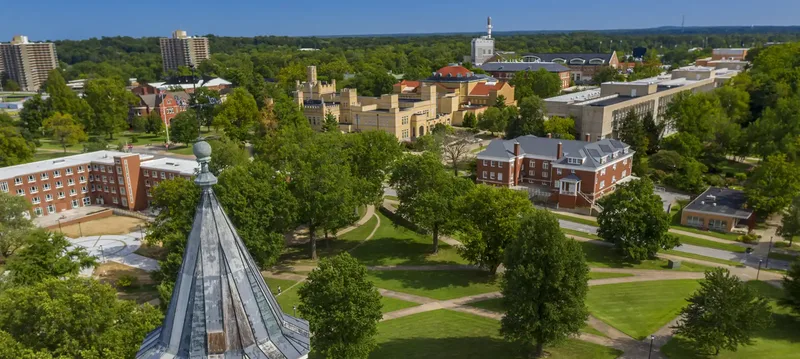
The campus has a classic Midwestern college-town feel, with a mix of residence halls, academic buildings, and green spaces within walking distance. Students often describe the environment as friendly, active, and community oriented.
Yes, students have access to academic advising, tutoring, writing and math help, disability services, and career counseling. These resources are designed to support student success from the first year through graduation.
It is widely regarded as a strong choice for business majors, offering a well-established college of business with multiple majors in areas such as accounting, finance, marketing, management, and information systems, plus experiential learning and internship opportunities.
Student life is active, with many clubs, student organizations, music and theater groups, intramural sports, and campus events. The atmosphere tends to be social and involved, with many students living on or near campus.
Yes, there are multiple residence halls and on-campus housing options for first-year and upper-level students. Living on campus typically provides easy access to classes, dining, recreation, and student activities.
Class sizes are generally moderate, with many courses small enough for students to get to know their instructors and participate in discussions, especially in upper-level and major-specific classes.
As an NCAA Division III institution, it offers a competitive athletic environment that emphasizes both academics and sports. Student-athletes typically balance rigorous coursework with structured training, and they do not receive athletic scholarships, in keeping with Division III rules.
The university sponsors a wide range of men’s and women’s varsity teams in sports such as football, basketball, baseball, softball, soccer, volleyball, track and field, and more, along with club and intramural sports for non-varsity participation.
It is part of a public university system, so in-state students typically benefit from lower tuition compared with many private institutions. Financial aid, scholarships, and work-study options can further help reduce overall costs.
Graduates commonly move into careers in business, education, public service, technology, and the arts, often supported by internships, networking, and career services. Many alumni stay in the region, while others pursue opportunities across the country or continue to graduate and professional schools.
Compare
Other colleges worth comparing with University of Wisconsin–Whitewater.
Competitive WIAC athletics and career-focused programs appeal to athletes who want their sport and education to matter.
Accessible admissions, regional career connections and public tuition give athletes practical reasons to consider competing here.
Hands-on academics, career connections and Division III competition appeal to athletes who want a practical college experience.
Regional competition, specialized academic strengths and public university value give athletes several practical reasons to consider competing here.
Accessible admissions, public tuition and nearby career opportunities make this a practical option for college athletes.
Accessible admissions, public tuition and community-connected learning give athletes practical reasons to consider competing here.
Justice-focused academics, city opportunities and affordable costs after grants give athletes practical reasons to consider competing here.
Accessible admissions, career-focused programs and public tuition give athletes practical reasons to consider competing here.
Accessible faculty, applied learning and Portland career connections complement competitive athletics in the Little East Conference.
Hands-on academics, SUNY affordability and a small residential community give athletes practical reasons to pursue this campus.
Career-focused academics, competitive athletics and relatively affordable public tuition draw athletes to this residential campus.
Athletes come for competitive athletics, practical academic options and relatively affordable costs in a college-town setting.
Three ways to start
Pick the option that matches where you are, and we will show you the plan that fits.
Resources