Reed Sunahara Little Toss Camp
- Feb 7 to Apr 11, 2026
- UH Hilo Gym, Hilo, HI
- $54
Saturday sessions for ages 4–6 teaching basic volleyball fundamentals; option to register for single sessions or all 10 sessions running Feb 7–Apr 11, 2026.
Browse programs
College directoryEvery program, filtered by what fits Sport directoryMen's and women's, every division State directoryPrograms in the states you would play inGo deeper
Major directoryYour major and your sport in one list Camp directoryID camps and showcases at college programs Conference directoryEvery conference and its member collegesOverview
Mission and culture
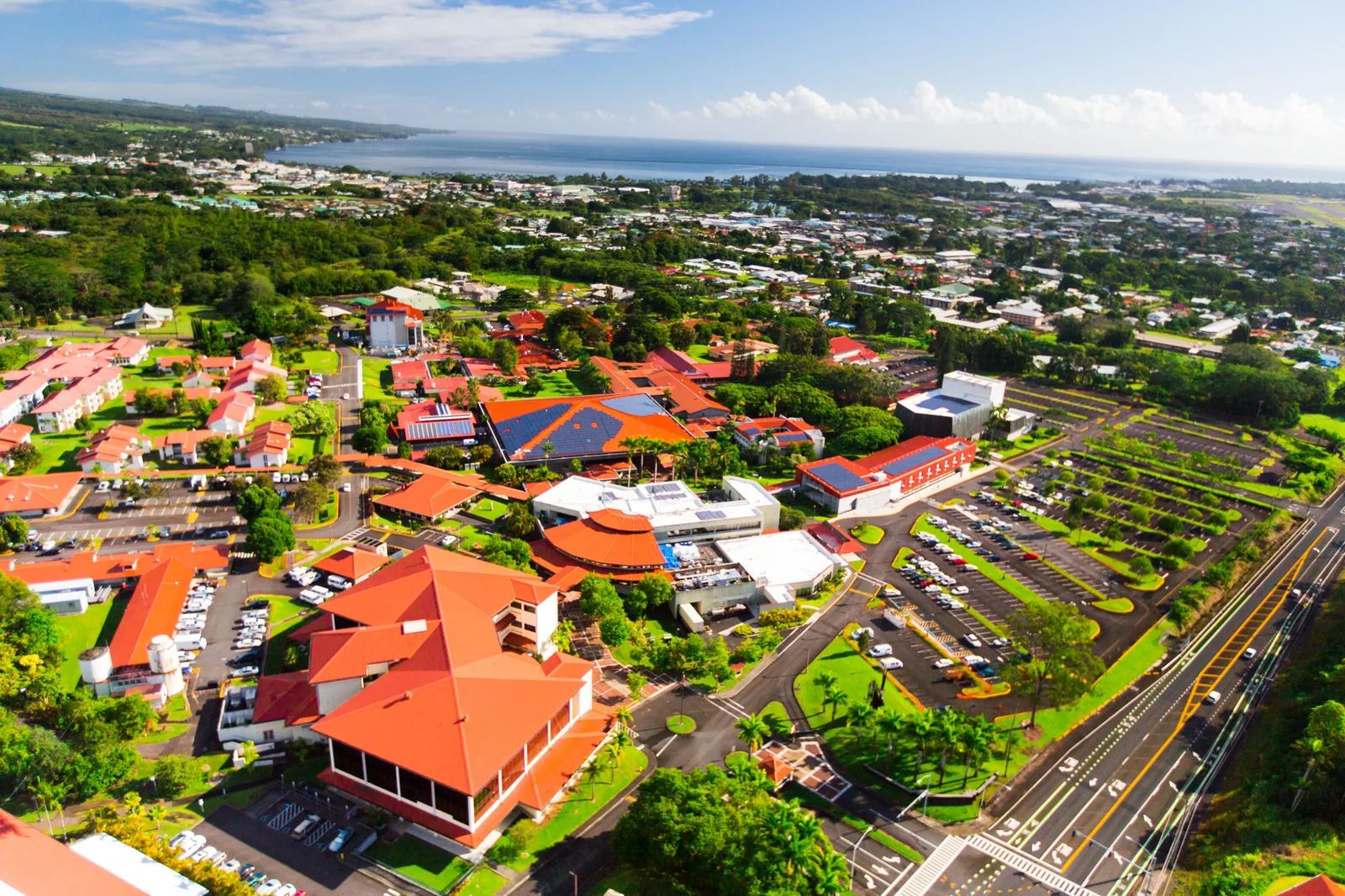
University of Hawaii at Hilo is a public university in Hilo, Hawaii, pairing a small-campus environment with NCAA Division II athletics in the Pacific West Conference. Its astronomy, marine science and volcano studies connect academic life to the island's environment, while Hawaiian and Pacific cultural experiences shape the campus community.
Why athletes choose University of Hawaii at Hilo
A small campus, personalized instruction and island-based learning give athletes reasons to look beyond the competition.
Fit check
Pick a sport, your position and level, add a test score if you have one, and get an instant read on your chances here. Free, and no account needed.
Academics
University of Hawaii at Hilo connects its academic strengths to the surrounding island, with marine science, astronomy and natural resource studies offering distinctive options alongside business, nursing and psychology.
Academic strength
A composite of graduation rate, earnings after college, how selective admissions are and how hard the coursework is.
Acceptance rate
More selectiveMore accessible
Admissions are moderately selective, so solid classroom preparation matters even when your athletic profile draws a coach's interest.
Six-year graduation rate
0%100%
Finishing a degree is a reasonable goal, but steady focus and academic support remain important.
Academic difficulty
Rated 2 out of 5
Coursework should be manageable with steady effort and consistent planning around athletic commitments.
Student to faculty ratio
students for every faculty member
Faculty should be reachable, giving you opportunities to ask questions and build useful academic relationships.
Median earnings
per year, ten years after starting college
Six years after: $37,204Graduate earnings are moderate, making career planning and the cost of your chosen degree important considerations.
Undergraduate enrollment
undergraduate students
The small undergraduate community offers a more familiar daily environment for athletes who prefer finding connections without a sprawling campus.
SAT and ACT scores
The test profile suggests room for varied academic backgrounds, and optional testing lets recruits decide whether scores strengthen their application.
Most popular majors
Admissions
Prepare your University of Hawaii at Hilo application by reviewing deadlines by admission plan, test policy, application fee and recommendation requirements alongside your recruiting conversations.
Majors
33 undergraduate majors across 5 academic areas.
No major matches that search.
Campus life
Daily life combines a small, close-knit campus with Hawaiian culture, outdoor recreation and the quieter pace of a rural island town.
Athletics
Competing in NCAA Division II's Pacific West Conference, the Vulcans offer a competitive setting within a small university community, with opportunities in volleyball, golf and soccer.
Athletic department
Explore how University of Hawaii at Hilo supports its NCAA Division II athletes through department spending, recruiting investment and the distribution of athletic aid across men's and women's programs.
Athletes
Athletic aid
Recruiting spend
Source: the federal Equity in Athletics report, 2025.
Cost
At University of Hawaii at Hilo, resident tuition offers a cost advantage, while grants and need-based or merit-based aid help shape your actual college budget.
Average net price
What families pay on average after grants and scholarships, including tuition, housing and fees.
Published tuition
The sticker price a year, before any aid.
Financial aid
Need-based and merit-based aid availableAthletic scholarships, where a program offers them, are awarded by the coaching staff and come on top of these figures.
NIL
NIL rating
The name, image and likeness (NIL) environment at the University of Hawaii at Hilo offers student-athletes a mix of small-town visibility and unique island appeal. Located in Hilo, Hawaii, this NCAA Division II program gives college sports athletes a chance to build personal brands connected to the local community and the broader tourism-driven audience interested in Hawaii athletics.
See the full NIL breakdownStudent fit
The kind of student-athlete who tends to do well at University of Hawaii at Hilo.
University of Hawaii at Hilo fits athletes seeking NCAA Division II competition, a small campus and academic interests connected to Hawaii's ocean, land or skies. It suits students who value reachable faculty, cultural diversity and a quieter island-town setting rather than a large urban campus with a more anonymous daily experience. Recruits should bring solid academic preparation and consistent study habits, since manageable coursework still requires attention while balancing practices, travel and progress toward a degree. Families should weigh resident tuition advantages and available aid against island living costs, while connecting the student's major to a realistic career plan.
Who thrives here
Close Knit CommunityProfessor ConnectionsCulture First MindsetIndependent Self StarterNeeds Flexible AcademicsCamps
University of Hawaii at Hilo has not posted new camp dates yet. These ran last season.
Saturday sessions for ages 4–6 teaching basic volleyball fundamentals; option to register for single sessions or all 10 sessions running Feb 7–Apr 11, 2026.
Questions
It is known for strong programs in marine science, astronomy, Hawaiian studies, environmental science, and agriculture, supported by access to unique island ecosystems and observatories on Maunakea.
Admission is generally considered accessible, with a student-friendly acceptance process that emphasizes overall academic preparation and readiness rather than highly competitive selectivity.
The campus offers a relaxed, close-knit environment with small class sizes, a diverse student body, and a strong connection to Hawaiian culture and the natural surroundings of the Big Island.
Yes, it offers a well-regarded marine science program that leverages nearby coastal environments and research opportunities in oceanography, marine biology, and conservation.
Student life is casual and community-oriented, with cultural events, outdoor activities, clubs, and service opportunities that take advantage of the island’s landscapes and multicultural setting.
It is a strong option for Hawaiian and Pacific Island studies, offering courses and programs that focus on indigenous knowledge, language, history, and contemporary issues in the Pacific region.
Students who thrive tend to value a laid-back atmosphere, small classes, close interaction with faculty, and interest in environmental, cultural, or marine-related fields of study.
Yes, undergraduates have access to research opportunities in areas such as marine science, astronomy, agriculture, environmental science, and Hawaiian studies, often working closely with faculty mentors.
Its varsity teams compete in NCAA Division II, offering student-athletes a balance of competitive athletics and academic flexibility.
Students can participate in NCAA Division II varsity sports as well as intramural and recreational activities, with opportunities in sports such as basketball, soccer, baseball, softball, golf, tennis, and volleyball.
It is well-suited for students who like outdoor activities, with access to beaches, rainforests, hiking trails, volcanic landscapes, and year-round opportunities for surfing, snorkeling, and exploring nature.
It is a small university, which helps create a more personal campus experience, closer relationships with professors, and a strong sense of community among students.
Compare
Other colleges worth comparing with University of Hawaii at Hilo.
Small classes, accessible admissions and a rural setting appeal to athletes seeking a more personal college experience.
Accessible admissions, affordable costs and a small campus community complement competitive athletics in a rural setting.
A small campus, career-oriented academics and affordable tuition give athletes practical reasons to consider competing here.
A small campus, specialized academics and Gulf South competition give athletes distinct reasons to consider studying here.
A small campus, accessible admissions and Mountain East competition give athletes clear reasons to consider this university.
Athletes choose a close-knit campus where land-grant academics, affordable tuition and conference competition shape the college experience.
Affordable tuition, aviation-focused academics and a small residential community give athletes distinct reasons to consider competing here.
Accessible admissions, professional degrees and a small campus give athletes a practical setting for balancing college and competition.
A small mountain campus, reachable faculty and relatively low costs appeal to athletes seeking a personal college experience.
A small campus, approachable faculty and regional affordability appeal to athletes seeking competitive sports and personal connections.
Affordable tuition, a small campus community and Division II competition give athletes practical reasons to consider enrolling.
Affordable costs, career-focused academics and a close-knit campus give athletes practical reasons to consider competing here.
Three ways to start
Pick the option that matches where you are, and we will show you the plan that fits.
Resources