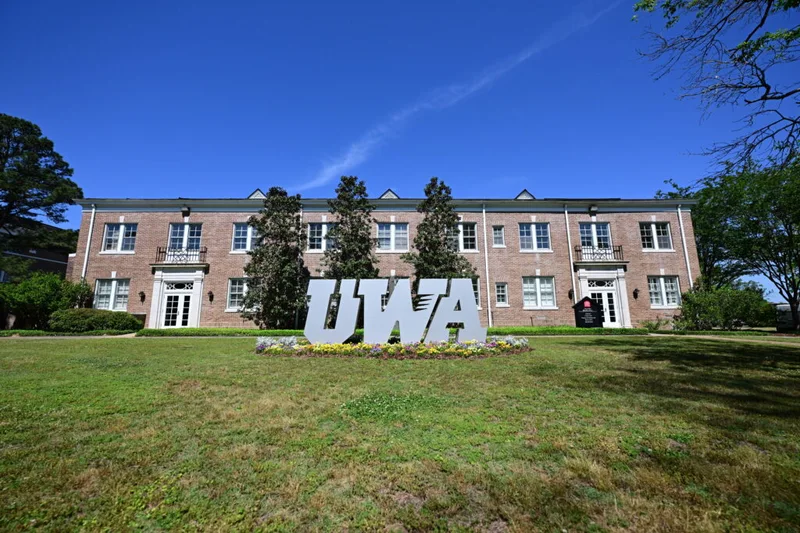
Specialized academics, accessible admissions and Lone Star Conference competition give athletes practical reasons to consider this campus.
- 6,864
- Students
- 91%
- Admit rate
- $12,090
- Net price
Browse programs
College directoryEvery program, filtered by what fits Sport directoryMen's and women's, every division State directoryPrograms in the states you would play inGo deeper
Major directoryYour major and your sport in one list Camp directoryID camps and showcases at college programs Conference directoryEvery conference and its member collegesOverview
Mission and culture
The University of Texas Permian Basin is a public University of Texas System campus in Odessa, Texas, with NCAA Division II athletics and a practical, career-focused character. Its engineering connections to the regional energy sector and affordable degree options make it worth considering for athletes interested in West Texas.
Why athletes choose The University of Texas Permian Basin
Accessible admissions, regional career connections and affordable academics give athletes practical reasons to consider competing here.
Fit check
Pick a sport, your position and level, add a test score if you have one, and get an instant read on your chances here. Free, and no account needed.
Academics
The University of Texas Permian Basin combines career-oriented study with engineering connections to the regional energy industry, making academic fit, classroom expectations and degree completion important parts of your recruiting decision.
Academic strength
A composite of graduation rate, earnings after college, how selective admissions are and how hard the coursework is.
Acceptance rate
More selectiveMore accessible
Admissions are highly accessible, so recruits can focus on demonstrating college readiness rather than navigating a highly selective process.
Six-year graduation rate
0%100%
Finishing a degree takes real self-direction, consistent academic attention and a willingness to seek support when needed.
Academic difficulty
Rated 3 out of 5
Coursework presents a balanced challenge that calls for steady planning alongside athletic commitments.
Student to faculty ratio
students for every faculty member
Expect a balanced classroom environment with some larger classes, making regular contact with professors a useful habit.
Median earnings
per year, ten years after starting college
Six years after: $50,020Graduate earnings suggest solid outcomes, with your major and regional career interests still important to weighing value.
Undergraduate enrollment
undergraduate students
The small undergraduate community offers a more contained college experience, with a regional feel rather than a sprawling campus atmosphere.
SAT and ACT scores
Testing is optional, and the typical score profile suggests an accessible academic entry point for recruits who bring solid classroom preparation.
Most popular majors
Admissions
Prepare your application to The University of Texas Permian Basin by reviewing deadlines by plan, test policy, application fee and recommendation requirements within its rolling admissions process.
Majors
34 undergraduate majors across 7 academic areas.
No major matches that search.
Campus life
Daily life centers on a small, career-focused campus in urban Odessa, with commuting students, modest activities and a distinctly regional West Texas feel.
Athletics
Competition is NCAA Division II, primarily in the Lone Star Conference, with swimming affiliated with the Rocky Mountain Athletic Conference. Football, basketball and tennis have earned conference titles.
Athletic department
Explore how The University of Texas Permian Basin supports its NCAA Division II programs through department revenue, recruiting expenditures and athletic aid, including how resources are distributed by gender.
Athletes
Athletic aid
Recruiting spend
Source: the federal Equity in Athletics report, 2025.
Cost
At The University of Texas Permian Basin, public in-state tuition and need-based or merit-based aid make the published cost and net price important comparisons for your family.
Average net price
What families pay on average after grants and scholarships, including tuition, housing and fees.
Published tuition
The sticker price a year, before any aid.
Financial aid
Need-based and merit-based aid availableAthletic scholarships, where a program offers them, are awarded by the coaching staff and come on top of these figures.
NIL
NIL rating
The University of Texas Permian Basin in Odessa, Texas offers a growing name, image and likeness (NIL) environment that benefits from strong regional pride in college sports. Student-athletes can tap into community connections and the broader Permian Basin area to build personal brands and localized NIL opportunities.
See the full NIL breakdownStudent fit
The kind of student-athlete who tends to do well at The University of Texas Permian Basin.
The University of Texas Permian Basin fits athletes seeking NCAA Division II competition, accessible admissions and a practical degree path in West Texas. It particularly suits recruits interested in regional careers, including energy-related work, who appreciate a small campus without expecting a busy residential college atmosphere. Academically, the balanced challenge can work well alongside a sport, but athletes need to stay organized and take ownership of their progress toward graduation. Families looking for public in-state value should give it a close look, while students wanting extensive campus activities or a less commuter-oriented setting may prefer a different environment.
Who thrives here
Career Minded AthletesWork Ethic LeadersGoal Driven PlannersResilient Self StartersValue Focused FamiliesQuestions
It is known for strong programs in business, education, engineering, nursing, and STEM fields, with a focus on practical, career-oriented education and opportunities for undergraduate research and internships tied to the energy industry and regional employers.
Admission is considered moderately selective. Students who meet recommended high school coursework, maintain a solid GPA, and submit competitive test scores or meet test-optional criteria generally have a good chance of being admitted.
The academic environment is moderately rigorous and supportive, with small to mid-sized classes, accessible faculty, and an emphasis on hands-on learning, internships, and real-world projects that prepare students for regional and national career paths.
Yes, it offers a range of online undergraduate and graduate programs, especially in business, education, and the social sciences, designed to be flexible for working adults and distance learners while maintaining the same curriculum standards as on-campus programs.
Campus life is active but close-knit, with student organizations, intramural sports, cultural events, and campus traditions, while the surrounding area offers access to outdoor recreation, local arts, and community events in the Permian Basin region.
The campus maintains its own police department, security measures such as patrols and emergency alerts, and safety education programs. Students are encouraged to use campus resources like escort services and emergency phones to help promote a safe environment.
Students can access a mix of institutional scholarships, need-based aid, merit awards, grants, loans, and work-study opportunities, and many scholarships consider academic achievement, leadership, and financial need when awarding funds.
Engineering and energy-related programs are a major strength, benefiting from the region’s role in the oil and gas industry, partnerships with local employers, internship opportunities, and curricula that emphasize applied learning and industry-relevant skills.
Students can choose from on-campus residence halls and apartment-style living, with options geared toward first-year students and upperclassmen, and housing typically includes access to campus dining, study spaces, and social activities.
Its varsity teams compete in NCAA Division II, giving student-athletes the chance to participate in competitive college athletics while balancing academic commitments and campus involvement.
The university sponsors several men’s and women’s varsity sports, including popular offerings such as basketball, soccer, baseball or softball, football, volleyball, golf, and other NCAA Division II sports, along with intramural and club sport options.
Students have access to career counseling, resume and interview workshops, job and internship fairs, employer networking events, and online job boards designed to connect them with opportunities in the Permian Basin and beyond.
Compare
Other colleges worth comparing with The University of Texas Permian Basin.
Specialized academics, accessible admissions and Lone Star Conference competition give athletes practical reasons to consider this campus.
Accessible admissions, health-focused academics and affordable public tuition give athletes practical reasons to consider competing here.
Career-focused learning, accessible admissions and affordable tuition give athletes practical reasons to consider competing here.
Professional programs, accessible admissions and a close-knit campus give athletes practical reasons to pursue competitive collegiate athletics here.
Accessible admissions, professional pathways and affordable tuition give athletes practical reasons to pursue a place here.
Conference competition, practical majors and scholarship opportunities appeal to athletes looking for a balanced West Texas college experience.
Regional competition, affordable costs and career-oriented academics appeal to athletes who also value a smaller campus community.
Affordable study, career-focused programs and a close-knit rural campus complement competitive athletics in the Great American Conference.
Competitive athletics, hands-on academics and relatively affordable tuition give recruits practical reasons to consider this Kansas campus.
A small-campus community and practical academic options appeal to athletes seeking competitive athletics in a rural setting.
Accessible faculty, career-focused programs and Gulf South Conference competition give athletes practical reasons to consider this campus.
Practical academics, accessible admissions and GLIAC competition give athletes a balanced path through college and into work.
Three ways to start
Pick the option that matches where you are, and we will show you the plan that fits.
Resources