What is Texas Lutheran University known for academically?
Texas Lutheran University is known for its strong focus on undergraduate teaching, small class sizes, and supportive faculty. It offers a range of liberal arts and professional programs, with particular strength in business, education, natural sciences, and music, while maintaining a student-centered learning environment.
Is it hard to get into Texas Lutheran University?
Admission to Texas Lutheran University is generally considered accessible for many students. The application review is holistic and takes into account grades, curriculum rigor, test scores if submitted, and extracurricular involvement, with an emphasis on academic potential and fit with the campus community.
What is the student-to-faculty experience like at Texas Lutheran University?
Students at Texas Lutheran University typically experience small classes and close interaction with professors. The campus emphasizes personal attention, easy access to faculty, and opportunities for mentorship, undergraduate research, and collaborative projects.
What types of majors and programs does Texas Lutheran University offer?
Texas Lutheran University offers a variety of undergraduate majors in areas such as business, education, the sciences, humanities, social sciences, music, and athletic training, as well as select pre-professional and interdisciplinary programs designed to prepare students for both careers and graduate study.
What is campus life like at Texas Lutheran University?
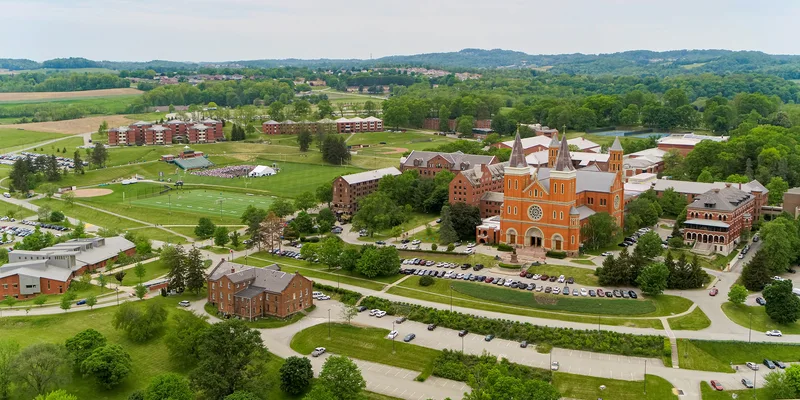
Campus life at Texas Lutheran University is close-knit and community-oriented, with residence halls, student organizations, music and arts events, faith-based activities, and service opportunities that allow students to get involved and build connections in a small-college setting.
Where is Texas Lutheran University located and what is the surrounding area like?
Texas Lutheran University is located in Seguin, Texas, a small city in Central Texas. Students benefit from a quiet, residential campus environment with access to outdoor recreation and a short drive to larger nearby cities for internships, entertainment, and cultural activities.
Does Texas Lutheran University offer financial aid and scholarships?
Texas Lutheran University offers financial aid through a combination of institutional scholarships, grants, loans, and work-study. Many students qualify for merit-based awards as well as need-based assistance, making it important to submit the required financial aid forms and apply early.
What is the athletic division and conference for Texas Lutheran University sports?
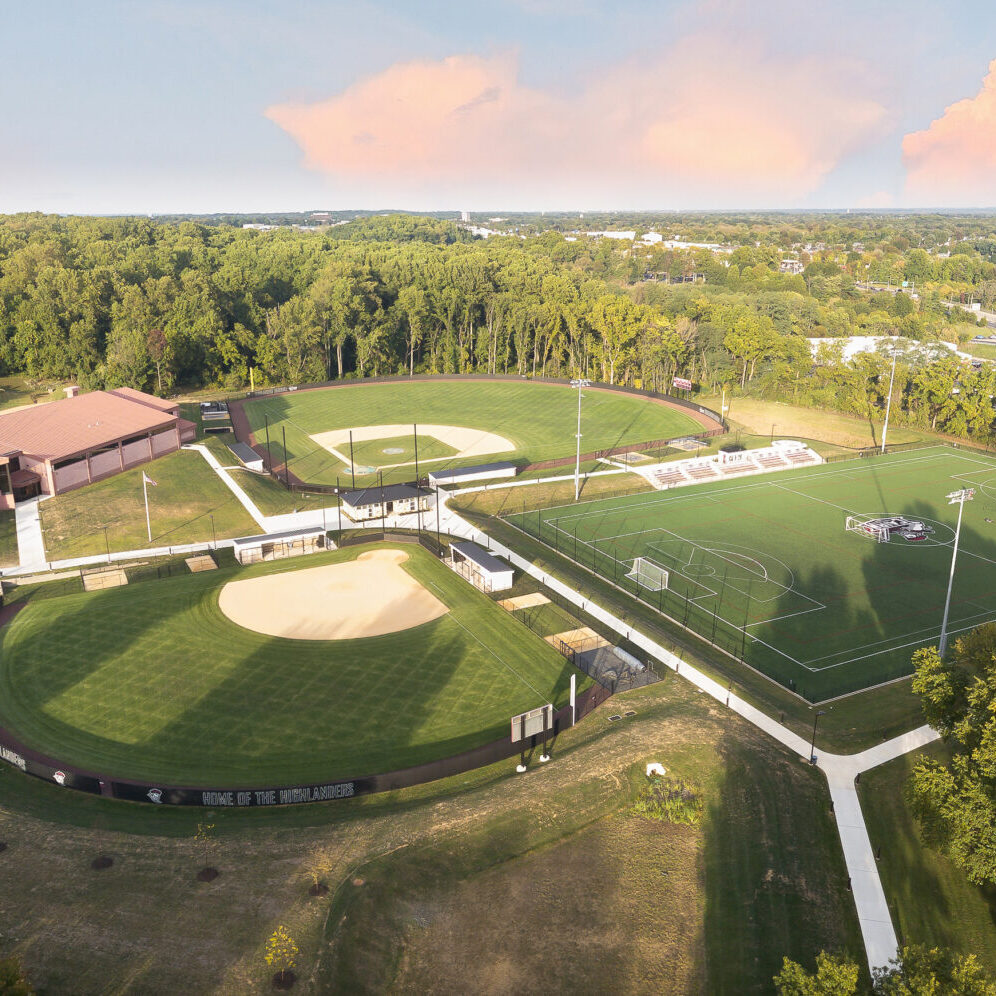
Texas Lutheran University competes in NCAA Division III, where student-athletes balance academics and athletics without athletic scholarships. Its teams participate in regional Division III conferences and regularly compete against other small colleges in Texas and the surrounding region.
What is the student-athlete experience like at Texas Lutheran University?
Student-athletes at Texas Lutheran University benefit from an environment that prioritizes academics while providing competitive athletics. They generally have structured practice schedules, access to training and support services, and the flexibility to participate fully in campus life and academics.
Does Texas Lutheran University have on-campus housing?
Texas Lutheran University provides on-campus housing options that include traditional residence halls and suite-style living. Many students choose to live on campus to take advantage of the community atmosphere, convenient access to classes, and involvement in campus activities.
How religious is Texas Lutheran University and do students have to be Lutheran?
Texas Lutheran University has Lutheran roots and offers chapel services, faith-based programs, and opportunities for spiritual growth, but students are not required to be Lutheran. The campus welcomes students from diverse religious and non-religious backgrounds.
What career and internship support does Texas Lutheran University provide?
Texas Lutheran University offers career services that assist students with resume building, interview preparation, internship searches, and graduate school planning. The small size and alumni connections help students find experiential learning opportunities and guidance for life after graduation.