Women's Soccer Winter I.D. Camp
- Jan 23, 2026
- Fire Pitch, 3626 N. Talman Ave., Chicago, IL
- $75
One-day I.D. session with training and games run by the Roosevelt coaching staff; includes a campus tour, program presentation, and lunch for attendees.
Browse programs
College directoryEvery program, filtered by what fits Sport directoryMen's and women's, every division State directoryPrograms in the states you would play inGo deeper
Major directoryYour major and your sport in one list Camp directoryID camps and showcases at college programs Conference directoryEvery conference and its member colleges

Chicago, IllinoisGreat Lakes Intercollegiate Athletic Conference
Overview
Mission and culture
Roosevelt University combines a small undergraduate community in Chicago's Loop with NCAA Division II athletics and an inclusive, social-justice-focused culture. Its Chicago College of Performing Arts, business programs and access to city-based internships make it worth considering if you want college life closely connected to an urban setting.
Why athletes choose Roosevelt University
Downtown opportunities, approachable academics and Division II competition give athletes several reasons to consider studying here.
Fit check
Pick a sport, your position and level, add a test score if you have one, and get an instant read on your chances here. Free, and no account needed.
Academics
Roosevelt University pairs business, performing arts and education strengths with a social-justice-oriented academic culture, giving recruits a range of study options to consider alongside coursework expectations, faculty access and career outcomes.
Academic strength
A composite of graduation rate, earnings after college, how selective admissions are and how hard the coursework is.
Acceptance rate
More selectiveMore accessible
Admissions are highly accessible, so recruits should focus on demonstrating classroom readiness and finding the right academic fit.
Six-year graduation rate
0%100%
Finishing a degree takes real self-direction here, so keep academic progress and support needs in view.
Academic difficulty
Rated 2 out of 5
Coursework should be manageable with steady effort, leaving room to balance athletic commitments.
Student to faculty ratio
students for every faculty member
Faculty should be reachable in this relatively personal academic environment, making regular communication worthwhile during your season.
Median earnings
per year, ten years after starting college
Six years after: $42,896Graduate earnings are moderate, making thoughtful major selection, career preparation and the cost after aid important considerations.
Undergraduate enrollment
undergraduate students
The small undergraduate community offers a more personal college experience while surrounding Chicago provides broader social and professional options.
SAT and ACT scores
The test profile suggests an accessible academic entry point, but scores are sometimes required, so confirm the expectations that apply to your application.
Most popular majors
Admissions
Prepare your Roosevelt University application by reviewing deadlines by admission plan, test policy, application fee and recommendation requirements alongside your recruiting timeline.
Majors
37 undergraduate majors across 6 academic areas.
No major matches that search.
Campus life
Daily life blends a small, diverse university community and residence halls with the cultural, professional and social opportunities of downtown Chicago.
Athletics
The Lakers compete in NCAA Division II, primarily in the Great Lakes Intercollegiate Athletic Conference, bringing conference competition to a downtown university setting.
Athletic department
Explore how Roosevelt University supports its NCAA Division II athletic department through program funding, recruiting expenditures and athletic aid, including how resources and athlete participation are distributed by gender.
Athletes
Athletic aid
Recruiting spend
Source: the federal Equity in Athletics report, 2025.
Cost
At Roosevelt University, need-based and merit-based aid can help reduce private university costs, so compare the published price with net costs while considering Chicago living expenses.
Average net price
What families pay on average after grants and scholarships, including tuition, housing and fees.
Published tuition
The sticker price a year, before any aid.
Financial aid
Need-based and merit-based aid availableAthletic scholarships, where a program offers them, are awarded by the coaching staff and come on top of these figures.
NIL
NIL rating
Roosevelt University in Chicago, Illinois offers student-athletes a growing name, image and likeness (NIL) environment supported by its NCAA Division II profile and urban campus. The combination of Chicago’s large market and Roosevelt’s range of college sports creates meaningful opportunities for athletes who are proactive and media savvy.
See the full NIL breakdownStudent fit
The kind of student-athlete who tends to do well at Roosevelt University.
Roosevelt University is a good fit for athletes seeking NCAA Division II competition, accessible admissions and a small undergraduate community within a major city. It especially suits recruits interested in business, performing arts or education who value an inclusive, social-justice-focused culture and want access to Chicago's internships, jobs and cultural life. You should be ready to manage your own academic progress, stay connected with faculty and keep degree completion in focus while balancing practices and competition. Athletes seeking a quieter college-town setting may prefer another option, and families should weigh financial aid carefully against the cost of living downtown.
Who thrives here
Urban Independent StudentsInternship Driven AthletesDiverse Community SeekersSelf Directed PlannersBig City EnergyCamps
Roosevelt University has not posted new camp dates yet. These ran last season.
One-day I.D. session with training and games run by the Roosevelt coaching staff; includes a campus tour, program presentation, and lunch for attendees.
Questions
It is best known for its strong commitment to social justice, small class sizes, and personalized attention, along with notable programs in business, performing arts, education, and the social sciences.
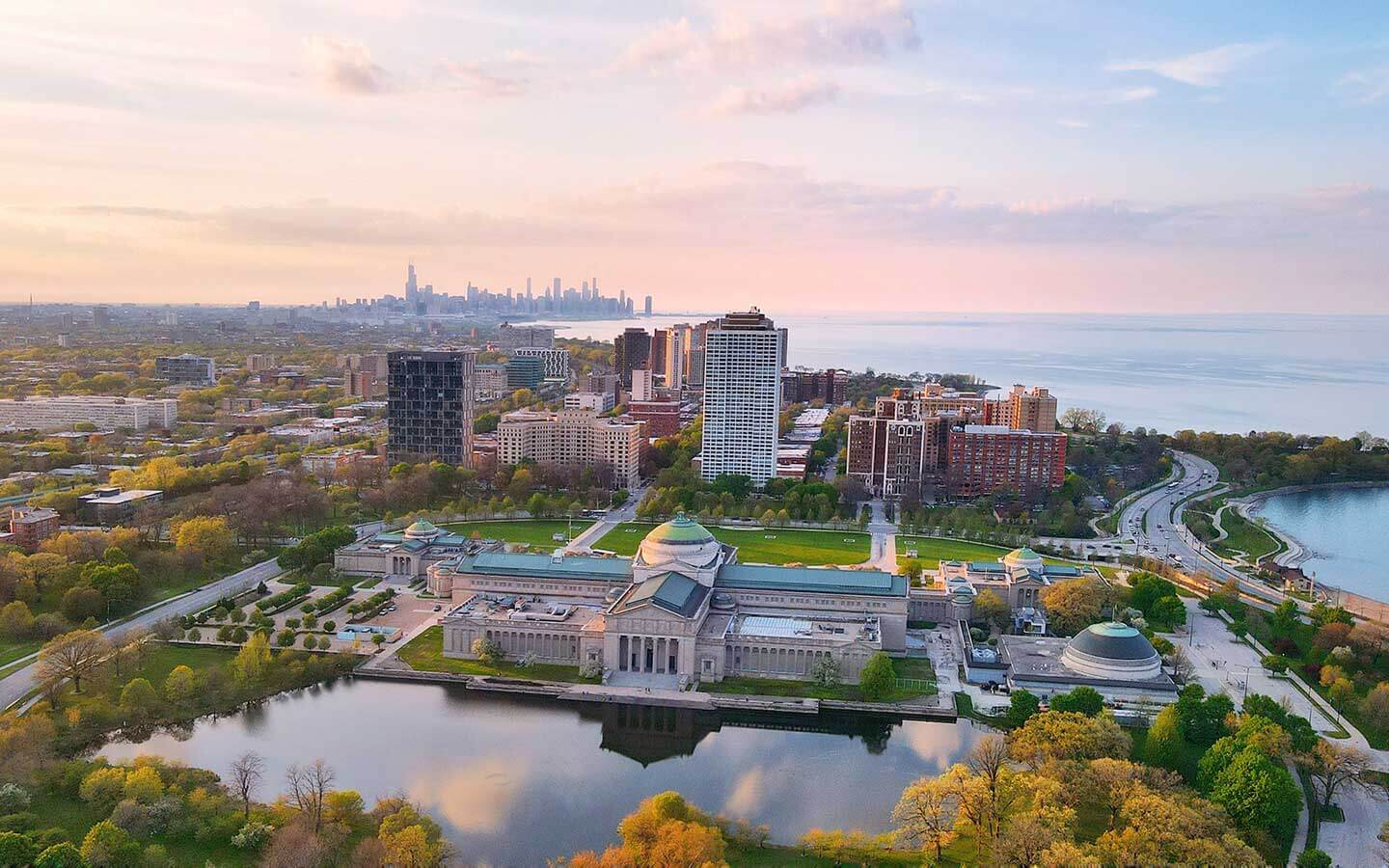
The main campus is located in downtown Chicago, offering an urban environment with easy access to cultural attractions, internships, public transportation, and professional opportunities throughout the city.
Admission is generally considered accessible, with a focus on a student’s overall potential rather than just test scores, making it a good option for students seeking a supportive academic environment.
Academics are considered moderately rigorous but approachable, with an emphasis on student support, tutoring, and faculty accessibility to help students succeed regardless of their starting point.
Classes are usually small, which allows for more direct interaction with professors, greater participation, and a close-knit learning experience.
Popular areas of study include business and management, performing arts, criminal justice, education, psychology, and programs connected to public service and social justice.
Yes, it offers advising, academic support services, bridge programs, and transfer-friendly policies designed to help first-generation and transfer students transition smoothly and stay on track to graduate.
Student life centers around an urban campus with student organizations, cultural and arts events, volunteer opportunities, and easy access to Chicago’s neighborhoods, museums, music venues, and professional networks.
Its varsity teams compete at the NCAA Division II level, providing student-athletes with competitive opportunities while still allowing time for academics and campus involvement.
Student-athletes have access to training spaces, fitness facilities, and support services, along with opportunities to compete in organized conference play and balance sports with academic responsibilities.
Yes, it combines a small-school feel with individualized attention and an intimate campus community, while being embedded in a major city that offers extensive cultural, professional, and social opportunities.
Many programs include online, evening, or hybrid course options, making it possible for working adults, commuters, and nontraditional students to complete degrees with added flexibility.
Compare
Other colleges worth comparing with Roosevelt University.
Career-focused academics, Division II competition and flexible learning options give athletes several reasons to consider Tiffin.
Career-focused programs, a small campus community and regional internships give athletes practical reasons to consider competing here.
Accessible admissions, flexible study options and small-town campus life give athletes several reasons to consider competing here.
Personal instruction, professional programs and Lone Star Conference competition give athletes several reasons to consider this campus.
Career-focused majors, a close-knit community and competitive athletics give recruits practical reasons to consider this suburban campus.
Athletes come for competitive conference play, Christian community, close faculty relationships and career-focused academic programs.
Career-focused academics, a small community and Philadelphia access give athletes practical reasons to consider competing here.
Career-focused programs, competitive athletics and a smaller campus near Chicago give recruits several reasons to consider Lewis.
Career-oriented majors, accessible admissions and GLIAC competition appeal to athletes seeking practical preparation alongside their sport.
A faith-centered community and Nashville opportunities give athletes ways to grow beyond their sport.
Personal attention, professional programs and nationally successful athletics give recruits clear reasons to consider this small-town campus.
Athletes choose the close-knit community, professional preparation and competitive athletics while staying connected to Kansas City opportunities.
Three ways to start
Pick the option that matches where you are, and we will show you the plan that fits.
Resources