Accessible admissions, a small campus and NAIA competition give athletes a practical starting point for college.
- 614
- Students
- $10,958
- Net price
Browse programs
College directoryEvery program, filtered by what fits Sport directoryMen's and women's, every division State directoryPrograms in the states you would play inGo deeper
Major directoryYour major and your sport in one list Camp directoryID camps and showcases at college programs Conference directoryEvery conference and its member collegesOverview
Mission and culture
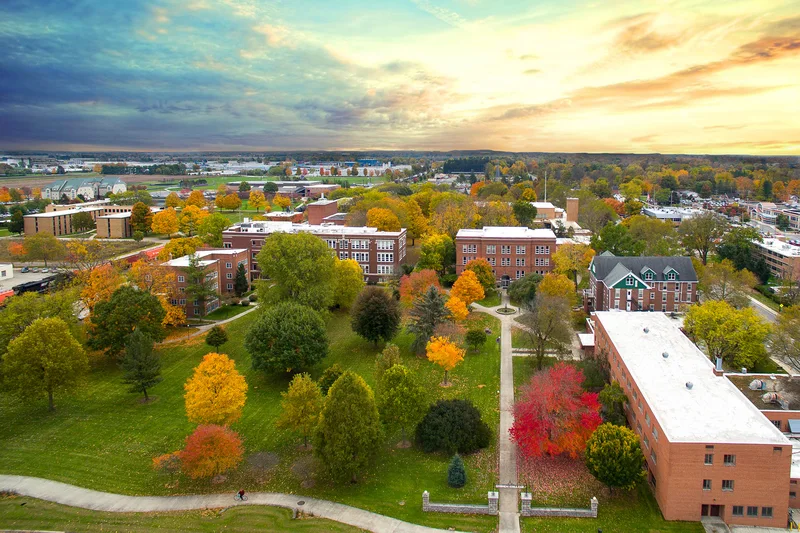
Paul Quinn College is a historically Black college in Dallas, Texas, where a small campus community combines NAIA athletics with an urban work-college model. Paid work experience is integrated with academics, making career preparation and community engagement central parts of the college experience alongside your sport.
Why athletes choose Paul Quinn College
Paid work experience, a close-knit community and Dallas opportunities give athletes reasons to look beyond their sport.
Fit check
Pick a sport, your position and level, add a test score if you have one, and get an instant read on your chances here. Free, and no account needed.
Academics
Academics at Paul Quinn College connect business, leadership and social science with work experience, while admissions expectations, classroom demands and degree outcomes help families assess the fit beyond athletics.
Academic strength
A composite of graduation rate, earnings after college, how selective admissions are and how hard the coursework is.
Acceptance rate
More selectiveMore accessible
Admissions are moderately selective, so recruits should bring solid classroom preparation rather than assume athletic interest guarantees admission.
Six-year graduation rate
0%100%
Finishing a degree takes real self-direction, consistent academic focus and active use of available support services.
Academic difficulty
Rated 3 out of 5
Coursework offers a balanced challenge, requiring steady planning alongside practices and work responsibilities.
Student to faculty ratio
students for every faculty member
Expect a balanced classroom environment with some larger classes, making proactive faculty relationships worthwhile during busy seasons.
Median earnings
per year, ten years after starting college
Six years after: $27,021Graduate earnings are modest, making affordability, work experience and intentional career preparation especially important for families.
Undergraduate enrollment
undergraduate students
The small undergraduate community offers a close-knit setting where you can build connections beyond your teammates and classmates.
SAT and ACT scores
Although the typical test profile is modest, scores are not considered in admissions, so recruits should prioritize classroom preparation and overall application strength.
Most popular majors
Admissions
Prepare your application to Paul Quinn College by reviewing admissions deadlines, test policy, application fees and recommendation requirements alongside your conversations with athletic staff.
Majors
8 undergraduate majors across 4 academic areas.
No major matches that search.
Campus life
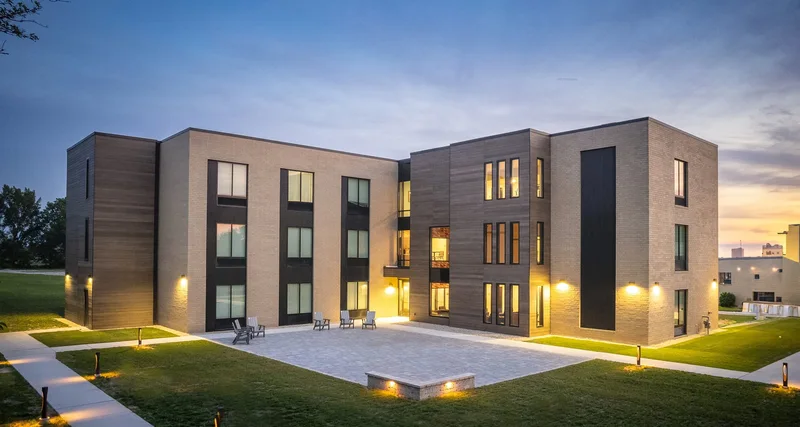
A small residential community in southern Dallas combines required work experience, active student life and community engagement with access to the broader city.
Athletics
Athletes compete in the NAIA and Red River Athletic Conference, with additional USCAA participation, while balancing competition with the college's academic and work-program responsibilities.
Athletic department
The small NAIA athletic department at Paul Quinn College can be assessed through its overall budget, recruiting expenditures and athletic aid distribution as families consider the resources behind their sport.
Athletes
Athletic aid
Source: the federal Equity in Athletics report, 2025.
Cost
For Paul Quinn College, compare the published cost with the price after grants, then consider how need-based aid, merit-based aid and paid work affect your family's budget.
Average net price
What families pay on average after grants and scholarships, including tuition, housing and fees.
Published tuition
The sticker price a year, before any aid.
Financial aid
Need-based and merit-based aid availableAthletic scholarships, where a program offers them, are awarded by the coaching staff and come on top of these figures.
NIL
NIL rating
Paul Quinn College in Dallas, Texas offers a growing name, image and likeness (NIL) environment where student-athletes can tap into the large-city market while competing in small-college sports. The intimate campus size can help standout athletes build personal brands and connect directly with the local community.
See the full NIL breakdownStudent fit
The kind of student-athlete who tends to do well at Paul Quinn College.
Paul Quinn College fits athletes who want NAIA competition within a small, historically Black college community and see paid work experience as part of their education. It especially suits students interested in business, leadership or community-focused careers who are comfortable balancing coursework, practices and required work responsibilities in an urban Dallas setting. The academic challenge is balanced, but degree completion calls for self-direction, so you should be willing to seek help and stay engaged with faculty and mentoring opportunities. Families should weigh the affordability model against modest graduate earnings, while athletes seeking a large-campus experience may prefer another setting.
Who thrives here
Work Experience DrivenStructured Schedule ReadyTight Knit CommunityCost Conscious PlannersMentorship SeekersQuestions
Paul Quinn College is best known for its focus on social justice, its innovative work college model that integrates paid work experience with academics, and its mission to serve first-generation and underrepresented students while emphasizing leadership and community impact.
Paul Quinn College is located in Dallas, Texas, in the southern part of the city. The campus offers a small, close-knit environment with access to the cultural, professional, and internship opportunities available in a major metropolitan area.
Paul Quinn College is a private, faith-based historically Black college that offers four-year undergraduate degrees. It combines liberal arts education with career preparation and community engagement through its work program and service learning.
Admission to Paul Quinn College is considered moderately selective. Applicants are evaluated on their academic record, standardized test scores if submitted, personal essays, and commitment to the college’s mission, with an emphasis on potential and motivation rather than just test performance.
The academic environment is supportive and moderately rigorous, with small classes, accessible faculty, and a focus on real-world learning. Students are expected to balance coursework with work program responsibilities and community-focused projects that connect theory and practice.
Popular areas of study include business, entrepreneurship, liberal arts, social sciences, and religious studies. Programs often highlight leadership, social justice, and community development, with coursework designed to prepare students for careers, graduate school, and service-oriented fields.
Student life centers on a strong sense of community, service, and leadership. Students participate in campus organizations, faith-based activities, civic engagement projects, and cultural events, while also balancing work program duties and academic commitments.
Yes, Paul Quinn College offers on-campus housing for students. Residence life is designed to foster a close-knit community, with opportunities for mentoring, leadership development, and convenient access to classes, campus jobs, and student activities.
Paul Quinn College emphasizes affordability through its work program, institutional aid, and a focus on reducing student debt. Many students offset educational costs by working in campus or community positions as part of the college’s work model while also pursuing scholarships and financial aid.
Paul Quinn College sponsors a range of intercollegiate sports, including men’s and women’s teams in popular sports such as basketball and soccer, along with other competitive programs. Student-athletes combine athletics with academics and the work program, emphasizing discipline and leadership.
Game days feature an energetic, community-focused atmosphere where students, alumni, and local supporters come together to cheer on the teams. The environment highlights school pride and provides student-athletes with strong support while maintaining a balance with academic responsibilities.
Career readiness is built into the educational model through the work college program, which gives students professional experience on and off campus. Career services help with internships, resume preparation, networking, and job searches so graduates leave with both a degree and meaningful work experience.
Compare
Other colleges worth comparing with Paul Quinn College.
Accessible admissions, a small campus and NAIA competition give athletes a practical starting point for college.
A small campus, career-oriented programs and NAIA competition give athletes a focused college experience near Houston.
Athletes choose this small Austin campus for NAIA competition, business studies and its historically Black community.
A faith-centered community and personal academic attention give athletes a close-knit setting for NAIA competition.
Close faculty access, healthcare-focused academics and NAIA competition appeal to athletes seeking a smaller college environment.
Close faculty relationships and global learning give athletes room to grow beyond their NAIA competition.
A faith-centered community, close faculty relationships and NAIA competition give athletes clear reasons to consider this campus.
A small residential community, reachable faculty and NAIA competition give athletes reasons to consider this rural campus.
A small campus, personal instruction and NAIA competition appeal to athletes seeking a close-knit college experience.
Accessible admissions, close faculty contact and an HBCU community give athletes reasons to consider this urban campus.
Athletes can combine NAIA competition with personal faculty access and a commuter-friendly campus near Chicago.
A close-knit community and personal academic environment give athletes reasons to consider Rust beyond competition.
Three ways to start
Pick the option that matches where you are, and we will show you the plan that fits.
Resources