Small classes, affordable tuition and an urban HBCU community give athletes practical reasons to consider competing here.
- 1,002
- Students
- $9,922
- Net price
Browse programs
College directoryEvery program, filtered by what fits Sport directoryMen's and women's, every division State directoryPrograms in the states you would play inGo deeper
Major directoryYour major and your sport in one list Camp directoryID camps and showcases at college programs Conference directoryEvery conference and its member colleges

Lawrence, KansasContinental Athletic Conference
Overview
Mission and culture
Haskell Indian Nations University is a federally operated tribal land-grant university in Lawrence, Kansas, serving members of federally recognized tribes and competing in NAIA athletics. Its small campus brings together culturally grounded education, affordable tuition and academic programs focused on Native communities, environmental science, business and education.
Why athletes choose Haskell Indian Nations University
Culturally grounded academics, affordable tuition and a close-knit campus give athletes reasons to consider competing here.
Fit check
Pick a sport, your position and level, add a test score if you have one, and get an instant read on your chances here. Free, and no account needed.
Academics
At Haskell Indian Nations University, academics center on Native communities, sovereignty and self-determination, with admissions, coursework, popular majors and graduate outcomes helping you assess the fit alongside athletics.
Academic strength
A composite of graduation rate, earnings after college, how selective admissions are and how hard the coursework is.
Acceptance rate
More selectiveMore accessible
Admissions are highly accessible, making academic readiness and the fit with a tribal university more important than selectivity.
Six-year graduation rate
0%100%
Finishing a degree takes real self-direction, consistent academic focus and active use of available support.
Academic difficulty
Rated 3 out of 5
Coursework presents a balanced challenge that calls for steady study habits alongside athletic commitments.
Student to faculty ratio
students for every faculty member
Faculty access may be less individualized, so take initiative in asking questions and building academic relationships.
Median earnings
per year, ten years after starting college
Six years after: $28,425Graduate earnings are modest, so keeping costs low and building a clear career plan matter especially.
Undergraduate enrollment
undergraduate students
The small undergraduate community makes campus life more familiar, with opportunities to build connections across athletics and academics.
SAT and ACT scores
Although the reported score profile is relatively accessible, test-blind admissions mean your scores do not factor into the admission decision.
Most popular majors
Admissions
Prepare your application to Haskell Indian Nations University by reviewing deadlines by plan, test policy, the application fee and recommendation requirements alongside your recruiting conversations.
Majors
4 undergraduate majors across 4 academic areas.
No major matches that search.
Campus life
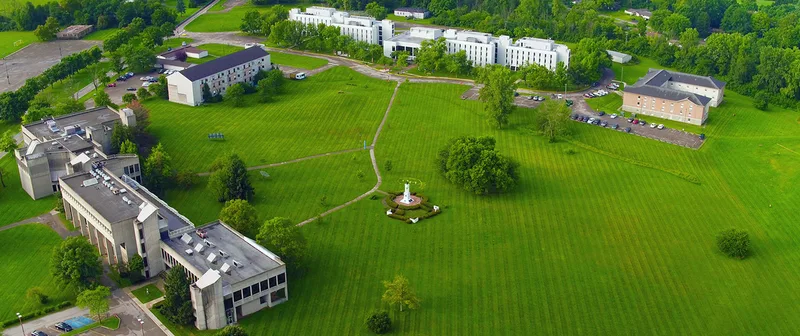
Most students live on a small, close-knit Native American campus in Lawrence, where cultural programs and nearby university resources shape daily life.
Athletics
Athletes compete in the NAIA, primarily within the Continental Athletic Conference. Women's basketball has earned recent conference titles and national tournament appearances.
Athletic department
Explore how Haskell Indian Nations University supports its NAIA programs through department revenue, recruiting expenditures and athletic aid, including how resources are distributed between men's and women's athletics.
Athletes
Source: the federal Equity in Athletics report, 2025.
Cost
At Haskell Indian Nations University, affordable tuition and available need-based and merit-based aid make the published cost, net price after grants and individual aid offer worth comparing.
Average net price
What families pay on average after grants and scholarships, including tuition, housing and fees.
Published tuition
The sticker price a year, before any aid.
Financial aid
Need-based and merit-based aid availableAthletic scholarships, where a program offers them, are awarded by the coaching staff and come on top of these figures.
NIL
NIL rating
The NIL, or name image and likeness, environment at Haskell Indian Nations University in Lawrence, Kansas is developing and community-centered. As a small institution with a unique mission and college sports culture, student-athletes can pursue focused NIL opportunities that highlight their personal stories and tribal connections.
See the full NIL breakdownStudent fit
The kind of student-athlete who tends to do well at Haskell Indian Nations University.
Haskell Indian Nations University fits athletes from federally recognized tribes who want NAIA competition alongside an education grounded in Native communities, sovereignty and self-determination. It suits students drawn to Indigenous studies, environmental science, business or education who prefer a small, largely residential campus within Lawrence's urban setting. Athletes who value cultural connection and community support, while taking initiative with faculty and career planning, have clear reasons to explore this option. Affordable tuition is a meaningful draw, but the graduation outcomes make it important to ask how you will stay on track academically while managing your sport.
Who thrives here
Native Centered IdentityCommunity First MindsetPurpose Driven StudentsFirst Generation StudentsCulture Respectful LearnersQuestions
It is known as a federally operated tribal university that primarily serves members of federally recognized Native American tribes and Alaska Native communities, with a strong focus on Indigenous cultures, sovereignty, and community-based education.
It is located in Lawrence, Kansas, on a historic campus that has long served Native American students from across the United States.
It offers associate and bachelor’s degree programs in areas such as Indigenous and American Indian studies, business, environmental science, and education, with curricula that integrate Native perspectives and community priorities.
Admission is considered accessible for eligible applicants, with academic difficulty generally viewed as manageable, though students are expected to meet tribal eligibility requirements and maintain satisfactory academic progress.
Enrollment is primarily open to members of federally recognized Native American tribes and Alaska Native villages, and applicants typically must provide documentation of their enrollment status in a recognized tribe.
Campus life is community-oriented and culturally grounded, with residential living, student organizations, cultural events, and activities that highlight Native traditions, languages, and contemporary issues in Indigenous communities.
Yes, there are residence halls on campus, and on-campus housing is a common choice for students who want to participate fully in campus culture and activities.
The university centers Native culture in its curriculum, events, and student services, offering courses in Indigenous studies, language and cultural activities, and programs that support tribal sovereignty, community leadership, and cultural preservation.
The university fields intercollegiate teams in several sports, and student-athletes compete in national small-college athletics, with an emphasis on balancing academics, sport, and cultural responsibilities.
Student-athletes experience a close-knit environment where coaches and staff emphasize academic success, cultural engagement, and personal growth alongside training, competition, and team travel.
Students have access to tutoring, advising, writing and math support, and counseling services, with many programs designed to help first-generation and Native students adjust to college-level work and stay on track to graduate.
It prepares students through career services, internship opportunities, partnerships with tribal and federal agencies, and academic programs that build skills for community leadership, graduate study, and careers serving Native nations.
Compare
Other colleges worth comparing with Haskell Indian Nations University.
Small classes, affordable tuition and an urban HBCU community give athletes practical reasons to consider competing here.
Affordable costs, practical academics and a small rural community give athletes clear reasons to consider competing here.
A close-knit campus, approachable faculty and NAIA competition appeal to athletes who prefer a smaller college environment.
Accessible admissions, affordable study and close faculty contact make this a practical option for NAIA recruits.
A small campus, interdisciplinary coursework and accessible costs appeal to athletes seeking a connected college experience.
Affordable study, regional career connections and NAIA competition appeal to athletes who want to stay connected to home.
A close-knit campus and career-focused programs offer a practical setting for athletes balancing competition with college.
Athletes can combine NAIA competition with cooperative education, HBCU heritage and a small rural campus community.
Swainsboro, GA
Why it is similar: Similar academics.Low costs, a new NAIA program and the backing of Georgia Southern give athletes practical reasons to consider this rural campus.
Personal faculty access, affordable public tuition and regional career connections complement the opportunity to compete in NAIA athletics.
Affordable study and career-focused programs give athletes practical reasons to pursue NAIA competition here.
A small campus, career-focused academics and conference competition give athletes practical reasons to consider studying here.
Three ways to start
Pick the option that matches where you are, and we will show you the plan that fits.
Resources