

Competitive athletics, professional programs and Chicago opportunities give athletes reasons to look beyond the playing field.
- 17,384
- Students
- 82%
- Admit rate
- $36,079
- Net price
Browse programs
College directoryEvery program, filtered by what fits Sport directoryMen's and women's, every division State directoryPrograms in the states you would play inGo deeper
Major directoryYour major and your sport in one list Camp directoryID camps and showcases at college programs Conference directoryEvery conference and its member collegesOverview
Mission and culture
DePaul University is a Catholic university in Chicago with established strengths in business, computing and the arts, alongside NCAA Division I athletics in the Big East Conference. Its urban setting and professional connections make it worth considering if career preparation matters alongside your sport.
Why athletes choose DePaul University
Big East competition, career-focused academics and Chicago connections give athletes reasons to consider life beyond their sport.
Fit check
Pick a sport, your position and level, add a test score if you have one, and get an instant read on your chances here. Free, and no account needed.
Academics
DePaul University combines established business and computing programs with strengths in the arts and communication, giving athletes career-oriented academic options to weigh alongside classroom expectations, faculty access and graduate outcomes.
Academic strength
A composite of graduation rate, earnings after college, how selective admissions are and how hard the coursework is.
Acceptance rate
More selectiveMore accessible
Admissions are accessible, making classroom readiness a useful starting point, though acceptance does not establish your athletic recruiting fit.
Six-year graduation rate
0%100%
Students have a solid path to finishing, with consistent academic progress remaining important alongside athletic commitments.
Academic difficulty
Rated 3 out of 5
Coursework presents a balanced challenge, requiring consistent study habits alongside training and competition.
Student to faculty ratio
students for every faculty member
Expect a balanced classroom environment with some larger classes, making deliberate connections with professors worthwhile.
Median earnings
per year, ten years after starting college
Six years after: $54,695Graduate earnings suggest solid outcomes, giving families a useful reason to weigh career preparation against cost.
Undergraduate enrollment
undergraduate students
The medium-sized undergraduate community offers variety, while your team and academic interests can help you build a familiar circle.
SAT and ACT scores
Testing is optional, and the score profile suggests solid academic preparation matters when deciding whether submitting scores would strengthen your application.
Most popular majors
Admissions
Preparing an application to DePaul University means reviewing deadlines by admission plan, test policy, application fees and recommendation requirements alongside your recruiting conversations.
Not binding. Hear back early and decide by May 1.
The standard deadline. Not binding.
Majors
65 undergraduate majors across 7 academic areas.
No major matches that search.
Campus life
An urban campus community with a strong commuter presence offers active student organizations and access to Chicago's cultural life and professional opportunities.
Athletics
The Blue Demons compete in NCAA Division I in the Big East Conference, with basketball a prominent part of the program and options including soccer and volleyball.
Athletic department
The athletic department at DePaul University supports Big East competition, with spending, recruiting investment and athletic aid by gender offering families a closer look at how resources support its athletes.
Athletes
Athletic aid
Recruiting spend
Source: the federal Equity in Athletics report, 2025.
Cost
At DePaul University, private university pricing makes the net cost after grants important, with need-based and merit-based aid helping families evaluate affordability alongside Chicago living expenses.
Average net price
What families pay on average after grants and scholarships, including tuition, housing and fees.
Published tuition
The sticker price a year, before any aid.
Financial aid
Need-based and merit-based aid availableAthletic scholarships, where a program offers them, are awarded by the coaching staff and come on top of these figures.
NIL
NIL rating
DePaul University in Chicago, Illinois offers a strong name, image and likeness (NIL) environment, combining a major NCAA Division I profile with a large urban campus. Student-athletes across DePaul Blue Demons sports can access a big-city market and strong school brand to build NIL opportunities.
See the full NIL breakdownStudent fit
The kind of student-athlete who tends to do well at DePaul University.
DePaul University is a good fit for athletes seeking NCAA Division I competition in the Big East while pursuing career-focused studies in an urban setting. It suits recruits with solid academic preparation who can maintain steady study habits and want to explore business, computing, communication or the arts alongside their sport. Athletes who value professional networking, city cultural resources and a diverse community may appreciate the Chicago location and strong commuter presence. If you prefer a quieter, more residential college experience, this setting may be less comfortable, and families should weigh the aid offer carefully against tuition and city living costs.
Who thrives here
Urban Self StartersCareer Network BuildersHigh Intensity CompetitorsInternship Driven StudentsFirst Generation LeadersQuestions
It is known for strong programs in business, film and television, computing and digital media, performing arts, and communication, along with a long-standing focus on service learning, internships, and experiential education in an urban setting.
Admission is considered moderately selective. Applicants with solid grades, a rigorous high school curriculum, and a clear record of involvement and interest in their intended field generally have a good chance of being admitted.
Student life is active and urban, with many students involved in organizations, service projects, and internships, and with easy access to Chicago’s cultural, professional, and entertainment opportunities across two main campuses.
It operates primarily from two campuses in Chicago: one in the Lincoln Park neighborhood with a more traditional residential feel and another in the Loop, close to the city’s commercial and cultural center.
Students benefit from extensive internship and job opportunities due to the university’s strong ties with Chicago businesses, nonprofits, arts organizations, and tech firms, as well as a dedicated career center that supports networking and professional development.
The learning environment emphasizes small to medium class sizes, accessible faculty, and a blend of classroom instruction with real-world projects, community engagement, and professional experiences.
It is a popular choice for business majors because of its established business school, connections with major companies and financial institutions in Chicago, and strong offerings in areas like accounting, marketing, finance, and entrepreneurship.
The student body is considered diverse in terms of geography, culture, and background, with many first-generation students and a strong commitment to inclusion, access, and support for underrepresented groups.
The university competes at the NCAA Division I level, with varsity teams known as the Blue Demons participating in a major athletic conference and facing high-level competition in multiple sports.
Game days feature a spirited atmosphere, especially for men’s and women’s basketball, with student sections, pep bands, and engagement activities, and many events held at modern facilities in or near downtown Chicago.
On-campus housing is available, particularly at the Lincoln Park campus, with residence halls and apartment-style options, and many students also choose to live in nearby neighborhoods and commute to class.
It is generally welcoming to transfer and nontraditional students, offering transfer-friendly credit policies, evening and online course options in some programs, and advising support to help students transition and complete their degrees.
Compare
Other colleges worth comparing with DePaul University.
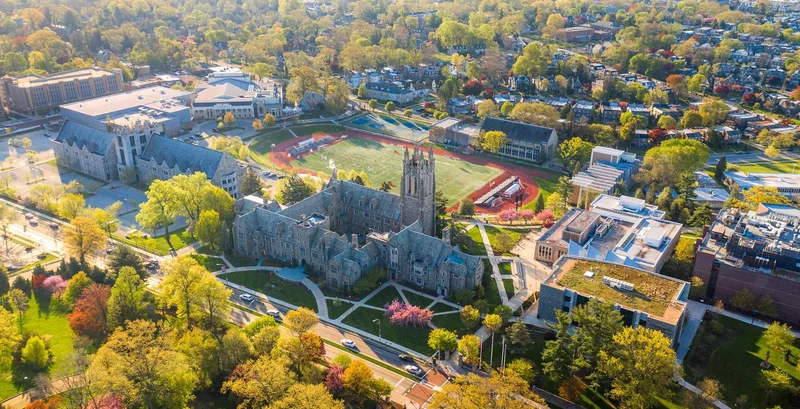
Competitive athletics, professional programs and Chicago opportunities give athletes reasons to look beyond the playing field.
Career-focused study, accessible admissions and New York professional connections complement the demands of Division I competition.
Big East competition, professional programs and Milwaukee internship access connect athletic ambition with preparation for life after college.
Competitive athletics, health-focused academics and a service-minded urban community give recruits several reasons to consider this campus.
Division I competition, a respected business school and access to Twin Cities employers give athletes strong reasons to consider St. Thomas.
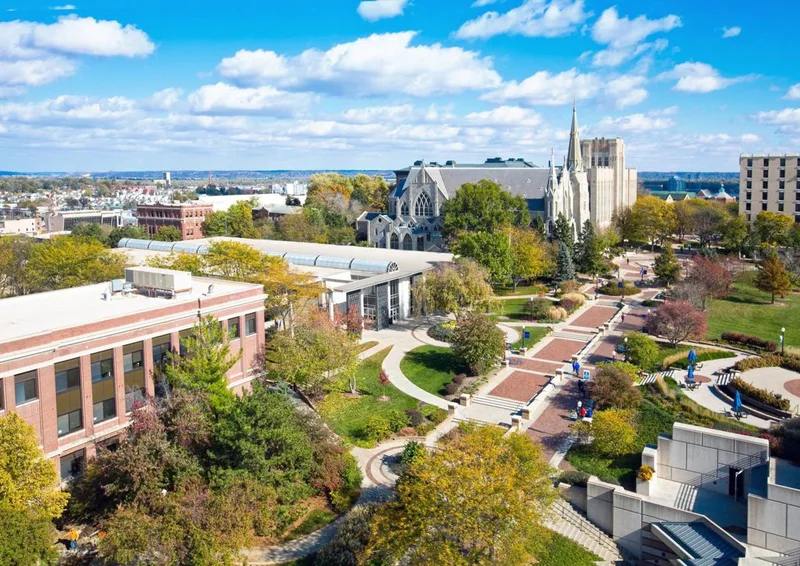
Competitive athletics, professional programs and Philadelphia internships give recruits clear reasons to consider this Jesuit campus.
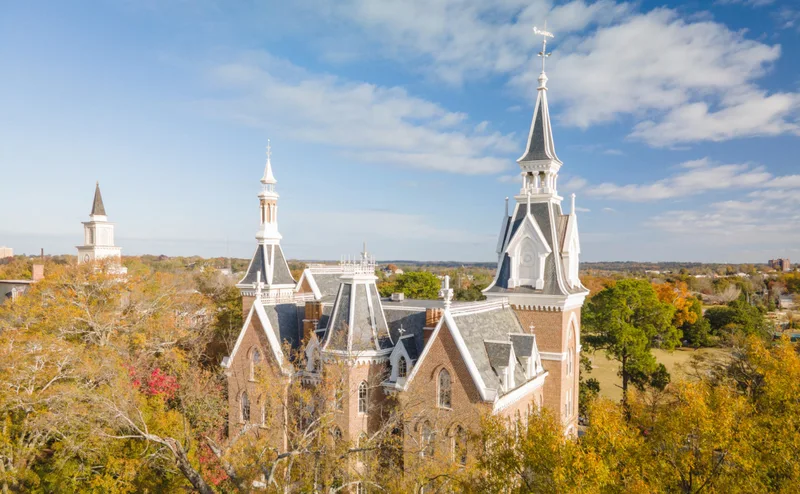
Competitive athletics, approachable faculty and Nashville's creative industries give athletes distinct reasons to consider studying here.
Competitive athletics, professionally focused academics and Fort Worth internship access give recruits distinct reasons to consider enrolling.
Big East competition, career-focused academics and a service-minded community give athletes distinct reasons to consider Creighton.
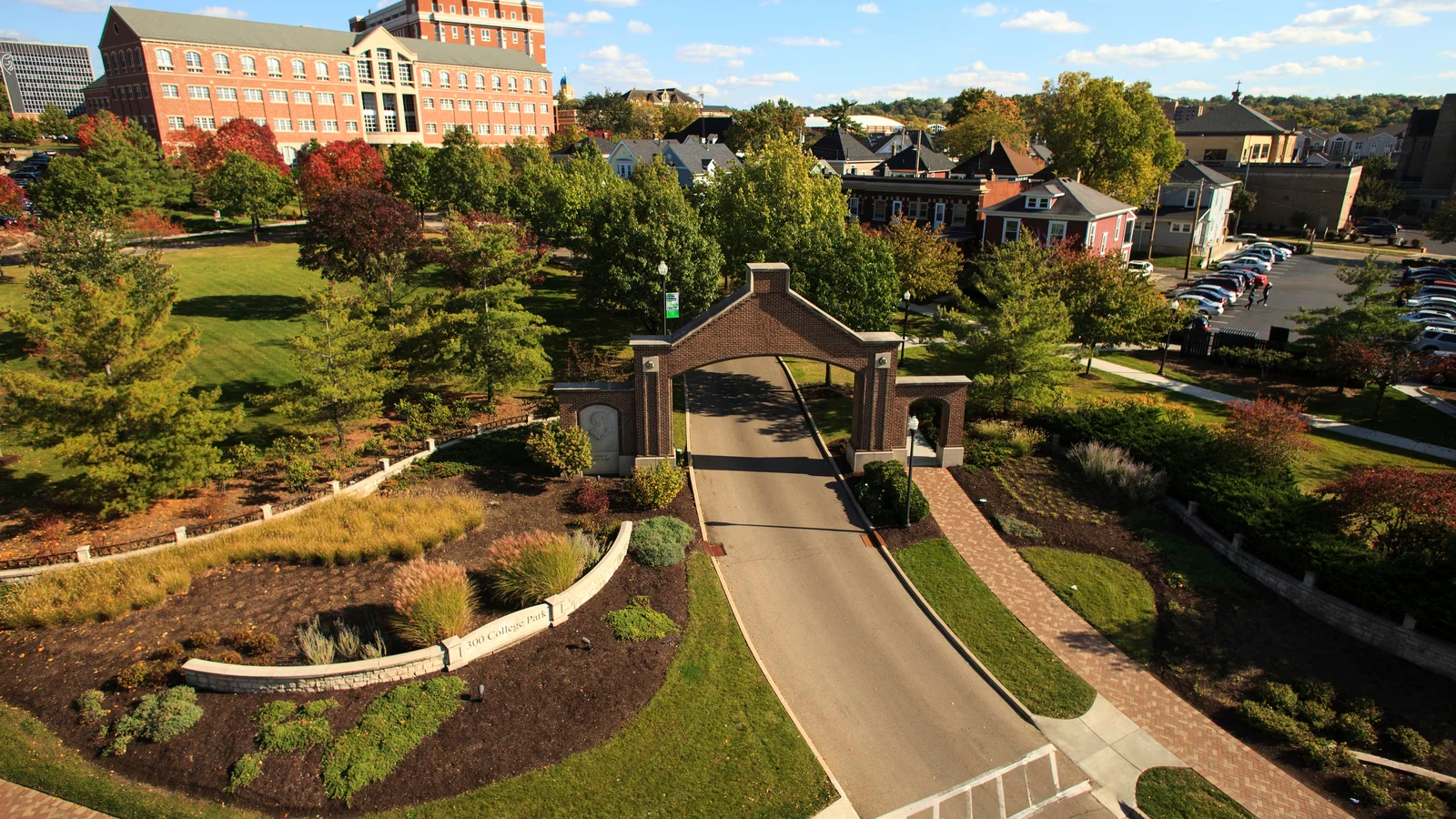
Competitive athletics, career-focused academics and a residential community give recruits reasons to look closely at Dayton.
Athletes choose a personal academic environment alongside demanding competition and clear connections between coursework and careers.
Athletes choose Butler for Big East competition, close faculty connections and professional opportunities in Indianapolis.
Three ways to start
Pick the option that matches where you are, and we will show you the plan that fits.
Resources