What is Cedarville University best known for academically?
It is best known for combining rigorous, Christ-centered academics with strong programs in areas like nursing, engineering, business, education, and biblical studies. Students often choose it for its integration of faith and learning, small class sizes, and close faculty mentorship.
Is Cedarville University hard to get into?
Admission is competitive, especially for certain majors, but it is accessible to well-prepared students. A strong high school record, solid test scores if submitted, evidence of Christian faith, and involvement in church or community activities all strengthen an application.
What kind of students does Cedarville University look for?
The school looks for students who are academically motivated, committed to growing in their Christian faith, and interested in being active in a close-knit campus community. Strong character, service, and leadership potential are important alongside grades and coursework.
Does Cedarville University have a strong engineering program?
It offers well-regarded engineering and computer science programs that emphasize hands-on learning, ethical decision-making, and preparation for both industry and graduate school. Students benefit from small classes, close faculty interaction, and access to labs and project experiences.
What is student life like at Cedarville University?
Student life centers on residence hall community, daily chapel, campus ministries, and a wide range of clubs and intramural sports. Because it is a smaller campus, students often know their peers and professors well, and many participate in service, outreach, and leadership opportunities.
Is Cedarville University a good fit for Christian students?
It is designed for students who want their college experience rooted in a conservative, evangelical Christian worldview. Daily chapel, Bible courses, and community standards shape campus life, and many students choose it specifically for this intentional spiritual environment.
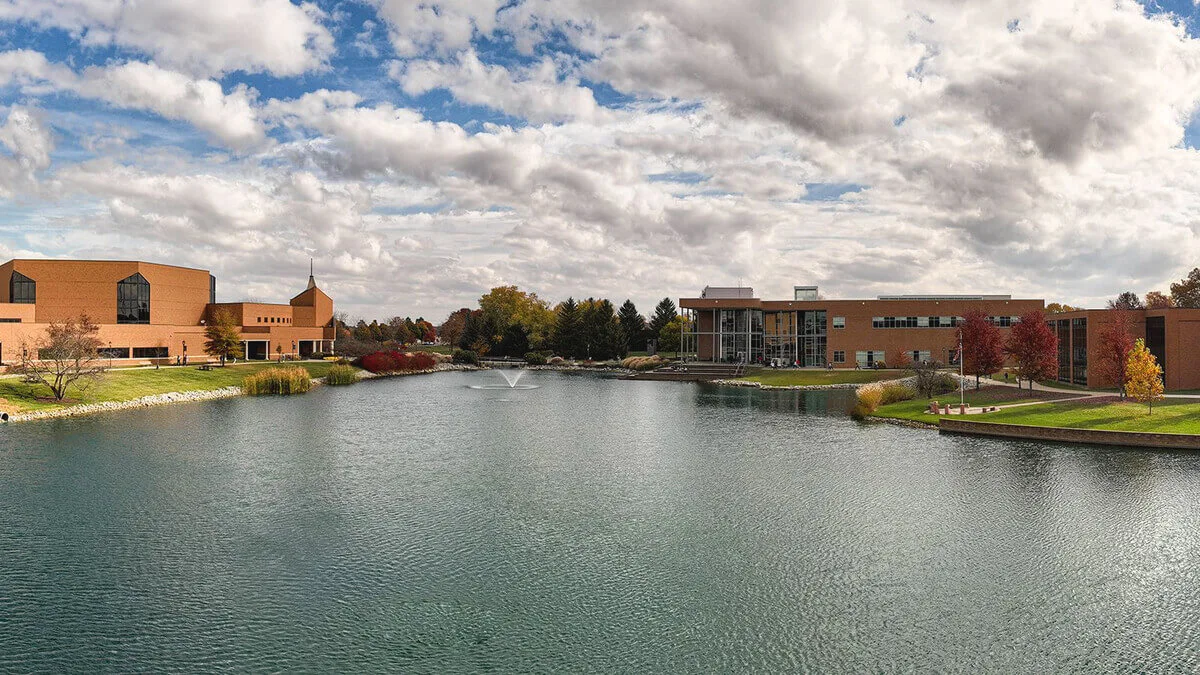
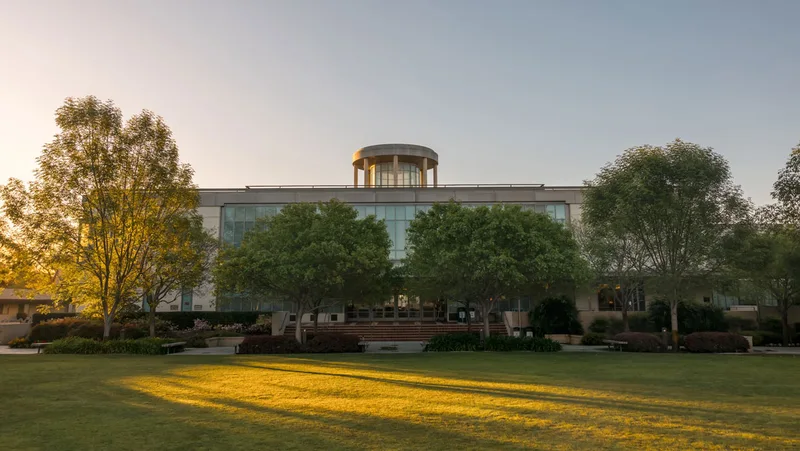
What is the campus environment like at Cedarville University?
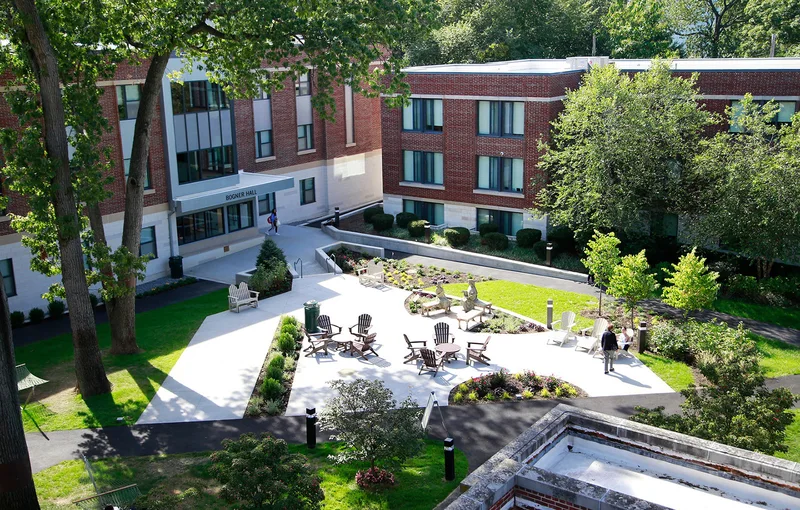
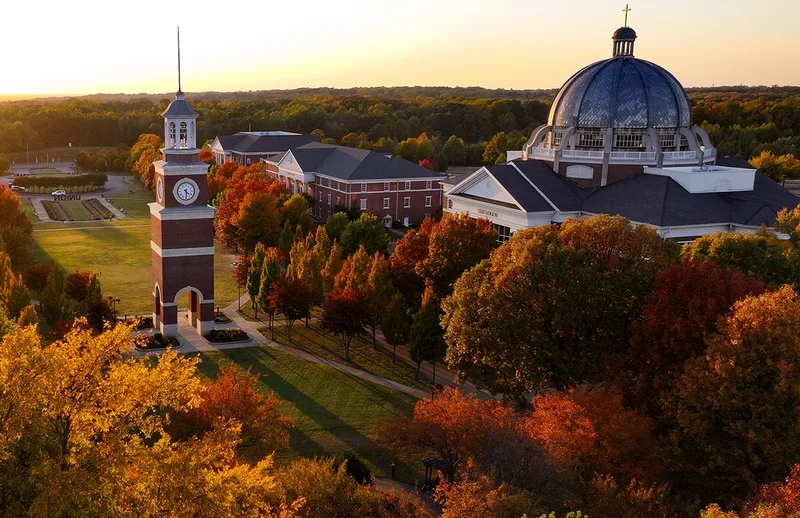
The campus has a close, residential feel, with most undergraduates living in on-campus housing. The environment is structured and community-oriented, with honor codes and lifestyle expectations, regular chapel services, and many opportunities for spiritual growth and fellowship.
How does Cedarville University support student success and career preparation?
Students have access to academic advising, tutoring, writing and math support, and a career services office that offers resume help, interview preparation, internships guidance, and employer connections. Many programs build internships, clinicals, or practicum experiences into the curriculum.
What is the town of Cedarville, Ohio like for college students?
The town is small and quiet, with a safe, rural setting and a few local shops and restaurants. Many students look to nearby cities for additional entertainment and internships, while enjoying the focused, community feel and outdoor recreation options around campus.
Does Cedarville University offer NCAA Division II athletics?
Yes, it competes in NCAA Division II with a variety of men’s and women’s varsity sports. Student-athletes balance competitive play with demanding academics and are supported by athletic training, strength and conditioning, and academic resources tailored to their schedules.
What is it like to be a student-athlete at Cedarville University?
Student-athletes experience a structured routine that combines practices, competitions, and travel with a full academic load and spiritual activities. Coaches and faculty generally work together to help athletes manage time, maintain eligibility, and stay on track toward graduation.
Does Cedarville University have opportunities beyond the classroom, like research or study abroad?
Students can pursue faculty-mentored research, especially in science, engineering, and social science fields, along with internships and ministry experiences. Study abroad and global outreach programs are available for many majors, allowing students to combine academic credit with cross-cultural learning.