Pathley News
Women's Soccer Recruiting Guide: How To Get Noticed in 2026 Today
Learn how women's soccer recruiting works, from scholarships and timelines to emails, video, and visits. Get clear steps to stand out and find your fit.

Women's soccer recruiting can feel like a full time job on top of school, club, and everything else in your life. There are tons of teams, confusing rules, and a constant pressure to keep up with what other players are doing.
If you are a player or parent, you probably just want straight answers. What level can I really play at? How do scholarships actually work? When should I email coaches, and what should I say? How do I know if I am on track or already behind?
This guide breaks women's soccer recruiting into clear, simple pieces. You will see how the process really works, what college coaches care about most, and how to build a plan that fits your level, your goals, and your family budget.
If you want a personalized breakdown while you read, try asking Pathley directly: How does the women's soccer recruiting process work from freshman year to senior year?
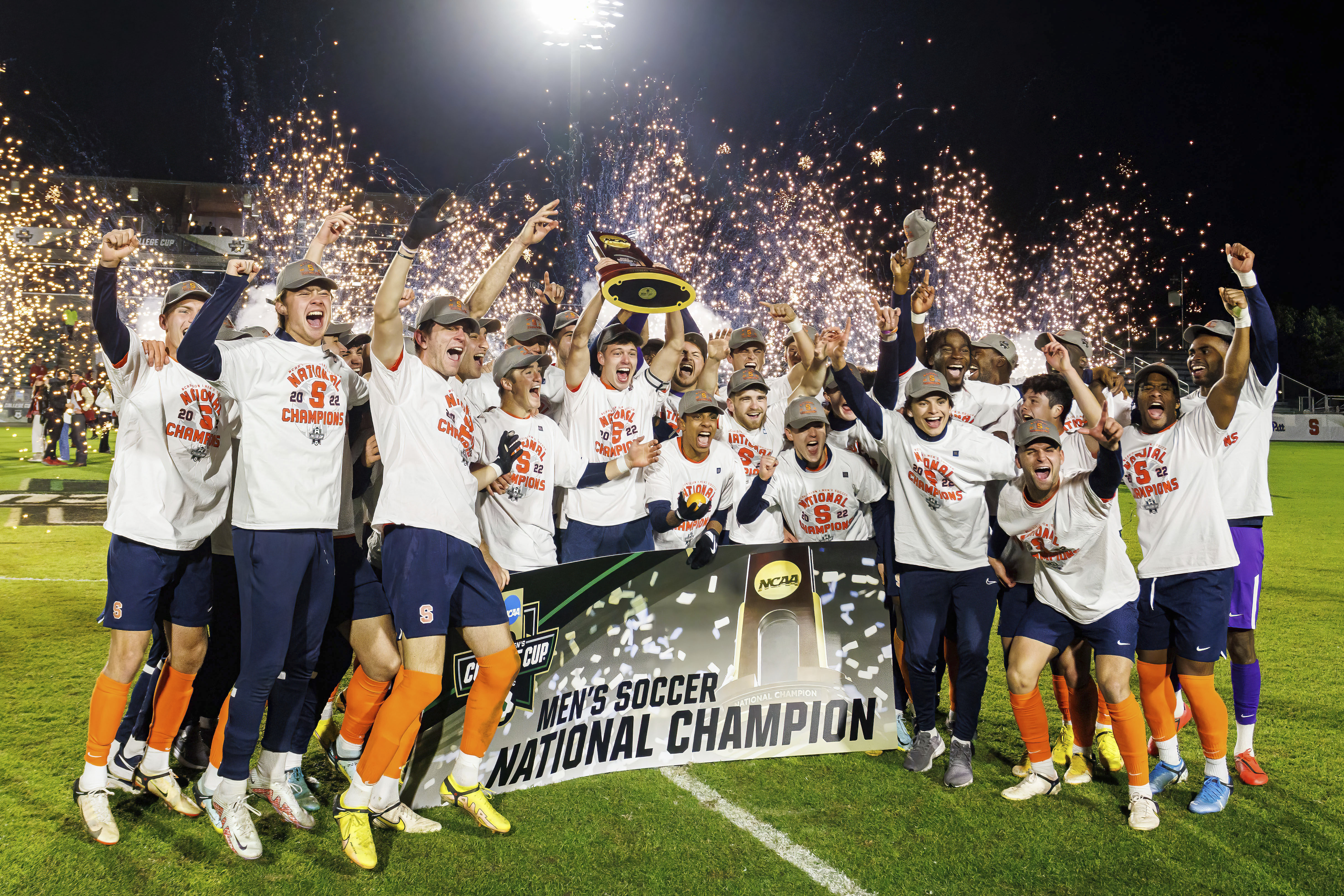
Women's college soccer is one of the largest and most competitive college sports. Across NCAA Divisions I, II, and III, plus NAIA and junior colleges, there are well over a thousand teams and tens of thousands of roster spots.
That sounds like a lot, but there are far more players than opportunities. Between high level club leagues, high school teams, and international recruits, the competition in women's college soccer is real. The upside is that if you can find your right level and do the process correctly, there is a place for a lot of players.
See the Pathley College Soccer Sport Hub.
At the NCAA Division I level, women's soccer programs can offer the equivalent of up to 14 full athletic scholarships per team. In Division II, the limit is lower, often around 9.9 equivalency scholarships. These scholarships can usually be split into partial awards across many players.
Division III programs cannot offer athletic scholarships, but many provide strong academic and need based aid. NAIA and junior college programs can also offer athletic money, and sometimes they combine that with academic awards to create very competitive packages.
The big takeaway: almost no one in women's soccer recruiting gets a true four year full ride that covers everything. Most players piece together athletic, academic, and need based aid. Understanding that early helps you focus on the right questions: where can I play, and how can I afford it, instead of chasing a fantasy offer.
For more background on how scholarship limits work across sports, the NCAA provides public information on financial aid and participation data at NCAA.org, and the NAIA shares scholarship guidelines at NAIA.org.
You will hear stories of eighth graders committing to top programs, and it can make you feel like everything is already decided. The truth in 2026 is more structured than that.
For NCAA Division I women's soccer, coaches must follow sport specific recruiting calendars and contact rules. In general, they cannot have recruiting conversations with you until mid June after your sophomore year of high school, although they can watch you play and evaluate you earlier. Division II has slightly different dates, and Division III and NAIA coaches are allowed to talk with prospects much earlier.
You can find the official calendar details on the NCAA recruiting information pages here: NCAA recruiting information. Understanding those rules matters, but it is just as important to realize this: no one rule stops you from taking ownership of your process right now.
Before coaches are allowed to call or message you directly, you can still build your athletic resume, create a highlight video, research schools, and send introductory emails so you are on their radar when contact opens up.
The recruiting process is not magic. It is a series of steps that coaches and players repeat every year. When you understand those steps, the whole thing feels less random.
Coaches are trying to solve a puzzle. They have to build a roster that can win, stay eligible, and fit their culture and budget. They are constantly asking themselves questions like: What positions do we need in this class? Who can help us right away and who can we develop? What kind of student and person are we bringing into the locker room?
Here is how that usually plays out for women's soccer.
Most coaches start by building big watch lists. They use club showcase events, ID camps, recommendation calls from trusted club coaches, and highlight videos to decide who to track.
At this stage, your job is simple but important. You need to be visible and easy to evaluate. That means playing at events where college coaches actually go, creating a clear highlight video, and sending organized information about yourself so they can find you on the field.
This is where tools like the Pathley College Directory can help you identify realistic schools, then you can reach out with targeted emails instead of blasting generic messages to every coach in the country.
Once coaches have seen you on film or in person and like what they see, they move into the relationship stage. This can include emails, phone calls, messages, campus visits, and overnight stays when allowed.
They are trying to answer a few big questions about you.
• Can you impact games at their level and position, not just in your current league?
• Are your grades and test scores strong enough to get admitted and stay eligible?
• Do you work, compete, and carry yourself in a way that fits their team culture?
• Are you serious about them, or are they just one of fifty schools on your list?
Those last two questions often separate recruits. Talent gets you noticed. Character, communication, and fit usually decide who actually receives offers.
If you are not sure how you stack up, a good starting point is to get position specific feedback. You could ask a trusted club coach, or you can have Pathley walk you through it by asking: What do college coaches actually look for in a women's soccer recruit at my position?
When a program is ready, they will talk with you about a roster spot and financial aid. Sometimes that is a clear athletic scholarship offer. Other times it is a combination of need based aid, academic awards, and an invitation to earn more athletic money later.
Deadlines and pressure are real. Coaches do not have unlimited time or scholarships, so they often need decisions on a clear timeline. It can feel like you are forced to choose quickly because they have other players behind you.
Your job is to be as prepared as possible before you reach that point. That means having a realistic list of schools, understanding your financial situation, and knowing your non negotiables so you can say yes or no with confidence instead of panic.
Before anyone can recruit you, they need a clear picture of who you are as a player and a student. That is your recruiting profile. It is more than just a flashy graphic for social media. It is the foundation of how coaches evaluate you.
At a minimum, coaches need some basic information in front of them when they evaluate you.
• Name, graduation year, and primary position
• Height, dominant foot, and current club and high school teams
• League or level you play in, plus notable tournaments or showcases
• Coach contact information for both club and high school
• Highlight video link and, if possible, a few full match videos
• Key stats and honors, like goals, assists, shutouts, or all conference awards
They also pay attention to traits that do not fit neatly in a box: your work rate, leadership, coachability, and how you respond to mistakes. That is why your body language and habits in warm ups, in training, and on the bench matter just as much as the moments when you score or make a big save.
If you need help organizing all of this, Pathley can turn your answers into a structured athletic resume that is easy for coaches to scan.
In every sport, but especially in women's soccer, academics are a competitive advantage. Many programs are limited in how many pure athletic scholarships they can give, so a recruit who brings strong grades and test scores can unlock more money through academic awards.
On top of that, you must meet minimum academic standards to be eligible to compete. The NCAA publishes detailed academic benchmarks for Division I and II, including core course requirements, GPA standards, and how test scores are used. You can explore those rules directly on the NCAA initial eligibility pages.
We break down the academic side in plain language in our guide to core courses and eligibility here: NCAA academic requirements for recruits.
Do not treat academics as a box to check. A higher GPA can expand your list of schools, reduce your cost through merit aid, and make you more attractive to coaches who need reliable students that can handle travel and training on top of college classes.
For most coaches, your highlight video is the first impression they get of you. They simply cannot travel to see every player in person, so video is how they decide who is worth a closer look.
A strong soccer highlight video should show your best moments quickly, identify you clearly in every clip, and give coaches the context they need to judge your decisions, not just your touches. For a deep dive into what that looks like, check out our full breakdown here: college recruiting highlight video guide.
Your online presence also matters. Many coaches will search your name on social media. Clean up anything that does not reflect who you are now, and be intentional about what you share publicly. Coaches want competitors, but they also want responsible teammates who will represent their program well.
One of the hardest parts of women's soccer recruiting is figuring out where you actually fit. Many players start with a dream list of big name Division I programs, but the smartest recruits are honest about fit and keep an open mind across levels.
Division I programs usually have the biggest athletic budgets, the most structured year round schedules, and often the deepest rosters. At the top end, the talent level is extremely high and international recruiting is common.
Division II combines serious competition with a bit more balance at some schools. Athletes at this level are still very strong, but there can be slightly more flexibility with time, majors, or multi sport athletes depending on the program.
Division III focuses heavily on academics and the full student athlete experience. You can still play very competitive soccer, especially at top academic schools, but the financial aid is based on academics and need, not athletic scholarships.
NAIA and junior college programs vary widely. Some are powerhouses that could compete with mid level NCAA teams, while others are more developmental. They can be great options if you are a late bloomer, need a different academic setting, or want a more affordable starting point.
If you want help sorting through those options, you can ask Pathley something like: Which division level is the best fit for me in women's college soccer?
A smart target list usually includes a mix of reach, match, and safer options in terms of both athletics and admissions. You might have a few ambitious choices, a core group of realistic programs, and some schools where you are confident you can make the roster and get in academically.
Instead of guessing, use tools and data. Start with school search platforms like the Pathley College Directory and Rankings Directory to explore majors, locations, and overall fit. Then use Pathley's AI chat to cross check that list against your level, position, and budget.
As you learn more, keep tightening your list. You want enough schools to create real options, but not so many that you cannot build genuine relationships with the coaches.
Even in a world of social media and recruiting platforms, direct communication is still one of the biggest difference makers. Coaches want recruits who take initiative, express real interest, and communicate clearly.
Your first message to a coach does not need to be perfect, but it should be personal, professional, and easy to skim. Explain who you are, why you are interested in their school, and how they can watch you play.
• Use a clear subject line with your name, grad year, position, and a key detail like "ECNL defender 2027" or "left footed winger 2026".
• Include your basic academic info, like GPA and test scores if available.
• Add a short highlight video link and any upcoming tournaments or showcases.
• Make it obvious why you like their program instead of copy pasting the same message to every coach.
Parents can help, but the message should come from the athlete. Coaches are recruiting you, not your mom or dad. Learning how to send thoughtful, respectful emails is part of growing as a leader.
If writing that first message feels overwhelming, have Pathley draft it with you by asking: How should I structure my first email to a women's college soccer coach?
As the relationship grows, you will likely visit campuses, attend ID clinics, and play at showcase events. These can be valuable, but only if they fit into a bigger strategy.
Do not chase every camp invite. Focus on events that involve schools already on your realistic target list, or that consistently draw coaches from the types of programs you want.
When you visit campus, treat it like a two way interview. You are evaluating the locker room, coaching staff, facilities, and academic environment just as much as they are evaluating you.
The National Federation of State High School Associations offers resources on balancing high school sports with academics, which can help as you start missing class for visits and tournaments.
Every year, talented players see their options shrink because of avoidable mistakes. Here are some of the big ones to watch out for.
• Waiting until junior or senior year to take recruiting seriously, then trying to sprint through everything.
• Only chasing name brand Division I schools without considering fit, playing time, or finances.
• Ignoring academics until a coach asks for transcripts, then realizing your options are limited.
• Going to random ID camps without a plan, spending more time and money than necessary.
• Sending one email to a coach, then assuming they are not interested because they did not immediately respond.
• Letting parents do all the talking, which signals to coaches that you may not be ready to handle college level responsibility.
You do not need to be perfect. You just need to be intentional. Small, consistent actions over months and years beat last minute panic every time.
There has never been more information about women's soccer recruiting online, but that can actually make things more confusing. You get buried under rules, timelines, and opinions, and it is hard to know which advice fits you.
Pathley was built to fix that. Instead of static profiles or one size fits all checklists, Pathley gives you an AI recruiting assistant that understands your sport, position, and goals. It helps you discover colleges that fit, evaluate how competitive you are for specific programs, and choose the right recruiting steps at the right time.
You can explore schools with the college directory, organize your information into a clean athletic resume, and track conversations and milestones inside your own dashboard. Most important, you can ask real questions in plain language and get smart, sport specific answers in seconds.
If you are wondering how to move from reading this guide to taking action right now, start by asking: What specific recruiting steps should I take this month for women's soccer?
From there, Pathley can help you map out your next emails, refine your target list, and keep your family on the same page so the process feels organized instead of chaotic.
Rosters, coaches, and division breakdowns for every NCAA and NAIA program we track.