Insight
Social Media for Recruiting: Complete Guide for Athletes 2026
Learn how to use social media for recruiting in 2026, from profiles and posts to DMs and videos, so college coaches see your best self fast.
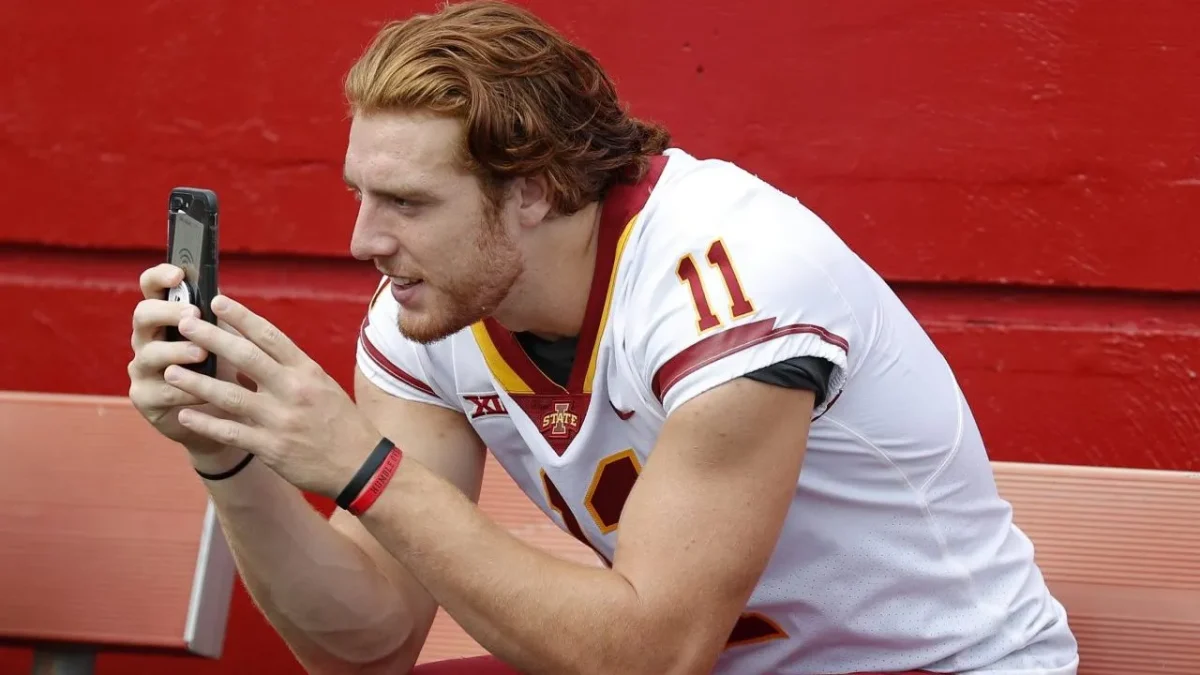
If you are a serious recruit in 2026, you are not just being evaluated on the field, you are being evaluated on your phone. College coaches are on X, Instagram, TikTok, and YouTube every day, and they are absolutely checking your profiles.
Used well, social media can help you get discovered faster, show your personality, and give coaches extra confidence that you are a good fit. Used poorly, it can quietly kill your chances before you ever get a reply.
This guide will show you how to use social media for recruiting in a way that is smart, realistic, and actually doable during a busy season. We will talk about what coaches look for, what to post, what to avoid, and how a tool like Pathley can help you turn your online presence into a real recruiting asset.
How should I use social media to get recruited for college sports?
Ten years ago, recruiting was mostly email, phone calls, and game film shared through links or DVDs. Today, almost every coach has social media on their phone, and most recruits do too. That creates a second layer to the recruiting process.
Coaches still rely on core tools like the NCAA Eligibility Center, school transcripts, and verified video. But social platforms give them something those tools do not: a real time window into who you are when no one is watching.
The NFHS has warned student athletes for years that social media follows you, and that includes the recruiting world. For college coaches, your accounts help answer questions like:
• How does this athlete carry themself on and off the field?
• Do they show good sportsmanship, work ethic, and maturity?
• Are they serious about academics, or only about likes?
• Do they post training, games, and progress, or mostly drama?
Social media will not get you a scholarship by itself. But when your grades, game film, and level match up with what a coach needs, your profiles can become the tiebreaker between you and another recruit.
A lot of athletes imagine coaches scrolling Instagram looking for random hidden gems every night. That does happen sometimes, especially in sports like basketball, soccer, and football where there is a ton of highlight content. But most of the time, social media comes into play after a coach already knows your name.
• Name search after they see you play or get your email.
• Quick personality check before they reply, call, or invite you to campus.
• Ongoing follow if they are interested, to watch your development and consistency.
• Double check for character red flags before they make an offer.
Once a coach hears about you from a club coach, sees your name on a camp list, or opens your email, they can quickly type your name, sport, and grad year into Instagram or X and see what comes up. They can do this before they ever hit reply.
That is why treating social media for recruiting as part of your overall profile, not as a separate “fun only” world, is so important.
If you are curious what this looks like from the coach side, the NCAA sports resources regularly highlight how programs expect student athletes to represent their schools online. You may not wear their jersey yet, but they are already imagining you in it when they see your posts.
You do not need to be everywhere. You just need to be intentional where you are.
Here is how most major platforms fit into social media for recruiting today, across a lot of sports.
Instagram is one of the first places coaches will search for your name. It is great for:
• Short highlight clips and reels.
• Training videos and workout clips.
• Photos from games, tournaments, and meets.
• Quick updates about offers, visits, academic awards, and PRs.
Keep your profile public if you are using it for recruiting. If you want a private personal account, make a separate one and keep your athlete account clean, clear, and focused on your sport and life as a recruit.
X is still big in football, baseball, basketball, and several other sports for recruiting updates. It is especially useful for:
• Sharing new verified times, stats, measurable test results, and game clips.
• Tagging your club or high school coaches so they can amplify posts.
• Reposting big tournament or camp accounts that feature you.
• Announcing commitment decisions once the time is right.
Many coaches search their sport plus grad year on X. If your bio clearly says “2027 RB 5'11 190” or “2028 LHP 86 mph” they can find you much more easily.
TikTok is not a primary recruiting tool yet for most coaches, but it is powerful for reach. It is good for:
• Short, high energy highlights of plays or skills.
• Behind the scenes training and process videos.
• Creative edits that showcase your personality and love for the game.
Your TikTok should still pass the mom, principal, and coach test. Funny is fine. Disrespectful, reckless, or offensive is not.
YouTube and Hudl are more old school but still important. Long form video is easier to watch here compared to Instagram or X feeds.
• Host full games or long highlight reels.
• Organize playlists by season or tournament.
• Use clear titles like “Sophomore Season Highlights - 2026 PG - City HS”.
You can then link these videos from your Instagram bio, X profile, emails to coaches, and from your Pathley tools.
What should my Instagram and TikTok look like if I want college coaches to take me seriously?
Before you think about posting more, you need to clean up and dial in what already exists. Your profile is your digital jersey. It should clearly say who you are, what you do, and how to reach you.
Make it easy for coaches to find and recognize you. Avoid overly complicated, joke, or inappropriate handles.
• Good example: @jaylen_smith2027 or @mariahRB_2026
• Tough example: @p0ison_king or @buckets4dayzzz
Your display name can also include your grad year and sport, like “Jaylen Smith 2027 QB” or “Mariah Lopez 2026 OF”.
Your bio is prime recruiting real estate. In a small space, you want to give coaches the key facts they care about.
Consider including:
• Sport, position, and dominant side or event (example: “RHP/1B”, “100m/200m”, “Libero”).
• Grad year and high school or club.
• City and state or region.
• GPA and test scores if they are strong enough to help you.
• Contact info for you and sometimes a coach.
If you are building an athletic resume on Pathley, you can also add a link in your bio to that one central page. Use the Pathley Athletic Resume Builder to turn your stats, honors, and video links into a clean, coach ready profile in minutes, then point your social bios to it.
Your profile picture should be clear and recognizably you. A game action shot, team photo, or clean headshot works well.
Most platforms allow you to pin posts. Use that spot for something that shows your level and seriousness, like:
• A short highlight clip or reel from your latest season.
• A post with your key measurables and updated GPA.
• A commitment or signing post once that time comes.
There is no single perfect formula, but there are themes that work across sports. The goal is not to post like an influencer, it is to give coaches more proof that you are the type of athlete and person they can trust in their program.
Coaches still care mostly about full game film and verified times or stats, but social clips are a great hook. Think of them as movie trailers for your full recruiting video.
Strong recruiting posts usually:
• Focus on a few high quality plays, not every minor moment.
• Show skills coaches need to evaluate (speed, strength, vision, technique, IQ).
• Include text on screen with your name, grad year, and position.
• Mention the event, opponent, or context in the caption.
For the full, polished video you will email to coaches, check out Pathley’s guide to building a great recruiting highlight reel at this post. Social clips should be short, punchy versions that tease the bigger picture.
Coaches love to see that you care about the work, not just the wins. Posting pieces of your process can show that you are serious and consistent.
Consider sharing:
• Lifts, conditioning, and speed sessions.
• Skill work like shooting, serving, footwork, or starts.
• Recovery routines, mobility, and injury prevention work.
• Off season grind when no one else is watching.
Keep angles clear, avoid unsafe stunts, and do not fake or exaggerate numbers. Authenticity matters more than cinematic editing.
Most recruits underestimate how much coaches care about grades and character. Posts that highlight those parts of your life are underrated.
Ideas include:
• Honor roll semesters or academic awards.
• Club leadership roles and volunteer work.
• Team captain announcements or sportsmanship awards.
• Moments that show you supporting teammates, not just yourself.
Remember, coaches are betting scholarships and roster spots on you. Anything that makes them feel safer and more confident in that bet helps.
How often should I post highlights and updates during my recruiting process?
This might be the most important part of using social media for recruiting. One bad post can undo a lot of good work.
• Posts with offensive language, slurs, or hateful comments.
• Public arguments with teammates, coaches, or refs.
• Party content tied directly to your name, jersey, or school.
• Complaining about playing time, coaching decisions, or teammates.
• Sharing illegal behavior or dangerous stunts.
Remember, coaches are not just looking at what you post. They can see what you like, share, and comment on too. That digital trail gives them a sense of your values and judgment.
Some athletes respond to all this by locking everything down. That can be better than leaving risky content public, but it also makes it harder for coaches to get a feel for you.
A good middle ground is:
• Create one public, clean athlete account for recruiting.
• Keep any strictly personal account private and separate.
• Do not hide behind anonymous or burner accounts to post reckless content.
If a coach sees nothing or sees chaos, neither one helps you.
Direct messages and replies can be a useful supplement to email, especially once a coach already knows your name. But they should not replace a good recruiting email and clear communication plan.
In many sports, coaches prefer email for anything important, because it is easier to track and share with their staff. Social DMs are better for quick follow ups like:
• “Coach, just emailed you my updated transcript and video, thank you for taking a look.”
• “Coach, excited to visit campus this weekend, is there anything I should bring?”
• “Coach, here is the link to my latest game from last night.”
NCAA rules set when and how Division I and II coaches can reply, depending on your sport and grad year. They can often read your messages earlier than they can respond, so a lack of response does not always mean lack of interest. For the full picture of timelines and rules, Pathley has a dedicated guide to the NCAA recruiting rules.
Good DM basics include:
• Be short, clear, and respectful.
• Include your name, grad year, position, and school.
• Link to your full resume or highlight video, not just say “check my page”.
• Do not spam the same coach constantly if they have not responded.
If writing messages stresses you out, Pathley’s AI chat can help you draft them. You can test different versions, change the tone, and make sure you are introducing yourself the right way for your level and sport.
Instead of posting randomly whenever you remember, build a light structure you can stick to. Your plan does not need to be complicated. It just needs to be consistent.
Start by going through your recent posts and deleting or archiving anything that would make your parents, principal, or dream coach uncomfortable.
Then fix the basics:
• Update your usernames and display names for clarity.
• Rewrite bios to include sport, position, grad year, and school.
• Add a link to your Pathley resume or a main highlight video.
• Set a clear and athletic profile picture.
For most athletes, two primary platforms are enough. A common combo is Instagram plus X, or Instagram plus TikTok, with YouTube or Hudl holding your longer videos in the background.
Be honest about what you can manage in season. It is better to be solid and consistent on two platforms than messy and inconsistent on five.
Think in terms of weeks, not days, so you have flexibility with travel and school. A simple rhythm might be:
• One post or reel with highlights or a key play.
• One training or process clip.
• One story or short update about school, team, or goals.
Some weeks you will post more. During playoffs, tournaments, or camps, you might post less but with bigger moments. The point is to stay present without letting social media take over your life.
Social media for recruiting should plug into your bigger plan, not float on its own island. Use it to:
• Drive coaches toward your full Pathley resume and highlight video.
• Share when you visit campuses or attend important camps and showcases.
• Celebrate milestones like new PRs, awards, or academic wins.
• Stay on the radar of programs that are already in contact with you.
Tools like the Pathley College Directory and College Fit Snapshot can help you decide which schools make sense to tag in posts or mention in your captions. That way you are not just shouting into the void, you are speaking to real targets.
Can you look at my social media strategy and help me plan better posts for college recruiting?
Pathley is built to bring clarity and structure to a confusing recruiting world, and that includes your online presence. Instead of guessing what to post or how to introduce yourself, you can use AI to turn your raw info into a clear recruiting story.
Start by creating a free Pathley profile and using the Athletic Resume Builder. In a couple of minutes, you can organize your:
• Academic info like GPA and test scores.
• Athletic stats, times, and verified measurables.
• Honors, awards, and team roles.
• Video links for your best highlights and full games.
That profile becomes the main link you drop into your Instagram and X bios, so coaches who find you from social can see everything in one place.
With Pathley’s AI chat at app.pathley.ai, you can brainstorm:
• Cleaner, sharper social media bios that still sound like you.
• Captions that give coaches real context instead of just emojis.
• First contact messages and follow up DMs that respect NCAA rules and coach time.
• Content ideas tailored to your sport, level, and season.
You can even ask Pathley to help you translate coach feedback or confusing messages into clear action steps so you are not reading into every like or reply.
When you use the Pathley College Directory and Rankings Directory to find schools that fit your academic level, budget, and athletic profile, you can be more strategic with your social presence.
Instead of tagging every big name school, you can focus on programs where your level and goals actually align. That helps you build a real relationship with those staffs over time, not just chase clout.
Social media will never replace your game film, grades, or real conversations with coaches. But in 2026, it is a major part of how those coaches see and remember you.
When you use social media for recruiting with intention, you:
• Make it easier for coaches to find and evaluate you.
• Show your work ethic, character, and love for your sport.
• Avoid silent red flags that push coaches away before you know it.
• Tie your online presence into a clear, focused recruiting plan.
You do not need perfect editing skills or a million followers. You need clarity, consistency, and a plan that fits your life as a student athlete.
Can you help me build a social media recruiting plan for my sport and grad year?
Rosters, coaches, and division breakdowns for every NCAA and NAIA program we track.








