Pathley News
University of California, Berkeley Tops Forbes Public University Ranking
University of California, Berkeley ranked No. 1 among public universities in Forbes' 2026 Top Colleges list, driven by low debt and strong alumni earnings.
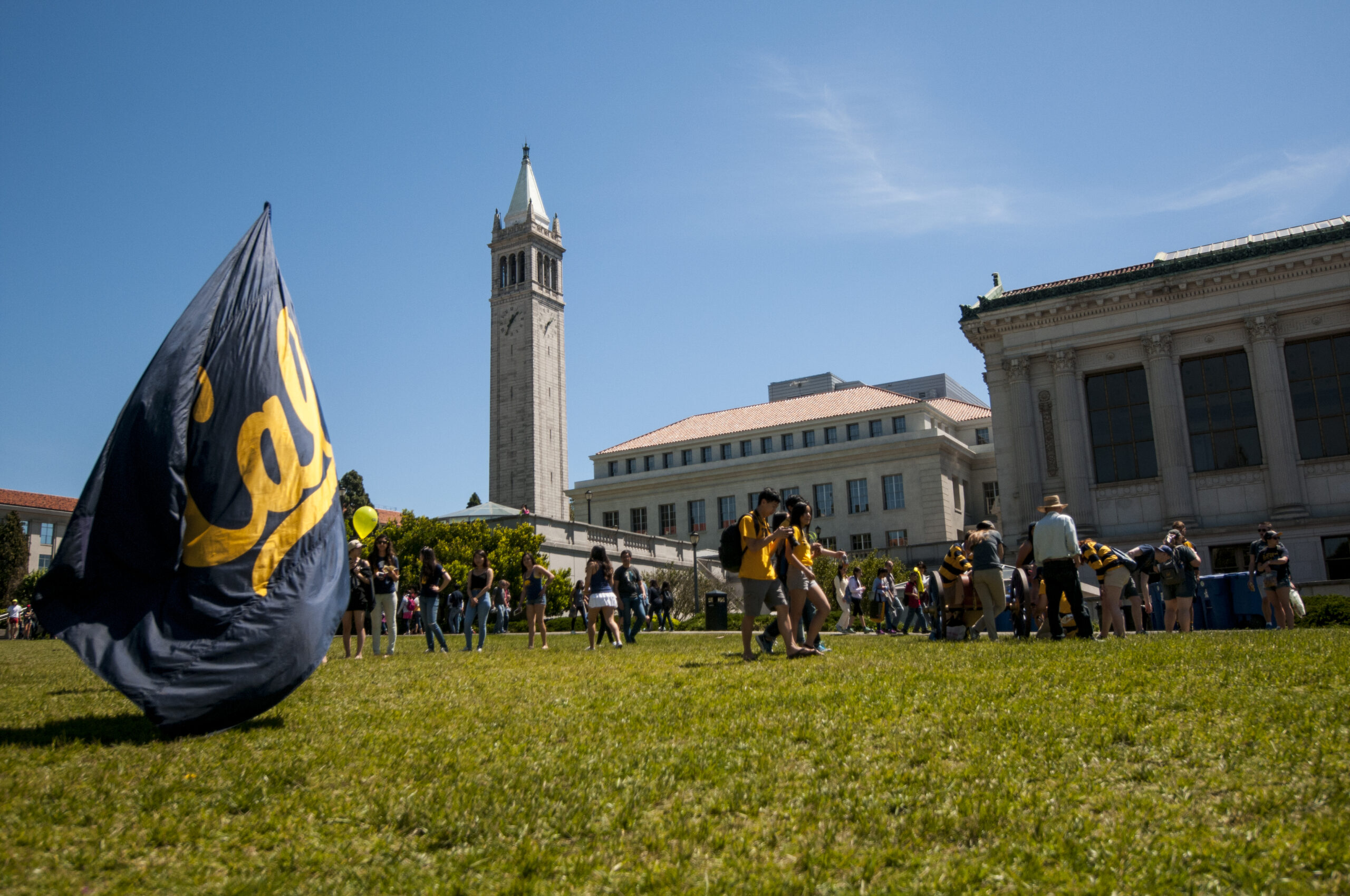
The University of California, Berkeley added another major national distinction to its 2026 profile this week, landing at No. 1 among public universities in Forbes annual America’s Top Colleges ranking and No. 9 overall among all undergraduate institutions in the country. The ranking was published on Sept. 10, 2026, and quickly became one of the more closely watched higher education storylines of the fall because of the way Forbes built its list.
Unlike rankings that rely heavily on reputation surveys, the Forbes methodology centers more directly on measurable student outcomes. That includes graduation and retention rates, return on investment, student debt, and post-college earnings. In Berkeley’s case, that formula produced a result that was hard to ignore. The flagship public institution not only led its public peers, it also finished inside the national top 10 across all colleges.
For families comparing selective public universities, for recruits considering academically elite Division I campuses, and for anyone tracking how college value is being discussed in 2026, the significance is straightforward. This was not simply a brand-driven honor. It was a ranking outcome tied to affordability, completion, and long-term graduate earnings, three areas that increasingly drive decision-making in college admissions and recruiting alike.
The headline result was clear. According to Forbes, Berkeley ranked No. 1 among public universities and No. 9 overall in its annual Top Colleges list. But the larger story is why Berkeley finished there.
Forbes said its overall ranking draws on 14 metrics and puts substantial weight on educational and career outcomes. That distinguishes it from lists that lean more heavily on institutional reputation or peer perception. In practical terms, the ranking asks a question many families now ask first, what do students gain from attending a university, and what does that experience look like financially by graduation and beyond?
That framing gave Berkeley a particularly strong platform. The university has long been viewed as one of the nation’s most prestigious public institutions, but this result highlighted more than prestige. It suggested that Berkeley’s outcomes, not just its name recognition, helped drive the finish.
Berkeley’s own campus news office emphasized that point in its Sept. 11 coverage of the ranking, noting that the university’s placement served as another validation of its national standing, particularly in a rankings cycle where measurable value carried unusual importance. Readers can see that university release at news.berkeley.edu.
The most notable figures in the reporting were tied to debt and alumni earnings. Berkeley said its graduates posted the lowest average debt burden among all public universities in the ranking, at $5,924. Forbes also reported that figure was the second-lowest overall, trailing only Yale.
That debt number is especially important in the current college landscape. Public universities are often asked to do two things at once, compete academically with elite private institutions while still delivering broad access and manageable costs. Berkeley’s profile in this ranking suggested it did both at a very high level.
The earnings data added another layer. Forbes listed Berkeley alumni with a median annual salary of $111,530 over the first 20 years after graduation. Numbers like that help explain why Berkeley performed well in a methodology that favors long-term educational and financial value. A school can be highly selective and academically respected, but in a ranking designed around outcomes, it still needs strong results after students leave campus. Berkeley had them.
That combination, low debt and strong earnings, has become one of the most persuasive arguments in higher education discussions. Families are increasingly focused on return on investment, and rankings that foreground those measures tend to attract outsized attention. In that environment, UC Berkeley turned a broad national debate into a concrete, favorable headline.
The ranking also gained attention because of the other universities near the top of the public list. Forbes placed UCLA second among public institutions and No. 12 overall, while the University of Michigan came in third among publics. That gave Berkeley a clear edge over two of the country’s most visible and competitive state universities.
Those comparisons matter because all three schools occupy a similar national space. They are large, research-intensive public universities with broad academic reach, significant athletic visibility, and intense applicant demand. Each also draws national attention around affordability, admissions access, and institutional value.
Berkeley’s place at the top of that group reinforced its standing in a category that matters to many applicants, especially students looking for a public option with elite academic recognition. When a ranking moves beyond prestige language and points to debt, earnings, and graduation outcomes, finishing ahead of peer institutions carries added weight.
Forbes said its America’s Top Colleges list uses 14 metrics and emphasizes educational as well as career outcomes. While every ranking system has limitations, the Forbes approach has drawn attention because it aligns with how many families now evaluate colleges. Reputation still matters, but measurable results often carry more influence than they once did.
That is especially true in a cycle when public scrutiny around tuition, access, and outcomes remains intense. Selective public universities are expected to offer world-class academics without losing sight of affordability and broad student opportunity. Berkeley exists near the center of that conversation because of its scale, selectivity, research output, and role within California’s public higher education system.
Forbes listed in-state tuition and fees at $18,214 and out-of-state tuition and fees at $57,484 for the 2026-27 school year. It also noted that 38 percent of in-state students pay no tuition and about two-thirds receive some form of aid. Those figures help show why Berkeley’s finish resonated beyond its own campus. The ranking was not simply about prestige. It reflected a balance of access, cost, and outcomes that many institutions are trying to achieve.
For students and parents sorting through college options, that context matters. Rankings can blur together if they use different definitions of excellence. But a list built around graduation, retention, debt, and earnings speaks directly to practical questions families ask during the college search. That is one reason college researchers often compare multiple lists and tools, including broad reference resources such as the college directory and category-based resources like a rankings directory, to understand how schools appear across different measures.
The Forbes result did not arrive in isolation. Berkeley’s release pointed out that earlier in 2026, U.S. News & World Report ranked the university the top public university in the world and seventh overall globally. The campus also highlighted another repeat distinction from PitchBook, which again ranked Berkeley first for the number of venture-backed startups founded by undergraduate alumni.
Those honors are separate from the Forbes methodology, and they measure different things. Still, together they help explain why this week’s result drew so much attention. Berkeley is not only being recognized for research strength or faculty reputation. It is also being cited for producing graduates with relatively low debt and strong financial outcomes after college.
That distinction is important because the language around college value has changed. In past ranking conversations, the emphasis often stayed on selectivity, peer esteem, or academic reputation. In 2026, conversations are more likely to include cost, aid, outcomes, and earning power. Berkeley’s current national profile fits that shift unusually well.
Although this was an academic rankings story, it carries real relevance in athletics because Berkeley competes at the NCAA Division I level. The university’s sports identity, particularly through the University of California, Berkeley men basketball team and its broader Cal Athletics profile, gives the school visibility well beyond standard higher education audiences.
For recruits, academic standing and athletic opportunity are often discussed separately, but they are deeply connected in decision-making. At academically demanding Division I institutions, the strength of the overall university can shape how families evaluate fit, not only because of classroom expectations, but because of long-term degree value. Berkeley’s finish in the Forbes ranking reinforces the argument that athletes considering a high-level public university can weigh both competitive athletics and measurable academic outcomes at the same time.
That does not mean rankings decide recruiting outcomes. They do not. Coaching staffs, roster composition, conference alignment, development track, admissions fit, and financial realities all matter. But institutional profile still influences perception, and the University of California, Berkeley remains one of the few public universities that consistently operates at the top of both academic and athletic visibility.
Even in sports-specific conversations, school context can matter. Recruits comparing academically selective Division I programs often look at more than standings, though those still matter in season and can be followed through official resources such as the NCAA Division I men’s basketball standings. They also look at graduation support, campus environment, and how the degree holds value over time. Berkeley’s latest ranking result strengthens that broader institutional case.
One reason this story traveled quickly is that Berkeley sits at the intersection of several major trends in higher education. It is highly selective. It is publicly funded. It draws enormous interest from California residents and from students across the country. It is also frequently part of national debates about access, affordability, and what top-tier public education should look like.
The Forbes ranking sharpened that conversation by tying Berkeley’s place to specific outcomes. Low average debt. Strong median earnings. Competitive completion and retention performance. Those are the kinds of metrics policymakers, trustees, and families increasingly want to see.
That does not mean every student experience can be reduced to a ranking formula. College fit remains personal. A school can be outstanding overall and still not be the right choice for every applicant or athlete. But when a university performs this well in a system built around measurable value, it becomes difficult to dismiss the result as a pure reputation win.
For Berkeley, that may be the most important takeaway from this week. The institution already had prestige. What this ranking added was another layer of evidence tied to outcomes that are broadly understandable and easy to compare.
At a time when universities are competing not only for students, but also for research dollars, philanthropic support, faculty talent, and national relevance, headline results like this shape public narrative. That is true for colleges generally, and it can be true in athletics as well.
A recruit deciding between several academically strong Division I schools may never choose one university solely because of a Forbes ranking. But rankings can reinforce an existing perception of quality, especially when they align with other indicators of institutional strength. Berkeley’s 2026 profile now includes a top public finish from Forbes, a leading global public university placement from U.S. News, and continued entrepreneurial recognition through PitchBook. Combined, those markers strengthen the campus brand in a way that reaches prospective students, coaches, alumni, and families.
Within athletics, that matters because recruiting is often about credibility as much as visibility. A school that can present itself as both nationally competitive and academically validated enters conversations with a different kind of momentum. Berkeley has long occupied that space, and this week’s ranking gave it another data point to support it.
For readers researching schools with that blend of academics and athletics, a broad search resource such as the sport directory can help place institutions in context by team and sport category, while official college and team pages remain useful for school-specific details.
There were no additional college records provided in the source college list for this article, so no direct same-dataset comparison programs could be linked here. In practical terms, that means Berkeley stands alone in the available Pathley college data attached to this story, even though Forbes compared it nationally with public peers such as UCLA and Michigan.
Rankings do not define a university, and they never tell the full story of student life, academic challenge, or personal fit. Berkeley’s leaders would almost certainly say the same. Still, some ranking results carry more substance than others, especially when they are tied to metrics families care about most.
That is what made this Forbes finish stand out. Berkeley was not simply recognized as a famous school or a selective one. It was recognized as a public university producing strong outcomes in the categories that increasingly shape college decisions, debt levels, completion, and long-term earnings.
Going forward, the result is likely to remain part of Berkeley’s national narrative because it captures something larger than a one-week headline. In a period when higher education faces persistent questions about cost and value, the University of California, Berkeley emerged from this ranking cycle with a concrete answer that many institutions would like to claim. For students, recruits, and families watching closely, that may be the most durable part of the story.
Rosters, coaches, and division breakdowns for every NCAA and NAIA program we track.