Insight
Rice University lands No. 16 in Forbes, tops Texas on value
Rice University ranked No. 16 in Forbes' America’s Top Colleges and finished as the highest-ranked school in Texas, driven by outcomes and value.
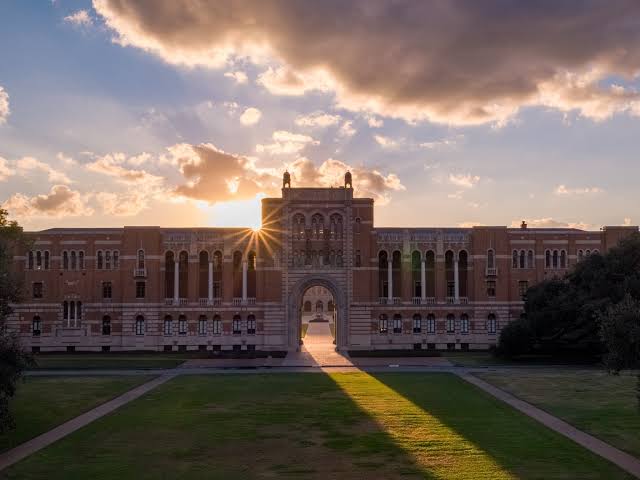
Rice University grabbed a prominent place in the fall college rankings cycle on September 11, when the Houston school announced that it had finished No. 16 nationally in Forbes' latest America’s Top Colleges list. Just as notable, Rice came in as the highest-ranked school in Texas, a distinction that carries extra weight in one of the country’s deepest and most competitive higher education markets.
The headline number matters, but the bigger story is why Rice scored so well. According to Forbes, the ranking is built less around name recognition and more around measurable outcomes. The methodology uses 14 indicators tied to graduation and retention rates, alumni earnings, student debt, return on investment, and the frequency with which graduates go on to earn doctoral degrees, major fellowships, and other high-level distinctions. In a college search environment where families increasingly focus on payoff as much as prestige, that framework gives Rice an especially useful kind of validation.
For an NCAA Division I institution that is often discussed nationally for academic selectivity more than athletics, the ranking also shows how an academic story can still carry broad relevance across the college landscape. For recruits, parents, and coaches who think about fit beyond a roster spot, rankings based on outcomes can shape how a school is perceived just as strongly as wins and losses.
In Rice's summary of the result, the university noted that it finished 26 spots ahead of the next-closest Texas institution. That gives Rice University a clear in-state talking point at a time when high school seniors are refining application lists and families are weighing cost, selectivity, and long-term return.
The university also received an A-plus financial grade in the Forbes evaluation. That detail helps explain why this ranking resonated beyond a simple top-20 finish. The list is intended to reward schools that pair strong academic performance with favorable financial outcomes. In other words, Rice did not merely place high because of reputation. It placed high because the available data suggested students are staying, graduating, borrowing relatively little, and doing well after college.
That distinction is important in the current admissions cycle. Public trust in rankings has shifted over time, and many families now ask more direct questions: Do students graduate on time? How much debt do they carry? What kind of earnings do alumni report? Does the institution offer enough grant support to make the published price less intimidating? On those measures, Rice presented a compelling profile.
The university highlighted several figures that help clarify why Forbes rated it so highly. Rice reported a 97 percent student retention rate, an 87 percent four-year graduation rate, and an 8 percent acceptance rate. Those numbers point to an institution that is both highly selective and highly successful at keeping students enrolled through completion.
Retention and graduation rates are among the most meaningful indicators in any outcomes-based ranking. A strong retention rate suggests students are finding academic, social, and financial reasons to stay. A strong four-year graduation rate matters because it often reduces the total cost of attendance, shortens time to workforce entry or graduate study, and can reflect strong advising and institutional support.
Rice also cited post-graduation outcomes that fit neatly into the Forbes model. Based on data the university said came from People Data Labs, Payscale, and the federal College Scorecard, Rice alumni who have been in the workforce for 20 years report a median salary of $109,721. In the context of a national ranking centered on return on investment, that is one of the clearest signals in the profile.
These are the metrics that often matter most in practical college decision-making:
Forbes' methodology, described in detail by the publication, is designed to blend those kinds of measures into a broader evaluation of value and student success. That makes Rice's placement more than a branding win. It is a reflection of how the school is performing on metrics that can be compared across the national market. Forbes outlined that approach in its methodology overview at Forbes.
If the No. 16 finish is the attention-grabber, affordability may be the deeper reason this result matters. Rice emphasized that 64 percent of its students receive financial aid, with average grant aid topping $56,000 and average student debt at just $10,792. In a period when families often begin the college process wary of sticker price, those numbers change how an elite private university is understood.
Low debt is especially significant in a national environment defined by borrowing concerns. A school can have a strong reputation and still lose families if the net cost appears unmanageable. Rice's data suggests that the institution is trying to position itself differently, not simply as selective and prestigious, but as a place where substantial aid can narrow the gap between elite status and financial accessibility.
That message becomes even clearer when placed alongside the university's previously announced policy changes. Rice said that beginning in fall 2027, incoming undergraduates from families earning less than $100,000 annually with typical assets will receive grants covering tuition, mandatory fees, room, and board through the expanded Rice Investment program. Students from families earning between $100,000 and $200,000 will receive grants covering full tuition.
This piece of the story matters because it shows the Forbes ranking did not arrive in isolation. The ranking landed while Rice was already sharpening its public identity around access and affordability. For many universities, elite academic status and broad affordability are presented as separate narratives. Rice is trying to merge them into one.
Fall rankings season remains one of the few moments each year when colleges can cut through to audiences beyond current students, alumni, and applicants already deep in the process. A top-20 national finish, paired with a No. 1 in Texas label, gives Rice a powerful headline at the exact moment families are comparing schools more intensely.
That timing matters for multiple groups. High school seniors are refining application lists. Parents are comparing cost against outcomes. Counselors are guiding students toward realistic and high-value fits. Coaches and athletic departments, even when a ranking is not directly about sports, know that institutional perception can shape recruiting conversations.
For Rice, being able to say it is the top-ranked school in Texas on a list built around outcomes, debt, and value gives the university a crisp message in a state where competition for top students is relentless. That is true whether Rice is competing with public flagships, other private institutions, or selective national peers.
The Forbes news also fits into a larger pattern. Shortly before this ranking, Rice announced that it had placed No. 10 overall in Niche's 2027 Best Colleges in America list, while also earning top-10 placements across 18 disciplines and categories. Rice's release on that result is available at Rice News.
In the Forbes announcement, Rice also referenced recent recognition from The Princeton Review in categories tied to campus climate, value, and student experience. Taken together, those honors suggest the university is trying to build a consistent national profile across several dimensions at once:
Different rankings emphasize different ingredients, and no single list captures the full reality of a campus. Still, a cluster of strong showings across multiple ranking systems tends to carry more credibility than one isolated finish. In Rice's case, the overlap is notable. The school is being recognized not only for prestige, but for what happens to students during and after college.
One reason this story has staying power is that it aligns with how college searches are changing. Families increasingly blend academic ambition with financial caution. They want schools with strong reputations, but they also want evidence that the experience leads to timely graduation, manageable debt, and strong post-college outcomes.
That shift has changed how ranking stories are interpreted. Years ago, a top-20 spot may have been discussed mostly as a prestige marker. Now it often serves as a shorthand for a larger set of questions about value. Rice's profile happened to line up especially well with those questions.
For students beginning broader research, tools like a college directory or a rankings directory can help put a result like this into context, especially when comparing different institutions by geography, selectivity, and outcomes. That context matters because one ranking alone rarely answers whether a school is the right fit.
The same is true for athletes. Even when a headline is not tied to a specific team, the institution itself matters. Campus resources, graduation support, academic rigor, and net cost can all influence the recruiting process. For some recruits, especially those considering academically demanding Division I options, an outcomes-based ranking can be a useful data point alongside roster needs, coaching stability, and admissions expectations.
Rice is a Division I member of the NCAA, a fact reflected in the NCAA directory at NCAA.org. That athletic affiliation is not the center of the Forbes story, but it adds context. Schools do not exist in separate academic and athletic lanes. The university's broader reputation can shape how it is viewed by prospective students, including recruited athletes and walk-on hopefuls.
For that reason, a major academic ranking is still relevant to the wider Rice ecosystem. It can influence how Rice University is discussed by counselors, club coaches, and families who are trying to balance athletic opportunity with long-term educational return.
Because this story is institutional rather than team-specific, there is no single primary sport program driving the news cycle. Even so, Rice's place in Division I makes the ranking more visible than it might be for a less nationally connected campus. Strong academic and financial narratives tend to travel quickly when attached to recognizable NCAA brands.
Rice's rise to the top spot in Texas on the Forbes list naturally invites comparison with other Houston-area institutions. For students and families exploring schools in the same city or region, it can be useful to look at several campuses side by side.
The University of Houston is one of the city's best-known public institutions and offers a very different scale and public-university experience than Rice. Students comparing Houston-area options often weigh the contrast between a highly selective private campus and a large public research environment.
Houston Christian University represents another private option in the same metropolitan area. While it serves a different slice of the market than Rice, it can still enter the conversation for families prioritizing location, campus setting, and institutional identity.
Texas Southern University remains an important Houston institution with its own distinct mission and student experience. For in-state applicants building a city-based list, it belongs in any broader discussion of how Houston colleges differ in access, cost, and academic environment.
What makes this development more consequential than a typical rankings note is how cleanly it captures the themes colleges know families care about right now. Rice's story is not just that it is selective. It is that the university is presenting evidence of strong retention, fast graduation, low debt, generous aid, and favorable long-term earnings, all at once.
That combination is difficult to assemble, and it explains why the school framed this ranking as more than a vanity metric. The areas Forbes rewards are the same areas that increasingly shape enrollment decisions. If an institution can offer elite academics while reducing the financial pressure often associated with private education, it stands out in a meaningful way.
Rice's own release on the ranking emphasized exactly those points, and the underlying message was easy to read. The university wants to be seen not only as one of the country's top academic institutions, but as one where outcomes and affordability can coexist. Rice detailed that framing in its official announcement at Rice News.
The next question is whether Rice can turn this moment into sustained momentum through the rest of the admissions cycle. Rankings can open the door to attention, but they matter most when they reinforce a pattern that families already see in financial aid policy, student experience, academic support, and post-graduation outcomes.
For now, the significance of the Forbes result is straightforward. Rice University did not simply land in the national top tier. It emerged as the highest-ranked school in Texas on a list built around measurable outcomes, debt, and return on investment. In a crowded college market, that is a powerful signal.
For students, parents, and counselors, the takeaway is not that one ranking should decide a college choice. It is that Rice has strengthened its case in the categories many families now consider most important. For a university that has been trying to sharpen its public identity around excellence, access, and long-term value, this was one of the clearest outside endorsements it could have received.
Rosters, coaches, and division breakdowns for every NCAA and NAIA program we track.