What Block Jump Do NAIA Women's Volleyball Coaches Look For?
The Block Jump range NAIA Women's Volleyball coaches typically see in the recruits they sign, how they use it, and what moves the needle.
The typical Block Jump range
Typically about 8 feet 8 inches to 9 feet 6 inches for recruited NAIA women's volleyball athletes, with middles often trending higher
- Benchmark
- Block Jump
- Last reviewed
- May 2026
Overview
What the Block Jump Range Means for NAIA Women's Volleyball Recruits
For NAIA women's volleyball, block jump is one useful indicator of front-row explosiveness and net play potential. Coaches usually view it alongside position, attacking and blocking production, movement, level of competition, and overall roster needs, so the target range can shift by program and role.
These ranges vary significantly by position, conference, and individual program priorities.
- Division
- NAIA
- Sport
- Women's Volleyball
- Benchmark
- Block Jump
- Last reviewed
- May 2026
How coaches use it
How Coaches Evaluate Block Jump
Coaches use block jump to estimate how well a player can play above the net, especially for blocking and quick offensive actions. It tends to matter more for front-row positions such as middle blocker and right side, while defensive specialists and liberos are usually evaluated more on ball control, serve receive, and defensive range. Even for front-row players, coaches do not rely on block jump alone when they watch film or compare recruits. They also weigh hitting mechanics, timing, lateral movement, arm speed, court awareness, competitiveness, academic profile, and how the athlete projects within their system.
Stand out
What Helps and What Hurts
What helps
Habits that move you up coaches' boards
- Verified measurements from club events, camps, or strength testing
- Strong game film showing blocking timing and net play
- Position-specific context, especially for middles and right sides
- Year-to-year improvement in explosiveness and movement quality
What hurts
Mistakes that quietly cost opportunities
- Reporting estimates instead of a measured block jump
- Assuming jump numbers outweigh skill and game performance
- Limited film against quality competition
- Poor movement efficiency or timing despite a solid vertical profile
More benchmarks
Other NAIA Women's Volleyball Benchmarks
Typically about 9 feet 2 inches to 9 feet 8 inches for recruited NAIA women's volleyball athletes, with some...
See the benchmark GPAOften around a 2.8 to 3.6 GPA for NAIA women's volleyball recruits, with some programs recruiting above or below that...
See the benchmark HeightTypically about 5'6" to 6'2", depending heavily on position, level of program, and overall athletic profile
See the benchmark Hitting PercentageTypically about .220 to .320 hitting percentage for recruited NAIA women's volleyball players, with expectations...
See the benchmark SAT/ACT ScoreCoaches evaluate this contextually rather than against a fixed range
See the benchmarkNext step
See where you fit
Compare your profile with realistic college options and look at programs that may match your level, position, and academic goals. Use that context to build a more informed target list.
College fit finder
Find the Colleges Where You Fit
Now that you know where your numbers stand, see which schools to aim it at. Pick your position and level, and we score every college program in your sport on roster openings at your position, athletic level and academics.
Free recruiting guide
The complete women's volleyball recruiting guide
Divisions, contact rules, what coaches look for and what a year really costs, laid out in the order the process happens.
- 01Where you actually fit
- 02The recruiting timeline
- 03What coaches evaluate
- Plus six more sections
Explore programs
Search top NAIA Women's Volleyball colleges
Four ways to rank the programs in this division, from the strongest overall to the easiest to get into.
FAQ
Frequently Asked Questions
Is block jump the same as vertical jump in volleyball recruiting?
Not exactly. Block jump measures how high an athlete reaches from a blocking movement, while vertical jump usually refers more generally to jump height. Coaches often care about block jump because it reflects net play more directly.
What if my block jump is below the typical NAIA range?
That does not automatically take you out of consideration. Coaches may still recruit athletes who show strong skill, high volleyball IQ, consistent production, and a good fit for the program's style and roster needs.
Does block jump matter equally for every position?
No. It usually carries more weight for front-row positions, especially middle blockers and right sides, than it does for liberos and defensive specialists. Setters are often evaluated with more attention to decision-making, hands, location, and movement patterns.
How do coaches verify a block jump number?
Many coaches prefer measurements taken at reputable camps, combines, club testing sessions, or by trusted high school and club staff. A number is more useful when it is recent, clearly measured, and supported by film that matches the athlete's net play.
Can a strong block jump help if I am still developing technically?
It can help get attention because it suggests physical upside. Still, coaches usually want to see that the athlete can translate that explosiveness into blocking, attacking, and consistent play in match settings.
Three ways to start
Where are you in the search?
Pick the option that matches where you are, and we will show you the plan that fits.
Your 20 to 25 best-fit schools, picked for you.



- Starter: the list, fit reads, real costs and a dated timeline
- Complete: adds roster reads and coach emails for every school
The roster at your position, at the schools you pick.

- Who is graduating at your position, class year by class year
- Where spots are likely to open, in plain words
One school, covered end to end.
- Your honest odds, the roster and the verified coach
- Intro email, three follow-ups, admissions steps and timeline
News and guides
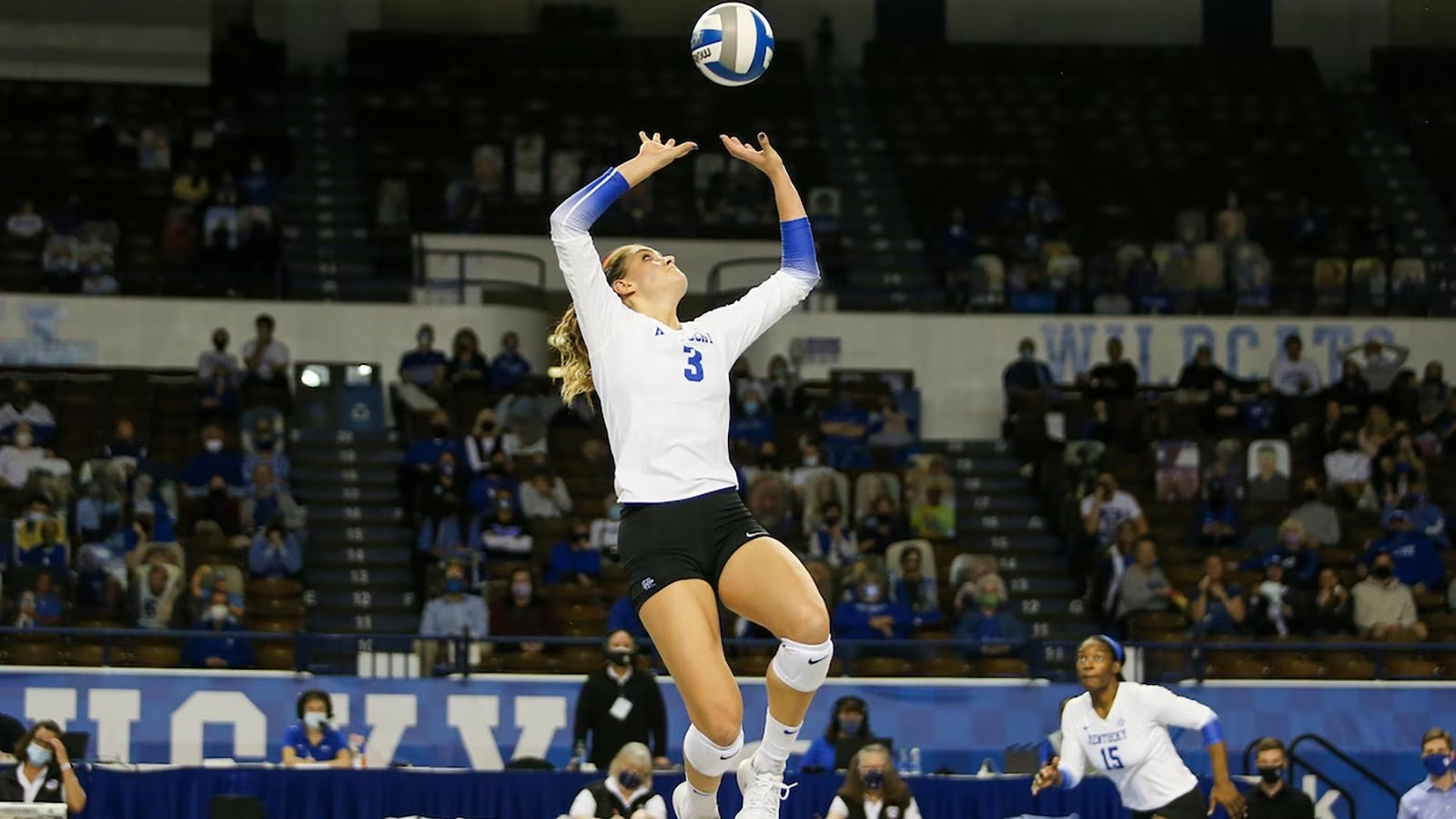
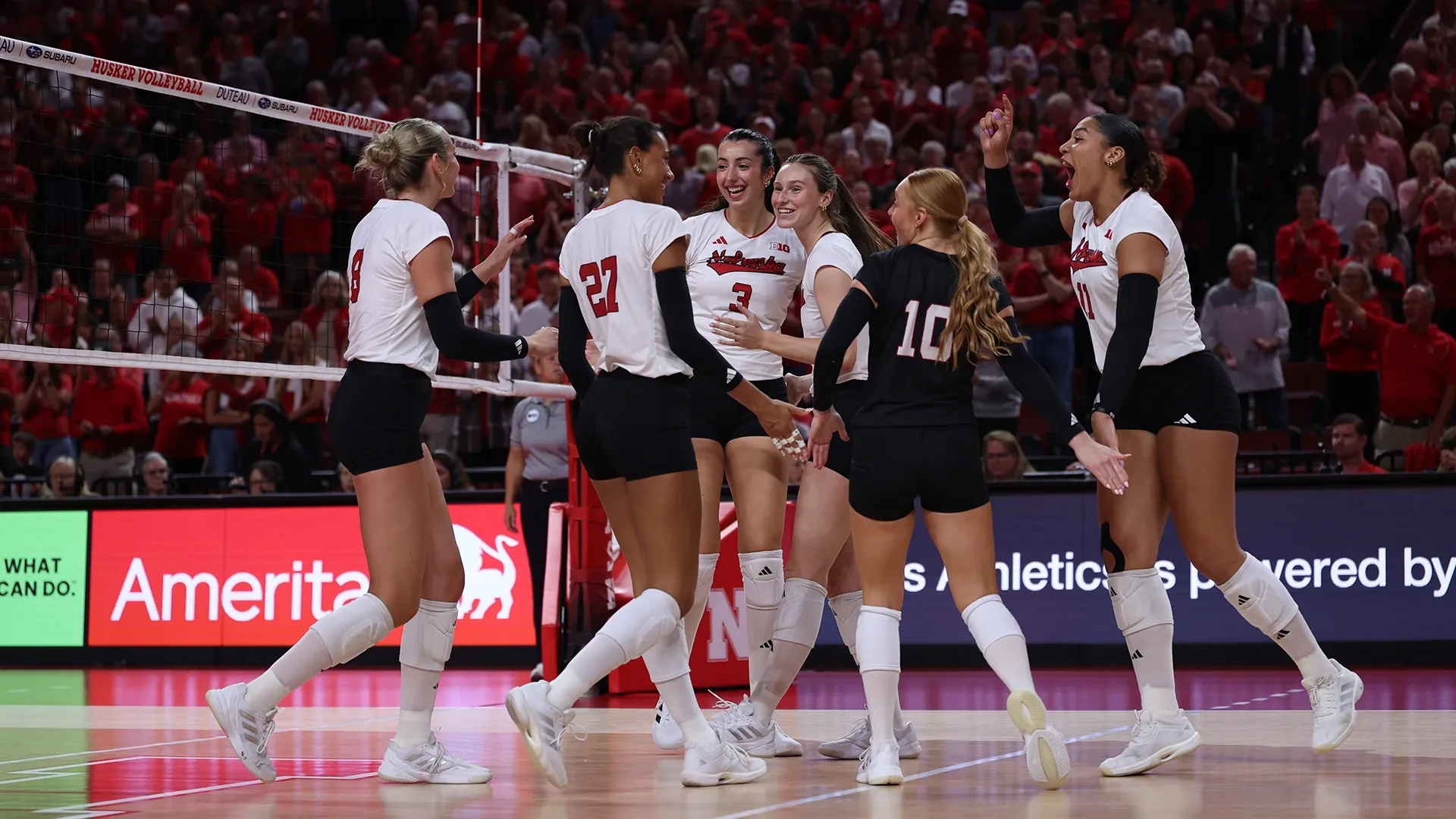
Volleyball: The Latest from Pathley

Resources
Keep exploring
Sport hub
Everything for Women's Volleyball recruiting
The Women's Volleyball hub brings every division together: how D1, D2, D3 and NAIA compare, the strongest programs in each state, camps, and the recruiting guides for each level.
How this page was built. Compiled from coach input, club and camp testing norms, collegiate roster patterns, and publicly available recruiting guidance Updated May 2026.