Insight
Softball Showcase Tournaments: Real Recruiting Guide for 2026
Softball showcase tournaments can help or hurt recruiting. Learn how to choose events, contact coaches, and turn weekends into real college opportunities.
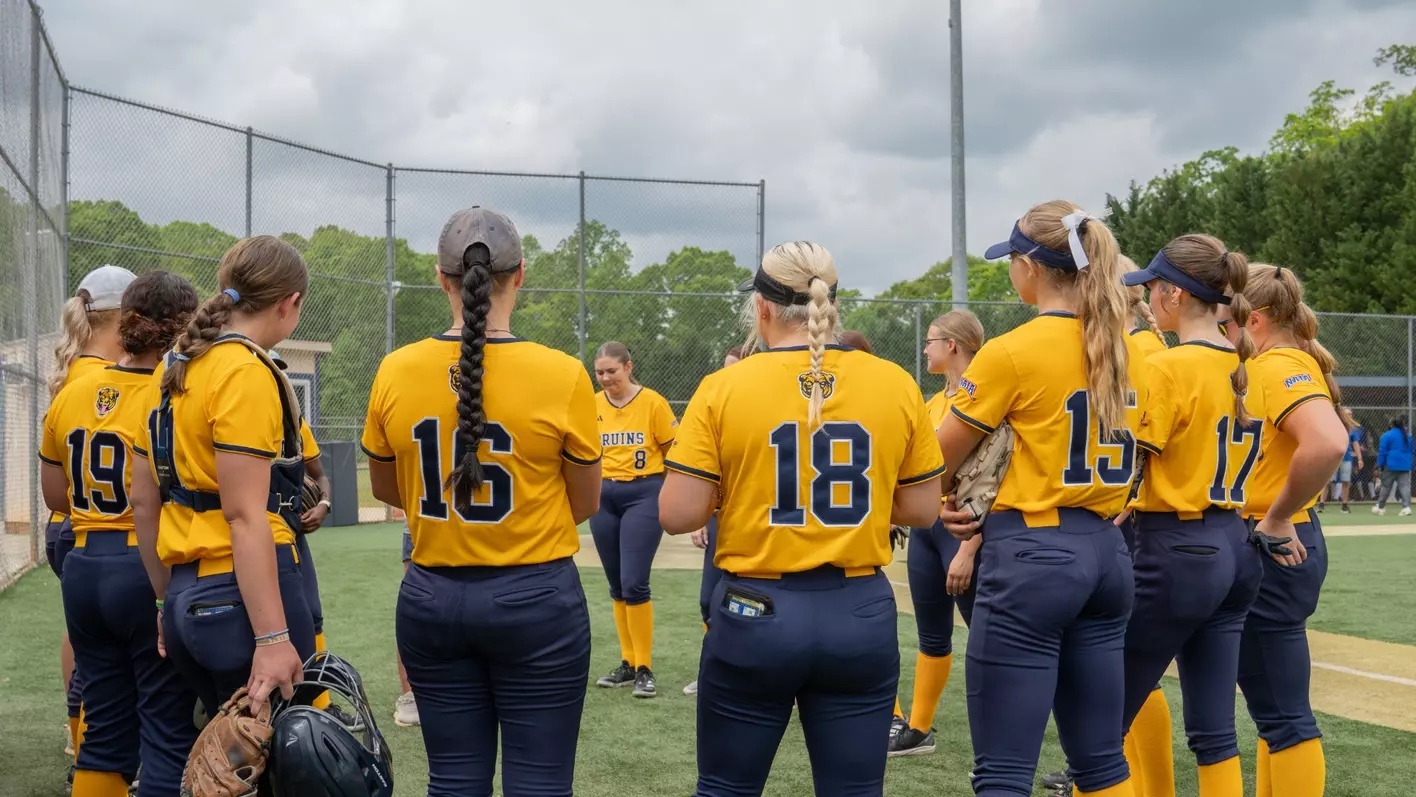
If you play competitive softball, you have probably heard the same pitch from everyone around you: get seen at showcases, and the offers will follow. Families spend thousands of dollars each year traveling to softball showcase tournaments, hoping a weekend of games will change the entire recruiting picture.
Sometimes it does. More often, it does not. The difference usually is not talent. It is strategy.
Showcase weekends can absolutely help you get recruited, but only if you understand what they are for, when you are ready, and how to build a plan around them. If you are not thoughtful, they turn into crowded fields, exhausted pitchers, and no real conversations with coaches.
This guide breaks down how showcase events really work, how college coaches use them, and how you can turn each event into actual recruiting momentum instead of just another expensive trip.
First, it helps to separate three different types of events that all get blended together in recruiting conversations.
Showcase tournaments are designed primarily for exposure. The focus is on coaches watching players, not on who wins the bracket. Games might be shorter, lineups rotate to get everyone seen, and there is often a list of colleges expected to attend.
College camps and clinics are run by specific schools. They combine instruction, drills, and scrimmages. Camps usually give coaches more direct time with you, and they are often a better way to be evaluated deeply by one staff.
Regular travel tournaments are built around competition. Winning matters more than exposure, and there may or may not be many college coaches walking around.
All three can matter for recruiting, but they play different roles. Showcase events in softball are about getting multiple coaches to see you in a short window. Camps are about getting specific coaches to know you. Travel ball is about development, pressure reps, and building the player that coaches want in the first place.
If you picture coaches randomly wandering fields and discovering hidden gems, you are probably imagining the recruiting world from a decade ago. Today, most college staffs arrive at a showcase with a plan.
Many already have lists of players they want to evaluate, built from emails, online profiles, coach recommendations, and video. They know which fields to hit and which jersey numbers they are watching. They take notes, record a few clips, and move on.
You can absolutely get discovered at a showcase if a coach notices you while watching someone else, but that is not the main strategy anymore. Your goal is to be one of the names they circle before they even step on site.
According to official NCAA recruiting resources, coaches have specific recruiting calendars and contact rules that dictate how and when they can interact with you. That is why you sometimes see coaches watching silently behind the fence instead of walking up to talk after a big game. Understanding those rules keeps your expectations realistic.
What do college softball coaches actually look for at showcase tournaments besides stats and wins?
When coaches watch you at a softball showcase tournament, they are evaluating more than exit velocity and ERA. They are watching your body language after an error, how you support teammates, your baserunning instincts, and whether your athleticism and tools will translate to their level of play.
Not every athlete needs heavy showcase exposure in middle school. For some, the right time might be sophomore or junior year, once skills, academics, and a realistic target level have started to come into focus.
Here are some signs you might be ready to prioritize these kinds of events in your recruiting plan:
• You have a clear primary position and at least one role you can confidently offer a college program, such as power corner infielder, shutdown pitcher, or lock down center fielder.
• Your tools are competitive for some level of college softball, whether that is NAIA, Division 3, or higher. If you are not sure, compare your metrics to typical college players and talk honestly with trusted coaches.
• Your academics are on track with what colleges will expect, including GPA and coursework.
• You have started building a basic recruiting presence, like an online profile, a highlight video, or a resume you can send to coaches.
• Your family budget and schedule can handle travel without burning you out or creating unhealthy financial pressure.
If most of those boxes are not checked yet, that does not mean you skip showcases forever. It just means your priority might be more skill development, strength work, or targeted camps where you can get feedback before chasing big exposure events.
The biggest mistake families make is treating all showcases as equal. They are not. The value of any event depends on how well it lines up with your goals.
Instead of asking which showcase is the biggest, start by asking which colleges could be the best fit for you. Think about academics, size, location, cost, and level of play. Then reverse engineer which events those types of programs actually attend.
You can explore schools by level and location with tools like the Pathley College Directory and the sport specific softball hub on Pathley. Building a realistic target list first makes it much easier to judge whether a specific showcase is worth the trip.
Before you commit to a showcase tournament, dig into the details. Ask the tournament director, your travel coach, and other families specific questions, like:
• Which colleges have actually attended in the last few years, not just which logos are on the flyer.
• How many total teams and age groups will be there, and whether coaches are usually spread thin across dozens of fields.
• Whether college coaches get full rosters and schedules in advance so they can plan which players to watch.
• How much playing time you are likely to get at your primary position, especially if you are a pitcher or catcher.
• Whether the level of competition matches where you are trying to play in college.
The goal is not to find a perfect event, because that does not exist. It is to find showcase weekends where your target level of coaches are actually present and where you will be on the field enough for them to evaluate you.
Once you have picked the right event, the real work begins. Showing up is not a strategy. Preparation is what turns a random weekend into a planned opportunity.
Before any showcase, you should have a simple, clean set of information that coaches can use to evaluate you quickly.
At minimum, that means your graduation year, position, height and weight, throwing and hitting hand, travel and high school teams, basic stats or measurable metrics, GPA, test scores if you have them, and a link to recent video.
You can build a polished athletic resume in minutes with Pathley's Athletic Resume Builder. You answer a few questions, drop in your video links, and download a coach ready PDF to attach in emails or hand out at events.
If you want a deeper breakdown of recruiting video itself, the Pathley guide to college recruiting highlight videos walks through what coaches actually need to see for different sports.
Most recruiting value from showcase tournaments happens because of what you do before and after, not just between the lines. Emailing coaches ahead of time is a must if you want to be on their watch list.
Strong outreach includes a short introduction, your basic information, why you might fit their program, your schedule for the event, and a link to your video or online profile. You are not writing a novel. You are giving them a reason to circle your name on their clipboard.
Remember that coaches are bound by contact rules that vary by division and by your class year. The NCAA explains these rules clearly in its recruiting guide for student athletes and organizations like the National Federation of State High School Associations also outline what to expect if you want to play college sports.
If writing to coaches feels intimidating, Pathley can help you draft realistic, sport specific messages in a few seconds that sound like you, not a template.
On site, focus on the things you can control. Coaches know that showcase games are messy. Pitchers are throwing on short rest, defenses might not have played together before, and umpires sometimes miss calls. What stands out is how you compete through all of that.
Run hard on every ball in play. Be loud in the dugout in a positive way. Take ownership of your mistakes instead of blaming others. Show energy between innings. These things seem small, but they make you look like someone college coaches want in their locker room for four years.
The weekend is not over when the last out is recorded. Smart recruits use the next few days to close the loop with coaches and learn from the experience.
First, send simple follow up emails to any coaches who expressed interest, watched you play, or were on your pre event contact list. Thank them for their time, mention one specific moment from the weekend, and attach any updated video if you have fresh clips.
Second, take a quiet look at your own performance. Where did you feel you matched college level players on the field, and where did you feel a gap. Use that honesty to shape your training plan for the next few months.
Third, update your target school list based on what you learned. Maybe a Division 1 program watched you but seems like a stretch right now. Maybe several Division 2 or NAIA schools were much more engaged. Adjusting your plan is not giving up, it is being strategic.
Inside Pathley, you can track schools you are interested in, log where you have been seen, and quickly compare colleges so that each showcase sharpens your focus instead of adding more confusion.
A lot of stress around these events comes from myths that will not die. Clearing them up can save you money and emotional energy.
Myth: If I play in the biggest showcases, I will definitely get discovered.
Reality: Big events can help, but they also mean more players competing for the same attention. For many athletes, a smaller showcase where their target schools actually attend is a better bet.
Myth: Coaches care most about my stats from the weekend.
Reality: Coaches know showcase stats are often incomplete or inflated. They care more about tools, athleticism, and whether your game will translate against college competition over a long season.
Myth: If a coach does not talk to me at the field, they are not interested.
Reality: Many contact rules restrict direct conversations, especially with younger athletes. Silence at the fence does not always mean no. Pay more attention to whether they email or text your coaches later, or whether they watch you again at future events.
Myth: More showcases always mean more chances.
Reality: At some point, extra weekends become diminishing returns. One well planned showcase with strong pre event outreach and clear follow up usually beats three random events where no one knows who you are.
The hard part about these showcase weekends is not just the games themselves. It is everything around them. Which schools should you target. Which events line up with those schools. What should you say in emails. How do you keep track of who has seen you and where you stand.
That is exactly where Pathley steps in. Instead of guessing alone or relying on random advice from social media, you get an AI powered recruiting assistant built for athletes and families.
You can use the Pathley College Directory and Rankings Directory to build a realistic list of schools that match your academic, athletic, and financial priorities. The College Fit Snapshot helps you see on one page how you line up with specific programs so you are not just chasing brand names.
From there, Pathley guides you through building an athletic resume, planning coach outreach, choosing the right camps and showcases, and tracking your progress over time. For softball specifically, the dedicated Pathley softball hub connects you with programs, events, and insights tailored to your position and level.
How many softball showcase tournaments should I play in each year based on my graduation class and goals? is the kind of specific question Pathley is built to help you answer in seconds, based on your sport, timeline, and goals.
Bottom line: showcase tournaments in softball are a tool, not a magic ticket. Used well, they can open doors. Used blindly, they can drain time and money without moving you any closer to the right college fit.
If you want every showcase weekend to fit into a clear, confident recruiting plan, Pathley can give you that structure.
Rosters, coaches, and division breakdowns for every NCAA and NAIA program we track.