Pathley News
College Baseball Recruiting Camps: Smart 2026 Guide
Learn how college baseball recruiting camps work in 2026, which events are worth your time and money, and how to use camps to get noticed by the right programs.
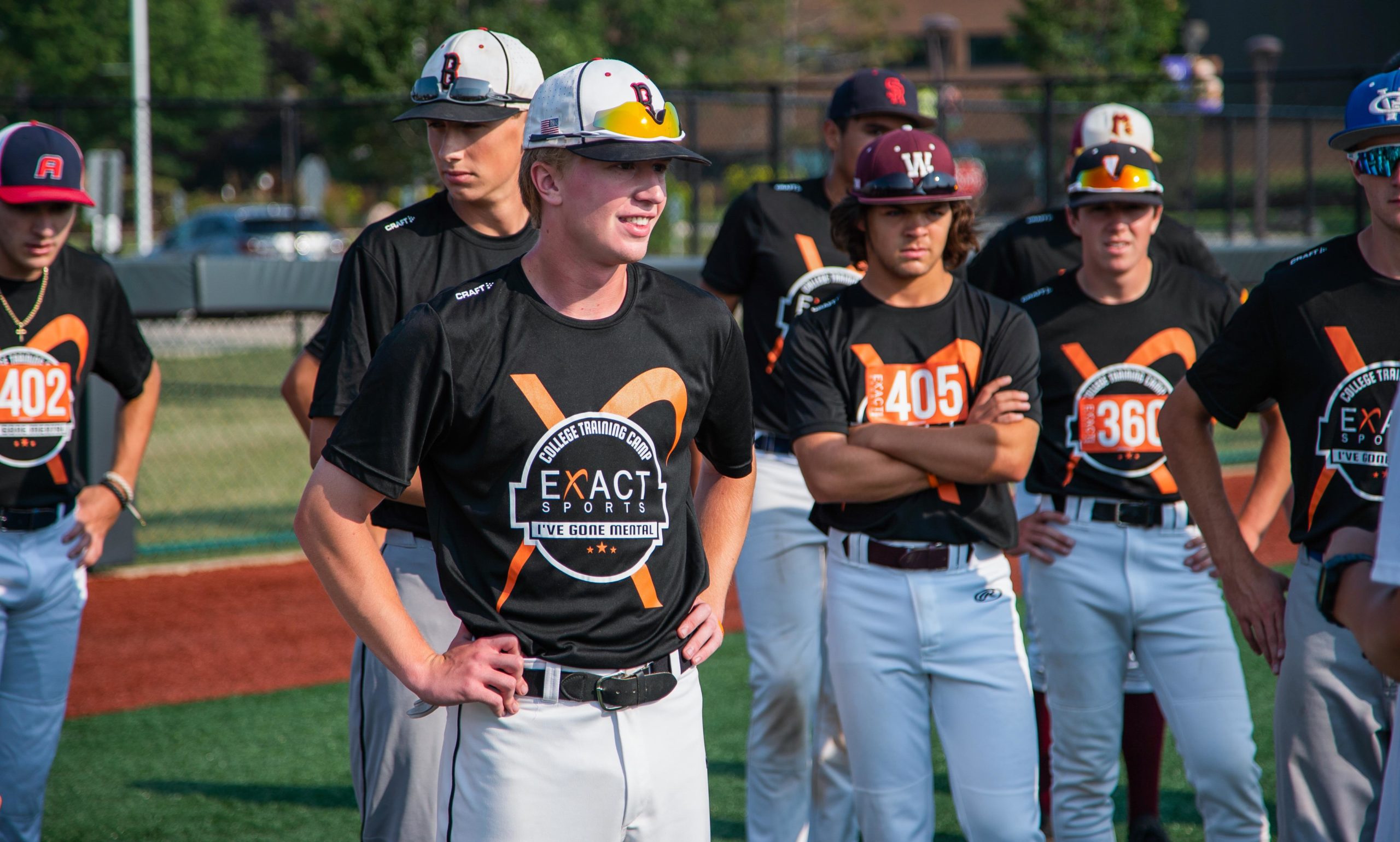
If you play baseball and want to compete in college, your inbox is probably flooded with camp invites. Prospect camps. Elite showcases. “Top 250” events. Local clinics that promise college exposure.
Some teammates say camps are everything. Others say they are a waste of money. The truth is in the middle. College baseball recruiting camps can be a powerful tool, but only if you use them with a clear plan that fits your level, position, and goals.
If you are already wondering which invites are real opportunities and which are just marketing, you are asking the right questions. How should I choose which college baseball recruiting camps are right for me?
This guide breaks down how college baseball recruiting camps really work in 2026, how they fit into the broader recruiting process, and how to build a camp strategy that helps you get noticed by the right programs, not just any program.
College baseball recruiting camps are events where college coaches evaluate prospects in person and, in many cases, provide instruction. They are usually run either by a college program itself or by a third-party company that brings multiple schools to one event.
They are different from your normal travel ball tournaments. At a tournament, coaches bounce between fields and might see you for a few innings. At a recruiting camp, you are on the field in front of coaches for several hours. They get to see how you move, listen, compete, and respond to coaching.
According to the NCAA data on participation and opportunity, only a fraction of high school players will ever put on a college uniform. Camps are one of the few controlled environments where you can show coaches who you are as a player and as a person, rather than just another name on a travel roster.
But here is the key: college baseball recruiting camps are not magic doors to scholarships. They are one piece of a complete recruiting plan that also includes emails, video, academics, travel ball exposure, and smart school selection.
Not every camp is built for the same purpose. Understanding the types helps you decide where to spend your time and money.
These are camps hosted by one college program on their own campus. The staff usually includes that school’s coaches plus a few guest coaches or local assistants helping run drills.
Prospect camps are primarily evaluations, with some instruction. The coaches want to see if there are recruits who might fit their future rosters. You also get a feel for the campus, facilities, and the coaching style.
These camps are best when you are genuinely interested in that school, and when your current ability is somewhere in their realistic recruiting range.
These events bring multiple colleges to one location. You might see a mix of Division 1, Division 2, Division 3, NAIA, and junior college coaches on the field together.
The goal is efficiency on both sides. You get to be seen by several programs in a single weekend. Coaches can evaluate a large group of players in one place.
Multi-school showcase camps can be a great option if you are still building your college list or if you want to be seen by a range of levels in a specific region.
Some baseball camps are more about development than evaluation. Pitching labs. Catcher-only clinics. Hitting academies. These might not have the same recruiting weight, but they can absolutely help you make a future camp more successful.
Before you chase exposure, you need skills that will hold up under pressure. For many underclassmen, development-focused camps are actually a better first step than big recruiting showcases.
To use camps well, you need to understand where they fit in the bigger picture of NCAA baseball recruiting.
The NCAA has specific recruiting calendars and contact rules that impact when and how Division 1 and 2 coaches can contact you off campus. Camps are one way coaches can see and work with prospects in compliance with those rules. You can find the most current rules and calendars on the official NCAA baseball page.
For most recruits, camps serve three main purposes.
First, evaluation. Coaches use camps to gather verified data like your 60 time, throwing velocity, exit velo, and defensive actions. They also watch how you compete, how you move between reps, and how you respond to failure.
Second, relationship building. Camps are one of the few times you get extended face-to-face time with a coaching staff. You have a chance to show your personality, ask smart questions, and leave an impression that is hard to make over email.
Third, validation. For players who are already on a coach’s radar through video and emails, a camp can be the final check before an offer or before being pushed to the top of the board.
For parents and athletes trying to understand how everything fits together, it often helps to talk it through with a neutral guide. How do college baseball recruiting camps fit into the overall recruiting process for my grad year?
Almost every serious high school baseball player will attend some kind of recruiting camp. The real question is not if, it is why and when.
You should strongly consider camps when at least one of these is true:
• A school you are already interested in invites you to a prospect camp, and your academic and athletic profile is somewhere near their typical recruit.
• You are ready to be evaluated. Your metrics and skills are stable enough that if a coach saw you today, you would not feel the need to say “I promise I will be way better next year.”
• You are trying to narrow down what level fits you best and want in-person feedback from a mix of Division 1, Division 2, Division 3, NAIA, or junior college coaches.
• You want a realistic check on how you stack up against other serious recruits in your grad year.
You should be more cautious about camps when:
• You are still very early physically and developmentally, and there is a big gap between you and current college athletes.
• The camp is extremely expensive, far away, and you have no real connection to the school.
• The invite is a generic mass email with no sign that anyone has actually seen your video or stats.
College baseball recruiting camps work best when they line up with a broader, honest plan. They are a tool, not a shortcut.
Families waste thousands of dollars every year on random camps that were never going to change the recruiting picture. Choosing well is about fit, not hype.
You should not pick camps out of thin air. Start by building a realistic list of schools that fit you academically, athletically, financially, and socially.
Use the Pathley Baseball Hub and the Pathley College Directory to explore baseball programs across all levels, see basic school info, and begin shaping your list before you commit to events.
Once you have a rough list, prospect camps at those schools immediately become more valuable. You are not just chasing exposure, you are testing real options.
Look at the current roster for any school hosting a camp. Check the measurables of players your size and position, where they are from, and what their high school or travel ball backgrounds look like.
If you are a 2026 middle infielder whose 60 time, arm strength, and bat do not remotely resemble their current roster, their elite prospect camp might not be your best investment this year. On the other hand, a strong Division 2 or Division 3 program where your metrics are in range may be a much better fit.
If you are not sure what actually matters to coaches in your role, ask directly: What do college baseball coaches look for most at recruiting camps for my position?
For multi-school camps, do not just read the logo list. Check which coaches are confirmed to attend, and from which divisions.
A big showcase that advertises 40 logos but only has a few assistants actually on the field may not be as valuable as a smaller event where you know multiple decision-makers will be evaluating your drills and games.
The right time for camps depends on your grad year and physical development.
• Freshmen and many sophomores should focus more on development and a few smart, lower-pressure camps at realistic levels.
• Rising juniors and seniors should be more targeted, using college baseball recruiting camps where coaches already know your name and have seen your video.
What counts as “too early” or “too late” is different for every athlete. How many college baseball recruiting camps should I attend each year for my grad class and position?
Showing up is not enough. You want every camp you attend to give coaches a clear, accurate picture of who you are as a recruit.
Two to three weeks before any camp, tighten up your routine.
• Focus on quality reps, not random swings. Work on the exact skills that will be measured: 60 time, defensive footwork, arm strength, mound work, bat speed, and contact quality.
• Clean up your throwing program so your arm feels strong but not overworked.
• Dial in sleep, hydration, and nutrition so you feel sharp on camp day.
Remember, camps are snapshots. You do not have to be a finished product, but you should never walk onto the field knowing you are wildly underprepared.
Before you arrive, learn basic facts about the program and the campus. Coaches can tell who actually cares and who is just camp-hopping.
Know these details:
• Conference and division.
• Recent season records and playing style.
• Roster composition at your position and in your grad class.
• Academic profile of the school, like typical GPAs and test scores.
Pathley’s College Fit Snapshot can help you quickly see how you match a specific school academically and athletically so your conversations at camp are grounded in reality.
A camp is much more valuable when coaches know who you are before you walk through the gate.
A week or two before the event, send a short, clear email that includes:
• Your name, grad year, position(s), and high school or club team.
• A link to your highlight video or best game clips.
• Key measurables like 60 time, velocity, and basic hitting stats.
• A sentence or two on why you are genuinely interested in their school.
You can use Pathley’s Athletic Resume Builder to quickly assemble a clean, coach-ready profile and link it in your email.
At camp, every detail is data for coaches.
• Arrive early and be ready to go when they start warmups.
• Hustle between every station, even when no one seems to be watching.
• Make eye contact when coaches give instructions, and ask clear questions when needed.
• Compete. Dive for balls. Run hard on every rep. Show that your motor does not turn off.
If you make an error or strike out, pay attention to your body language. Coaches care less about the mistake and more about how you respond over the next few plays.
Within a few days, send a brief thank you email to the staff. Mention one specific drill or moment you appreciated, and if you are seriously interested, say so directly.
This does not guarantee anything, but it signals maturity and keeps communication lines open. Many offers and roster spots grow out of long, consistent conversations that started with a single camp.
Even good players can lose time, money, and energy by approaching camps with the wrong mindset.
Chasing logos instead of fit. Going to a famous Division 1 camp might be exciting, but if your current metrics and tools are nowhere near their recruits, the return on investment is low. Meanwhile, a strong Division 2, Division 3, NAIA, or JUCO program that fits you might be ignored.
Going to too many camps. More is not always better. Every camp you attend should either deepen a relationship with a realistic school or give you useful feedback about your level. If an event does neither, it may not be worth it.
Waiting too long to be proactive. Many families assume that getting generic camp invites means a program is truly recruiting their athlete. In reality, most invites are mass emails. Real interest shows up in personal messages, targeted invites, and two-way communication, not just your name on an email list.
Ignoring the academic side. Coaches are limited in how many academic risks they can take. If your grades and course load are far below a school’s normal admissions profile, even a great camp performance may not change things. The NCAA Guide for the College-Bound Student-Athlete explains how academics and eligibility fit into the picture.
Not tracking feedback and results. After a few events, details blur together. If you never write down what coaches said, which drills went well, and who seemed genuinely interested, it is hard to make better decisions for the next camp cycle.
Most families are trying to piece together a camp plan from random emails, social media posts, and side comments from other parents. That is stressful and usually inefficient.
Pathley is built to bring clarity and structure to this exact problem. Instead of guessing which camps matter, you can let data and context guide you.
Here is how athletes and parents use Pathley around college baseball recruiting camps:
• Explore programs by level and region using the Baseball Pathley Hub, then narrow to schools that look like realistic fits.
• Run a College Fit Snapshot on specific schools to see how your academics and athletic profile line up before buying a camp spot.
• Use the College Directory to confirm basic school details and build your personal camp target list.
• Read the deeper breakdown in Pathley’s guide to baseball prospect camps to understand how different events are structured.
If you want help turning your invites, stats, and goals into a clear plan, you can literally ask Pathley in plain language. What is the best college baseball camp strategy for my position, grad year, and current metrics?
Even the perfect camp schedule cannot carry your whole recruiting journey. Camps work best when they are integrated with the other core pieces of your strategy.
Video. Good video gets you on a coach’s radar before camp. It lets them know who to watch closely. A strong recruiting video can also open doors to invites at schools that have never seen you in person.
Communication. Emailing and, later, calling coaches shows real interest. Camps are much more productive when they are one step in an ongoing conversation, not the only contact you ever have with a staff.
Travel ball and high school play. Coaches still care about how you compete in real games over a full season, not just in a showcase format. Consistency matters.
Academics and character. According to both NCAA and high school association guidance, strong academics and clean conduct are non-negotiables for long term eligibility and opportunity. The NFHS participation data shows just how many athletes are competing for limited roster spots and scholarships, so anything that sets you apart positively matters.
When you put all of this together, camps become what they should be: targeted, high impact checkpoints inside a larger, thoughtful plan.
College baseball recruiting camps can be incredible. You meet coaches, test your game against other serious players, and get a real feel for what college baseball demands. They can also be exhausting, expensive, and discouraging if you jump in without a plan.
If you remember nothing else, remember this:
• Pick camps based on fit, not brand name.
• Show up prepared, both physically and mentally.
• Use each event to either deepen real interest from a school or learn something concrete about your level and next steps.
• Track what you learn so your decisions get sharper every year.
And you do not have to figure it all out alone. Can you help me build a college baseball recruiting plan that includes the right camps for me?
Pathley is built exactly for this kind of question. In a few minutes, you can turn a pile of camp emails and “what ifs” into a clear, realistic roadmap.
explore the Baseball Hub, and start building a camp and recruiting strategy that actually fits you.
Rosters, coaches, and division breakdowns for every NCAA and NAIA program we track.