Pathley News
Baseball Prospect Camps: Real Guide to Picking the Right Ones
Learn how to pick the right baseball prospect camps, avoid money traps, and turn every camp into real recruiting progress with a smarter, data driven plan.
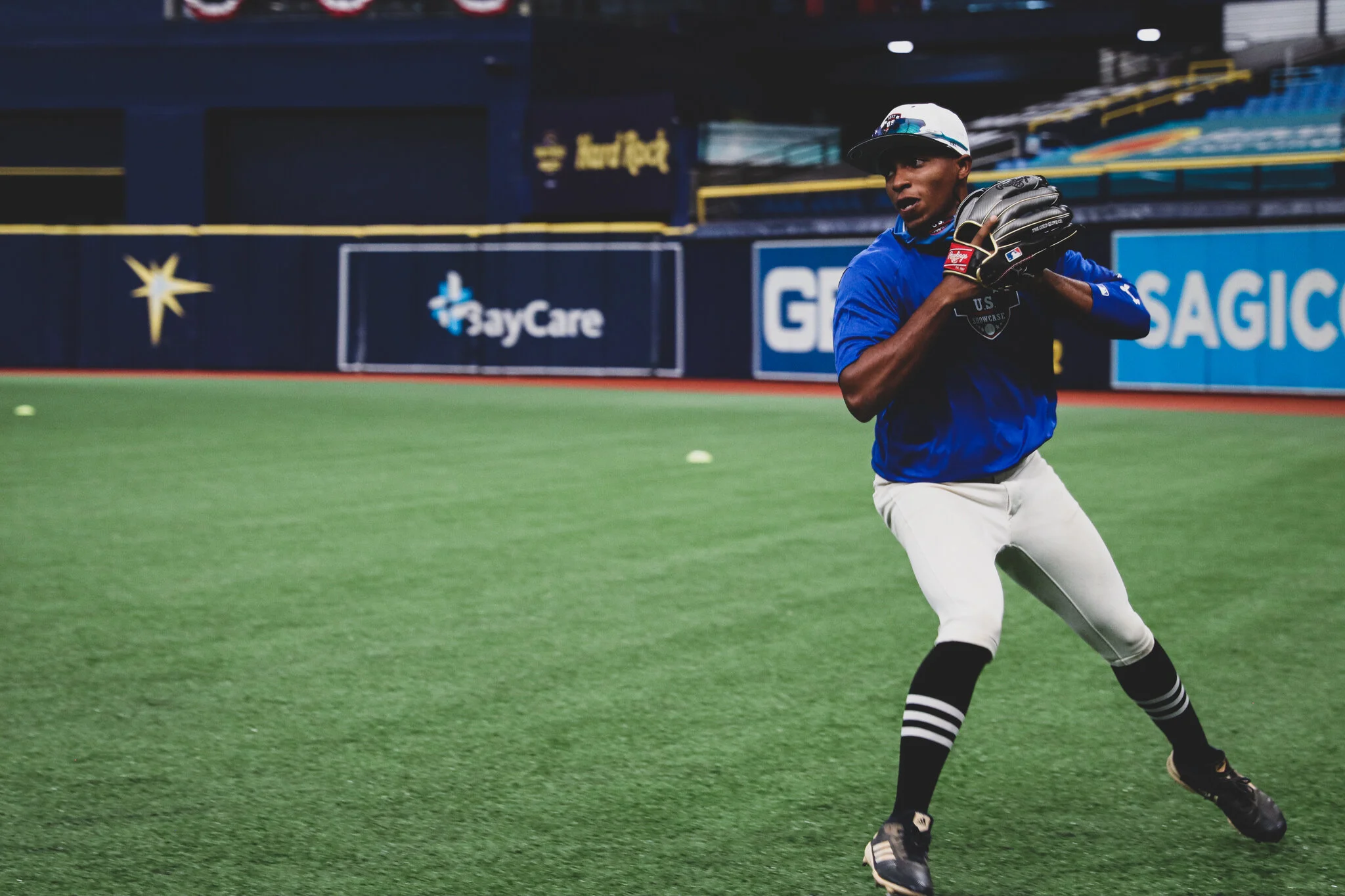
You have probably been told that you need to get on the camp circuit if you want to play college baseball. Your inbox is full of invites, every weekend has a new showcase, and it feels like everyone else is going to events you have never even heard of. Families spend thousands of dollars chasing exposure and still end up without real options.
Used correctly, baseball prospect camps can be one of the fastest ways to get in front of college coaches who actually matter for you. Used blindly, they become an expensive blur of T shirts, short reps, and generic feedback. The goal of this guide is to help you build a camp plan that fits your level, your budget, and your college goals.
If you are already thinking about which events belong on your schedule, you can ask Pathley directly: How many baseball prospect camps should I attend this year for my grad class and position?
In this article, we will walk through what prospect camps really are, what they can and cannot do for your recruiting, how to choose the right ones, and how to turn every appearance into meaningful progress instead of just another camp T shirt.
First, let us clear up language. The baseball world throws around terms like prospect camp, showcase, clinic, team camp, and combine as if they are all the same thing. They are not.
Most college run prospect camps are on campus events where the coaching staff invites or allows high school and transfer players to work out, get measured, and sometimes play in scrimmages in front of them. The stated goal is evaluation. The hidden goal is also revenue, since these camps help many staffs supplement limited recruiting and operating budgets.
Showcases are often run by third party companies. They bring multiple college coaches to one event, run timed and measured drills, and sometimes organize games. Think large scale exposure, less personal interaction with any single program.
Clinics are usually shorter, skill focused sessions. These can be great for specific training, but they are not always built as recruiting events.
Team camps happen when a high school or club team attends together and plays games on a college campus. These can help you get seen, but coaches may be focused more on coaching their own team or running the event than deeply scouting every player.
All of these can help, as long as you understand what the event is really built to do and how it fits into your bigger college baseball plan.
For rules context, the NCAA allows colleges to run camps and clinics with specific limitations on recruiting, discounts, and advertising. You can always review official guidance directly on the NCAA baseball page, and high school athletes can find broader advice on the NFHS college recruiting overview.
This might surprise you. Plenty of college players never went to a single on campus prospect event. Others went to a few highly targeted ones that matched the schools they were already emailing and the levels they could realistically play.
So no, there is no rule that says you must attend a long list of events in order to get recruited. Coaches build their classes using a mix of live events, high school and travel recommendations, video, data, and direct communication from athletes.
Here is the real equation. The more closely an event connects you with the right coaches at the right programs for your ability and grades, the more valuable it is. The more time and money you spend at events where coaches are not recruiting your position, your grad year, or your level of play, the weaker the return.
Before you sign up for any event, zoom out and look at your full recruiting picture. Do you have a strong highlight video that shows your tools in game situations. Are you already emailing coaches with clear subject lines and a clean athletic resume. Are you targeting schools that actually fit your academics and budget, not just a random list of logos.
If you need help with those pieces, start there. For example, Pathley already has a deep guide on building a college recruiting highlight video, and you can use the Athletic Resume Builder to turn your stats and film links into a coach ready profile in minutes.
Once your basic materials are in place, then camps and showcases become multipliers. They give coaches a live look that backs up what you have already sent them, and they give you a real feel for campus, coaching style, and competition level.
If you are not sure how events fit into everything else, try asking Pathley: Where do prospect camps fit into the overall college baseball recruiting timeline for me?
This is where most families go wrong. They sign up for events based on distance, brand name, or which emails show up first. A smarter approach starts with you, not with the camp.
Ask yourself what you want from an event.
• Are you trying to get on one specific coaching staff's radar.
• Do you want to test your measurables against higher level competition.
• Are you exploring whether a division or conference is actually the right fit.
• Do you need honest, in person feedback about where you stand.
If you cannot answer that, you are not ready to click the registration button. A clear goal helps you pick the right event type, the right timing, and the right number of camps for the year.
Going to a high powered Division 1 event might sound exciting, but if your tools are not close to that level yet, it will not move your recruiting. Conversely, if you are already a high end prospect, you should not spend all your time at small events where no one is recruiting at your level.
Use recent measurable data, not just feelings. Pitchers should look at velocity, command, and secondary stuff. Position players should track exit velocity, run times, arm strength, and defensive consistency. Then compare that data to realistic college levels instead of only your dream program.
The Pathley Baseball hub and the College Directory can help you explore different levels and programs so you are not guessing based on brand names alone.
If you want help connecting your current numbers to event choices, try asking: Which specific prospect camps match my current baseball metrics and realistic college levels?
Before you register, read the staff list carefully.
• Who is running the event. Is it the college staff itself, a third party company, or a mix.
• Which colleges are confirmed to attend. Are those schools that make sense for your academics and level.
• Does your position align with what those staffs usually recruit and how they play.
If a camp is advertised by a specific college, that does not guarantee every coach will be able to attend every session. Staff changes, travel issues, and game schedules all affect who is actually on the field that day. That is another reason to treat camps as part of a bigger recruiting process, not your only strategy.
It is easy to think only in baseball terms, but you are not just choosing a team, you are choosing a school and a four year life. If you know you want a certain major, campus size, or region, prioritize camps where the colleges match that vision.
You can use tools like the Pathley Rankings Directory to explore schools by academics and affordability, then layer prospect events on top of a list that already makes sense for your future.
More events does not automatically mean more offers. In fact, over scheduling can leave you tired, overexposed when you are not prepared, and broke.
A better plan might look like this.
• A few targeted on campus events at schools that are already recruiting your type of player.
• One or two well run multi school showcases where you can be seen by many coaches at once.
• Occasional skill focused clinics to work on specific parts of your game between seasons.
The exact mix depends on your age, budget, and level. The key is that every event has a clear purpose and connects to your bigger plan.
Knowing the flow ahead of time makes it much easier to perform well when eyes are on you. While details vary, most events share a similar structure.
Check in usually happens early. You will sign waivers, get a shirt or number, and receive a schedule. This is not the time to be scrambling for a pen or trying new cleats. Show up early, prepared, and calm.
Testing and measurables often come next. You might run a 60 yard dash, take arm strength readings, hit off a tee for exit velocity, or throw bullpens with radar guns and spin tracking. Treat every rep like a game rep. Coaches are not just watching your numbers, they are watching your body language when things go well or badly.
Position work follows. Infielders usually take ground balls at their primary positions. Outfielders take fly balls and throws to bases. Catchers block, receive, and throw. Pitchers throw bullpens or short live sessions.
Game play or scrimmages are where tools translate into baseball skill. Hustle, baseball IQ, communication, and in game competitiveness can separate you even if your measurables are not elite yet.
Many events wrap up with talks from coaches about the recruiting process, academics, and their program. Listen closely. How they talk about their players and culture tells you as much as the drills did.
Knowing this flow lets you plan your nutrition, warm up, and mental approach so you are not surprised by anything on the day.
The athletes who get the most from events usually win before they ever step on the field. They show up informed, prepared, and already on the radar of the coaches they care about.
Well before the event, make sure you have a clean, up to date athletic resume and a highlight video that reflects your current level. You should be able to send a coach a single link that shows your stats, metrics, and best clips without them having to dig.
Pathley can help here. With the Athletic Resume Builder, you can build a coach ready PDF in minutes, then keep updating it as your numbers improve.
Next, contact the coaches who will be at the event. Keep it short, clear, and respectful.
• Subject line with your name, grad year, position, and one key metric.
• Two or three sentences about who you are, where you play, and why their program interests you.
• A link to your resume and video.
• The exact camp date you will attend and a quick thank you.
If you are unsure how to word those messages, you can ask Pathley for help: What should I say in my emails to college coaches before and after a prospect camp?
You cannot control your 60 time on that specific day as much as you think. You can control your effort, your body language, and your attention to detail.
Coaches notice athletes who hustle between stations, listen during instructions, support their teammates, and bounce back quickly from mistakes. That does not require talent. It requires intention.
Have a simple mental routine for each rep. Deep breath, clear focus cue, then attack. If you have a bad rep, reset and move on. One bad throw does not kill your recruiting, but moping around after it might.
The camp is not the end. It is the start of a conversation.
Within a day or two, send short thank you notes to the coaches you spoke with or who run programs that fit you. Reference one specific detail from the day so they know you were engaged, and ask politely for any feedback about your fit or next steps.
As your season continues, keep those coaches updated with meaningful progress. That could include better stats, velocity gains, new video against strong competition, or academic improvements. Smart, spaced out updates show growth without spamming their inboxes.
You can use Pathley to keep track of which schools you have contacted and what responses you received, so you are not guessing about where you stand months later.
One of the biggest stress points around events is cost. Registration fees, travel, hotels, and meals add up fast, especially if you have multiple kids or other sports in the picture.
The answer is not to avoid events entirely. It is to think about return on investment the same way a college coach thinks about scholarships.
Ask questions like these.
• Will this event put me in front of coaches at schools that could actually be on my final college list.
• Is there a more efficient way to be seen by these same staffs, like a multi school showcase or a regional event.
• Am I healthy, in shape, and prepared enough right now to show my best version if I go.
Sometimes the smartest move is to skip a winter camp that you cannot really afford, spend the next few months building strength, skill, and video, and then show up in the summer when you are truly ready.
Remember that non athletic money matters too. Many strong Division 2 and Division 3 programs rely heavily on academic and need based aid. You want to target schools where the full financial picture can make sense, not just the baseball piece.
Traditional recruiting services often push camps and showcases as if more is always better. At Pathley, the focus is on clarity and fit, not volume.
With the Pathley platform, you can chat with an AI assistant that understands college sports, your sport specific metrics, and your goals. Instead of generic advice, you get tailored suggestions that adjust as your situation changes.
Here are a few ways athletes use Pathley around events.
• Exploring which levels and conferences match their current measurables, then identifying programs within those ranges.
• Using the College Fit Snapshot to evaluate specific schools by academics, athletics, and campus life before deciding whether an on campus event is worth the trip.
• Saving potential target schools in the College Directory and tracking communication, visits, and events over time.
• Quickly updating an athletic resume or evaluating new video clips before sending them to coaches they will see at an upcoming event.
If you want help tying all the pieces together, try asking: How can I build a full college baseball plan that connects prospect camps, school research, and coach communication?
Baseball prospect camps are not magic. They are tools. The athletes who benefit most do not just chase invites. They build a clear target school list, prepare their resumes and video, communicate with coaches in advance, and choose events that line up with their academic and athletic reality.
If you are willing to think a step ahead, camps stop being a stressful guessing game and start becoming focused opportunities. You show up knowing who you want to impress, what they value, and how you will follow up after the last pitch is thrown.
Pathley is built to be the assistant every family wishes they had in this process. From sport specific hubs like the Baseball hub, to resume tools, to live chat that answers your questions in real time, it keeps you organized and confident instead of overwhelmed.
Rosters, coaches, and division breakdowns for every NCAA and NAIA program we track.








