Insight
NCAA Recruiting Violations: Real Guide for Athletes & Parents
Learn what counts as NCAA recruiting violations, how they affect eligibility, and what athletes and parents can do to avoid mistakes in the college recruiting process.
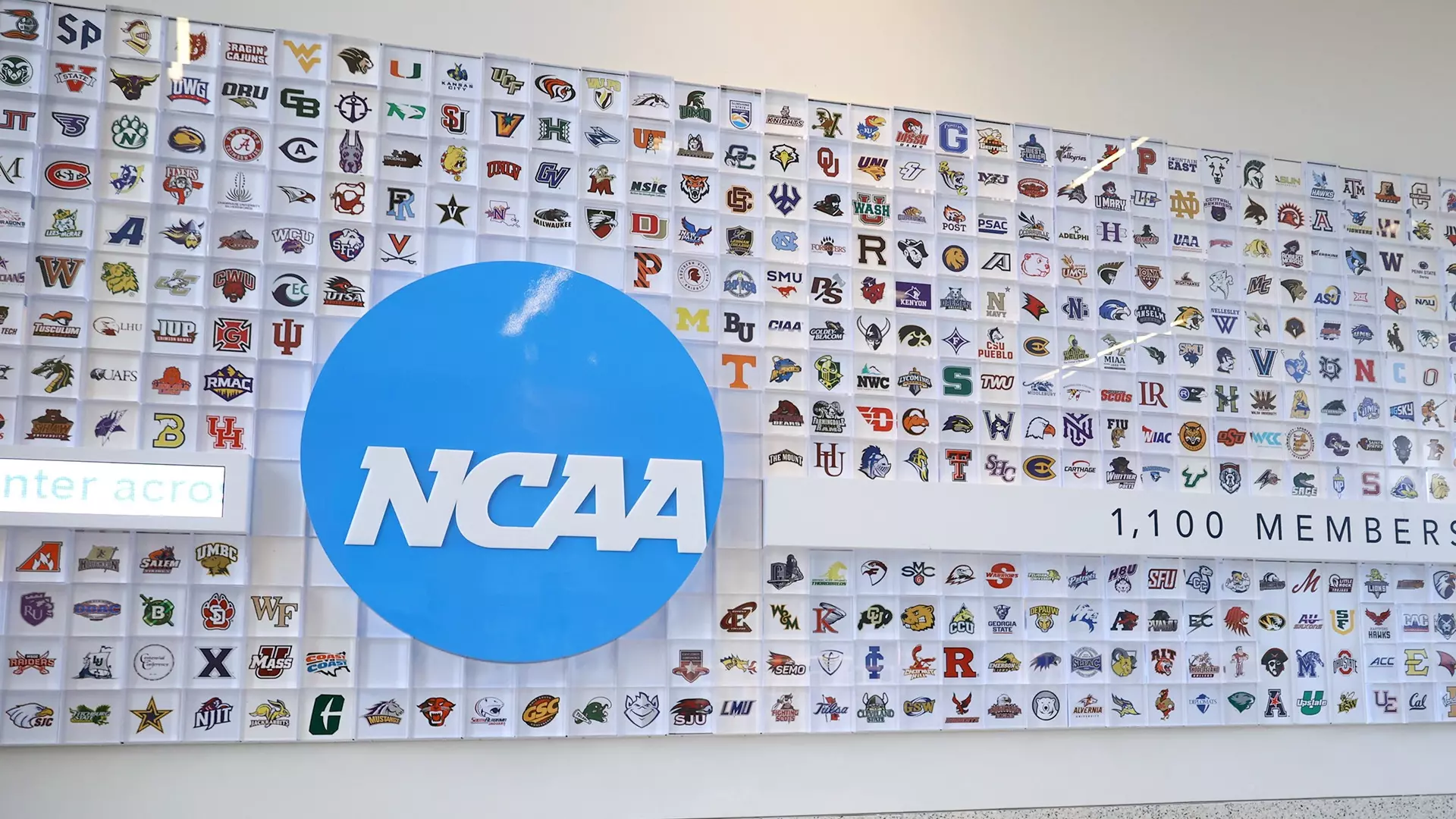
If you follow college sports, you have probably heard about programs getting in trouble for breaking NCAA rules. Scholarships lost. Coaches suspended. Wins vacated. It sounds dramatic, and it is. But in the middle of all that noise, one question usually gets missed.
What does any of this actually mean for you as a recruit and your eligibility?
This guide breaks down NCAA recruiting violations in plain language, from an athlete and family point of view. You will learn what really counts as a violation, how serious different situations are, how they can affect your future, and what smart families do to stay safe while still going hard after opportunities.
If you are just starting and feel lost on the basics, you can ask Pathley directly: How does the NCAA recruiting process really work for my sport and graduation year?
First, it helps to understand why these rules exist at all. According to the NCAA, recruiting rules are designed to create fairness, limit pressure on young athletes, and keep competition between schools under control. You can see that framework in their official NCAA recruiting FAQs.
Without rules, the loudest and richest programs could start recruiting kids in middle school, buy influence with families, and stack talent in ways that destroy competitive balance. The system would reward whoever can push the hardest, not necessarily whoever recruits the best fit student athletes.
So the NCAA sets boundaries on when and how coaches can recruit, and what they are allowed to give you before you enroll. When coaches, boosters, or even athletes cross those lines, that is where recruiting violations show up.
At a basic level, a recruiting violation is any action that breaks NCAA rules around recruiting contact, benefits, or eligibility. Most NCAA recruiting violations fall into a few buckets, and understanding those buckets will make everything else feel less mysterious.
Key areas where violations happen:
• Contacting athletes too early or in restricted periods.
• Giving recruits money, gifts, or other extra benefits.
• Running illegal tryouts, practices, or workouts with prospects.
• Academic or amateurism problems tied to recruiting pressure.
• Not reporting or trying to hide rule-breaking from compliance staff.
On paper, these sound simple. In real life, they show up in gray areas. A coach sends one text too early. A booster casually covers your meal. A camp director quietly lets a college coach run your workout. None of those feel like a scandal in the moment, but they can still be violations.
Every sport and division has specific rules for when a college coach can send recruiting messages, make phone calls, or meet off campus. These dates are spelled out in the NCAA recruiting calendars for each sport, which you can find through the NCAA site at the recruiting section.
Some examples of potential recruiting violations around contact:
• A Division 1 coach sends you direct messages as a freshman or early sophomore when that contact is not yet allowed.
• A coach keeps up regular recruiting calls during a dead period, when no recruiting contacts should be happening.
• A staff member uses a private social media account or a personal email to recruit you in a way they do not log with compliance.
Most of the time, the responsibility here is on the college program, not you. But being aware of the rules keeps you from being surprised if a school has to pause contact or if compliance steps in after a coach goes too far.
If you are not sure what is currently allowed in your sport, you can check out Pathley’s deeper breakdown of contact rules in our NCAA recruiting rules guide.
Another big category of recruiting violations involves extra benefits, basically anything of value you get because a school is recruiting you.
Examples of benefits that can cross the line:
• A booster buys your family dinner and calls it part of recruiting.
• A coach offers to pay for your unofficial visit travel costs when that is not allowed.
• A staff member arranges free gear, discount training, or a job that pays far above normal market value.
Schools are allowed to do certain things, especially on official visits, but there are clear limits. When people start saying things like “do not mention this to compliance” or “let us just keep this between us,” that is usually a sign they are creeping toward violations of NCAA rules.
Many sports have strict rules on what kind of on field or on court activity can happen with recruits. In some divisions, coaches cannot run private tryouts. In others, they have tight restrictions on how long they can work with a prospect in a given setting.
Possible issues here include:
• A coach running a private workout with you on campus that looks exactly like a practice with the team.
• A camp that is supposed to be open to anyone, but is quietly used as an unofficial private tryout for a handful of recruits.
• A strength coach giving you a full college level lifting plan and asking you to send videos back for review as if you are already on the team.
Again, the school is the one with the most risk, but if a visit or camp feels way too much like joining the team early, it is worth asking questions.
Some of the most serious issues sit at the intersection of recruiting, academics, and amateurism. The NCAA has detailed academic and eligibility standards for incoming student athletes, documented in their initial eligibility resources.
Red flag situations include:
• Someone offering to “fix” your transcript or push a grade change to get you qualified.
• Pressure to take a specific class online that is not from an approved school so it looks better on your record.
• A coach or third party encouraging you to accept money for playing in a way that threatens your amateur status.
These situations are rare but high stakes. A school can survive a minor contact violation. Academic fraud or pay for play situations can wreck both the program and your eligibility.
If you want more big picture context from the high school side, the National Federation of State High School Associations has a helpful overview in its article on the college recruiting process.
Not every rule break is treated the same. The NCAA has an enforcement system that classifies cases based on severity. The details can get technical, but for recruits and parents you can think about it in a simple way.
Lower level issues are often technical mistakes or one off timing errors. A coach sends a text one day too early. A flyer uses the wrong wording for a camp. These are usually corrected by the school, reported to the NCAA, and handled with minor penalties.
Mid level issues might involve repeated early contact, benefits that are not huge but still not allowed, or sloppy oversight around camps and visits. These can lead to recruiting restrictions, fewer scholarships for a period, or other consequences for the program.
High level violations are serious cases involving big money, systematic cheating, academic fraud, or deliberate hiding of problems. These can lead to postseason bans, major scholarship losses, staff suspensions, and more.
Some NCAA recruiting violations barely show up on the scoreboard, and others reset an entire program for years. Understanding that range should calm some fear. Not every small misstep ends your chances, but you also cannot assume everything is “no big deal.”
This is what athletes really want to know. If a coach does something they should not, does that ruin your eligibility forever?
In many cases, the answer is no. The NCAA’s enforcement model focuses on holding schools and staff responsible. If a coach accidentally texts you too early, they will likely self report, maybe stop contact for a while, and take a small penalty. You do not usually get punished for something you did not control.
That said, there are situations where your own choices matter a lot:
• Accepting money, gifts, or benefits you know are not allowed.
• Participating in academic dishonesty around grades or test scores.
• Agreeing to hide information from compliance or investigators.
Those decisions can absolutely impact your eligibility. Even if the school gets hit harder, you could lose the opportunity to compete at that level.
If you are unsure whether something you are being offered is allowed, it is smart to pause and get clarity. You can have Pathley talk it through with you in real time by asking: What are the most common recruiting mistakes athletes make that could turn into NCAA violations?
You cannot control everything a college program does, but you can control how informed and intentional you are. Here is how smart athletes and parents lower their risk without slowing down their recruiting momentum.
Most families never actually read the rules. They rely on rumors, social media threads, or what one club coach said three years ago. That is not a great plan.
Better approach:
• Look up the current recruiting calendar and contact rules for your sport and division.
• Read a plain language breakdown, like Pathley’s NCAA recruiting rules explained blog.
• Ask coaches direct questions when you are not sure what is allowed.
You do not need to memorize rulebook citations, but you should know the big picture: when contact can start, what an official versus unofficial visit is, and what types of benefits are clearly not allowed.
Secrecy is a common ingredient in bad situations. If a coach insists that you use only disappearing messages, hidden accounts, or “off the record” calls, that should give you pause.
Safer habits include:
• Using email and normal text when possible so messages can be saved.
• Looping your parents, club coach, or high school coach into key conversations.
• Being honest about what other schools are doing, instead of hiding it because it feels awkward.
When people know there is a record of what is being said, they tend to follow rules more closely.
This is where pressure can sneak in. A little help here, a small favor there, nothing that looks terrible on its own. Then it adds up.
If something feels like special treatment tied directly to recruiting, it is worth questioning:
• Free gear not connected to a camp or permissible promotional event.
• Cash offers, even if described as “help” or “family support.”
• Rides, meals, or housing paid for by someone connected to a program outside of a clearly defined visit.
When in doubt, ask the coach to put the arrangement in writing and confirm it with their compliance office. If they hesitate, that tells you a lot.
Academic and amateurism problems tend to show up late in the process and create maximum stress. A smarter plan is to treat eligibility as part of your recruiting strategy, not a separate thing.
That means:
• Making sure your core courses and GPA are tracking toward NCAA standards starting in 9th or 10th grade.
• Being careful with any team or event that pays you, covers unusual expenses, or uses your name and image commercially.
• Keeping clear records of your competition history, club teams, and any prize money you receive.
If you want a simple way to sanity check where you stand, you can explore questions other families have already asked in the Pathley Family Recruiting Q&A and see how different eligibility situations play out.
You cannot label every gray area as a violation on sight, but some patterns deserve serious attention. If you start seeing these, it is time to slow down and ask questions.
• A coach or staff member tells you not to talk with compliance or your guidance counselor about something they just offered.
• Someone connected to a program pushes you toward a specific prep school, class, or testing situation that feels more about eligibility than education.
• A third party offers to “package” you for schools in a way that seems to include hidden payments or side deals.
• People use phrases like “everyone does this” or “the NCAA will never find out” instead of explaining how something is actually allowed.
None of these automatically mean disaster, but they are clear signs that the adults involved are comfortable operating near or over the line.
Let us say your gut tells you something crossed the line. Maybe a coach slipped you cash for travel. Maybe a booster paid for a fancy dinner and joked about not telling anyone. Or maybe you only realized weeks later that a long call happened during a dead period.
Here is a calm way to respond.
Write down what happened. As soon as you can, jot down dates, names, what was said, and who was there. If you have texts or emails, save screenshots in a folder. Do not edit or delete messages to “clean things up.” Having an accurate record is much better than having no record at all.
Talk with someone on your side. This could be a parent, your high school coach, a trusted club coach, or guidance counselor. Explain exactly what happened without trying to make it sound better or worse.
Ask the college program to loop in compliance. Every school has a compliance office whose entire job is to keep the program inside the rules. If a coach is reluctant to involve them, that is a problem. If they are willing to self report and fix the issue, that is usually the best path forward.
Reach out to another school if needed. If you lose trust in one staff, it is okay to step back. One program pushing the limits does not mean all of your options are ruined.
If you are in this situation and need help sorting through what is smart and realistic, you can ask Pathley directly: What should my family do if we think a college coach just broke an NCAA recruiting rule?
The tough part about NCAA rules is that they are not static. Calendars change. Waivers appear. Interpretations get updated. Most families do not have time to read every NCAA memo or chase rumors on social media.
That is exactly why Pathley exists. We built an AI powered recruiting guide that understands sports, divisions, timelines, and rules, and turns them into clear next steps for you.
With Pathley, you can:
• Ask sport specific questions about contact dates, visits, and rules without waiting days for a reply.
• Get help drafting appropriate messages to coaches that keep you inside compliance lines.
• Understand how your academics, test scores, and resume fit different levels before you invest in camps or visits.
• See how other families handled similar rule questions through the Family Recruiting Q&A.
If you want the full story on how Pathley fits into your recruiting plan, you can learn more in our overview, What is Pathley?
Any time you feel that gray area creeping in, you can ask something as simple as: Can you explain which recruiting rules matter most for my sport right now so I avoid violations?
Understanding NCAA recruiting violations is not about scaring you away from the process. It is about giving you enough clarity that you are not paralyzed by what you do not know.
When you know the basic rules, recognize the main red flags, and have a trusted place to ask questions, the noise dies down. You can focus on what actually moves your recruiting forward: getting better at your sport, building a strong academic record, creating a sharp recruiting profile, and communicating with coaches in the right way.
Pathley is built to be that trusted place. It sits in your pocket as an always on recruiting assistant, ready to explain a rule, sanity check a coach message, or help you choose which opportunities are worth chasing next.
When you are ready to get specific about your journey, you can ask Pathley: Can you map out my next three recruiting steps so I avoid violations and stay eligible?
The rules are not here to stop you. With the right information and a smart plan, they become just another part of your path to the right college team.
Rosters, coaches, and division breakdowns for every NCAA and NAIA program we track.








