Pathley News
Volleyball Recruiting Standards: What Numbers You Really Need
Learn what college volleyball coaches expect for height, reach, and stats at each level. A modern guide to volleyball recruiting standards with clear strategy.
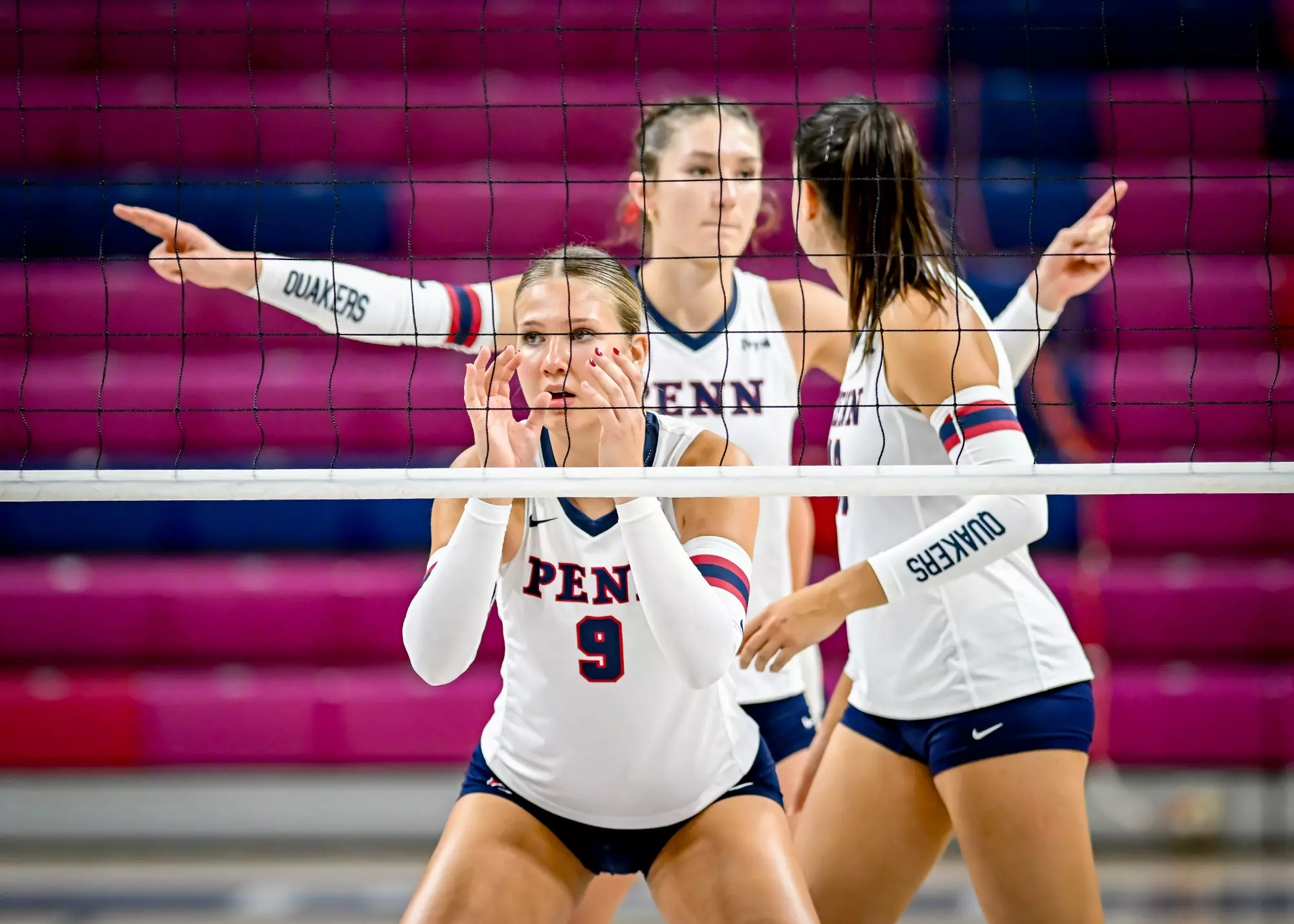
If you play club or high school volleyball, you have probably seen charts online telling you the exact height, vertical, and stats you need for each division. One site says you must touch 9 feet 10 inches to play outside hitter in Division 1. Another says 9 feet 4 inches is enough. Meanwhile your coach tells you not to worry about numbers at all.
No wonder families are confused. You know you need to hit certain benchmarks to get recruited, but you cannot tell which ones matter, how strict they are, or what to do if you are not there yet.
This guide breaks down how college coaches actually use volleyball recruiting standards, what metrics they care about by position and level, and how you can build a smart plan even if you are not the tallest athlete in the gym.
If you want to personalize what you read here, you can literally ask Pathley your own question in seconds. For example, you might start with What volleyball recruiting standards should I focus on most for my position and graduation year?
First, forget the idea that there is one universal chart that applies to every college. Recruiting is not like qualifying for a national meet where the standard is printed on a wall and everyone chases the same number.
Every program builds its own version of standards based on its system, conference, and roster needs. A top 25 Division 1 program that runs a super fast tempo in the Big Ten is going to have different expectations than a rebuilding program in a mid-major conference, even though they are both Division 1.
When coaches talk about standards, they are usually thinking in three buckets.
• Baseline measurables. Height, reach, approach touch, block touch, quickness, and strength. These tell coaches whether you can physically keep up with their current roster and conference opponents.
• Position specific skills. Serve receive, setting tempo and decisions, blocking reads, defensive range, ball control, and serving pressure. These separate good athletes from players who can actually run their system.
• Intangibles and context. Competitiveness, coachability, how you respond to mistakes, academic profile, and the level of your club and high school competition.
The online charts you see mostly focus on that first bucket. They can be helpful, but they are not the whole story, and they often ignore just how different programs are across divisions and even within the same conference.
According to participation data from the NCAA, only a small percentage of high school volleyball players end up on a college roster. That alone tells you that numbers will be tight at the top, but it does not mean you are out just because you do not match a single chart you saw on social media.
Here are a few reasons those charts can lead you in the wrong direction.
• They usually blend very different programs together. A single line for Division 1 outside hitter might combine perennial Final Four teams and schools that rarely make the NCAA tournament.
• They rarely mention system or style of play. Some coaches will take a slightly shorter pin hitter with elite ball control and high volleyball IQ over a taller but raw athlete.
• They sometimes use outdated or cherry picked data. Standards for women’s volleyball in particular have steadily crept up as training, strength, and tactics have evolved.
• They ignore fit and opportunity. For some athletes, a strong Division 2 or NAIA program is a far better fit athletically, academically, and financially than the bottom of a Division 1 roster.
If you treat a random chart as the absolute truth, you might give up on great options that fit you, or wait to contact coaches until it is too late.
Even though context matters, coaches are still very focused on measurable tools. They need to know whether you can physically compete in their conference. Here are the big metrics that usually sit at the top of their notes.
Height is not everything, but it is not nothing either. At higher levels, most rosters are getting taller over time, especially on the pins and in the middle.
• Middles and right sides tend to be the tallest players on the floor. Many high end Division 1 middles are 6 feet 2 inches or taller, but strong programs at every level also have successful middles below that who move very well and have big arms.
• Outside hitters are trending taller, but coaches will take slightly shorter outsides who pass nails, score in tough situations, and bring real fire to the floor.
• Libero and defensive specialist roles are the most flexible on height. At almost every level you will find liberos who range from barely over 5 feet to around 5 feet 9 inches. Quickness, reading, and passing consistency matter more.
Frame matters too. Coaches think about how your body will develop with a college strength program. A 5 foot 10 inch outside hitter with long arms and room to add strength might project better than a current 6 footer who is already near their physical ceiling.
If there is one set of numbers volleyball coaches obsess over, it is reach, approach touch, and block touch. These tell them how high you can contact the ball on attack and block, which is critical in a sport where the net is fixed and the game is getting faster and more physical.
• Standing reach is how high you can touch with your feet flat and arms extended.
• Approach touch is your max touch height when you take your full approach and jump your hardest.
• Block touch is your vertical jump while mimicking a block, usually without a running start.
At higher levels, coaches are looking for players whose reach and jump let them attack above or at least at the level of the block, not into it. But they also know technique matters. A player with a slightly lower touch but a fast arm, great vision, and the ability to tool the block can score just as effectively.
Pure vertical is only half the story. Coaches are watching:
• How fast the ball comes off your hand.
• Whether you can hit sharp angles and high hands, not just swing straight down the line of your approach.
• How often you get blocked clean versus recycling the ball off the block or tipping with purpose.
On the first contact side of the game, they care deeply about ball control. If you are a pin hitter, your ability to pass in serve receive might decide your level far more than your touch chart will.
Let us zoom into how coaches might think for each position. These are general tendencies, not hard cutoffs.
Outside hitters and opposites
• Height and approach touch that let you score against big blocks.
• Ability to hit high, fast tempo balls and score out of system.
• For outsides specifically, consistent serve receive and strong back row play.
Middles
• Quick feet and lateral speed to close blocks.
• Eye work, reading the setter, and timing.
• Efficient attacking on quick sets, along with a strong serve and ability to stay involved when out of system.
Setters
• Lateral quickness and fast feet to get to bad passes.
• Consistent, repeatable release and the ability to run different tempos.
• Decision making and leadership, plus enough size and jump to block and be a threat as a second contact attacker at higher levels.
Liberos and defensive specialists
• Elite reading and first step quickness.
• High serve receive percentage and the ability to pass different types of serves.
• Aggressive, consistent serving and communication that organizes the entire backcourt.
If you are wondering how your numbers compare for your exact role, it might help to ask something like What are realistic approach touch and block touch goals for a college level outside hitter? Then you can see what those targets look like for different levels of play.
Level labels can be confusing. Many athletes think Division 1 is automatically better than everything else. The reality is way more nuanced.
The NFHS and NCAA both emphasize that there are excellent athletic and academic options at every level. There are strong Division 2 and Division 3 programs that would beat plenty of lower end Division 1 teams. The same is true for top NAIA and premier junior college programs.
Here is how coaches usually think about physical standards from level to level, even though individual programs will vary.
Top tier Division 1
• Some of the highest physical standards in the sport, especially on height, reach, and jump for front row players.
• Most hitters are explosive and long, with approach touches that sit at or above the top of the tape.
• Liberos and defenders may not be tall, but they are very quick, read hitters early, and control the ball at an elite level.
Mid major and lower end Division 1
• Still very strong physical benchmarks, often just a small step below top 25 programs.
• More room for slightly undersized but highly skilled players, especially on the pins and at libero.
• Academics and scholarship money, especially outside of full rides, become very important in building a realistic school list.
Division 2
• A wide range of standards. Top D2 programs can look very similar physically to mid major D1 teams.
• More rosters will carry a mix of taller, more physical players and slightly smaller athletes who bring great ball control or leadership.
• For many athletes, D2 is where their physical measurables line up best with meaningful playing time and a strong academic fit.
Division 3
• No athletic scholarships, but plenty of high academic and high level volleyball opportunities.
• Standards can range from nearly D1 level top programs to very developmental teams where late bloomers can shine.
• Coaches may be slightly more flexible on height and jump if you bring strong skills, leadership, and academic strength.
NAIA
• Many NAIA programs compete head to head with D2 and lower D1 teams in non conference play.
• Physical standards depend heavily on conference and geography. Some leagues are very physical and tall, others lean a bit smaller and faster.
• NAIA academic and eligibility rules are different from the NCAA, so this level can be a great fit for certain academic or transfer situations. You can learn more about that on the NAIA site.
Junior college (JUCO)
• Some junior colleges serve as launch pads to four year programs, including Division 1. Those teams often have high physical standards and very competitive rosters.
• Others are more developmental and open to athletes who are still growing, changing positions, or catching up academically.
If you want a clearer, sport specific breakdown, a good question to ask is How do volleyball recruiting standards change between Division 1, Division 2, Division 3, NAIA, and JUCO? Pathley can walk you through differences for your position and target grad year.
The biggest trap in recruiting is guessing where you fit. Some athletes dramatically overestimate their level because they only compare their numbers to local competition. Others underestimate themselves because they fixate on one national powerhouse roster.
Here is a simple way to evaluate yourself against realistic college expectations without panicking or selling yourself short.
Get accurate, repeatable measurables
• Measure your height without shoes, your standing reach, approach touch, and block touch under the same conditions every time.
• Have a coach or trainer verify them. Do not round up. College coaches will measure you at camp or on a visit.
• Track basic stats over a full club season or high school season. Hitting percentage, passing ratings, digs per set, blocks per set, and aces versus service errors.
Record and organize your numbers
• Put all of your measurables and stats in one place so you can update them over time.
• Include context like club team, level of competition, and your role on the team.
If you want an easy place to store this, use Pathley’s Athletic Resume Builder to turn your numbers, video links, and honors into a clean, coach ready page in a few minutes.
Compare yourself to actual rosters, not just generic charts
• Look up rosters at schools you like. Many list height and sometimes position specific notes.
• Watch match film from your target conferences and notice how players in your position move, jump, and play.
• Pay attention to the range. Most teams carry some players who are above and below the average standard for that program.
With Pathley’s College Directory and College Fit Snapshot, you can go a step further by seeing how your academics and athletic profile line up with specific schools, not just levels.
Coaches recruit players, not spreadsheets. Video and live evaluation let them see things that do not show up in a vertical jump test.
Here is what they are watching when they pull up your film.
• How you move between plays, not just during the highlight swing.
• Whether you hustle, celebrate teammates, and respond after mistakes.
• Your volleyball IQ. For hitters, do you tool the block, hit smart shots, and attack seams. For defenders, do you read hitters and servers early.
• Whether your game is likely to translate up a level with more strength and better training.
If your numbers are a bit below the average for your dream level, the right video and a smart recruiting strategy can still open doors. You might target slightly different conferences, emphasize your strengths in your highlight, and be proactive about camps and showcases that fit your level.
And if you are not sure how coaches might read your film, you could start a conversation like Based on my stats, video, and academics, what level of college volleyball is the best fit for me? Then tweak your plan as you learn more.
You can save yourself a lot of stress by avoiding a few patterns that derail recruiting plans.
• Treating one chart like the law. Standards are guidelines, not automatic accept or reject buttons.
• Waiting to contact coaches until your numbers feel perfect. Most college coaches want to build relationships early and follow your development over multiple seasons.
• Fudging or exaggerating measurables. It might get you an email reply, but it will destroy trust when a coach measures you in person.
• Ignoring academics. Your GPA, test scores where required, and course rigor are part of your overall standard too. If you are strong academically, that can open doors even if your height or touch is a bit below average for some levels.
• Chasing the logo, not the fit. Ending up as the twelfth option on a roster at the wrong school is a much bigger problem than attending a slightly less famous program where you will actually play, grow, and enjoy your four years.
You should not have to guess your way through recruiting, or spend nights scrolling through conflicting charts and old message board threads.
Pathley is built to be the modern, athlete first guide for the entire process. For volleyball players, that looks like:
• A dedicated Volleyball Pathley Hub where you can explore colleges that sponsor your sport, see how they stack up, and find events that match your level.
• Smart tools like the Athletic Resume Builder and College Fit Snapshot that turn your raw stats and measurables into a clear, college ready story.
• The Pathley College Directory and rankings that help you discover schools you have never heard of but might be perfect for your major, budget, and level of play.
• An AI chat that speaks recruiting in your language, available 24/7 for specific questions about your sport, division, and goals. You can ask anything from how you should update coaches after your tournament this weekend to detailed questions about your own numbers.
If you are still thinking that you understand the big picture but are not sure what to do first, try asking Based on my current volleyball stats and grad year, what are my next three recruiting steps? and let the system walk you through actions that actually move your process forward.
You do not need to be perfect to get recruited. You do need to be honest about where you are, committed to improving the right metrics, and strategic about which programs you pursue.
Use standards as a flashlight, not a prison. Let them show you what top athletes at your position and level look like, then build a plan to close the gap in the areas that matter most for you.
Rosters, coaches, and division breakdowns for every NCAA and NAIA program we track.