Pathley News
Track and Field Recruiting Process: 2026 Guide for College Recruits
Learn how the track and field recruiting process really works in 2026. Timelines, what coaches want, scholarships, outreach, and smart tools to build your plan.
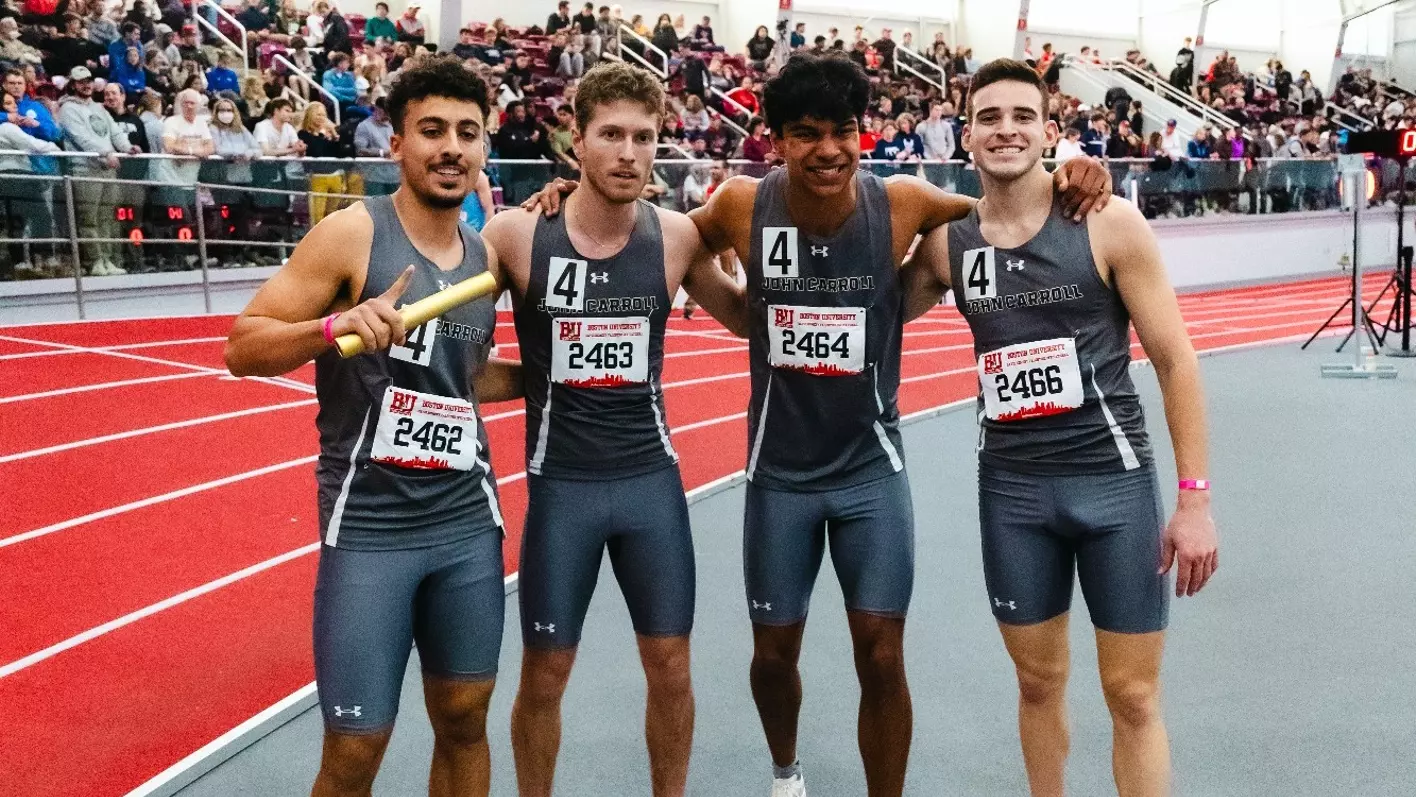
If you are a sprinter, distance runner, jumper, vaulter, or thrower trying to figure out the track and field recruiting process, you are not alone. Rules change, every coach seems to say something different, and it can feel like there is only one shot to get this right.
On top of that, your sport is brutally clear. Your times and marks are what they are, sitting on a results sheet for any coach to see. That clarity is powerful, but it can also be intimidating if you do not understand how college coaches actually use those numbers inside their recruiting plans.
This guide breaks down how college track recruiting really works, what matters most to coaches, and how to turn your PRs and grades into a real strategy instead of guesswork.
We will also show how tools like Pathley can simplify the maze so you are not trying to track rules, emails, and target schools on a random notes app between practice and homework.
Track and field recruiting has some built in chaos. You are dealing with multiple seasons per year, different event groups, and in many cases cross country on top of track. Coaches are watching you improve in real time, sometimes across three different sports seasons.
At the college level, track and cross country are often linked. Scholarship money and roster spots are managed across fall cross country, indoor track, and outdoor track. That means a distance runner might be evaluated as a 3 season athlete, while a thrower is seen differently. The same staff is juggling dozens of recruits and multiple event groups at once.
On top of that, rules differ across levels. NCAA Division I, II, III, NAIA, and junior colleges all have different scholarship limits, contact rules, and academic standards. The NCAA publishes official recruiting information for future student athletes on its recruiting overview page, and also in the detailed Guide for the College Bound Student Athlete.
Those resources are important, but they are written in rulebook language. Families need something different: a clear walkthrough of how the track and field recruiting process actually plays out and what they should do next.
Before you worry about small details, zoom out and understand the big picture. At a high level, the track and field recruiting process follows the same pattern almost everywhere, whether you are aiming for NCAA Division I or a smaller NAIA program.
• Coaches figure out how many roster spots and scholarship dollars they have in each recruiting class.
• They identify event group needs: sprints, hurdles, jumps, throws, distance, pole vault, multi events, and so on.
• They collect names and data on potential recruits through online results, recruiting questionnaires, camps, emails, and referrals.
• They compare your times and marks to their current roster and to conference or national level standards.
• They track your academic profile to make sure you can be admitted and stay eligible.
• They communicate with a smaller and smaller group of priority recruits until offers, walk on spots, and final roster decisions are made.
In other words, your recruiting story is built around three pillars.
• Performance: PRs, consistency, progression, and how you show up in big meets.
• Academics: GPA, test scores if required, and how you fit with the school academically.
• Fit: Does your event group match their needs, and do you fit the culture, location, and budget of the program.
Pathley was built to make those three pillars easier to manage. Instead of guessing which schools match your times and grades, you can explore programs through the Pathley Track and Field Hub and get an instant sense of where you might realistically fit.
Your exact path will depend on when you start, how fast you are improving, and which level you are targeting. But there is a general rhythm to the track and field recruiting process that you can follow and adapt.
In your first couple of years of high school, your main job is to build the engine. You do not need a perfect recruiting plan yet, but you should start collecting information and habits that will make your life easier later.
• Train consistently and take care of your body. The fastest way to ruin a recruiting plan is being injured every season.
• Commit to solid academic habits from day one. A weak GPA will close doors later, even if your PRs look great.
• Learn the basics of your events: technique, strength work, race tactics, and how to warm up like a college athlete.
• Start tracking your times and marks in one place so you are not trying to remember them junior year.
You do not need to email dozens of coaches yet, but it is smart to start learning the landscape and seeing what times it usually takes to compete at different levels. Pathley can break this down for you sport by sport so you are not guessing from random message board posts.
This is when you should start to treat recruiting like a real project, especially if you are aiming for Division I or strong Division II programs.
• Keep improving your PRs, but also pay attention to consistency. One outlier race is great, but coaches love athletes who deliver every weekend.
• Take the most challenging classes you can handle and protect your GPA.
• Start a simple athletic resume that lists your PRs, major meets, academic honors, and basic contact info.
• Begin building a rough list of schools that interest you based on academics, level, location, and size.
Instead of trying to format everything in a document from scratch, you can feed your stats into the Pathley Athletic Resume Builder and turn them into a coach ready PDF in a couple of minutes.
Given my PRs and GPA, what college track and field level should I realistically target?
For most athletes, junior year is the center of the storm. Contact rules typically allow more direct communication during this period, and many track and field programs make key decisions based on your junior outdoor season and the following summer.
This is when you should shift from passive to active.
• Refine your target list into realistic, reach, and safety schools based on both athletics and academics.
• Start emailing coaches at schools that fit, sharing your updated resume, schedule, and a short introduction.
• Fill out each program's online recruiting questionnaire so you are in their database.
• Be ready to send updated PRs and key performances quickly after big meets.
• If you attend camps or clinics, make sure they are connected to schools or conferences that actually fit your profile.
Junior year is also a good time to run fit checks on specific colleges. A tool like Pathley's College Fit Snapshot can show you how you align with a particular school across academics, athletics, and campus life so you are not basing everything on one campus tour or a nice locker room.
By senior year, the track and field recruiting process shifts from discovery to decision. Some athletes will commit early, others will finalize plans deep into senior track season, and some will use a gap year or junior college route to keep developing.
During this phase, focus on three things.
• Keep performing. Coaches pay attention to whether you plateau, regress, or keep improving as a senior.
• Communicate clearly. Respond to coach messages, share your schedule, and be honest about your timeline and other options.
• Take care of the academic and financial details: applications, scholarships, need based aid, and housing.
If you feel behind as a senior, it is not over. There are late roster moves every year, and there are always programs at different levels still looking for the right fit. The key is to be realistic about level, move quickly, and present yourself professionally.
Every program has its own style, but there are patterns in what college track and field coaches value. Understanding these can help you tell your story in a way that lands.
Times and marks in context
Coaches do not just read your PRs, they compare them to three main things.
• Their current roster and recent graduates.
• Conference scoring standards and national qualifying marks.
• Your progression over the last couple of seasons.
A slightly slower athlete with a clear upward trajectory can be more attractive than someone with one big PR that has not been matched in a year. Show coaches both your best marks and your consistency through a season.
Championship performances
Coaches care about how you compete when it matters. Performances at district, regional, and state meets, or major invitational meets, often carry more weight than random time trial PRs.
Training habits and coachability
College track is a grind. Coaches want athletes who show up every day, handle volume, and respond well to feedback. If your high school or club coach can speak highly about your work ethic, that is a huge plus.
Academic reliability
The NCAA has progress toward degree and eligibility rules that require athletes to be moving toward graduation, not just competing. That is why coaches pay close attention to report cards and test scores, and why they like recruits who already treat school as a priority.
You do not need to be a national champion to get recruited, but you do need to be visible and intentional. Here are practical ways to put yourself in front of the right programs without feeling spammy.
Build a clean, simple online presence
Coaches want to find your information fast. That means a concise athletic resume, a link to reliable results, and if possible, basic training or race video for technical events. Avoid clutter, filters, and hype. Let your performance speak clearly.
Send targeted, personal emails
Instead of blasting a generic email to 200 schools, focus on programs that fit you. A good first message includes who you are, where you are from, your event group, key PRs, academic info, and why you are interested in that specific school.
Coaches can tell immediately if you copied and pasted the same message and just changed the school name. Investing an extra minute or two per email is worth it.
Use questionnaires and camps wisely
Most college programs have an online recruiting questionnaire. Fill it out completely and accurately, then follow up with an email so the staff can connect the dots. Camps and clinics can be valuable, but only if they are connected to schools or regions that actually match your long term goals.
Control what you can control
You cannot force a coach to reply. You can control your training, your academics, how clearly you communicate, and how well you stack the deck by targeting the right set of schools in the first place.
That is where a smarter search tool matters. With Pathley's College Directory, you can explore schools by size, location, and level, then let AI help you narrow that universe into a reachable list based on your actual profile.
One of the biggest myths in the track and field recruiting process is that every good athlete gets a full ride. In reality, track is an equivalency sport at most levels, which means coaches are allowed to split scholarship money across multiple athletes.
At the NCAA Division I level, track and cross country programs have a limited number of full scholarship equivalents for the entire roster, which they often divide among many athletes. Division II programs also have scholarship caps. Division III schools do not offer athletic scholarships, but they can combine strong academic aid and need based aid with a walk on or recruited roster spot.
NAIA and junior college programs have their own limits and scholarship philosophies. Some may have fewer scholarship dollars but lower overall cost, which can be just as good or better than a partial athletic scholarship at a more expensive school.
Instead of chasing a specific scholarship label, focus on the net cost of attendance and the total package: athletic money, academic scholarships, and need based aid. The right situation is the one that lets you graduate without crushing debt while competing at a level that pushes you and keeps you healthy.
Plenty of talented athletes miss out on good opportunities, not because they are too slow, but because they mismanaged the process. Here are some of the most common issues coaches quietly talk about.
• Waiting until late junior year or senior year to start, then trying to rush everything at once.
• Only chasing big name Division I programs and ignoring strong Division II, III, NAIA, or junior college options.
• Overstating PRs or failing to share reliable links to verified results.
• Sending one email and assuming a coach is not interested if there is no immediate reply.
• Ignoring academic fit and then being surprised when admissions or eligibility becomes a problem.
• Letting parents do all the talking instead of learning to communicate directly with coaches.
Most of these are avoidable if you zoom out, start a bit earlier, and treat the process like a season long competition instead of a last minute sprint.
You do not need to hire an expensive traditional recruiting service to navigate college track and field. What you do need is clear information, an honest view of your competitiveness, and tools that save you time instead of adding more chaos.
Pathley was built for that. Instead of static profiles and generic advice, you get a modern, AI powered guide that moves with you as you PR, change events, or update your academic goals.
Here is how athletes use Pathley alongside their training and school work.
• Explore the sport specific landscape from the Pathley Track and Field Hub so you can see the types of colleges that match your events and goals.
• Build and update an athletic resume in minutes, then share it with coaches without worrying about formatting every time you drop a new PR.
• Run quick college fit snapshots on schools that show interest, so you know whether to invest more energy in that option.
• Get real time answers to nuance questions about rules, timelines, and strategy without spending hours on message boards.
Can you help me build a target list of track and field programs that fit my times and academics?
The track and field recruiting process does not have to be mysterious. If you understand the big picture and take small, consistent actions, you can build real momentum, even if you are not a national level recruit.
• Know where you stand today. Be honest about your PRs, your GPA, and your recent progression.
• Learn how different college levels match up with that profile and where there is realistic upside.
• Build a focused list of programs that fit you athletically, academically, and financially.
• Communicate clearly with coaches, keep them updated, and show them you are serious about both school and sport.
The key is to stop operating on random tips and start working from a plan that is specific to you. That is exactly what Pathley is designed to do for track and field athletes and their families.
How should I adjust my track and field recruiting plan based on my current PRs and graduation year?
Rosters, coaches, and division breakdowns for every NCAA and NAIA program we track.








