Pathley News
Softball Recruiting Camps: Smart Guide to Getting Noticed | Pathley
Learn how to choose the right softball recruiting camps, what college coaches really look for, and how to turn camp invites into real college opportunities.
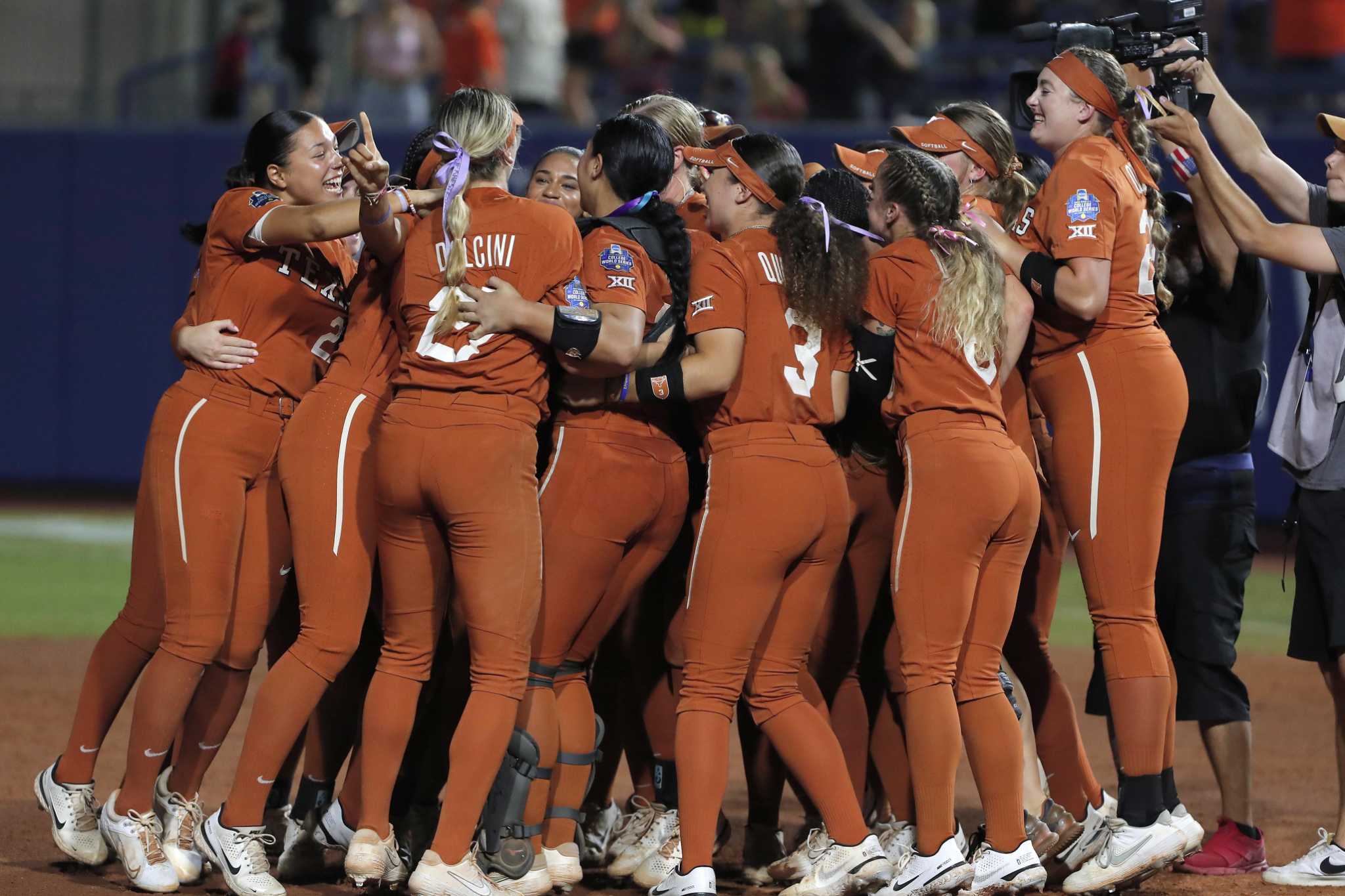
Your inbox and social feed are probably packed with flyers for clinics, prospect days, and so called elite events. Every camp promises exposure, top college coaches, and a better shot at getting recruited.
At the same time, your family budget, schedule, and energy are limited. You cannot just sign up for every weekend on the calendar and hope one camp magically turns into a scholarship offer.
The truth is simple. Softball recruiting camps can be one of the most powerful tools in your college journey, but only if you choose the right events at the right time and show up prepared with a real plan.
If you are already feeling pulled in ten directions, wondering which camps matter and which are just expensive t shirts, this guide is for you.
What role should college softball camps play in my recruiting process?
Before you can decide which events are worth it, you need to see camps through the eyes of a college coach. Camps are not random one day showcases. They are a structured way for coaches to evaluate, teach, and build relationships with athletes they might want on their roster.
The NCAA treats camps and clinics differently from official visits or off campus contact, and they are a legal way for coaches to see prospects long before other recruiting contact is allowed. If you want to see the bigger picture of how recruiting works across sports, the NCAA publishes helpful overviews and data, including its recruiting facts and sport pages like NCAA softball.
From the coach side, camps usually serve a few key purposes.
• Evaluation. Coaches get to see your live skills, athleticism, and body language in their own environment, not just in a highlight video or one random high school game.
• Teaching. Good staffs use camp drills that mirror their actual practices. They want to see how you learn, how you respond to feedback, and whether you fit their style.
• Relationship building. Camps give coaches time to talk with you, learn your goals, meet your family, and see if you are someone they want in their locker room.
• Program exposure. Camps help them get younger athletes on campus early so those athletes start picturing themselves there in a few years.
Yes, camps also help programs bring in extra revenue, especially at larger schools. But for serious staffs, they are still a key part of their long term recruiting process, especially in a sport like softball where development, timing, and fit matter a lot.
Most families first hear about softball recruiting camps from a mass email, a coach at a showcase, or a flyer shared in a team group chat. It can feel like you are being sold the same thing over and over with different logos.
In reality, not every softball camp is a true evaluation event, and not every camp is designed for recruiting. Some are pure skill development. Some are more like fundraisers. Some are built to identify real prospects for a program.
The key is matching the type of camp to your current recruiting stage and your actual target schools. If you are still figuring out which colleges even make sense for you, attending a small, local camp at a random school on a weekend you are free probably will not move your process very far.
There is no universal rulebook for camp names. One school’s elite camp might look a lot like another school’s regular prospect day. Instead of obsessing over labels, focus on who is running the camp, who is invited, and what the format looks like.
These are camps hosted by a specific college program, usually on its own campus, with its own coaching staff in charge.
Prospect camps are often where real recruiting conversations start. Coaches see you in the same cages and on the same field where their current players train. They can picture you in their lineup or rotation.
These camps are usually best when one of the following is true.
• You are already on that staff’s radar from previous emails, video, or tournaments.
• You have done your homework, and the school looks like a legit academic, athletic, and location fit for you.
• You are in the right age range for their recruiting board. For many Division 1 programs, serious camp evaluation starts around sophomore and junior years, but every program is different.
Some programs run smaller elite or advanced camps with limited spots and more intense sessions. Sometimes these invites reflect real interest. Other times the list is more about who has filled out a questionnaire or attended before.
Before assuming an invite means an offer is coming, look at the details.
• Is the camp capped at a realistic number for coaches to evaluate, or are there 150 players and 4 coaches?
• Does the email reference your specific position, grad year, or video, or is it a generic mass message?
• Have you had any previous one to one contact with the staff, within the rules for your grad year?
These camps are run by outside organizations or event companies. They may bring in multiple college staffs for one location, sometimes across divisions. They can be great if you understand who will actually be there and how they evaluate.
Good multi school events share a confirmed list of attending programs, organize drills by grad year and position, and keep groups small enough that coaches can track players they like.
Weaker events can turn into crowded combines where pitchers throw too few pitches, hitters get a handful of swings, and coaches spend half the day chatting with each other instead of truly scouting.
Some summer tournaments include optional skills camps the day before games begin. Others host team camps where a college staff runs practice for your entire travel team.
These can be useful chances to get in front of a staff you are already emailing, especially if they line up with tournaments you are playing anyway. Just do not assume every coach who is at the tournament will also be locked in during the camp portion.
Younger players, especially in middle school or early high school, can absolutely benefit from basic skills camps. Learning how to move, train, and compete like a college athlete early is a huge advantage.
But these events should be framed as development experiences, not as recruiting breakthroughs. If you are in eighth grade and a major program invites you to a camp, it usually means they want to get you on campus and start a long term relationship, not that they are ready to offer.
How can I tell which softball camps are actually right for my position, grad year, and level?
The right timing depends on your sport specific development, not just your birth year. In softball, physical growth, game IQ, and skill refinement often jump a lot between freshman and junior year.
Here is a simple way to think about it by stage of your recruiting journey.
• Early high school: Treat camps mostly as learning and testing opportunities. Focus on developing movement, arm strength, speed, and hitting fundamentals while you get a feel for different campuses.
• Middle of high school: As you reach sophomore and junior years, camps at realistic target schools matter more. This is where coaches start asking, can she help us win in her first or second year here.
• Late in the process: Seniors can still use camps as a way to open doors at Division 2, Division 3, NAIA, and junior college programs, but you need an especially focused strategy and honest feedback on your current level.
One of the best ways to avoid wasting camp money early is to build a working target school list first. Explore schools by level, location, and academic fit, then narrow down which campuses you actually want to see.
You can do that quickly in the free Pathley tools, starting with the softball specific view in the Softball Pathley Hub and then exploring programs in the Pathley College Directory.
The biggest mistake families make with softball recruiting camps is thinking more is always better. The goal is not to attend a lot of camps. The goal is to attend the right camps for you.
When you look at an invite or flyer, ask a few hard questions.
• Does this school make sense for me academically and financially, not just athletically?
• Based on my current tools, measurables, and video, could I realistically play at this level in my first few years of college?
• Am I in the right grad year for their recruiting timeline, or are they already mostly done with my class?
• Will the coaches who make recruiting decisions actually be at this camp, or is it mostly run by volunteers and current players?
If you cannot answer those questions confidently, you are not ready to hit the payment link.
Once you pick the right event, preparation is what turns a camp into a real opportunity. College coaches are not just grading your swing or your spin rate for three hours. They are watching how you carry yourself from check in to the last drill.
Before any major camp, you should have three things dialed in.
• A clear picture of the program. Know the head coach’s name, the conference, the recent record, and the kind of players they recruit. Spend ten or fifteen minutes on the team website and roster.
• A clean, coach ready athletic resume. This should include basic contact info, grad year, GPA, test scores if you have them, primary and secondary positions, key stats, and links to game film or a highlight video.
• A short, honest email conversation with the staff, when rules allow. You want them to know who you are before you step on the field so you are not just a number on a wristband.
If building a sharp resume feels overwhelming, you can use Pathley’s free Athletic Resume Builder to turn your stats, honors, and video links into a polished PDF in a couple of minutes.
Finally, prepare your body. Camps can be long days with a lot of reps in a short window. Show up rested, hydrated, and warmed up. Do not try a brand new swing or pitch on camp day. Trust the work you have put in, and treat it like an important tournament weekend.
Once the camp starts, your job is simple but not easy. You need to be the most coachable, competitive, and locked in version of yourself.
Coaches will notice how you respond to both success and failure. They watch how you move between stations, how you pick up teammates you just met, and how you listen when they speak to the entire group.
Here are a few on field habits that quietly separate serious recruits from the crowd.
• Hustle between drills and stations. Never be the last one to arrive.
• Make eye contact when coaches address you, and nod or respond when appropriate.
• Ask smart, specific questions about drills or concepts, but do not dominate the coach’s time.
• Control your body language after errors or missed reps. Reset quickly and move on.
• For pitchers and catchers, treat every bullpen, live inning, or receiving drill like game film. Coaches will remember how you competed, not just your radar reading.
Also, remember that every interaction counts. How you speak to camp staff, trainers, and even your parents is part of the evaluation. Programs want people they trust in their culture, not just big bats and strong arms.
What happens in the 48 to 72 hours after a camp often matters just as much as the event itself. Too many athletes go home, wait for magic, and never follow up.
Instead, send a short, specific email to the coaches who ran your group or position.
• Thank them for the opportunity and mention one or two details you appreciated or learned.
• Include one or two clips or links that back up what they saw in person, especially if you did not get many live reps.
• Remind them of your grad year, positions, and key measurables so they can slot you correctly on their board.
• If the fit still looks good, tell them plainly that you are very interested in their program and would love to keep the conversation going.
You should also update your own recruiting notes. Write down what you noticed about the campus, the coaching style, and how you felt around the team. Camps are not just coaches evaluating you. You are evaluating them too.
The camp world is noisy, and it is easy to get pulled into myths that waste time and money. Here are a few to watch out for.
• Myth: Attending a camp guarantees a coach will recruit you. Reality: Camps guarantee evaluation, not offers. According to NCAA data, only a small fraction of high school athletes ever play in college, and an even smaller slice receive any athletic aid at all.
• Myth: More expensive camps are always better. Reality: Camp price is influenced by location, facilities, staff size, and demand. Some affordable camps at smaller schools offer far more real attention than flashy events at big brand programs.
• Myth: An invite email means they are already serious about me. Reality: Many camp emails are automated and sent to huge lists. Look for personalized details and real engagement before assuming heavy interest.
• Red flag: No clear schedule or description of drills. If an event will not share how much live work you get, who will be coaching, or which schools are actually attending, be cautious.
• Red flag: Pressure language like last chance to be recruited or guarantees about scholarships. No legitimate staff can promise specific offers just for attending one camp.
When you plug softball recruiting camps into a real plan instead of treating them as lottery tickets, everything gets less stressful. You know why you are going, what you want to show, and how you will follow up afterward.
That is exactly where Pathley comes in. Instead of guessing which schools to target or trying to decode every camp email alone, you can use Pathley’s AI tools to build a clear, personalized roadmap.
Inside Pathley, you can explore softball programs by level, location, and academic profile, then save favorites and track where each school sits on your recruiting board. You can quickly scan options in the Softball Pathley Hub and then dive deeper into specific campuses and majors in the Pathley College Directory.
When a new camp invite hits your inbox, you can check that school against your existing list, your grades, and your goals in minutes instead of hours.
How can I build a year round softball recruiting plan that connects emails, camps, and visits?
Camps should not feel like random, expensive one offs. They should be checkpoints in a bigger story you are building with college coaches over time.
If you choose events that match your level, target schools that make sense for you, and show up prepared with a strong resume and clear communication, camps can turn interest into offers instead of just draining your weekends.
Pathley was built to give you that structure. You get smart school discovery, realistic expectations, and step by step next actions, all tailored to you and your sport so you can stop guessing and start moving.
Rosters, coaches, and division breakdowns for every NCAA and NAIA program we track.








