At the 2026 NCAA Rifle Championships in Columbus, Ole Miss rifle turned years of steady progress into a historic breakthrough. The Rebels captured their first NCAA smallbore team title and finished third overall, while sophomore star Audrey Gogniat shot a perfect 600 and repeated as NCAA air rifle champion. For a program once on the fringe of the national picture, the weekend confirmed Ole Miss as a true contender for future rifle national titles.
Ole Miss Rifle Claims First NCAA Smallbore Team Title as Gogniat Repeats in Air Rifle
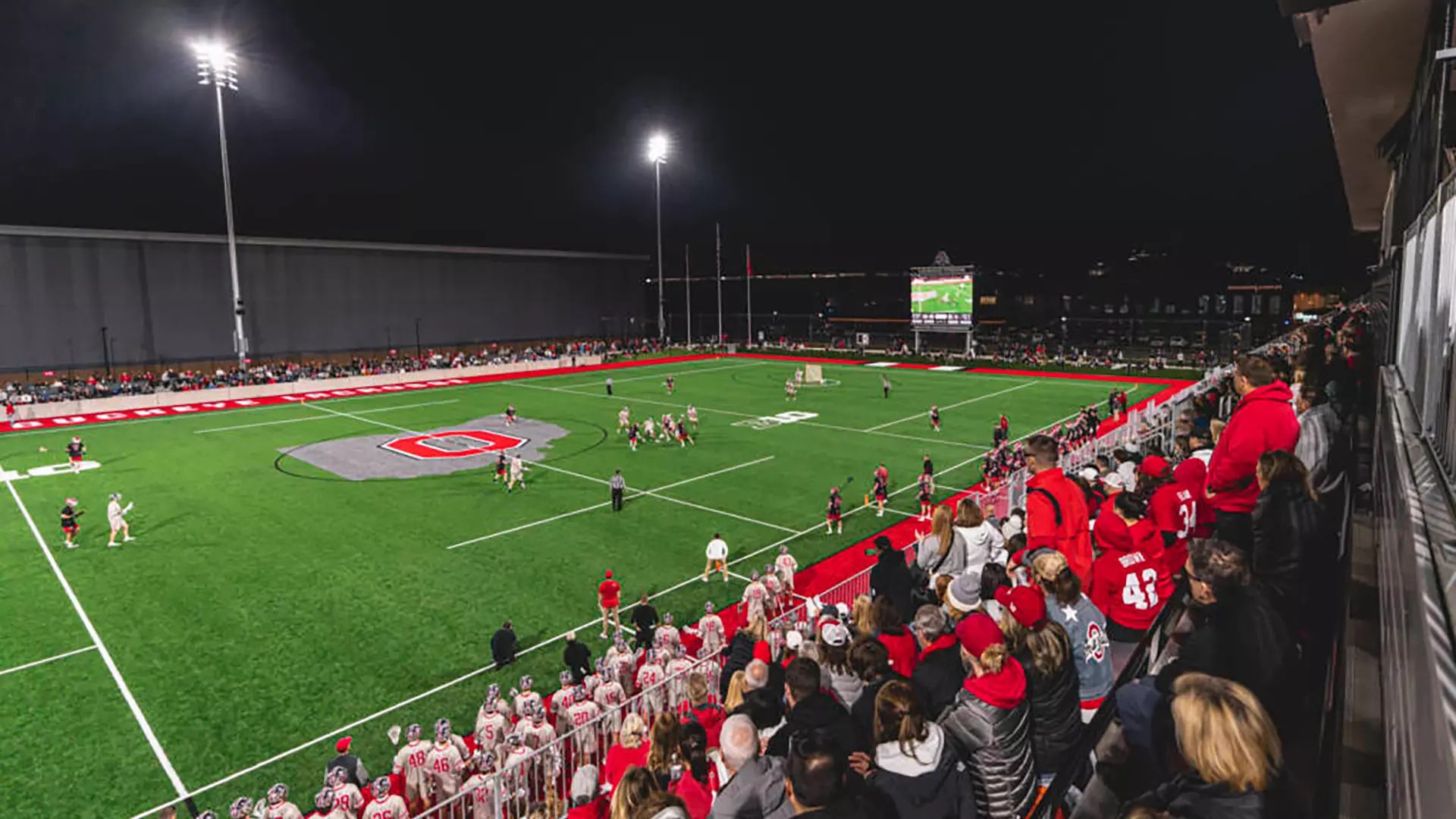
At the 2026 NCAA Rifle Championships in Columbus, Ohio, the University of Mississippi rifle program stepped firmly into college sports history. In front of a packed crowd at Ohio State’s Covelli Center on March 13, Ole Miss rifle surged to the top of the smallbore leaderboard with a 2356 team score, edging national powers TCU and Nebraska by two points and securing the Rebels’ first NCAA team title in any rifle discipline.
The breakthrough smallbore crown capped several years of steady progress and marked the first time Ole Miss had finished first in either smallbore or air rifle at the NCAA Championships. It also set the tone for a landmark weekend that saw sophomore standout Audrey Gogniat repeat as NCAA air rifle champion with a perfect 600 in qualification, and the Rebels finish third overall in the aggregate standings.
A Historic First: NCAA Smallbore Team Champions
The smallbore competition opened the championships and quickly turned into a statement performance for Ole Miss. Entering the 2026 NCAA Rifle Championships ranked fifth nationally after a 10–2 season, the Rebels were considered contenders but still chasing programs like West Virginia and TCU that have dominated collegiate rifle for decades.
On day one in Columbus, Ole Miss changed that narrative. Behind a deep, balanced effort, the Rebels posted a 2356 in smallbore, narrowly topping both TCU and Nebraska by just two points. In a sport where a single shot can shift multiple team places, that tiny margin underscored how every center hit mattered across the 120-shot relay.
The smallbore victory delivered:
- The first NCAA team title in any rifle discipline in Ole Miss history
- The program’s first event win at the NCAA Championships
- The day-one aggregate lead at the national meet
For a flagship university located in Oxford, Mississippi, that is better known nationally for SEC football and baseball, the win positioned rifle as one of the University of Mississippi’s most competitive and nationally relevant programs.
The Road to a Breakthrough: Consistent Climb to the Top
Ole Miss did not arrive at the top of the NCAA smallbore podium overnight. The Rebels compete in NCAA Division I as a member of the Patriot Rifle Conference, one of the sport’s top leagues, and have been steadily climbing the national rankings in recent seasons.
Recent highlights include:
- Third place in the NCAA combined standings in 2020–21
- Second place overall in 2022–23
- Back-to-back 10-win seasons heading into 2025–26
In the 2025–26 campaign, Ole Miss compiled a 10–2 overall record and a 5–2 mark in Patriot Rifle Conference matches. The team set a program-record 4,731.1 aggregate scoring average and did not dip below 4,700 in any match, illustrating the kind of consistency that separates national contenders from up-and-coming programs.
That foundation made the 2026 breakthrough feel like the next logical step, not an out-of-nowhere surprise. The smallbore title was the tangible payoff for years of recruiting, development, and incremental improvement at the national level.
New Era Leadership: Olympic Champion Coach Will Shaner
The 2025–26 season was also the first under head coach Will Shaner, an Olympic gold medalist and 11-time All-American whose presence signaled Ole Miss’s intent to compete with the sport’s blue bloods.
Shaner’s résumé and experience competing at the sport’s highest levels brought instant credibility to the Rebels. In his debut season, he guided Ole Miss to:
- A 10–2 overall record
- A 5–2 conference mark in the Patriot Rifle Conference
- The program’s first NCAA smallbore team championship
- A third-place overall team finish that matched the school’s best-ever NCAA result
For prospective student-athletes and families evaluating rifle programs, coaching pedigree and program trajectory matter. Shaner’s success in year one, paired with the program’s rising performance over multiple seasons, reinforces Ole Miss as a serious long-term contender for the overall NCAA rifle title.
Sophomore Standouts: Gracie Dinh and Audrey Gogniat Lead in Smallbore
In smallbore qualifying at Covelli Center, sophomores Gracie Dinh and Audrey Gogniat set the tone early. Both delivered standout scores in the 60-shot course:
- Gracie Dinh: 593 in qualification
- Audrey Gogniat: 592 in qualification
Those scores placed both athletes comfortably into the eight-shooter smallbore final and made Ole Miss one of only three teams with multiple shooters above 590 on day one. For a national championship field stacked with All-Americans, having two sophomores in that top tier signaled depth and future potential.
In the final, Dinh and Gogniat again started strongly through the kneeling and prone series before the standing stage tightened the competition. Dinh ultimately finished eighth, the best NCAA smallbore result of her career. Gogniat climbed past several competitors and out-duelled West Virginia’s Griffin Lake to claim the silver medal behind Kentucky’s Braden Peiser, who repeated as individual smallbore national champion.
Those individual results were more than just résumé boosters. With Dinh and Gogniat combining for 1,185 points and additional contributions from teammates including Regan Diamond and Jordan de Jesus, Ole Miss pieced together the 2356 smallbore total that held off TCU and Nebraska by the slimmest of margins.
Every Shot Matters: Winning by Two Points
In NCAA rifle, team scores are often decided by razor-thin margins, and the 2026 smallbore standings were a textbook example. Ole Miss’s 2356 edged TCU and Nebraska by only two points in the team race. In practical terms, that meant that one additional center hit or one fewer error across the entire day’s worth of shots could have flipped the championship.
That context highlights several realities of high-level collegiate rifle:
- Depth is critical; contributions from every counting shooter matter as much as star performances.
- Consistency across all three positions in smallbore (kneeling, prone, standing) is essential to stay in contention.
- Mental toughness under pressure often separates champions from near-misses, especially late in the standing series.
Ole Miss proved they could handle that pressure at the sport’s biggest collegiate event, a trait that should carry weight with recruits seeking programs that perform on championship weekend.
Gogniat’s Perfect 600 and Repeat Air Rifle National Title
A day after anchoring the smallbore run, Gogniat delivered one of the most impressive air rifle performances in recent NCAA history. She opened air rifle qualification with a perfect 600, the fourth 600 of her career.
That feat tied former Ole Miss great Lea Horvath for the most perfect 600s in program history and placed Gogniat in elite NCAA company. She became just the second woman and third collegiate shooter ever to record four perfect 600s at the NCAA level, according to Ole Miss’s official athletics reports.
In the air rifle final, Gogniat initially trailed Nebraska’s Katlyn Sullivan by as many as two points. Rather than panic, she chipped away at the deficit, capitalizing when Sullivan faltered and holding off another charge from West Virginia’s Griffin Lake. With a composed closing stretch, Gogniat successfully defended her NCAA air rifle individual title, adding another national championship to her résumé and to Ole Miss’s growing trophy case.
National Podium in the Aggregate: Rebels Finish Third Overall
Gogniat’s weekend did not stop with smallbore silver and air rifle gold. She also finished as runner-up in the individual aggregate standings, underscoring her status as one of the nation’s most complete collegiate shooters.
Dinh’s consistency across both events placed her among the top 10 in the combined individual rankings, further solidifying Ole Miss’s sophomore core as one of the strongest in the country.
As a team, Ole Miss closed the championships with a 4,738 aggregate score. That total was good for third place overall, just behind:
- Overall champion West Virginia at 4,748
- Runner-up TCU at 4,741
The 10-point gap between Ole Miss and national champion West Virginia emphasizes just how close the Rebels were to the very top of the collegiate rifle landscape. The third-place finish matched the best NCAA result in program history and gave the University of Mississippi a coveted place on the podium in both the smallbore event and the combined standings.
Context: Where Ole Miss Rifle Fits in the NCAA Landscape
To understand the magnitude of Ole Miss’s 2026 breakthrough, it helps to look at the larger history of NCAA rifle. Programs like West Virginia and TCU have dominated national championships, with West Virginia alone claiming more than a dozen team titles over the decades. Nebraska, Kentucky and Alaska Fairbanks also appear frequently near the top of the standings.
According to the NCAA’s own records and historical summaries, rifle is a coed championship sport with a relatively small number of sponsoring schools compared to football or basketball, but the concentration of talent at the top is intense. A handful of programs tend to recycle titles and podium finishes each year, making it difficult for new challengers to break through.
Within that landscape, Ole Miss’s smallbore title and consistent top-three aggregates represent a meaningful disruption. The program has shifted from being a rising outsider to an established presence in the championship conversation. For prospects and families researching rifle opportunities, resources like the NCAA’s official rifle rules and records pages on https://www.ncaa.org/sports/rifle and coverage from outlets such as Shooting Sports USA at https://www.ssusa.org can provide helpful context on how rare it is for a program to crack that elite tier.
Why This Matters for Recruits, Parents, and Coaches
For high school and junior shooters considering college rifle, Ole Miss’s 2026 performance delivers several key signals:
- Proven championship ceiling: The program can win at the NCAA Championships, not just qualify.
- Development under elite coaching: Working with an Olympic gold medalist like Will Shaner offers world-class technical and mental training.
- Strong sophomore core: With Dinh, Gogniat, and their classmates leading the way, the current roster suggests multiple years of high-level competitiveness.
- Institutional momentum: Back-to-back 10-win seasons and record scoring averages suggest sustained investment and support from the university.
From a recruiting standpoint, these factors can be just as important as facilities or conference affiliation. They indicate that an athlete choosing Ole Miss is likely to compete in meaningful matches, chase championships, and train in a high-performance environment.
If you are exploring rifle or other college sports and want help understanding where a school like the University of Mississippi fits your academic and athletic goals, tools like Pathley’s College Fit Snapshot can give you a quick, data-driven read on your potential fit with specific programs.
How to Evaluate a Program Like Ole Miss Rifle
When families and athletes evaluate rifle programs, it helps to look beyond a single championship run and ask broader questions:
- How has the team performed over the last three to five years?
- Is the coaching staff stable and experienced at the national and international level?
- Do current shooters show improvement year over year?
- What academic and campus environment surrounds the program?
For Ole Miss, the answers are increasingly positive. The Rebels have:
- Multiple recent NCAA podium finishes
- One of the sport’s top young head coaches in Will Shaner
- A track record of developing All-Americans and national champions like Lea Horvath and Audrey Gogniat
- A large, energetic SEC campus in Oxford that provides a classic college-town atmosphere
Using a comparison tool such as Pathley’s Compare Two Colleges can help you see how Ole Miss stacks up against other rifle schools from an academic, cost, and campus standpoint, not just performance on the range.
Looking Ahead: Ole Miss as a Future NCAA Rifle Title Contender
The 2026 NCAA Rifle Championships did more than add trophies to the case. They reshaped expectations for what Ole Miss rifle can be. With a smallbore team title secured, a third-place overall finish, and a roster led by underclassmen, the Rebels now enter upcoming seasons as legitimate contenders for the overall NCAA rifle championship.
Key reasons that trajectory looks sustainable include:
- Returning talent: Sophomores like Gogniat and Dinh still have multiple years of eligibility.
- Program standards: A season-long aggregate record and never dropping below 4,700 in a match point to a culture of consistent excellence.
- Recruiting momentum: A national title and repeat individual champion are powerful calling cards on the recruiting trail.
As traditional powers like West Virginia and TCU continue to reload, Ole Miss’s emergence should only intensify competition at the top of NCAA rifle. For the sport overall, that level of parity and new blood on the podium is a healthy sign.
Using Pathley to Explore Colleges Like Ole Miss
If Ole Miss’s rise in rifle has you thinking more seriously about your own college path, you do not have to navigate the process alone. Pathley was built to help athletes and families make smarter, faster decisions about college sports and academics.
You can:
- Visit the main site at https://www.pathley.ai/ to learn how AI-powered tools can simplify your recruiting journey.
- Use the Pathley College Directory to explore schools, including the University of Mississippi, and save options that match your goals.
- Chat with Pathley’s AI via Pathley Chat for help matching to colleges, refining your list, or planning next steps in your recruiting roadmap.
Whether you compete in rifle or another sport, building the right target school list is one of the most important decisions you will make. Ole Miss’s story shows how programs can rise quickly with the right leadership, development, and support. Pathley helps you see those patterns across hundreds of colleges so you can find the best fits for your own journey.
Takeaway: Ole Miss Rifle Has Arrived
The 2026 NCAA Rifle Championships in Columbus confirmed what insiders have seen building for several years: Ole Miss rifle has arrived as a national power. With a first-ever NCAA smallbore team title, a repeat air rifle crown and perfect 600 from Audrey Gogniat, and a third-place overall finish just 10 points behind West Virginia, the Rebels are no longer a dark horse.
For the University of Mississippi, the weekend at Ohio State’s Covelli Center marked a historic milestone in athletics and a clear signal that rifle is now one of the school’s flagship competitive programs. For recruits and families, it offers a compelling case study in how to evaluate program momentum, coaching impact, and competitive ceiling when choosing a college home.
If you are ready to explore how a place like Ole Miss might fit into your own college plans, tools such as Pathley’s College Directory and College Fit Snapshot can help you move from inspiration to a focused, actionable recruiting plan.